The CDL Work Permit Gap California Doesn't Explain
You hold a California CDL. You were arrested for DUI in your personal vehicle off-duty. Your license is suspended, and you need to drive to keep your job — but your job is driving a truck. You apply for California's restricted license expecting to drive to work, and the DMV approves your application. Then your employer tells you the restricted license prohibits operating commercial vehicles. You can drive your personal car to the terminal, but you cannot legally drive the truck once you arrive.
This is not a paperwork error. California's restricted license pathway allows driving for work purposes, but explicitly excludes commercial motor vehicles under Federal Motor Carrier Safety Regulations. The state can grant you a restricted personal license. It cannot override federal CDL disqualification rules that follow a conviction. Most CDL holders learn this only after paying the $125 reissue fee and installing the ignition interlock device required for DUI-based restricted licenses.
Compare car insurance rates in your state
Get quotes from licensed carriers — no obligation, no spam, results in minutes.
Get Your Free QuoteCalifornia Restricted License Fee
$125
This reissue fee applies when you obtain a restricted license after DUI suspension. The fee is nonrefundable even if you later discover the restriction prohibits the commercial driving your job requires.
California Vehicle Code §14904
What California's Restricted License Actually Covers
California issues restricted licenses after the 30-day hard suspension period for first-offense DUI cases. The restricted license allows you to drive to and from work, to and from a court-ordered DUI program, and within the scope of your employment. These permissions apply only to non-commercial driving. If your personal vehicle qualifies for an ignition interlock device and you complete the required SR-22 filing, you can drive that vehicle under the restrictions.
The employment-scope provision is narrower than most CDL holders expect. You can drive a personal vehicle to your workplace. You can drive a company car rated under 26,001 pounds GVWR if your job requires non-CDL driving. You cannot drive vehicles requiring a CDL: Class A combination vehicles over 26,001 pounds, Class B single vehicles over 26,001 pounds, or any vehicle placarded for hazardous materials. Federal disqualification follows the conviction, not the state administrative suspension, and California's restricted license cannot override it.
Installation of an ignition interlock device is mandatory for all DUI-based restricted licenses in California under Vehicle Code §13353.7. The IID requirement runs for the full restricted license period, typically 12 months for first offenses. Your employer must approve IID installation on any vehicle you drive for work purposes. Many carriers prohibit IID-equipped vehicles in their fleets for liability reasons, creating a secondary employment barrier even when the restricted license technically allows non-CDL work driving.
California's restricted license covers your commute but not your CDL. Federal disqualification rules prohibit commercial driving until full reinstatement, leaving CDL-dependent workers unable to perform the job they can legally commute to.
The Federal CDL Disqualification Timeline
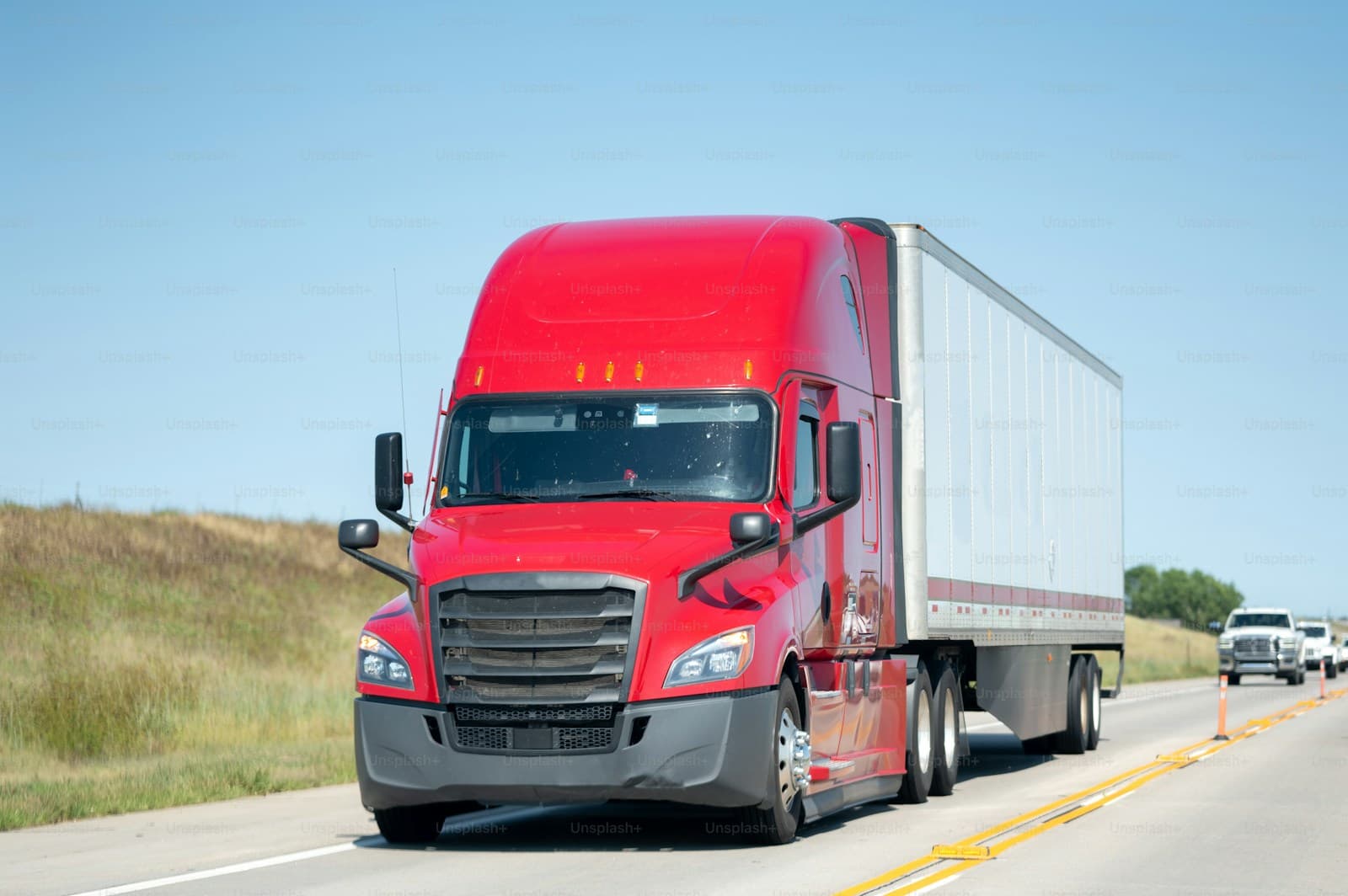
Under 49 CFR §383.51, a first-offense DUI conviction in any vehicle triggers a minimum one-year CDL disqualification. This disqualification applies even when the arrest occurred in your personal vehicle during off-duty hours. California notifies the Commercial Driver License Information System within 10 days of conviction, and the federal disqualification begins on the conviction date. The one-year federal period typically exceeds California's administrative suspension period for first offenses, meaning your state driving privilege may be reinstated before your commercial privilege.
California's restricted license after the 30-day hard suspension does not shorten the federal disqualification period. You can hold a valid California restricted license and remain federally disqualified from CDL operation simultaneously. Reinstatement of commercial driving privileges requires satisfying both California's state-level reinstatement requirements and waiting out the full federal disqualification period. No restricted or conditional commercial license exists under federal regulations.
Related Articles
SR-22 Filing and Insurance Setup for CDL Holders
California requires SR-22 filing for three years following DUI conviction. The SR-22 certificate must be filed before the DMV will issue a restricted license. If you do not own a vehicle, you need non-owner SR-22 coverage, which provides liability protection when you drive vehicles you do not own. This includes employer-provided vehicles rated under CDL thresholds. Non-owner policies do not cover commercial vehicles.
Carriers writing SR-22 in California include GEICO, Progressive, State Farm, The General, Dairyland, Bristol West, and Acceptance Insurance. Premium increases following DUI suspension typically range from $180 to $320 per month for liability-only coverage with SR-22 endorsement. Estimates based on available industry data; individual rates vary by age, county, and driving history beyond the DUI conviction. Commercial auto policies are separate and typically exclude drivers with active DUI convictions or federal disqualifications.
If you own a commercial vehicle and operate as an owner-operator, your commercial auto policy must carry the SR-22 filing, not a separate personal policy. Most commercial insurers will not write or renew policies for drivers under federal CDL disqualification, forcing you to wait until full reinstatement before securing coverage. The three-year SR-22 period runs from the restricted license issuance date for state purposes, but commercial insurers evaluate risk from the conviction date.
Federal CDL Disqualification Period
1 year
First-offense DUI triggers a minimum one-year federal disqualification under 49 CFR §383.51, running from conviction date. This period applies regardless of California's restricted license approval and cannot be shortened by state hardship provisions.
49 CFR §383.51
Work Alternatives While Under Federal Disqualification
CDL holders under federal disqualification can work in non-driving roles or roles requiring only non-CDL operation. Warehouse work, dispatch, freight brokerage, and terminal operations are common transitions during the disqualification period. Some carriers retain suspended drivers in non-driving positions if the driver discloses the suspension immediately and the employer has available roles. Concealing an active disqualification and attempting to drive commercially results in federal violations that extend disqualification periods and trigger criminal penalties under 49 USC §31310.
If your job requires occasional non-CDL driving, California's restricted license covers that use case. Driving a pickup truck rated under 26,001 pounds GVW to deliver parts, move equipment between job sites, or travel between terminals is permissible under the work-purposes restricted license as long as the vehicle does not require a CDL and your employer approves IID installation. Many employers maintain a fleet of lighter vehicles specifically to retain drivers during suspension periods.
Full Reinstatement and Commercial Driving Resumption
Full reinstatement of your California CDL requires completing the one-year federal disqualification period, completing all court-ordered DUI program requirements, maintaining SR-22 filing without lapse, paying the $55 DMV reissue fee, and re-applying for the CDL. California does not require retaking the CDL knowledge or skills tests for first-offense DUI reinstatement unless your license has been expired for more than two years. You must request CDL reinstatement specifically; the DMV will not automatically restore commercial privileges when reinstating your personal license.
Expect a two-week processing window from application submission to CDL reissuance. During this window you can drive under your restricted license but not commercially. Once the CDL is reissued, the three-year SR-22 filing period continues. You will need to secure commercial auto insurance from a carrier willing to write policies for drivers with DUI history. Premiums for commercial coverage after DUI conviction typically exceed pre-conviction rates by 60 to 120 percent for the first three years. Compare carriers writing high-risk commercial auto in California; not all standard commercial insurers will offer coverage immediately after reinstatement.