Most work-purpose permits prohibit commercial driving even when the job requires it. CDL holders face a hidden restriction that destroys the whole point of the employment hardship pathway.
Why Your CDL Job Doesn't Qualify for Most Work Permits
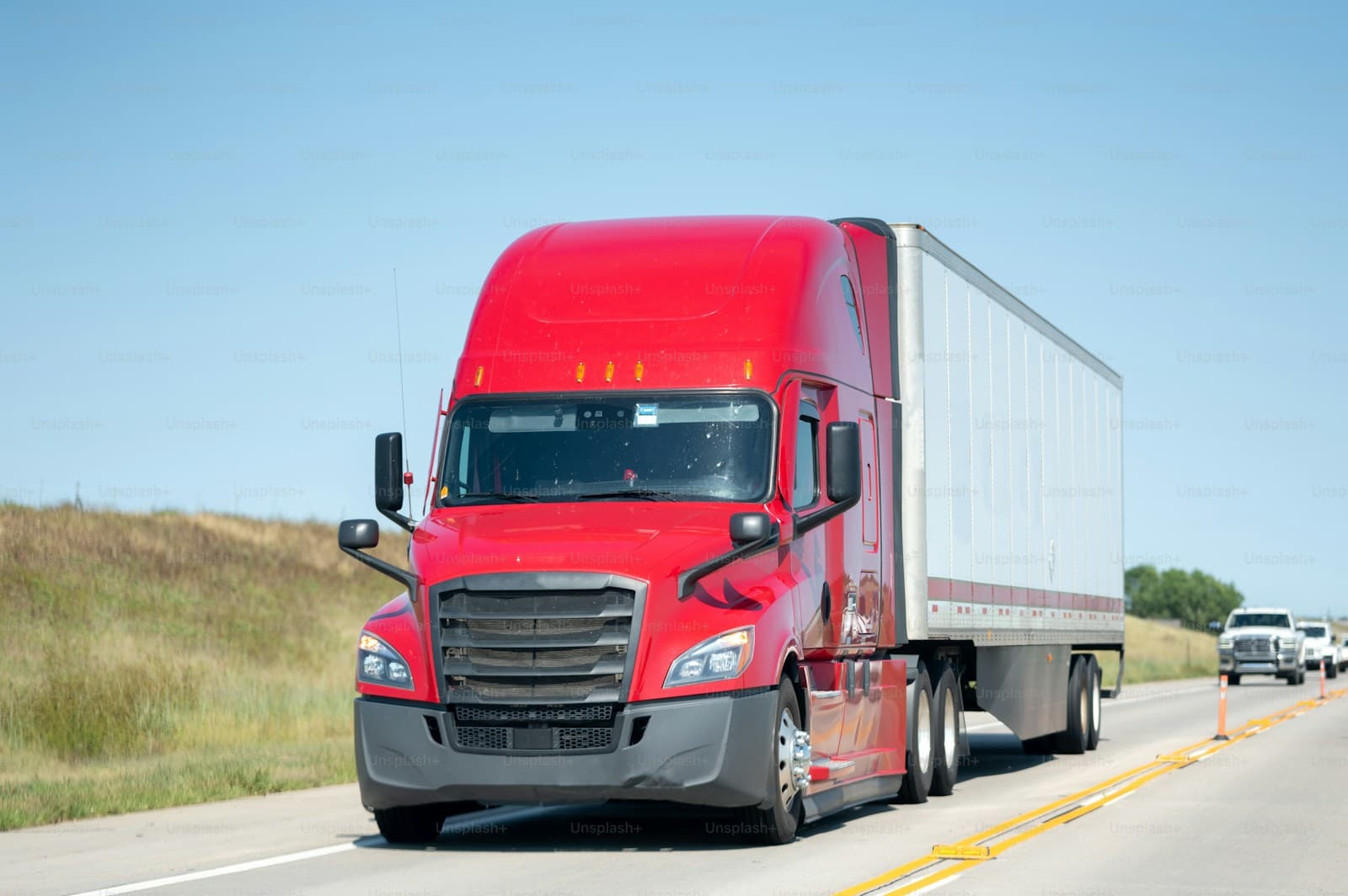
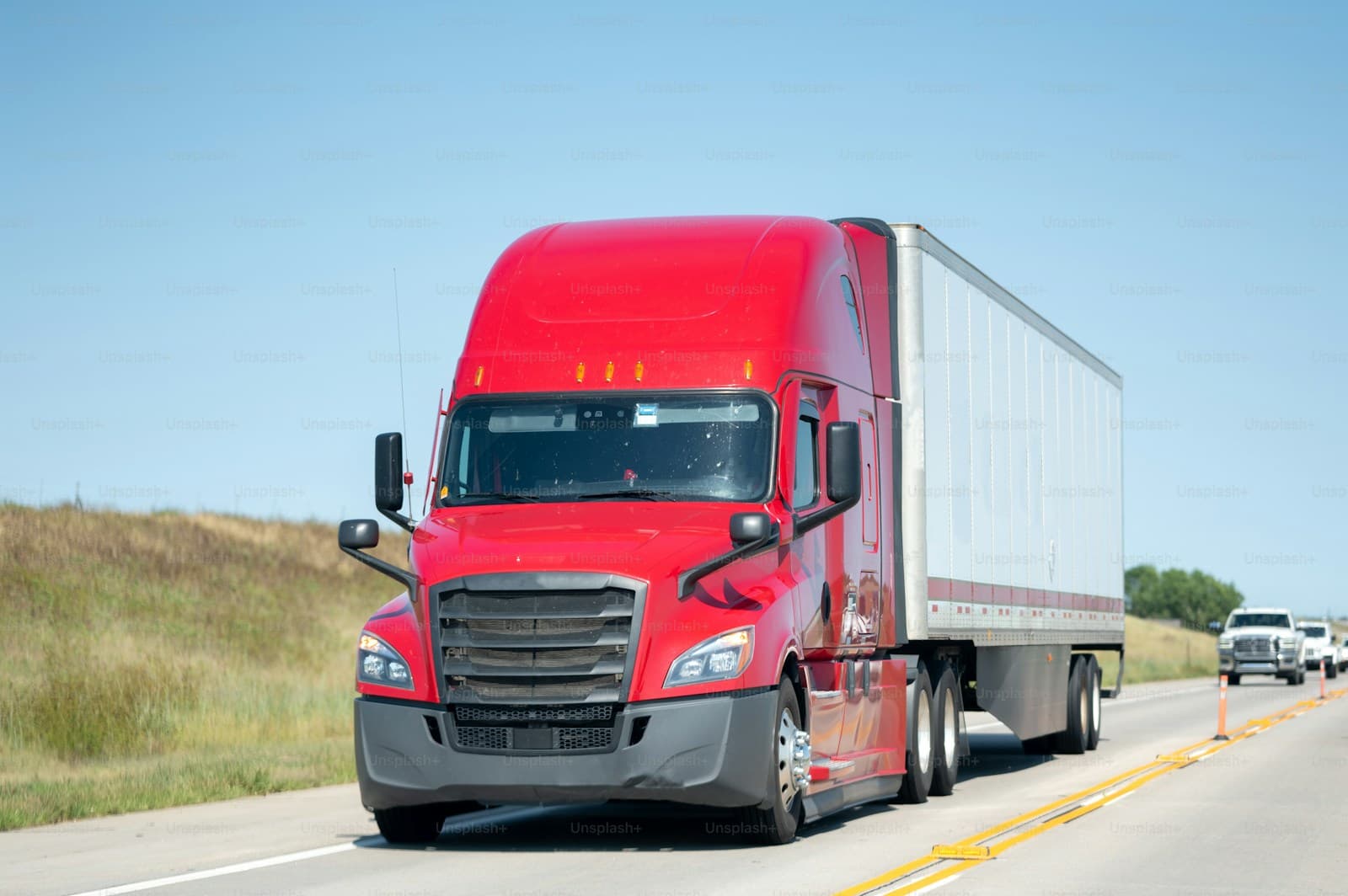
Most state hardship licenses explicitly prohibit operating commercial motor vehicles, even when your suspended personal license forced the CDL suspension and even when driving a truck is your only job. The work permit authorizes personal-vehicle operation only: commuting to the job site in your car, not performing the commercial driving the job requires.
This restriction appears in the fine print of most state hardship programs. Texas Occupational Licenses prohibit CMV operation under Transportation Code 521.246. Illinois Restricted Driving Permits bar commercial use under 625 ILCS 5/6-206. Florida Business Purpose Only licenses exclude CDL-required vehicles entirely. The pathway exists to protect employment, but it defines employment as a destination you drive to in a personal vehicle, not as commercial driving itself.
The practical result: a delivery driver whose personal DUI triggered CDL disqualification can use a work permit to drive their personal car to the warehouse but cannot drive the delivery truck once they arrive. A long-haul trucker can drive to the terminal in their sedan but cannot operate the tractor-trailer. The permit protects the commute but not the commercial work.
The Personal-License Suspension Triggers CDL Loss Separately
A DUI or other disqualifying offense on your personal driving record triggers CDL disqualification under Federal Motor Carrier Safety Regulations, regardless of which vehicle you were operating when the violation occurred. You don't need to be driving a commercial vehicle for the offense to cost you the CDL. The two licenses are administratively separate but legally linked.
Most states process the personal license suspension and the CDL disqualification as parallel actions. The personal suspension happens under state traffic law. The CDL disqualification happens under FMCSA rules adopted by the state. When you apply for a hardship license to restore personal driving privileges, you are addressing only the personal suspension. The CDL disqualification remains in effect on its own timeline.
Hardship licenses do not restore commercial driving privileges because they operate under personal-license authority. Even if your state grants an occupational license allowing you to drive to work, that authorization applies to personal vehicles only. The CDL remains suspended or disqualified separately.
Compare car insurance rates in your state
Get quotes from licensed carriers — no obligation, no spam, results in minutes.
Get Your Free Quote✓ No Obligation Required✓ Licensed Carriers Only✓ Available Nationwide✓ Free to Compare
What Employment Purposes Actually Cover for CDL Holders
CDL holders granted work permits can use them for personal-vehicle commuting to any job, including non-CDL positions they take during the disqualification period. If you shift to warehouse work, office work, or any role that doesn't require commercial driving, the work permit covers the commute in your personal car.
Approved purposes typically include driving to and from work, driving during work hours for job duties that do not require a CDL (sales calls, client meetings, deliveries in a personal vehicle under 26,001 lbs GVWR), and driving to required CDL reinstatement programs like DUI education or substance abuse treatment. Some states allow broader household-maintenance purposes like grocery shopping and medical appointments within restricted hours.
The permit does not authorize operating vehicles that require a CDL: tractor-trailers, buses, trucks over 26,001 lbs GVWR, or vehicles placarded for hazardous materials. It does not authorize driving for compensation in vehicles that require commercial insurance. If your employer requires you to drive a box truck rated at 28,000 lbs, the work permit will not cover that operation even if the job is the reason you applied for hardship relief.
How Employers Respond to CDL Holders on Work Permits
Trucking companies and logistics employers typically cannot retain drivers whose CDL is disqualified, even when those drivers hold valid work permits for personal driving. The job requires operating commercial vehicles, and the work permit does not authorize that operation. Most employers terminate or place the driver on unpaid leave until full CDL reinstatement.
Some employers offer non-driving roles during the disqualification period: dock work, dispatching, load planning, or administrative positions. These roles allow continued employment and income while the driver completes the CDL reinstatement process. The work permit covers commuting to these positions in a personal vehicle.
Employers cannot legally allow a driver to operate a CMV on a personal work permit, even for short distances or non-interstate routes. FMCSA regulations prohibit it. Employers who allow disqualified drivers to operate commercial vehicles face federal penalties, DOT audits, and civil liability. The legal risk is too high for any carrier operating under federal authority.
The Two-Track Reinstatement Process for CDL Holders
CDL holders suspended after a DUI or disqualifying offense must complete two separate reinstatement processes: one for the personal license and one for the commercial license. The personal license reinstatement comes first and determines eligibility for hardship relief. The CDL reinstatement follows and requires completing all personal-license conditions plus CDL-specific requirements.
Personal-license reinstatement typically requires completing a DUI education program, paying reinstatement fees, serving any mandatory suspension period, and filing SR-22 insurance for the duration specified by your state. Once the personal license is reinstated or a hardship license is granted, you can operate personal vehicles under the terms of that license.
CDL reinstatement requires everything the personal license requires plus passing the CDL knowledge and skills tests again in most states, submitting a new Medical Examiner's Certificate, and in some cases completing a CDL-specific substance abuse program approved by your state. The CDL cannot be reinstated until the personal license is fully reinstated, not just under hardship authorization. Hardship licenses do not count as full reinstatement for CDL purposes.
Insurance Requirements for CDL Holders on Work Permits
CDL holders applying for work permits face the same SR-22 filing requirement as any other suspended driver, but the insurance must cover personal vehicle operation only. You cannot obtain commercial auto insurance while your CDL is disqualified. The SR-22 filing covers liability on your personal car, truck, or motorcycle.
If you do not own a personal vehicle, you need non-owner SR-22 insurance. This policy provides liability coverage when you operate borrowed or rental vehicles and satisfies the state's SR-22 filing requirement for hardship license eligibility. Non-owner SR-22 costs typically range from $40 to $90 per month for drivers with DUI suspensions, depending on state and driving history.
Commercial driving is not insurable under a personal SR-22 policy, and operating a CMV during CDL disqualification would void both the personal policy and any employer-provided commercial coverage. The work permit plus SR-22 structure assumes personal-vehicle operation only. Commercial reinstatement requires commercial insurance, and that coverage is not available until the CDL is fully reinstated.
What to Do If Your CDL Job Is Your Only Income Source
If commercial driving is your only job skill and your employer cannot offer non-driving work during disqualification, the work permit will not solve your employment problem. You need full CDL reinstatement to return to commercial driving, and that process takes months even after personal-license eligibility is restored.
Most CDL holders in this situation shift to non-CDL work temporarily: delivery driving in personal vehicles under 10,000 lbs, rideshare driving where state law permits it post-suspension, warehouse work, or construction labor. The work permit covers commuting to these jobs. Income drops, but the permit keeps some employment option available while you complete the reinstatement process.
Prioritize completing DUI education, paying all fines and reinstatement fees, and maintaining SR-22 filing without lapses. Every delay in the personal-license process delays CDL eligibility. Once your personal license is fully reinstated, you can begin the CDL-specific reinstatement steps: retesting, medical certification, and applying for CDL restoration. Until then, the work permit is a partial solution that covers personal driving only.