Arkansas makes you pay the circuit court, the DFA, the ignition interlock installer, and the SR-22 filer before you can drive to work. Most drivers underestimate the stack by half.
What a Restricted Hardship License Actually Costs in Arkansas
The upfront cost to obtain a Restricted Hardship License in Arkansas typically runs $1,200 to $2,400 before you drive a single mile. This breaks into four mandatory components: circuit court petition filing (typically $150–$250, varies by county), ignition interlock device installation and monthly lease ($100–$150 installation plus $70–$100/month), SR-22 insurance filing fee ($25–$50), and the premium increase on your auto policy (often doubling or tripling your prior rate). Arkansas Department of Finance and Administration reinstatement fee is $100 once you complete your suspension period, but that comes later.
Most drivers miss the court-first structure. Arkansas requires you to petition the circuit court for a hardship license — the DFA does not grant these administratively. The court filing fee is due at petition, before any hearing. If the judge denies your petition, you lose the filing fee. The ignition interlock device must be installed before the court will issue the order, which means you pay installation and at least one month's lease before you have legal permission to drive.
The SR-22 filing is required for DWI-related suspensions and most other major violations. Your insurer files the SR-22 certificate with the Arkansas Office of Driver Services, but the real cost is the premium increase. Drivers moving from standard to high-risk classification typically see monthly premiums jump from $80–$120 to $180–$350, depending on age, county, and violation history. That premium increase persists for the entire three-year SR-22 filing period Arkansas mandates.
Budget for the full stack upfront. If you finance the ignition interlock or monthly premium through installment plans, factor those recurring costs into your work-commute budget now. Losing the job because you couldn't afford the second month's IID lease defeats the purpose of the hardship license.
Court Petition Process and What the Judge Actually Evaluates
Arkansas circuit courts evaluate hardship petitions on a case-by-case basis. The judge needs to see documented hardship: employment verification from your employer (letter on company letterhead stating your job title, work hours, and that driving is required to maintain employment), proof of SR-22 insurance filing, proof of ignition interlock installation, and a specific statement of need explaining why public transit or rideshare cannot meet your work requirement.
The employment letter is non-negotiable. Your employer must confirm that you cannot perform your job duties without personal vehicle access and that alternative arrangements (coworker rides, company vehicle, schedule adjustment) are not available. The letter should specify your work address, typical work hours, and whether job duties require driving during work hours beyond the commute. Judges deny petitions when the employment verification is vague or when the stated work hours suggest rideshare would be viable.
The court defines your approved driving hours and routes in the hardship order itself. Typical grants allow driving to and from work during a specific time window (for example, 6:00 AM to 7:00 PM Monday through Friday) and to approved locations (workplace, home, medical appointments, IID service center, court-ordered classes). You cannot drive outside those hours or to unapproved locations. Getting caught driving your child to school on a Saturday violates the order and triggers automatic revocation plus additional criminal penalties.
Processing time from petition to approved license typically runs 30 to 60 days, depending on court docket load. Some counties hold hardship hearings monthly; others quarterly. If your suspension is imminent and you need to maintain employment, file the petition before your suspension effective date if procedurally allowed. Waiting until after you lose the license compresses your timeline and increases the risk of job loss during the gap.
Compare car insurance rates in your state
Get quotes from licensed carriers — no obligation, no spam, results in minutes.
Get Your Free Quote✓ No Obligation Required✓ Licensed Carriers Only✓ Available Nationwide✓ Free to Compare
Ignition Interlock Device: Installation, Monthly Lease, and Calibration
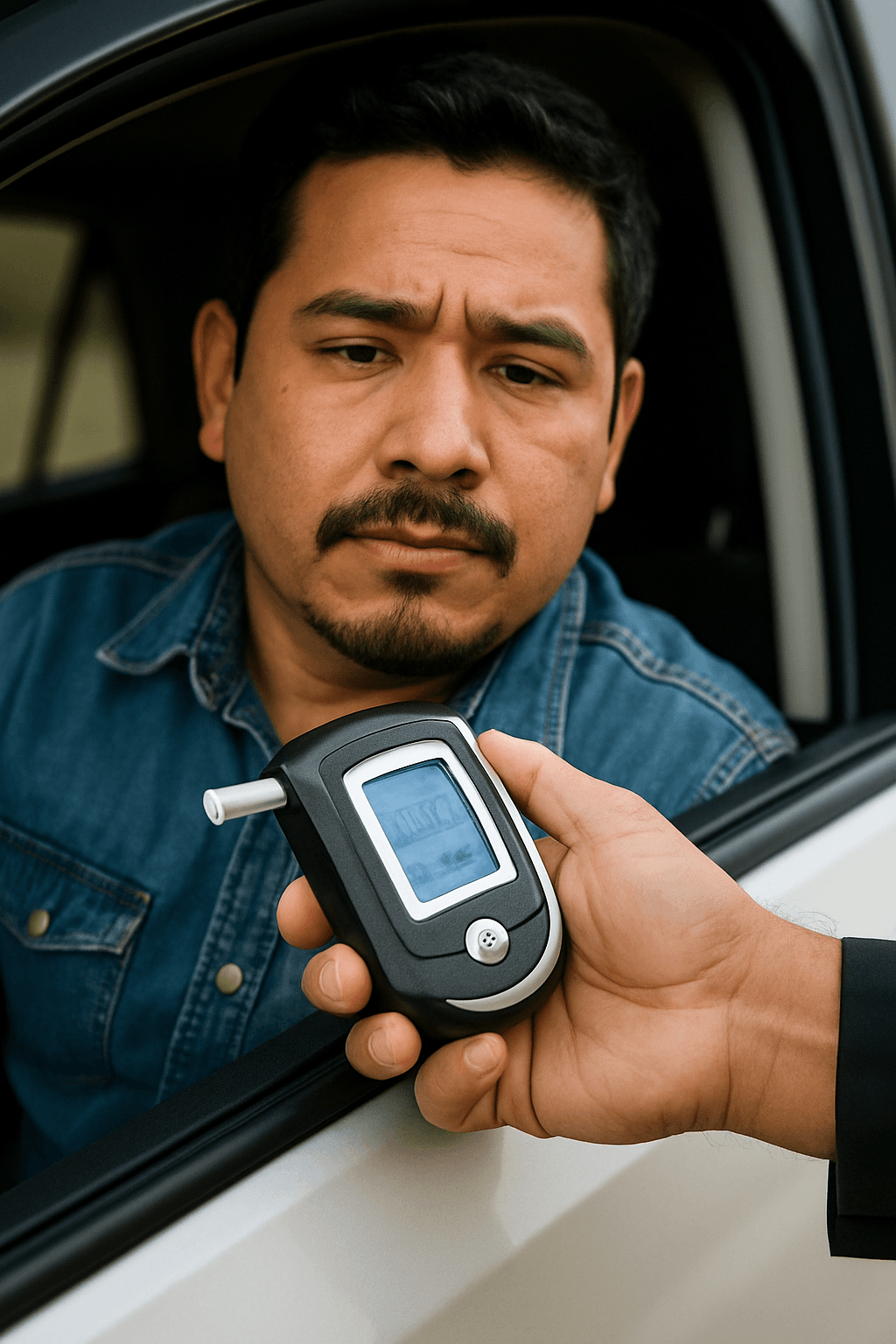
Arkansas requires ignition interlock installation as a condition of hardship license issuance for DWI-related suspensions. The device measures your breath alcohol content before allowing the engine to start and requires periodic rolling retests while driving. Installation costs $100 to $150 depending on provider and vehicle type. Monthly lease runs $70 to $100. Calibration appointments (required every 30 to 60 days) add another $10 to $20 per visit.
You must install the IID before the court issues your hardship order. Bring proof of installation to your court hearing: the provider gives you a certificate showing device serial number, installation date, and vehicle VIN. The court will not approve your petition without this documentation. If you own multiple vehicles, you must install IID in every vehicle you intend to drive under the hardship license, even if one is jointly owned with a spouse.
Violating IID protocols revokes your hardship license automatically. Violations include failed startup tests (any detectable alcohol), missed rolling retests, tampering with the device, or skipping calibration appointments. The device logs every event and uploads data to the state monitoring program. Three failed tests in 30 days typically triggers administrative review and potential revocation. One tamper event — disconnecting wires, attempting to bypass the sensor — ends your hardship eligibility immediately and may add criminal charges.
Budget for the full IID period upfront. If your suspension runs 12 months and you petition for hardship after 90 days, you still owe 9 months of lease payments ($630–$900) plus calibration visits. Some providers offer payment plans, but missed payments result in device lockout — the car will not start until your account is current.
SR-22 Filing, Premium Impact, and What Happens If You Let It Lapse
Arkansas requires continuous SR-22 filing for three years following DWI conviction or most suspension-triggering violations. The SR-22 is not a separate insurance policy. It is a certificate your insurer files with the Arkansas Office of Driver Services confirming you carry at least the state minimum liability coverage: $25,000 per person, $50,000 per accident bodily injury, $25,000 property damage. Your insurer charges a one-time filing fee ($25–$50) and reports your coverage status electronically to the state.
The real cost is the premium increase. Moving into the high-risk pool typically doubles or triples your prior monthly rate. A driver previously paying $90/month for liability-only coverage can expect $200–$350/month after an SR-22 filing requirement. The increase reflects both the violation on your record and the additional state monitoring the insurer must maintain. Rates vary by county, age, and whether you own a vehicle. Non-owner SR-22 policies (for drivers without a registered vehicle) run slightly lower, typically $50–$100/month.
Letting your SR-22 lapse triggers automatic suspension. If you cancel your policy, miss a payment, or switch insurers without ensuring the new carrier files an SR-22, your prior insurer notifies the DFA within 10 days. The state suspends your license immediately, and you lose hardship eligibility. Reinstating after an SR-22 lapse requires paying the $100 reinstatement fee, refiling SR-22, and in many cases restarting the three-year filing period from zero.
Maintain continuous coverage for the full three-year period. Set payment reminders. If you switch insurers, confirm the new carrier files the SR-22 before canceling the old policy. The gap between cancellation and new filing — even 24 hours — is enough to trigger suspension.
What Happens If You Drive Outside Approved Hours or Routes
Violating your hardship license restrictions is a separate criminal offense in Arkansas. If a law enforcement officer stops you outside your court-approved hours or at an unapproved location, you face charges for driving on a suspended license even though you hold a hardship license. The hardship order is conditional — it authorizes driving only within the specific parameters the court defined. Driving your restricted vehicle to a friend's house on Sunday is the same legal exposure as driving with no license at all.
The court revokes your hardship license upon conviction for a restriction violation. You lose the privilege immediately and cannot reapply. Your underlying suspension period does not pause during hardship — it runs concurrently. Losing hardship eligibility means you serve the remaining suspension without any legal driving pathway. For a 12-month DWI suspension where you obtained hardship after 90 days and violated restrictions at month 6, you still have 6 months of absolute suspension ahead with no hardship option.
Employers terminate drivers who lose hardship eligibility. Most companies willing to accommodate a restricted license require you to report any violation or revocation within 24 hours. Losing the hardship typically means losing the job, which was the hardship justification in the first place. The cycle is unforgiving: restriction violation costs you the license, the license loss costs you the job, and the job loss removes your future hardship eligibility because you no longer have employment to document.
Document every trip. Keep a log in your vehicle showing date, time, origin, destination, and purpose. If stopped, you can demonstrate the trip falls within your approved parameters. Judges and prosecutors treat hardship violations seriously because the privilege was granted on your representation that you would comply strictly with the terms.
Non-Owner SR-22 and What It Covers When You Don't Own a Vehicle
If you do not own a vehicle but need to drive an employer's vehicle or a borrowed car for work purposes, a non-owner SR-22 policy satisfies Arkansas's filing requirement. Non-owner policies provide liability coverage when you drive a vehicle you do not own and do not have regular access to. Monthly premiums typically run $50 to $100, lower than standard SR-22 policies because the insurer assumes lower exposure.
Non-owner coverage does not permit you to drive a vehicle registered in your household. If your spouse, parent, or roommate owns a car and you live at the same address, the non-owner policy excludes that vehicle. You would need to be listed as a driver on the household policy, and that policy would need to carry the SR-22 filing. Attempting to use a non-owner policy to drive a household vehicle creates an uninsured-driver situation — if you crash, the claim will be denied and you face a new suspension for uninsured driving.
Employers sometimes permit hardship license holders to drive company vehicles for work purposes under the company's commercial policy. Confirm this in writing. Some commercial insurers exclude drivers with restricted licenses or SR-22 filings due to liability concerns. If your employer's carrier excludes you, your non-owner policy does not fill the gap — you cannot legally drive the company vehicle even under your hardship license.
Non-owner SR-22 policies require continuous premium payment just like standard policies. A lapse triggers the same DFA notification and immediate suspension. Budget for the full three-year filing period when evaluating whether non-owner coverage fits your situation.
Finding Coverage That Meets Your Filing Requirement
Not every insurer writes SR-22 policies in Arkansas, and among those that do, rates vary significantly. Standard carriers (State Farm, Allstate, Nationwide) often decline SR-22 applicants or quote rates at the high end of the range. Non-standard carriers specialize in high-risk drivers and typically offer lower premiums for the same coverage. Comparing quotes across at least three carriers — mixing standard and non-standard — saves drivers $50 to $150/month on identical liability limits.
Carriers confirmed to write SR-22 in Arkansas include Geico, Progressive, State Farm, The General, National General, Dairyland, GAINSCO, Bristol West, and Direct Auto. Not all operate through online quote paths — some require agent contact. Non-standard specialists like The General, Bristol West, and Dairyland frequently quote below standard-carrier rates for SR-22 filings, particularly for drivers with DWI violations or multiple points.
Get quotes before your hardship court date. You need proof of SR-22 filing to submit with your petition, which means you need an active policy. Waiting until the judge approves your hardship creates a gap where you are paying for coverage you cannot yet use. If your petition is denied, you can cancel the policy (though you will lose the filing fee and potentially face a short-rate cancellation penalty).
Ask each carrier how they handle lapses and payment flexibility. Some insurers offer grace periods or payment plans that reduce the risk of accidental suspension. Others report lapses to the state the day after a missed payment. The cheapest monthly rate is not always the best value if the carrier's lapse policy creates higher suspension risk.