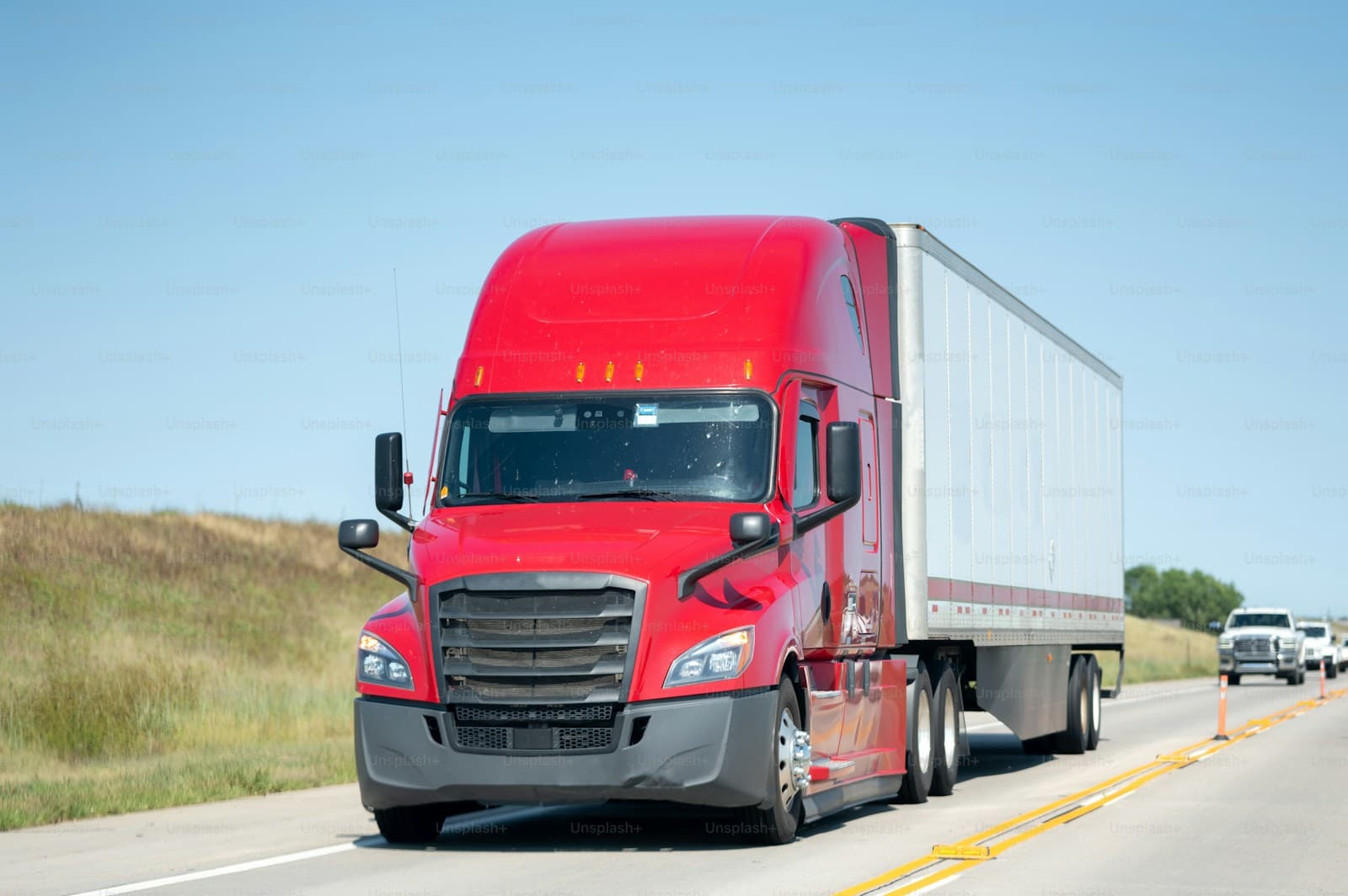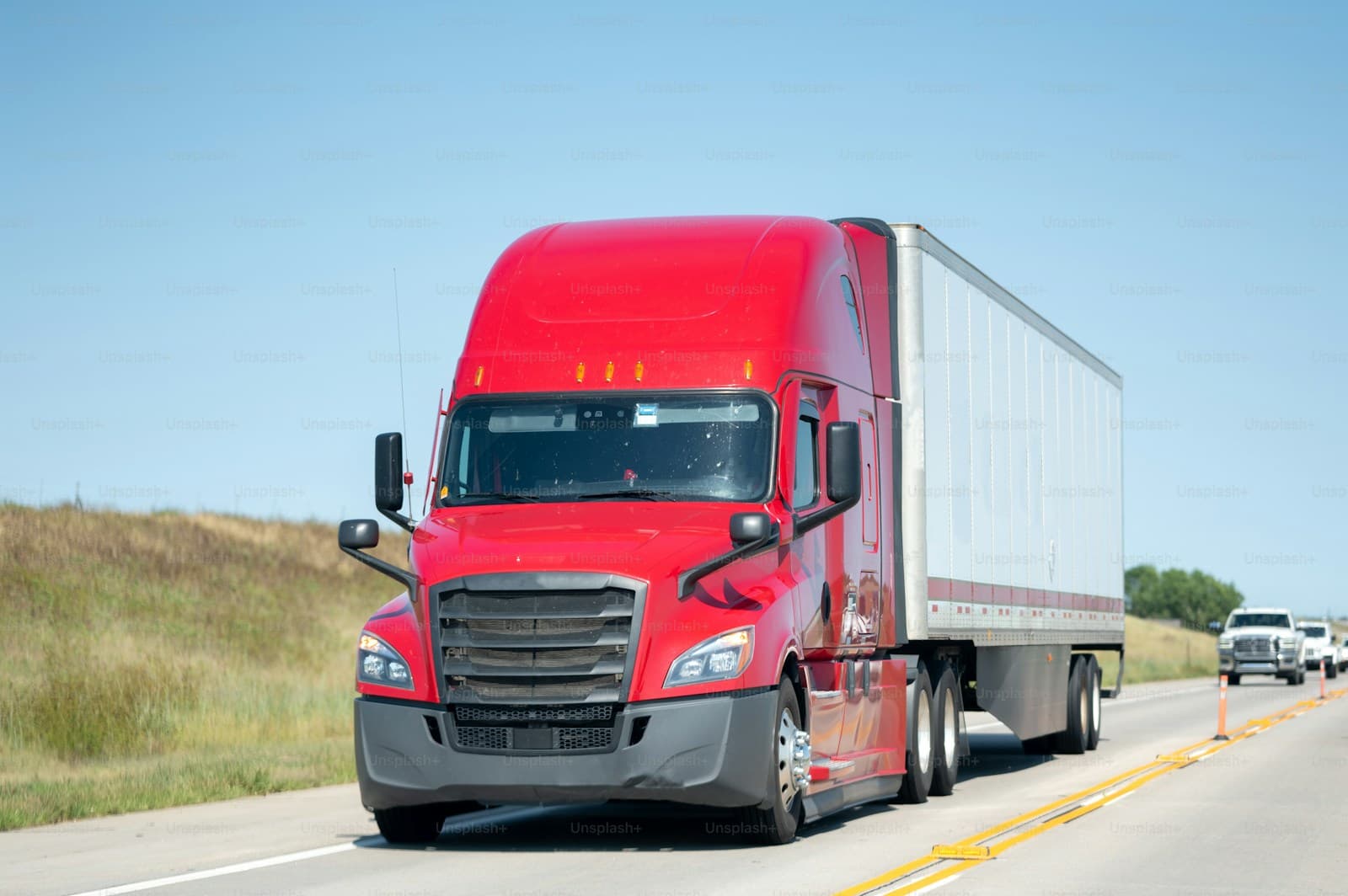
Your state's work-permit program allows you to drive to and from your CDL job during suspension — but you cannot operate a commercial vehicle once you get there. Most CDL holders miss this restriction until their employer rejects the permit documentation.
The Work Permit Covers Your Personal Vehicle Only
Your state's employment driving permit allows you to drive yourself to and from work in a personal vehicle during the hours your employer documents. It does not restore your commercial driving privilege. If your job requires operating a commercial motor vehicle — delivery truck, tractor-trailer, passenger bus, or any vehicle requiring CDL — the work permit does not authorize that driving.
Most states treat personal-vehicle hardship privileges and commercial driving privileges as separate licensing pathways. A suspension disqualifies you from operating a CMV regardless of whether you hold a work permit for personal commute purposes. Your employer cannot use your work permit as proof you are authorized to drive their commercial vehicles.
This separation exists because CDL standards are governed by federal regulation under 49 CFR Part 383, which prohibits states from issuing restricted commercial licenses during most suspension periods. Your state can grant you personal driving relief without violating federal CMV safety rules only if the two privileges remain distinct.
What Your Employer Needs to Understand About the Permit
When you present your work permit to HR or your supervisor, clarify in writing that it authorizes personal vehicle operation only — commute to the job site, parking lot to parking lot, during the approved hours. It does not authorize you to drive company trucks, delivery vans, buses, or any vehicle requiring CDL once you arrive at work.
Many employers assume a work permit restores all job-related driving. If your role involves any CMV operation, your employer must reassign you to non-driving duties or place you on leave until your full license is reinstated. Most companies cannot accommodate this arrangement for CDL-required positions, which means the work permit protects your commute but may not protect your job.
Some employers require a letter from the court or DMV explicitly stating the scope of your driving privilege. Request this documentation when your work permit is issued. The approval order should specify: personal vehicle only, approved routes, approved hours, and exclusion of commercial vehicle operation.
Compare car insurance rates in your state
Get quotes from licensed carriers — no obligation, no spam, results in minutes.
Get Your Free Quote✓ No Obligation Required✓ Licensed Carriers Only✓ Available Nationwide✓ Free to Compare
When Your CDL Suspension Runs Longer Than Your Personal Suspension
In most states, a DUI or other disqualifying violation triggers both a personal driver's license suspension and a separate CDL disqualification period. The CDL disqualification frequently runs longer than the personal suspension. You may be eligible for a work permit for personal driving after 30 or 60 days, but your CDL disqualification may extend 1 year, 3 years, or permanently depending on the violation and prior CDL history.
Your work permit eligibility timeline is tied to your personal suspension, not your CDL disqualification. If your state allows work permits after 30 days of a first-offense DUI suspension, you can apply for personal-vehicle commute relief at that 30-day mark — but your CMV disqualification continues separately under federal CDL rules. This means you can drive yourself to work in your personal car, but you cannot drive a commercial vehicle for months or years afterward.
Check your state's CDL disqualification schedule carefully. Federal minimum disqualifications are 1 year for a first DUI in a CMV, 3 years if transporting hazmat, and lifetime for a second DUI. Some states impose longer disqualifications. The work permit does not shorten or override these timelines.
Insurance Requirements for Personal-Vehicle Work Permits
Your work permit approval requires continuous liability insurance on the vehicle you will drive during the restriction period. Most states require SR-22 or FR-44 filing from your insurer to document this coverage. If your suspension was caused by DUI, reckless driving, uninsured operation, or accumulation of points, SR-22 filing is typically mandatory before the court or DMV will issue your work permit.
The SR-22 filing applies to your personal vehicle only. Your employer's commercial vehicle insurance covers their fleet — your SR-22 does not interact with their coverage and does not authorize you to drive their vehicles. If you do not own a vehicle and will borrow or rent a car for your commute, you need non-owner SR-22 coverage, which provides the required liability protection and filing without insuring a specific vehicle.
Premium costs for SR-22 coverage during a work-permit period vary by state, violation, and carrier. Drivers with DUI suspensions in high-cost states like Michigan or California typically pay $180 to $300 per month for liability-only SR-22 coverage. Non-owner SR-22 policies cost less — approximately $60 to $120 per month — because they exclude collision and comprehensive risk. The SR-22 filing fee itself is $15 to $50 depending on the carrier and state.
What Happens If You Drive a CMV on a Work Permit
Operating a commercial motor vehicle while your CDL is disqualified is a criminal offense in most states, separate from violating the terms of your work permit. If stopped in a CMV during your disqualification period, you face charges for driving while disqualified, potential vehicle impoundment, employer liability, and immediate revocation of your work permit.
Your employer may also face penalties. Federal Motor Carrier Safety Administration regulations prohibit carriers from allowing disqualified drivers to operate CMVs. If your employer knew or should have known about your disqualification and allowed you to drive anyway, they risk civil penalties and disqualification from federal DOT programs.
Work permit violation typically results in immediate revocation of the permit, extension of your underlying suspension, and in some states, criminal charges for violating a court order. A single violation can convert a 6-month suspension into a multi-year revocation with no hardship relief available during the extended period.
Reinstating Your Full CDL After the Disqualification Ends
Once your CDL disqualification period expires, you must apply for reinstatement separately from your personal driver's license reinstatement. Most states require you to retake the CDL knowledge test, the skills test, or both depending on how long your disqualification lasted. If your disqualification exceeded 1 year, you typically must start the CDL application process from the beginning, including new medical certification.
You must also satisfy all personal license reinstatement requirements first. If your personal suspension required completion of DUI education, payment of reinstatement fees, proof of SR-22 filing, or ignition interlock installation, those conditions must be met before the state will process your CDL reinstatement application. The CDL is an endorsement on your personal license — you cannot hold a valid CDL without a valid underlying driver's license.
Reinstatement fees for CDL typically stack on top of personal license reinstatement fees. Expect to pay $50 to $200 for personal license reinstatement, $40 to $100 for CDL reinstatement, and testing fees if retesting is required. If your disqualification was DUI-related and you drive a CMV requiring hazmat endorsement, the hazmat disqualification period is longer and requires TSA clearance before reapplication.