California Restricted License Blocks Work Driving Until SR-22 and IID Are Active
You applied for California's restricted license expecting to drive to work within days. DMV told you the application fee is $125 and processing takes 5-10 business days. What they didn't tell you: your restricted license approval is blocked until your SR-22 filing is active and your ignition interlock device (IID) is installed and verified with DMV. For DUI-triggered suspensions—the most common entry to work-permit need—both requirements are mandatory before you can legally use the restricted license. Most applicants don't realize they need both pieces in place at application, creating a 2-3 week delay when they expected a 5-day turnaround.
California calls this a restricted license, not a hardship or occupational license. The name reflects the program's structural reality: you can drive to and from work, to and from your DUI treatment program if applicable, and within the scope of your employment if your job requires driving. Routes are not court-defined, but DMV expects your employer to verify your work address and typical commute path. If you're caught driving outside those approved purposes—grocery runs, picking up kids from school, social errands—your restricted license is revoked immediately and you restart the full suspension period with no second chance at work driving.
Compare car insurance rates in your state
Get quotes from licensed carriers — no obligation, no spam, results in minutes.
Get Your Free QuoteCalifornia Restricted License Application Fee
$125
DMV collects this fee at application whether you're approved or denied. It does not include SR-22 filing fees (typically $25-$50 from your carrier) or IID installation costs (typically $70-$150 setup plus $60-$90/month lease). The total upfront cost to activate a restricted license for DUI cases typically exceeds $1,400 in the first 90 days.
California DMV fee schedule, Vehicle Code §14904
SR-22 Filing Must Be Active Before DMV Approves Your Restricted License
California requires an SR-22 certificate of insurance filing for reinstatement after DUI suspensions and negligent operator (points accumulation) suspensions. The SR-22 is not insurance—it's a compliance document your carrier files electronically with DMV proving you carry liability coverage that meets California's minimum limits: $15,000 per person, $30,000 per accident for bodily injury, and $5,000 for property damage. DMV will not approve your restricted license application until the SR-22 filing appears in their system, typically 1-3 business days after your carrier submits it.
You can obtain SR-22 filing from your current carrier if they write high-risk policies in California (most standard carriers do not), or from a non-standard carrier that specializes in post-violation coverage. Carriers writing SR-22 in California include Geico, Progressive, State Farm (selective), Bristol West, Dairyland, The General, National General, Infinity, and Acceptance. Non-owner SR-22 policies exist for drivers who don't own a vehicle but need to prove financial responsibility to DMV—these typically cost $30-$60/month in California for minimum liability limits. If you own a vehicle, you need a standard auto policy with SR-22 endorsement; premiums vary widely by age, county, and violation history but typically start around $150-$250/month for minimum coverage post-DUI.
The SR-22 filing must remain active for 3 years from your reinstatement date for DUI-triggered restricted licenses. If your carrier cancels your policy or you let it lapse for nonpayment, the carrier electronically notifies DMV within 24 hours and your restricted license is suspended immediately. You restart the full suspension period with no grace period and no second restricted license opportunity in most cases.
California suspended your license, but your insurance carrier determines whether you can afford to keep it—SR-22 lapse triggers automatic re-suspension with no DMV hearing.
Ignition Interlock Device Installation Required for DUI-Triggered Restricted Licenses
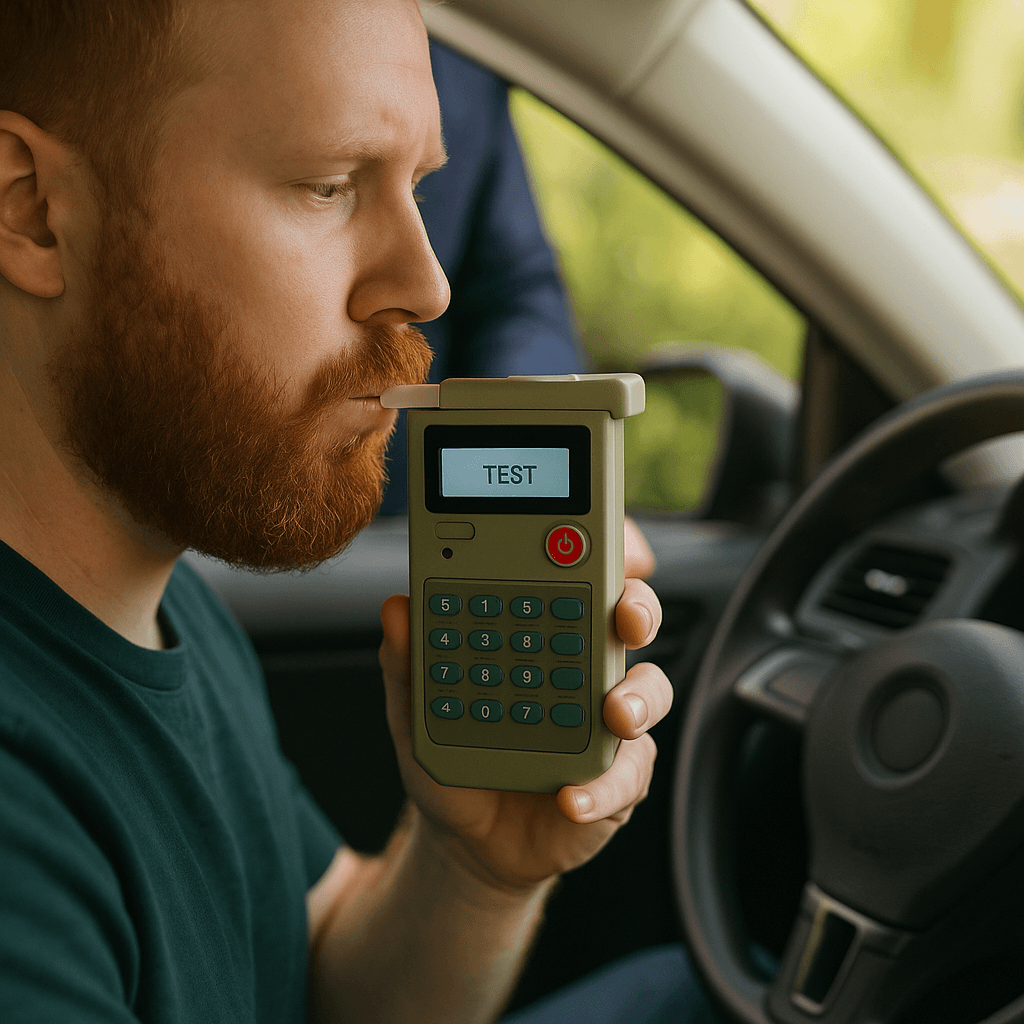
The IID requirement works like this: after a DUI arrest, you face an administrative per se (APS) suspension triggered by DMV (separate from any court conviction). Under the current program, you can bypass the 30-day hard suspension entirely by installing an IID immediately and applying for a restricted license. DMV will not approve the restricted license until the IID vendor electronically reports the installation to DMV and your device passes its initial calibration check. Installation typically costs $70-$150 upfront, plus $60-$90/month lease fees and periodic calibration visits every 30-60 days at $20-$40 per visit.
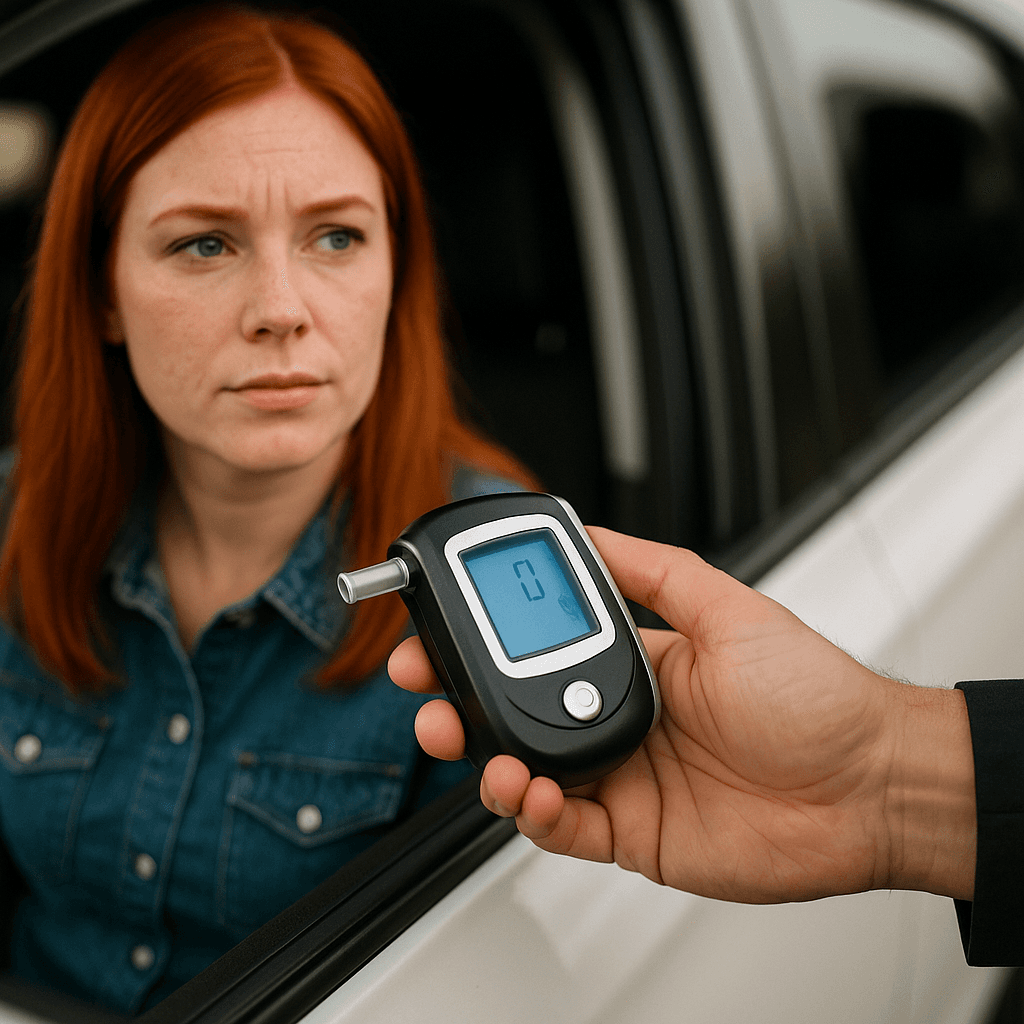
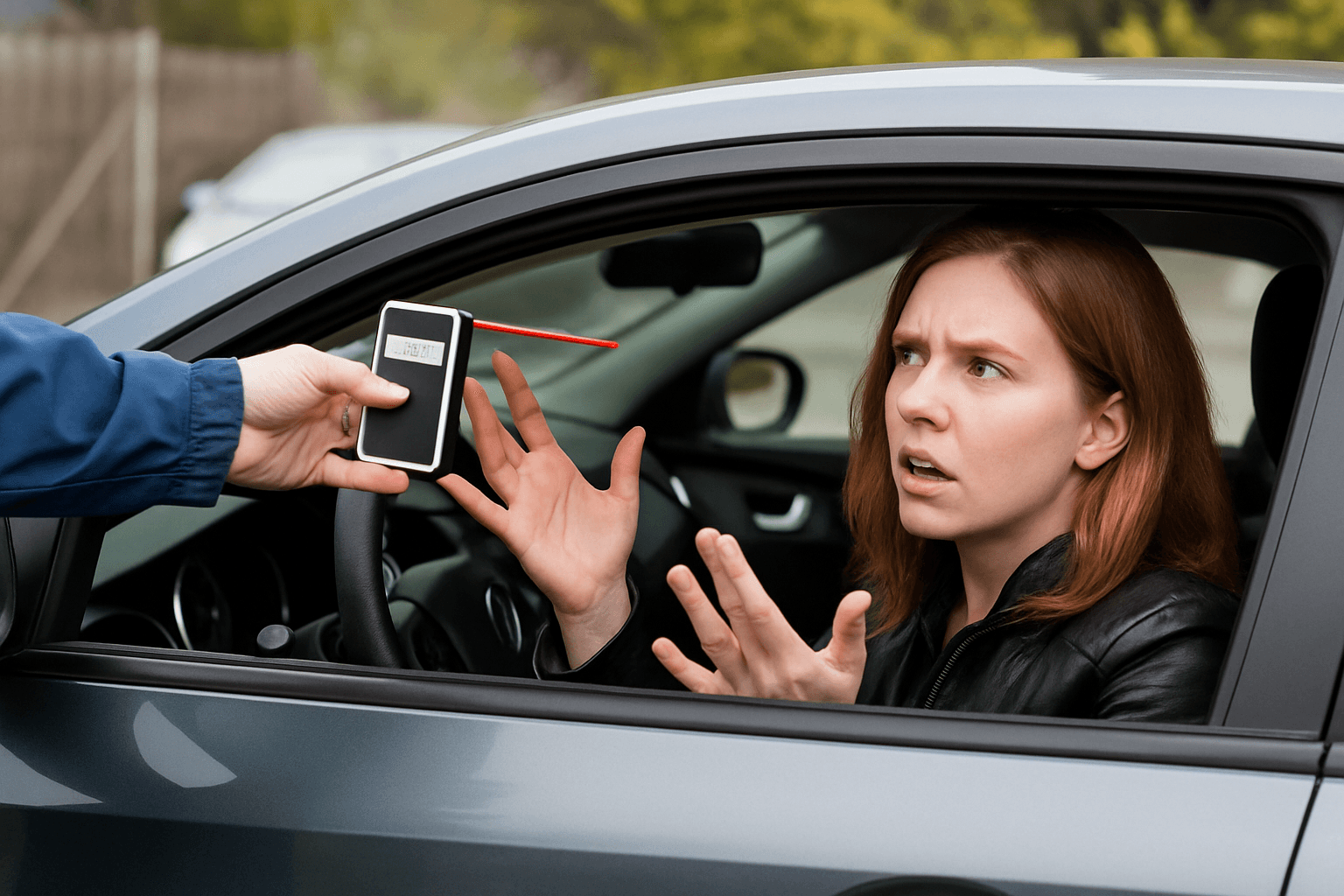
The IID monitors every engine start. If it detects alcohol on your breath above the programmed threshold (typically 0.02% BAC in California), the vehicle will not start. The device logs every test—passed, failed, skipped, and tampered—and uploads the data to DMV at each calibration visit. If you accumulate violations (failed starts, missed calibration appointments, tampering attempts), DMV extends your IID requirement period or revokes your restricted license. For first-offense DUI restricted licenses, the IID requirement lasts 12 months minimum. Second and subsequent offenses require longer periods, often 2-3 years depending on offense count.
Related Articles



Employer Verification Letter and Route Documentation Required
California's restricted license application requires proof of your work-driving need. DMV expects an employer verification letter on company letterhead confirming your job title, work address, typical work hours, and whether your job requires driving during work (not just commuting to and from work). The letter must be signed by a supervisor or HR representative. If you're self-employed or a 1099 contractor, you'll need to provide business registration documents, client contracts, or other proof that your livelihood depends on driving.
Routes are not formally mapped by DMV or a judge, but the restricted license limits you to driving to and from work, to and from your DUI treatment program (if applicable), and within the scope of your employment if your job involves driving. If your job is delivery, sales, service calls, or other route-based work, the employer letter should describe the geographic scope of your work territory. DMV does not pre-approve specific streets or highways, but law enforcement will ask where you were going and whether that trip fits approved purposes if you're stopped while holding a restricted license.
CDL holders face a structural complication: California's restricted license does not permit commercial vehicle operation, even for the job you're commuting to. If you hold a commercial driver's license and your job requires driving a commercial vehicle, the restricted license will not solve your employment problem. You can drive your personal vehicle to and from work, but you cannot operate the commercial vehicle itself under restricted license authority. Most employers will not retain CDL drivers who cannot perform the core job function, meaning the restricted license protects your commute but not your employment in most CDL cases.
California SR-22 Filing Duration
3 years
SR-22 must remain active for 3 years from reinstatement date for DUI-related restricted licenses. The clock starts when DMV reinstates your license, not when you first file SR-22 or apply for the restricted license. Any lapse in coverage during the 3-year period triggers immediate suspension and restarts the full compliance timeline.
California Vehicle Code §16070, §13353
Restricted License Does Not Cover Childcare, Groceries, or Personal Errands
California's restricted license is narrower than Texas's occupational license or Florida's business purposes only license. You can drive to and from work, to and from your DUI program, and during work hours if your job requires driving. You cannot drive to pick up kids from school, take them to daycare, run grocery errands, attend medical appointments, or handle any personal business outside the approved purposes. If you're stopped during a time or on a route that doesn't fit work or DUI program travel, the officer will verify your explanation against your employer letter and program schedule. Inconsistent explanations result in a citation, and the citation triggers restricted license revocation.
Some applicants attempt to frame childcare or medical appointments as 'essential household duties' on their application, hoping DMV will approve broader purposes. California DMV does not recognize household duties as an approved purpose for restricted licenses. If you need to drive for purposes beyond work commute and DUI program, you do not qualify for California's restricted license program and must wait out the full suspension period before applying for full reinstatement.
Compare Carriers and Lock SR-22 Filing Before Submitting Your DMV Application
The restricted license application timeline depends on how quickly you complete the SR-22 and IID setup. DMV will not begin processing your application until both are active in their system. Most applicants waste 1-2 weeks trying to add SR-22 to their current policy only to learn their carrier doesn't write high-risk policies in California, then scramble to find a non-standard carrier that will quote them. Start the carrier search before you visit DMV. Contact at least three carriers that write SR-22 in California: Bristol West, Dairyland, Progressive, Geico, The General, or Acceptance. Get quotes for both owned-vehicle policies (if you own a car) and non-owner policies (if you don't). Verify the carrier will file SR-22 electronically with DMV within 24-48 hours of binding coverage—some regional carriers still use paper filings that delay DMV processing by a week.
Once you've selected a carrier and bound coverage, confirm the SR-22 filing appears in DMV's system before scheduling your IID installation appointment. Most IID vendors require proof of insurance before installation. The vendor electronically reports the installation to DMV within 1-2 business days. Once DMV shows both the SR-22 filing and IID installation in your record, submit your restricted license application with your employer verification letter and $125 fee. Processing takes 5-10 business days if all documentation is complete. You'll receive a paper temporary restricted license by mail, followed by the permanent card 2-3 weeks later. Your SR-22 carrier, IID compliance, and restricted license approval must all remain active simultaneously for the entire restricted period—typically 12 months for first-offense DUI cases, longer for repeat offenses.