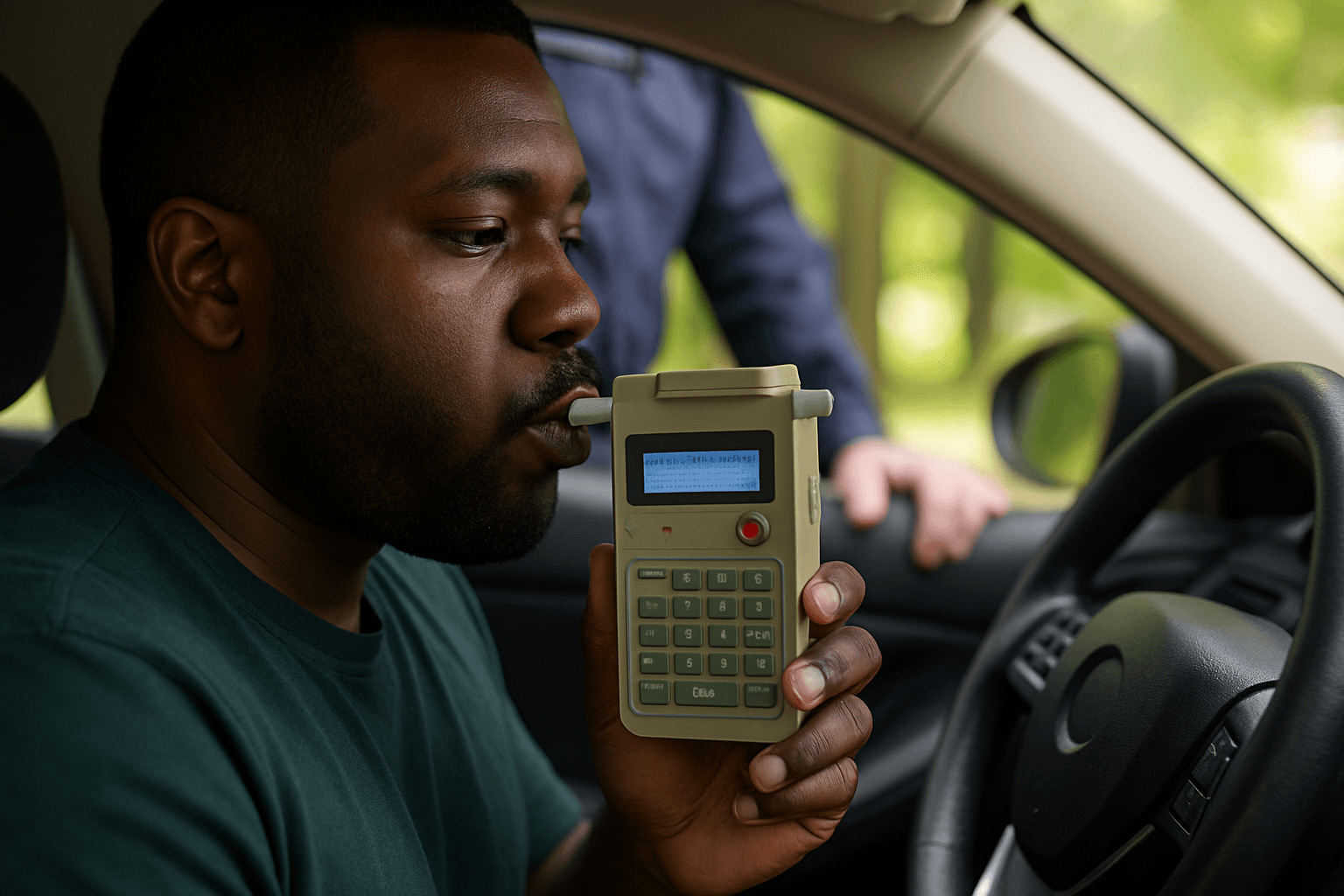
New Mexico calls it a Restricted License, not a hardship license. You petition the court, not the MVD, and ignition interlock is required for most work-driving cases including DUI and points-based suspensions.
New Mexico Restricted License Requires Court Approval, Not MVD Application
You file your work-driving petition with the court that has jurisdiction over your suspension, not with the Motor Vehicle Division. New Mexico's Restricted License program operates differently from most states because MVD administers the physical license and interlock tracking, but the actual permission to drive during suspension flows from a court order. This dual-agency structure catches applicants who submit paperwork to MVD first and waste weeks before learning their petition should have gone to court.
The court petition must demonstrate your work-driving need, include employer verification documentation, and address the ignition interlock requirement if your suspension stems from DUI or certain other violations. NMSA 1978 § 66-5-33 grants courts the authority to issue restricted licenses, while NMSA 1978 §§ 66-5-503 to 66-5-523 governs the Ignition Interlock Licensing Act that applies to most work-restricted cases. The court will define your approved routes, hours, and purposes in the order.
MVD receives the court order and issues the physical restricted license, but MVD does not evaluate your eligibility or approve your petition. If you move counties during suspension, your original court order typically remains valid, but you must update MVD with your new address and confirm your approved routes still match your new commute. Some counties allow virtual hearings for out-of-state relocated drivers, but others require in-person appearance for modification petitions.
Ignition Interlock Required for DUI and Most Points-Based Work Licenses
New Mexico mandates ignition interlock for work-restricted driving in DUI cases under the Ignition Interlock Licensing Act, and courts typically extend the requirement to high-risk suspensions including points accumulation and reckless driving. First-offense DUI cases often face a six-month revocation period under NMSA § 66-8-111.1, but the Interlock License program allows limited driving during most of that window once the device is installed and the court approves your petition.
You must install the IID with a certified provider before your court hearing in most counties. The court order will specify whether interlock is required, but coming to the hearing with the device already installed strengthens your petition by demonstrating financial commitment and compliance readiness. Installation costs typically run $75 to $150, with monthly monitoring and calibration fees of $60 to $90. The court can deny your petition if you show up without an installed device and the judge deems interlock mandatory for your case.
Violating interlock terms during the restricted license period triggers automatic revocation without additional court process in most cases. Missed calibration appointments, failed startup tests, and tampering alerts all flow from the IID provider to MVD electronically through New Mexico's compliance tracking system. Your restricted license ends the day MVD receives a violation report, and reinstatement after IID-related revocation typically requires a new court petition with a longer waiting period.
Compare car insurance rates in your state
Get quotes from licensed carriers — no obligation, no spam, results in minutes.
Get Your Free Quote✓ No Obligation Required✓ Licensed Carriers Only✓ Available Nationwide✓ Free to Compare
Employer Verification Letter Must Detail Routes and Hours
New Mexico courts require employer documentation that goes beyond a simple confirmation-of-employment letter. Your employer must provide a detailed statement listing your work address, shift hours, days worked per week, and a description of job duties that require driving if your petition includes work-related travel beyond the commute. Generic HR letters stating "This employee works here" get denied routinely because the court cannot define approved hours and routes without specific data.
The employer letter should specify whether your job requires driving during work hours, not just to and from the worksite. Delivery drivers, home health aides, service technicians, and sales representatives need broader route approval than office workers with fixed commutes. The court will restrict your approved purposes to what the employer letter documents, so inaccurate or vague letters leave you unable to perform your actual job duties even with a restricted license in hand.
Some employers refuse to provide detailed verification letters due to liability concerns about retaining drivers with suspended licenses. New Mexico law does not require employers to participate in the restricted license process, and at-will employment means they can terminate you for the suspension itself. If your employer will not provide a verification letter, your court petition will fail regardless of how legitimate your work need is. Commission-based and gig workers face additional difficulty because courts prefer traditional employer relationships with fixed schedules over independent contractor arrangements.
Court-Defined Routes and Hours Are Strictly Enforced
Your restricted license order will specify approved purposes, typically limited to work commute, employment-related travel during work hours, medical appointments, and DUI education classes if required. The court defines the geographic boundaries and time windows for each purpose. Driving outside those parameters is unlicensed operation and triggers immediate revocation plus additional criminal charges in most cases.
New Mexico law enforcement can verify restricted license terms through MVD records during traffic stops. Officers will check whether your current location and time match your approved purposes, and the burden is on you to demonstrate compliance. Carrying a copy of your court order in the vehicle is not legally required but avoids confusion during stops. Some courts issue orders with deliberately vague route descriptions, which creates enforcement problems later when an officer interprets "direct route to work" differently than you do.
The most common violation is driving for personal errands on the way home from work. Stopping for groceries, picking up children from school, or detouring to a friend's house all fall outside work-commute purposes unless your court order explicitly lists household duties as an approved purpose. Texas allows household duties as a standard approved purpose under its Occupational License program, but New Mexico courts rarely grant that breadth. Your order controls what you can do, not what other states allow.
SR-22 Filing Required Before License Issuance for Most Suspensions
DUI, reckless driving, and uninsured motorist suspensions require SR-22 certificate of financial responsibility filing as a condition of restricted license eligibility. Your insurance carrier files the SR-22 form electronically with MVD, and you must maintain continuous coverage throughout the suspension period and often for years afterward. New Mexico's Mandatory Insurance Continuous Coverage (MICC) program under NMSA 1978 § 66-5-205 through § 66-5-239 monitors SR-22 status in real time.
If your carrier cancels your policy or you let coverage lapse during the SR-22 period, MVD receives electronic notification within days and your restricted license is suspended immediately. Reinstatement after an SR-22 lapse requires proof of new coverage, a new SR-22 filing, and payment of reinstatement fees that typically start at $25 but increase for repeat violations. The SR-22 filing period usually runs three years from the date of conviction, not from the date your full license is reinstated.
Premium increases for SR-22 filings in New Mexico typically range from 30% to 80% depending on your violation type and driving history. Estimates based on available industry data show DUI-related SR-22 policies averaging $140 to $240 per month for state minimum liability coverage. Non-owner SR-22 policies cost less if you do not own a vehicle but still need legal driving status. Carriers writing high-risk coverage in New Mexico include Bristol West, Dairyland, GAINSCO, Geico, National General, Progressive, State Farm, and The General.
Processing Timeline From Petition to License Typically Takes 45 to 60 Days
Court hearing schedules vary by county, but most New Mexico district courts calendar restricted license petitions within 30 to 45 days of filing. You must file your petition with the clerk of the court that handled your underlying case, pay the filing fee, and wait for a hearing date. Some counties allow expedited hearings for employment hardship cases if you can document imminent job loss, but expedited processing is not guaranteed.
After the court approves your petition, the signed order goes to MVD for license issuance. MVD processing adds another 10 to 15 days for the physical restricted license card to arrive by mail. You cannot legally drive on the court order alone before MVD issues the physical license, even though the order grants permission. This gap catches drivers who assume court approval equals immediate driving eligibility.
Total timeline from petition filing to license in hand typically runs 45 to 60 days if no complications arise. Incomplete petitions, missing employer documentation, or unresolved fines and fees extend that window. If you have unpaid tickets or child support arrears, MVD will not issue the restricted license even with a valid court order until those debts are resolved. New Mexico law allows administrative holds that block license issuance independent of the court process.
CDL Holders Cannot Use Personal Restricted Licenses for Commercial Driving
New Mexico restricted licenses authorize personal-vehicle operation only. If your job requires a commercial driver's license, the work-restricted license does not permit you to drive commercial vehicles even for the employment purposes listed in your court order. Federal Motor Carrier Safety Administration regulations prohibit states from issuing restricted CDLs for most disqualifying offenses, and New Mexico follows federal guidelines.
This creates an impossible situation for CDL holders whose only job is commercial driving. Your court order may authorize driving to and from work, but if your job is driving a semi-truck or bus, you cannot perform the work itself. Some CDL holders use the restricted license to commute to a warehouse or dispatch office in a personal vehicle, then work non-driving warehouse shifts until their full CDL is reinstated. Others must find non-CDL employment during the suspension period.
DUI convictions trigger federal CDL disqualification periods that run longer than state restricted license programs. A first-offense DUI in a personal vehicle disqualifies you from commercial driving for one year under federal law, and no state-level restricted license overrides that federal bar. If you were convicted of DUI in a commercial vehicle, the disqualification period extends to three years, and restricted licenses do not apply.