Minnesota's court-ordered Limited License requires SR-22 filing, ignition interlock installation, and a DWI knowledge test before you can drive to work again. Most drivers don't budget for the stacked costs that come before the first legal commute.
What Minnesota's Limited License Actually Costs Before You Drive
Minnesota's Limited License is a court-ordered restricted driving privilege under Minn. Stat. § 171.30, not a DMV administrative program. You petition the district court, not the Department of Public Safety Driver and Vehicle Services. The court decides whether to grant your petition based on your documented work need, your driving history, and whether you meet all filing requirements. Most drivers budget for the petition itself but miss the upstream costs that must be paid before the court will even consider your case.
The filing stack breaks into four mandatory layers. First: SR-22 certificate of financial responsibility, filed by your insurer with DVS before you petition the court. Second: ignition interlock device installation if your revocation stems from DWI—required under Minnesota's Ignition Interlock Program per Minn. Stat. § 171.306. Third: chemical use assessment and any recommended treatment completion for DWI cases. Fourth: the court petition itself, filed in the district court where your revocation was ordered or where you reside.
The Limited License does not restore your full driving privilege. It allows driving only for court-approved purposes during court-specified hours on court-defined routes. Violating any restriction triggers immediate revocation and a new charge for driving after revocation. The employment-hardship framing most drivers use in their petition is just one of several approved purposes—school, medical treatment, chemical dependency program attendance, and court-ordered obligations are also eligible. But the court defines your specific approved purposes in the order granting the Limited License, and those become the legal boundaries of every drive you make.
SR-22 Filing Requirement and Premium Impact for Limited License
Minnesota requires SR-22 certificates for DWI revocations and certain uninsured-driving cases. You cannot petition for a Limited License without an active SR-22 on file with DVS. The SR-22 is not insurance—it's a financial responsibility certification filed electronically by your insurer confirming you carry at least Minnesota's minimum liability coverage: $30,000 bodily injury per person, $60,000 per accident, $10,000 property damage, plus PIP and uninsured motorist coverage as required by Minnesota's no-fault law.
SR-22 filing fees range from $25 to $50, paid once at policy inception. The real cost is the premium increase. High-risk carriers writing Minnesota suspended-license drivers typically quote $140 to $240 per month for minimum liability plus SR-22, compared to $85 to $140 per month for clean-record drivers. Your actual premium depends on your revocation cause, age, county, and whether you own a vehicle. Non-owner SR-22 policies for drivers without a registered vehicle cost approximately $40 to $80 per month.
SR-22 must remain active for the duration of your Limited License period and typically for three years post-reinstatement for DWI cases. Letting your policy lapse triggers automatic SR-22 cancellation notice to DVS, which revokes your Limited License immediately and adds new suspension time. Most carriers require six months of paid premiums upfront for SR-22 policies—budget $700 to $1,400 before you drive.
Compare car insurance rates in your state
Get quotes from licensed carriers — no obligation, no spam, results in minutes.
Get Your Free Quote✓ No Obligation Required✓ Licensed Carriers Only✓ Available Nationwide✓ Free to Compare
Ignition Interlock Installation and Monthly Monitoring Costs
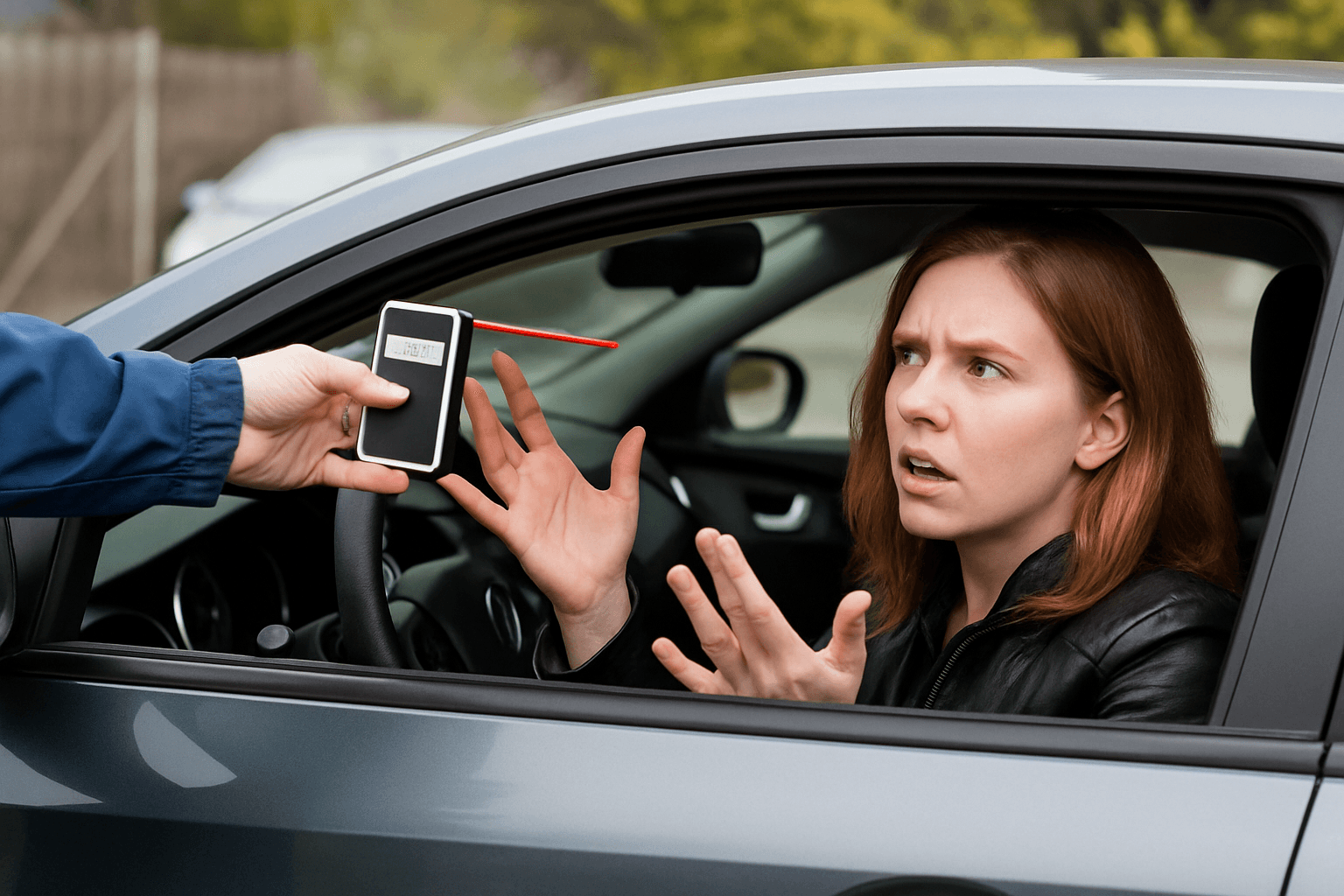
DWI-related revocations require ignition interlock device installation before the court will grant a Limited License. Minnesota's IID requirement under Minn. Stat. § 171.306 applies to first-offense DWI revocations after the mandatory 15-day hard suspension period. The device measures breath alcohol content before the vehicle starts and requires periodic rolling retests while driving. Failing a test, skipping a retest, or attempting to tamper with the device generates a violation report sent directly to DVS and the court.
Installation costs run $75 to $150, paid to the IID provider. Monthly monitoring and calibration fees range from $75 to $125 per month. You must use a Minnesota-approved IID provider—Smart Start, Intoxalock, LifeSafer, and Guardian Interlock are the most common. The court order specifies the IID requirement duration, typically matching your Limited License period. A six-month Limited License with IID installation costs approximately $600 to $900 in monitoring fees alone, plus installation.
Violation reports reset your IID requirement clock. Missing a calibration appointment, registering a failed breath test, or driving a non-IID vehicle (even once) extends your IID period and may result in Limited License revocation. Most employers accept IID-equipped vehicles for work driving, but some refuse on liability grounds. Confirm with your employer before you petition—losing your job after paying for IID and SR-22 setup is the failure mode most drivers miss.
Court Petition Costs and Chemical Use Assessment Requirements
The court petition itself carries no statutory filing fee, but DWI-related petitions require a chemical use assessment before the court will grant your Limited License. The assessment is a clinical evaluation, not a defensive driving course, conducted by a Minnesota Department of Human Services-approved assessor. Assessment fees range from $150 to $300. If the assessment recommends treatment, you must complete that treatment and provide documentation to the court before your petition can proceed.
Most drivers hire an attorney to draft and file the petition, particularly for DWI cases where the court's discretion is broadest. Attorney fees for Limited License petitions range from $500 to $1,500 depending on case complexity and whether the petition is contested. Some drivers file pro se, using court forms available from the district court clerk or online. The petition must document your work need with an employer verification letter stating your job title, work hours, work address, and confirmation that you require driving to perform your duties or commute to the worksite.
The court petition must also include proof of SR-22 filing, proof of IID installation if required, chemical use assessment results, and a detailed statement of hardship explaining why denial of the Limited License would cause you undue hardship. Minnesota courts evaluate hardship narrowly—job loss, inability to attend DWI treatment, or inability to care for dependents qualify. General inconvenience does not. Judges deny petitions when the documented work need is vague, when the employer letter omits required details, or when the driver has outstanding fines or warrants.
DWI Knowledge Test and Reinstatement Fee After Limited License Period
Minnesota requires a DWI Knowledge Test for all drivers reinstating after DWI revocation. The test covers alcohol impairment law, BAC limits, implied consent, ignition interlock requirements, and penalties for repeat offenses. You cannot take the test until your revocation period ends, even if you held a Limited License during the revocation. The test is administered at DVS exam stations and costs $10. Failing requires retesting at $10 per attempt.
Reinstatement fees for DWI revocations are tiered: $680 for a first offense, $910 for a second offense, $1,230 for third or subsequent offenses per Minn. Stat. § 171.29 subd. 2. The base reinstatement fee of $30 applies only to non-DWI suspensions. You pay the reinstatement fee after your revocation period ends, not when the court grants your Limited License. The Limited License does not reduce your revocation period—it allows restricted driving during the period, not early termination.
SR-22 filing continues for three years post-reinstatement in most DWI cases. Budget for 36 months of elevated premiums even after your full driving privilege is restored. Total cost over the Limited License period and reinstatement: approximately $3,000 to $6,000 depending on IID duration, attorney fees, and premium tier. Most drivers financing this stack prioritize SR-22 setup and IID installation first—those are the gates to petitioning. Court costs and reinstatement fees come later but should be budgeted upfront to avoid stalling mid-process.
What Happens If You Drive Outside Approved Purposes or Hours
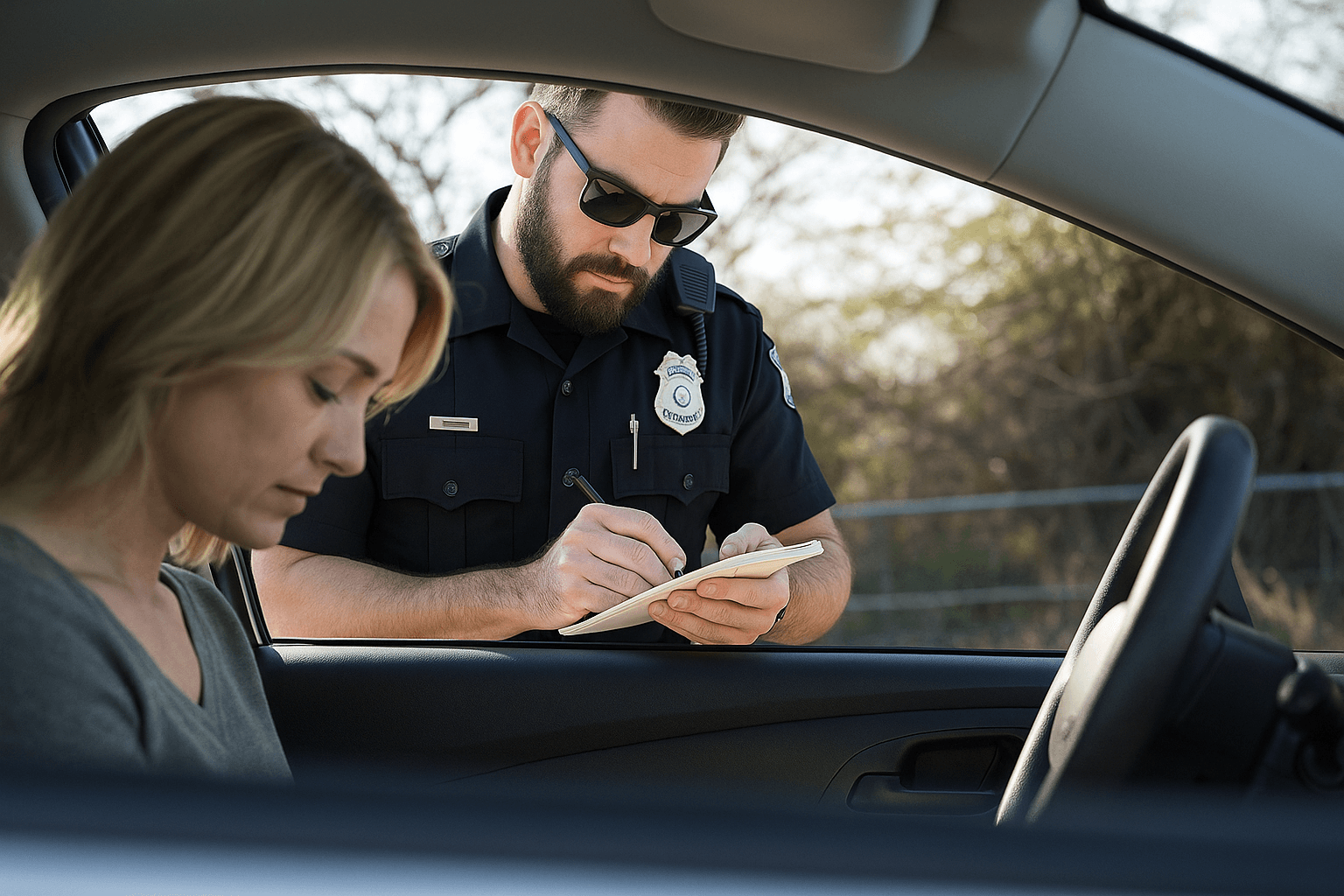
Minnesota's Limited License restricts driving to court-approved purposes during court-specified hours on court-defined routes. Driving outside those restrictions is driving after revocation, a misdemeanor under Minn. Stat. § 171.24, punishable by up to 90 days in jail and a $1,000 fine for a first offense. The court revokes your Limited License immediately upon conviction, and you lose eligibility to petition again until your original revocation period expires.
Most Limited License orders approve driving for employment, chemical dependency treatment, medical appointments, school, and household duties necessary to prevent undue hardship. The court specifies which purposes apply to your case in the written order. Driving to visit friends, run errands outside approved household duties, or take a non-emergency trip to a location not listed in your petition violates the order. Law enforcement officers can verify Limited License status and approved purposes via the state's driver record system during any traffic stop.
CDL holders face additional restrictions. Minnesota's Limited License does not authorize commercial vehicle operation, even if your job requires CDL driving. If you hold a CDL and petition for a Limited License to commute to a commercial driving job, you can drive your personal vehicle to the worksite but cannot operate the commercial vehicle itself. Employers requiring CDL operation typically cannot retain drivers under these conditions. Surface this with your employer before filing the petition—losing the job after paying SR-22, IID, and court costs is the scenario most drivers miss until the employer's HR department rejects the Limited License documentation.