Kentucky's hardship license goes through District Court, not the Transportation Cabinet. Most applicants miss the IID requirement and the separate SR-22 filing, both mandatory even after the petition is approved.
Why Kentucky's Hardship License Runs Through District Court Instead of the Transportation Cabinet
The court petition requires proof of hardship tied to work, school, or medical necessity. Employment records must show that losing driving privileges prevents you from performing your job. Medical necessity documentation must demonstrate that alternative transportation is unavailable or inadequate for treatment access. School enrollment alone is typically insufficient unless combined with employment or medical need.
Kentucky's court system does not publish a statewide hardship application form. Most District Courts require a written petition describing the hardship, the suspension reason, the requested driving privileges (hours and routes), and attached supporting documents. Some counties provide sample petition language; others expect petitioners or their attorneys to draft it from scratch.
If the court denies your petition, you cannot reapply until circumstances change materially or additional documentation becomes available. Denials most often result from insufficient hardship evidence or failure to satisfy the mandatory hard suspension period for DUI cases.
The Hard Suspension Period You Cannot Waive for DUI Cases
First-offense DUI under KRS 189A.010 requires a 30-day hard suspension before hardship eligibility begins. The court cannot waive this period. If you file your petition before the 30 days elapse, the court will deny it outright.
Second DUI offense within 10 years carries a 12-month suspension with a longer hard period before hardship becomes available. Third and subsequent offenses generally close the hardship pathway entirely—the suspension runs without restricted driving options.
This hard period does not count toward your total suspension. If you face a six-month suspension and serve 30 days hard, the remaining five months become eligible for hardship driving. The 30-day window starts from the conviction date, not the arrest date or license surrender date.
Compare car insurance rates in your state
Get quotes from licensed carriers — no obligation, no spam, results in minutes.
Get Your Free Quote✓ No Obligation Required✓ Licensed Carriers Only✓ Available Nationwide✓ Free to Compare
Kentucky's Ignition Interlock License as the Competing DUI Pathway
The hardship license remains relevant for DUI offenders who cannot afford IID costs upfront or whose work vehicles cannot accommodate interlock installation. If you drive a company vehicle or operate commercial equipment, the IIL pathway closes. The court-petition hardship license becomes your only option.
For non-DUI suspensions—points accumulation, uninsured driving, unpaid fines—the IIL is not available. These cases go through the traditional hardship petition process without the IID alternative.
What Court Costs, IID Installation, and SR-22 Filing Actually Add Up To
The Transportation Cabinet requires SR-22 maintenance for the full suspension period plus an additional filing period—typically three years from the conviction date for DUI cases. Even after your hardship license ends and full driving privileges are restored, you must maintain SR-22 filing until the three-year period expires. Letting SR-22 lapse triggers automatic license suspension, restarting the reinstatement process.
Adding court costs, IID, and SR-22 insurance together: a six-month hardship license with DUI-related IID and SR-22 requirements costs approximately $1,400 to $2,220 total. This excludes attorney fees if you hire representation for the court petition. Attorney fees for hardship petition representation typically range from $500 to $1,500 depending on case complexity and county.
Estimates based on available industry data; individual costs vary by county, service provider, driving history, and coverage selections.
What Documentation the Court Requires and How Employer Letters Must Be Structured
School enrollment documentation alone rarely satisfies hardship requirements unless combined with work or medical need. Courts expect proof that you cannot attend classes without personal vehicle access—this typically applies only to students in rural areas without campus housing and without public transit options.
Proof of SR-22 insurance must show the policy is active before the court hearing. Most District Courts reject petitions filed without current SR-22 on record. Purchase employment-hardship SR-22 insurance before filing your petition to avoid automatic denial.
All documents must be assembled and submitted with the petition. Missing documentation delays the hearing or results in denial. Courts do not typically allow supplemental document submission after the initial filing.
What Routes and Hours the Court Allows and What Happens If You Drive Outside Them
Violating route, time, or purpose restrictions results in immediate hardship license revocation and an additional charge for driving under suspension. The new suspension adds to your existing suspension period and closes the hardship pathway permanently in most cases. Courts do not grant second hardship petitions after revocation for restriction violations.
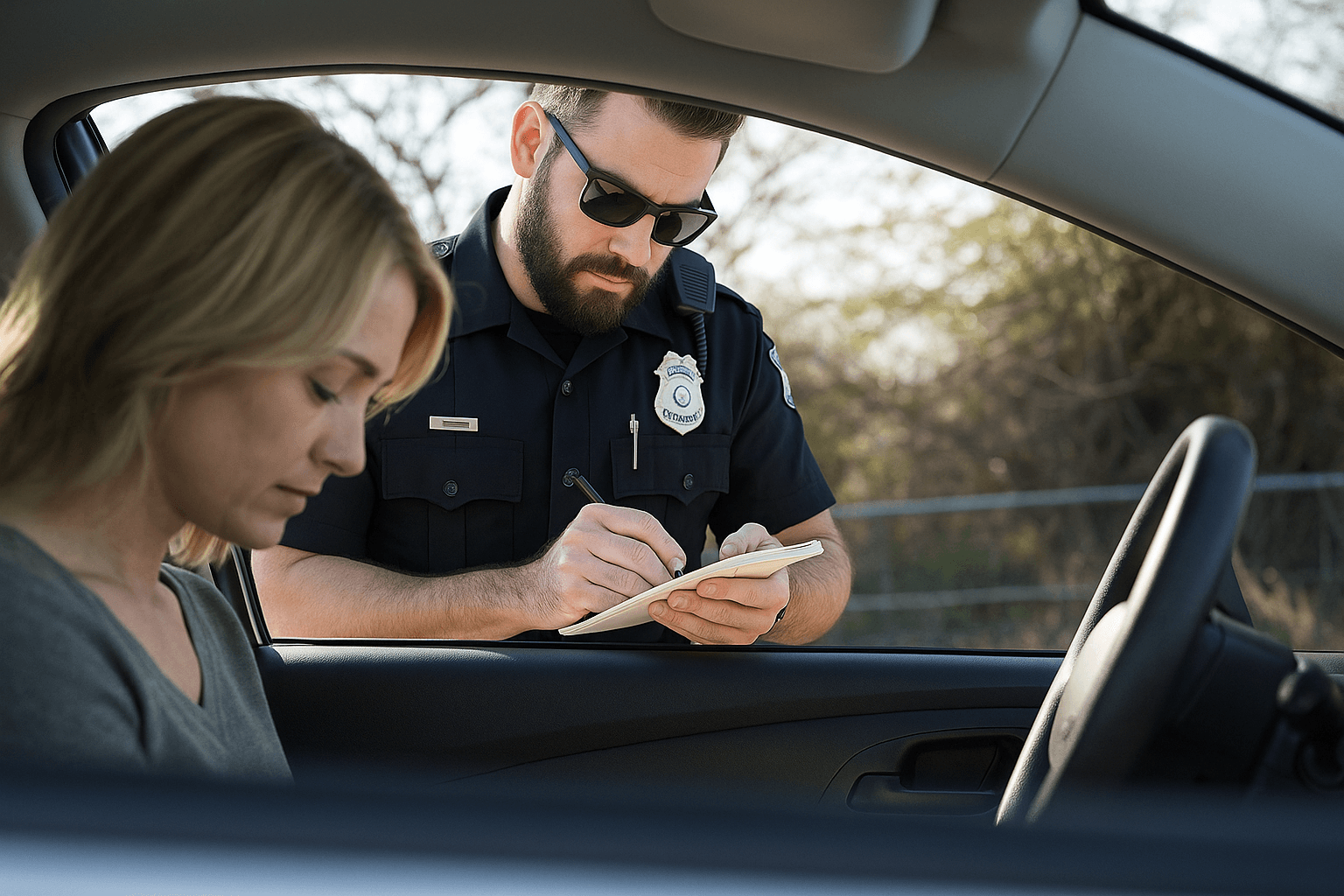
Police officers during traffic stops check hardship license restrictions against the stop time, location, and stated purpose. If you cannot demonstrate that your current trip falls within approved restrictions, you are arrested on the spot. The burden is on you to prove compliance, not on the officer to prove violation.
CDL holders face additional restrictions: hardship licenses do not cover commercial driving even if your job requires a commercial vehicle. If your employment verification letter states that you drive commercially, the court will deny the petition outright. Hardship licenses apply only to personal vehicle operation.
How to Find SR-22 Insurance That Covers Work-Restricted Driving
The SR-22 filing itself takes one to three business days after policy purchase. Carriers submit the certificate electronically to the Transportation Cabinet. You receive a paper copy for your records and for court submission. The filing must remain active for the entire suspension period plus the additional filing period—three years from conviction for DUI cases.
Letting SR-22 lapse for any reason triggers automatic suspension, even if your hardship license is still active. The Transportation Cabinet does not send warnings before suspension. The carrier reports the lapse electronically, and your driving privileges are revoked immediately. Reinstatement after SR-22 lapse requires paying the $40 reinstatement fee and refiling SR-22, and it closes the hardship license pathway until you refile a new court petition.
Most carriers allow monthly payment plans for SR-22 policies. Paying in full upfront is not required, but missed payments result in policy cancellation and immediate SR-22 lapse. Set up automatic payments to avoid accidental lapse.