West Virginia calls it a Restricted License, but the ATLP interlock requirement dominates the approval process for DUI-suspended drivers. Most applicants underestimate the employer documentation burden and the mandatory hard suspension window before you can even apply.
What West Virginia Actually Calls the Work-Driving License and Who Issues It
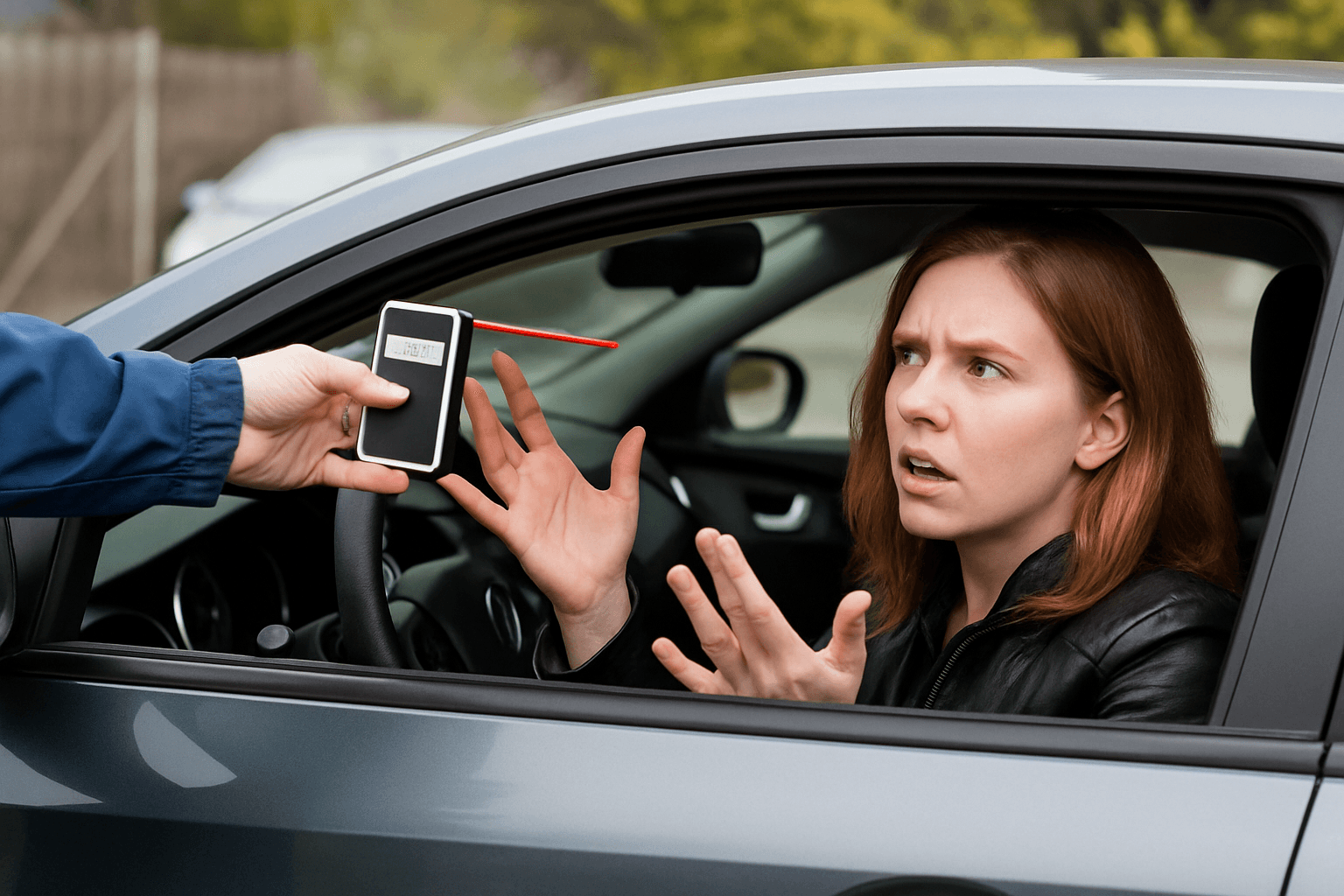
West Virginia's DMV issues a Restricted License for drivers who need employment-related driving privileges during a suspension period. The approval path runs through the West Virginia Division of Motor Vehicles, not the courts, though DUI-related restricted licenses require enrollment in the state's Alcohol Test and Lock Program (ATLP) before DMV will approve the application.
The ATLP is West Virginia's mandatory ignition interlock mechanism for DUI-suspended drivers. A first-offense DUI triggers approximately 15 days of hard suspension under WV Code §17C-5A-3 before you become eligible to apply for an interlock-equipped restricted license. That hard suspension window cannot be waived. Most applicants assume eligibility starts the day after conviction—it does not. The clock begins at conviction and the DMV will reject any application filed before the hard suspension period expires.
Points-based suspensions and uninsured motorist suspensions follow a different approval path. These triggers typically do not require ignition interlock, but SR-22 filing remains mandatory for most suspension types. The DMV restricted license application form, proof of employment documentation, and payment of applicable fees are required regardless of the underlying trigger.
Employer Documentation Requirements West Virginia DMV Actually Enforces
West Virginia requires proof of employment or medical necessity as part of every restricted license application. An employer verification letter is the standard form of proof. That letter must specify your job title, work address, days and hours worked per week, and a statement that driving is necessary to maintain employment.
The DMV does not provide a standard employer letter template, which creates inconsistency. Some county DMV offices accept a simple signed letter on company letterhead. Others require notarization or additional HR contact information for verification. Call your county DMV office before your employer drafts the letter to confirm local requirements—resubmitting after rejection adds weeks to the approval timeline.
Commission-based workers and gig economy drivers face the hardest documentation burden. West Virginia's restricted license statute contemplates traditional W-2 employment with fixed hours and a single worksite. Uber, DoorDash, and similar platform work does not fit cleanly into that framework. Some applicants have succeeded by framing platform work as self-employment and submitting IRS Schedule C documentation alongside a signed affidavit describing work necessity, but approval is inconsistent across counties. If your work does not fit a 9-to-5 model, consult an attorney before filing—DMV will not provide case-specific guidance on documentation.
Compare car insurance rates in your state
Get quotes from licensed carriers — no obligation, no spam, results in minutes.
Get Your Free Quote✓ No Obligation Required✓ Licensed Carriers Only✓ Available Nationwide✓ Free to Compare
What Routes and Hours West Virginia Restricted Licenses Actually Allow
West Virginia restricted licenses specify defined routes between home and work, medical appointments, or school. The DMV or court may specify permissible destinations when the license is issued. Most restricted licenses include a commute buffer—typically 30 minutes before and after your documented work shift—but that buffer is not automatic. It must be requested on the application and justified in your employer's verification letter.
Driving outside approved routes or hours is a separate criminal offense under West Virginia law. Officers do not issue warnings for restricted license violations. A single stop outside your approved window can trigger immediate license revocation, a new criminal charge, and elimination of restricted driving privileges for the remainder of your original suspension period.
CDL holders face an additional restriction most applicants miss: a restricted license issued for personal purposes does not authorize commercial vehicle operation, even if your CDL job is the reason you need the license. West Virginia law treats personal and commercial driving as separate license classes. If your job requires operating a commercial motor vehicle, a personal restricted license will not satisfy that need. Most employers will not allow a CDL driver to operate under a restricted personal license due to liability exposure.
The ATLP Interlock Requirement and How It Changes the Cost Stack
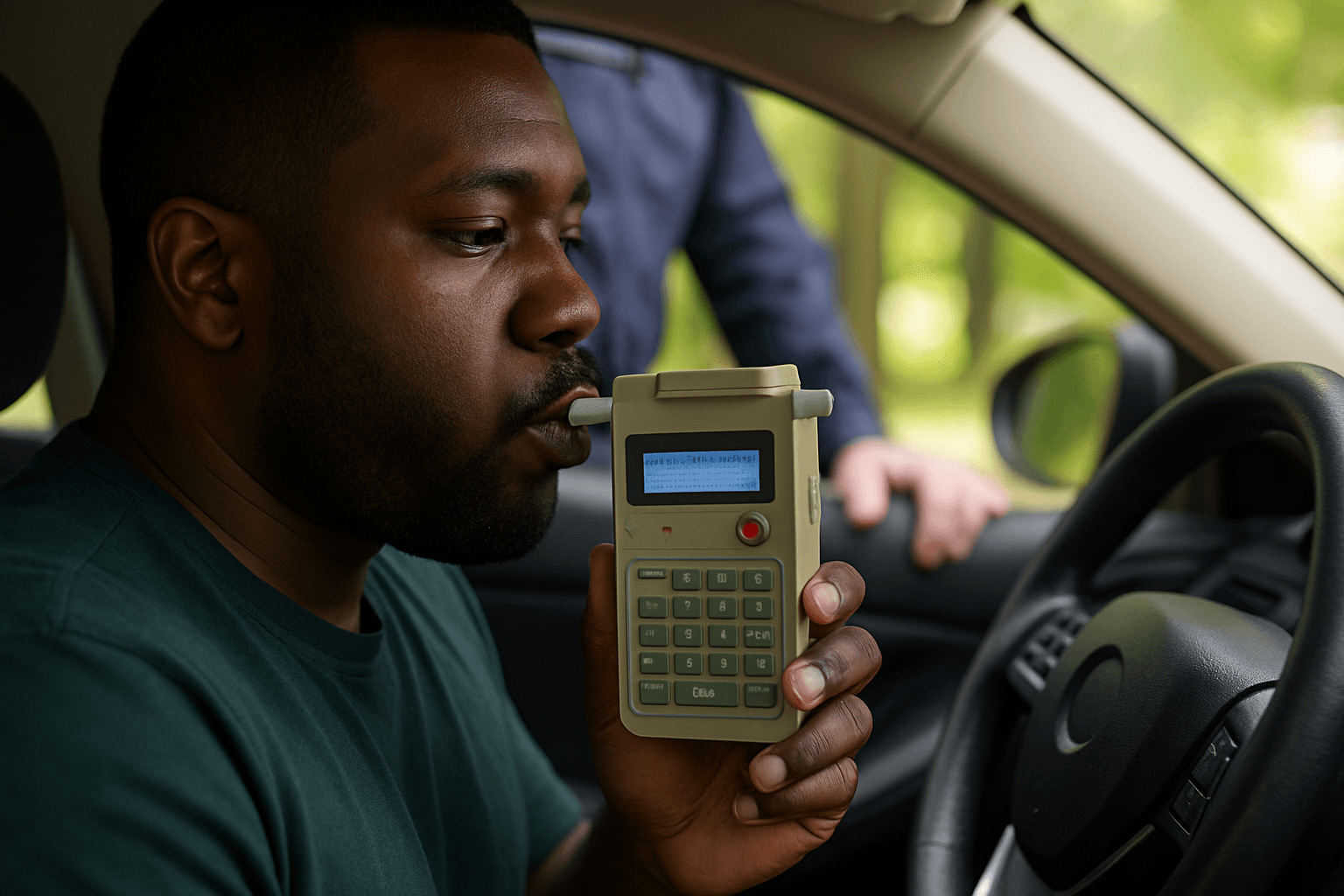
Every DUI-related restricted license in West Virginia requires participation in the state's Alcohol Test and Lock Program (ATLP). That means ignition interlock installation, monthly monitoring fees, and device calibration visits—typically $70-$100 installation, $60-$80 monthly monitoring, and $20-$30 per required calibration visit every 30-60 days.
The ATLP requirement is statutory under WV Code §17C-5A, not discretionary. Judges and DMV hearing officers cannot waive the interlock condition for DUI-suspended drivers seeking restricted privileges. The device must remain installed for the entire restricted license period, which may extend beyond the underlying suspension duration depending on offense count and compliance history.
SR-22 filing is required on top of the interlock costs. West Virginia mandates SR-22 for DUI revocations and uninsured motorist suspensions before any restricted or full license reinstatement. The SR-22 filing fee is typically $15-$50 depending on carrier, but the real cost is the premium increase. DUI-suspended drivers in West Virginia with SR-22 filing and interlock requirements typically see monthly premiums of $140-$210 for state minimum liability coverage. Non-owner SR-22 policies run slightly lower—$90-$150/month—but only cover you when driving vehicles you do not own, which limits employment options if your job requires a company vehicle.
What Happens If Your Restricted License Application Is Denied
West Virginia DMV denies restricted license applications when documentation is incomplete, when the hard suspension period has not been served, or when the applicant has unpaid fines or tickets tied to the underlying suspension. The denial notice will state the reason, but correcting the issue and reapplying adds 15-30 days to the timeline depending on county processing capacity.
Unpaid tickets create the most confusion. DUI cases with mandatory SR-22 and interlock requirements are typically approved for restricted licenses once the hard suspension is served, even if the applicant has other traffic violations on record. Points-based suspension applicants with unpaid fines are often denied outright. The distinction reflects West Virginia's statutory structure: DUI restricted licenses fall under WV Code §17C-5A (which prioritizes interlock compliance over fine payment), while points-based restricted licenses fall under WV Code §17B-3-6 (which requires satisfaction of all outstanding violations before restricted privileges are granted).
If your application is denied, you have two options. You can correct the deficiency cited in the denial notice and refile, or you can request an administrative hearing with the DMV to contest the denial. Hearings are scheduled 30-60 days out in most counties. An attorney is not required but can accelerate the correction process if the denial reason is unclear or disputed.
How to Get SR-22 Filing Set Up Before Your DMV Appointment
SR-22 filing must be in place before the DMV will approve a restricted license for DUI or uninsured motorist suspensions. The SR-22 is not a separate insurance policy—it is a certificate your insurer files electronically with the West Virginia DMV confirming you carry at least the state's minimum liability limits: $25,000 per person, $50,000 per accident for bodily injury, and $25,000 for property damage.
Not all carriers write SR-22 policies in West Virginia. State Farm, Geico, Progressive, The General, National General, Dairyland, and USAA are confirmed to offer SR-22 filing in the state. If your current carrier does not write SR-22, you will need to switch. Most suspended drivers land in non-standard carriers like Dairyland or The General because preferred and standard carriers either decline to write SR-22 policies or charge premiums that make coverage unaffordable.
The SR-22 filing timeline matters. Carriers submit the SR-22 electronically to the DMV within 1-3 business days of policy purchase, but the DMV's system can take an additional 3-7 days to process and reflect the filing in your driver record. Do not schedule your restricted license application appointment until you have written confirmation from your carrier that the SR-22 has been filed and you have verified its presence in your DMV record by calling the Division of Motor Vehicles directly. Showing up to the DMV without an active SR-22 on file guarantees denial.
What to Do Right Now If You Need Work Driving Privileges
Start by confirming you have served West Virginia's hard suspension period for your violation type. First-offense DUI suspensions require approximately 15 days of hard suspension before restricted license eligibility begins. That period is non-negotiable. If you are still within the hard suspension window, use that time to gather employer documentation and secure SR-22 coverage.
Call your county DMV office and ask what specific employer documentation format they require. West Virginia does not publish a statewide template, and county-level interpretation varies. Getting this right on the first submission avoids a 2-3 week resubmission delay. If your work hours are nonstandard or your job involves multiple worksites, ask whether additional documentation or affidavits are required.
Secure SR-22 insurance that meets West Virginia's filing requirement before your DMV appointment. Request written confirmation from your carrier that the SR-22 has been filed electronically with the West Virginia DMV, then call the DMV 3-5 days later to verify the filing appears in your record. Do not rely on the carrier's timeline—verify independently. If you need interlock installation for a DUI-related restricted license, schedule the installation appointment before your DMV application date. Most DMV offices will not approve a restricted ATLP license without proof that the interlock device is already installed and active.