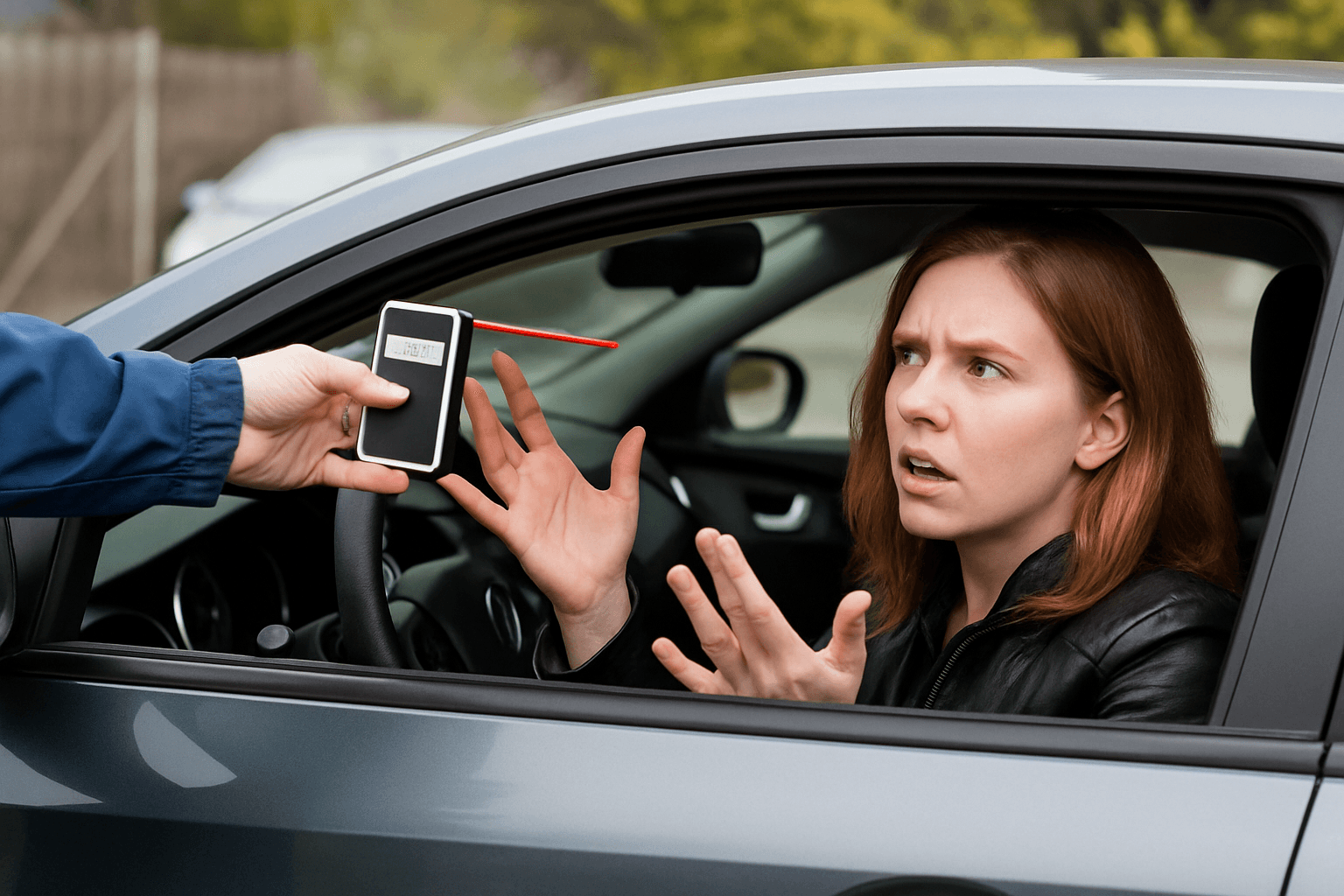
West Virginia's Restricted License runs through the Alcohol Test and Lock Program (ATLP) for DUI suspensions and a separate DMV path for points or uninsured cases. Both require route documentation and SR-22, but only ATLP mandates ignition interlock.
Which Restricted License Path Applies to Your Suspension
West Virginia operates two distinct restricted license programs depending on what triggered your suspension. DUI suspensions route through the Alcohol Test and Lock Program (ATLP), which requires ignition interlock installation and approval from both the WV DMV and the interlock vendor. Points-based suspensions, uninsured motorist violations, and most non-DUI administrative suspensions route through the standard Restricted License application, which does not require interlock but still mandates SR-22 filing and route documentation.
The ATLP is governed by WV Code §17C-5A-3a and applies to all first-offense DUI administrative revocations. You must serve approximately 15 days of hard suspension before you become eligible to apply, and the entire revocation period runs while the interlock is installed. The standard Restricted License path (governed by WV Code §17B-3-6) applies to most other suspension causes and allows you to apply immediately after suspension begins, provided you meet the documentation and insurance requirements.
Most applicants discover the path split only after submitting the wrong application to the DMV. If your suspension letter cites an administrative revocation under §17C-5A, you are in the ATLP track. If it cites points accumulation, insurance lapse, or failure to maintain financial responsibility, you are in the standard Restricted License track. The two applications require different fee structures, different vendor coordination steps, and different timelines.
Approved Routes and Hours Documentation Requirements
West Virginia requires applicants to submit defined routes between home and work, medical appointments, or school as part of the Restricted License application. The court or DMV specifies permissible destinations in the license order itself, and driving outside those routes or hours is a separate criminal offense that triggers immediate revocation.
Your employer must provide a verification letter on company letterhead confirming your work address, typical shift hours, and whether your job requires driving during work hours. If your job involves route-based driving (delivery, sales calls, home health visits), the employer letter must describe the general service area and explain why route flexibility is required. The DMV will issue a broader approved-purposes statement in those cases, but you still must document every trip if questioned by law enforcement.
Time restrictions typically mirror your documented work schedule plus a 30-minute buffer on each end for commute variability. If you work rotating shifts or variable hours (common in healthcare, hospitality, and logistics), request that the employer letter specify the range of possible shift times rather than a fixed 9-to-5 window. West Virginia does not automatically approve 24-hour driving privileges. Medical appointments and essential household errands (grocery, childcare pickup) may be added to the approved-purposes list, but each requires advance documentation submitted to the DMV before the trip occurs.
Compare car insurance rates in your state
Get quotes from licensed carriers — no obligation, no spam, results in minutes.
Get Your Free Quote✓ No Obligation Required✓ Licensed Carriers Only✓ Available Nationwide✓ Free to Compare
Ignition Interlock Requirements Under the ATLP
ATLP participants must install an ignition interlock device with an approved vendor before the Restricted License is issued. West Virginia maintains a list of certified interlock providers on the DMV website; using a non-approved vendor disqualifies your application. Installation costs typically run $75 to $150, and monthly monitoring fees range from $60 to $90 depending on the vendor and device type.
The interlock logs every start attempt, every failed breath test, and every trip's GPS route. West Virginia requires monthly data downloads submitted directly from the vendor to the DMV. If you miss two consecutive monthly calibration appointments, the DMV revokes your Restricted License immediately without additional hearing. If you record three failed breath tests (registering above .025 BAC) within a rolling 30-day period, your ATLP enrollment is terminated and you must serve the remainder of the hard suspension period before reapplying.
Once the interlock is installed, the vendor issues a compliance certificate. You submit that certificate to the DMV along with your SR-22 filing proof, employer verification letter, and application fee. Processing typically takes 7 to 14 business days from the date the DMV receives all documents. The Restricted License card itself notes the interlock requirement, and law enforcement will verify device installation at every traffic stop.
SR-22 Filing Setup for Restricted License Applicants
West Virginia requires SR-22 financial responsibility filing for both ATLP and standard Restricted License applicants before the license is issued. The SR-22 is not insurance—it is a certificate filed electronically by your carrier confirming that you maintain at least the state minimum liability limits: $25,000 bodily injury per person, $50,000 bodily injury per accident, and $25,000 property damage.
You must contact an insurer licensed to write high-risk auto coverage in West Virginia and request SR-22 filing. Not all carriers offer SR-22; mainstream carriers often decline suspended drivers or charge prohibitive premiums. Non-standard carriers that write SR-22 in West Virginia include Dairyland, Geico, National General, Progressive, State Farm, The General, and USAA. Filing fees range from $15 to $50, and the premium increase for suspended-driver classification typically doubles or triples your previous rate.
The carrier files the SR-22 directly with the WV DMV within 24 to 48 hours of your policy effective date. You receive a copy for your records, but the DMV confirmation is what triggers eligibility for Restricted License issuance. If your policy lapses or is canceled for any reason during the SR-22 filing period, the carrier notifies the DMV electronically within 24 hours, and your Restricted License is revoked immediately. West Virginia's electronic insurance verification system (EIV) cross-references active SR-22 filings against current license status daily. There is no grace period for missed premium payments.
Application Fees, Processing Timeline, and Document Checklist
The WV DMV charges a $50 base reinstatement fee for standard Restricted License applications. ATLP applicants pay the $50 reinstatement fee plus a separate DUI administrative fee (verify current amount directly with the WV DMV fee schedule, as this fee changes periodically). Payment must be made in person at a DMV regional office or mailed with a certified check; the DMV does not accept online payment for suspension-related applications.
Processing time from application submission to license issuance typically runs 7 to 14 business days, assuming all documents are complete and accurate. Incomplete applications—missing employer letters, expired SR-22 certificates, or unsigned forms—are returned without review, and the clock restarts when you resubmit. ATLP applications take slightly longer because the DMV must verify interlock installation and compliance data from the vendor before issuing the license.
Document checklist for all Restricted License applicants: completed Restricted License application (form DMV-75-TR, available at regional DMV offices or on the WV DMV website), employer verification letter on company letterhead, SR-22 certificate confirmation (your carrier sends this directly to the DMV, but bring a copy for your file), proof of ignition interlock installation if applying under ATLP, and payment for all applicable fees. Bring a valid photo ID and your suspension notice letter to the DMV appointment. If your license was physically surrendered at the time of arrest or citation, bring documentation of that surrender.
What Happens If You Drive Outside Approved Routes or Hours
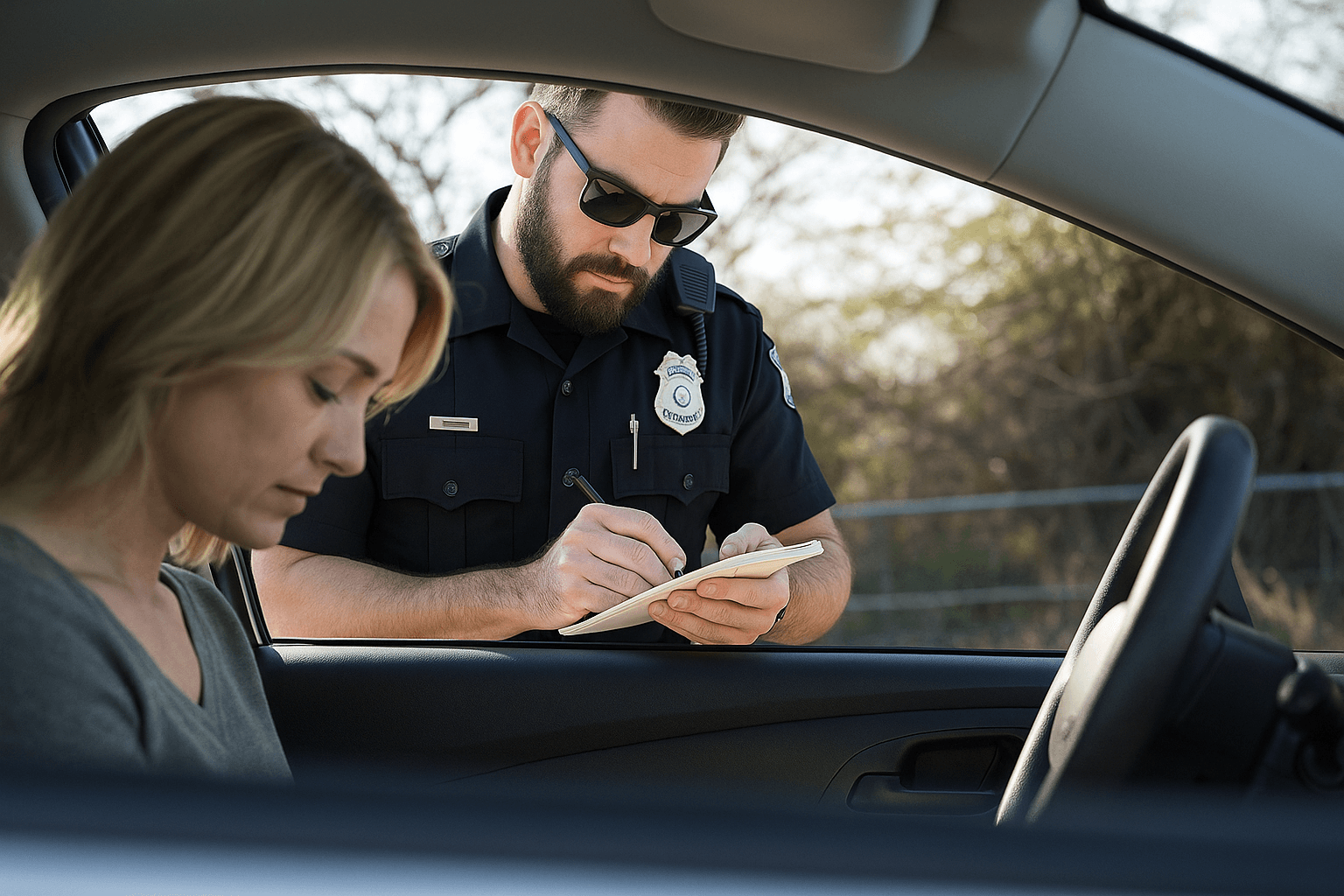
Driving outside the routes, hours, or purposes listed on your Restricted License order is treated as driving under suspension, a separate criminal offense in West Virginia. If stopped by law enforcement outside your approved commute window or destination list, you face immediate arrest, vehicle impoundment, and revocation of your Restricted License with no administrative hearing.
The criminal penalty for driving under suspension in West Virginia includes fines up to $500 and potential jail time of up to 6 months for a first offense. Subsequent offenses carry mandatory minimum jail sentences. Your SR-22 carrier will be notified of the charge, and most non-standard carriers cancel policies immediately upon receiving a DUS charge, which triggers a second SR-22 lapse suspension layered on top of your existing revocation.
If your work schedule changes after your Restricted License is issued—shift reassignment, new job site, promotion requiring different hours—you must file an amended route request with the DMV before driving the new route. West Virginia does not allow verbal approvals or retroactive route additions. The amended request requires a new employer verification letter and a $25 administrative processing fee. Most applicants wait 5 to 10 business days for amended-route approval. Driving the new route before written DMV approval arrives is treated as driving under suspension, regardless of whether the route change was work-required.
CDL Holders and Commercial Vehicle Exclusions
West Virginia's Restricted License and ATLP programs do not cover commercial driving, even for CDL holders whose job requires operating a commercial vehicle. If you hold a CDL and your suspension applies to your commercial driving privileges, the Restricted License allows you to drive a personal vehicle to and from work but does not restore your ability to operate a commercial motor vehicle during work hours.
Most CDL employers terminate drivers who lose their commercial license, even if a Restricted License allows commute driving. Federal Motor Carrier Safety Administration (FMCSA) regulations prohibit employers from allowing drivers with suspended CDLs to operate commercial vehicles under any state-issued restricted or hardship license. If your job requires driving a commercial vehicle and you receive a Restricted License for personal-vehicle commute purposes only, clarify with your employer whether they will retain you in a non-driving role during the suspension period.
If your suspension is DUI-related, federal disqualification rules impose a minimum 1-year CDL disqualification for a first offense, and no state-issued restricted license can override that federal bar. Reinstatement of CDL privileges requires separate application to the WV DMV Commercial Driver License unit after serving the full disqualification period, passing the CDL knowledge and skills tests again in most cases, and maintaining an SR-22 filing for the required period.