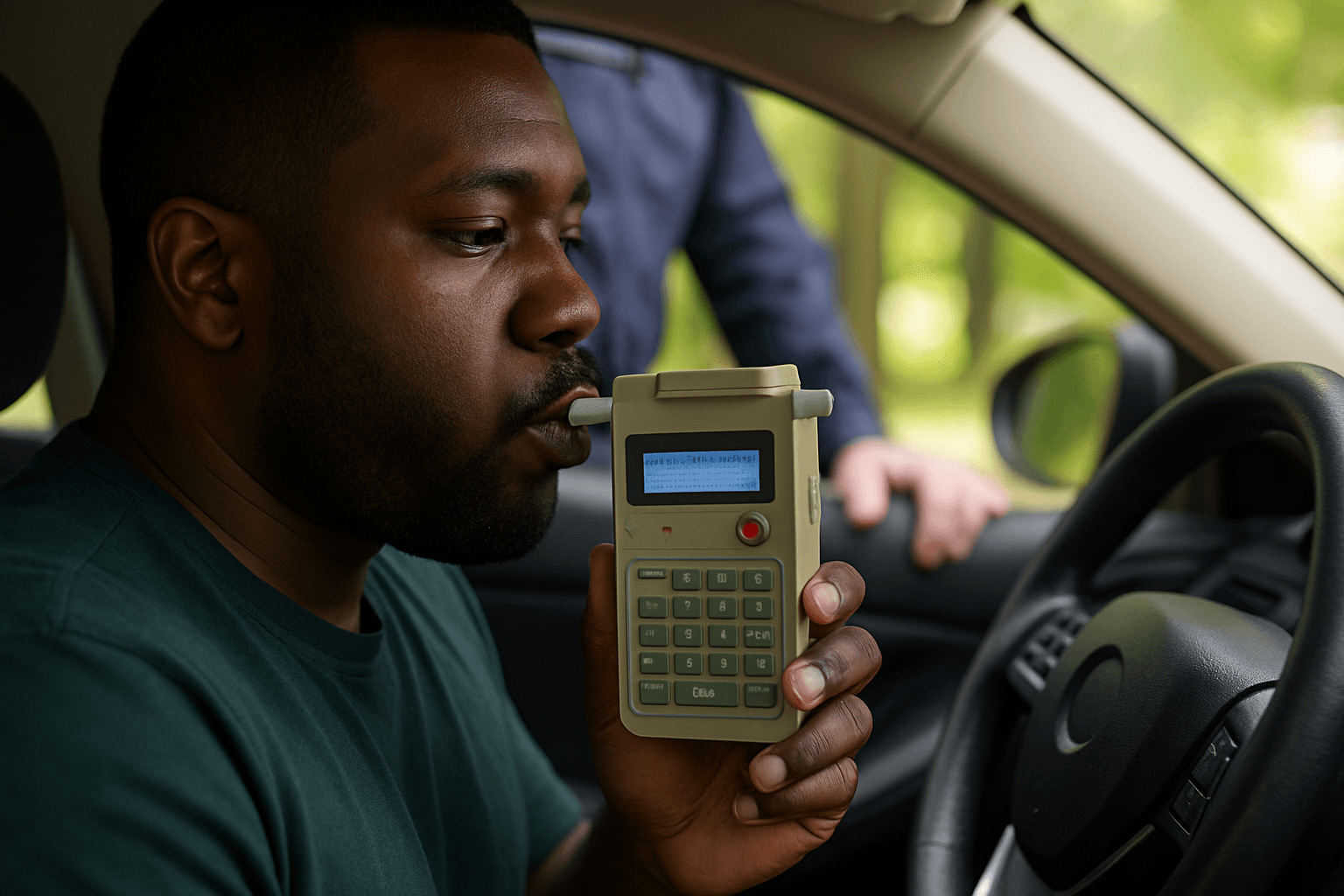
West Virginia offers a Restricted License with ignition interlock for most suspended drivers facing job loss, but the application path splits by trigger—DUI cases go through the ATLP program first, while non-DUI suspensions apply directly through DMV.
Two Application Paths: ATLP for DUI, Direct DMV for Everything Else
West Virginia operates two distinct restricted license pathways depending on what suspended your license. DUI administrative revocations require enrollment in the Alcohol Test and Lock Program (ATLP) before the DMV will issue a Restricted License—this is the ignition interlock compliance pathway mandated by WV Code §17C-5A-3a. You serve a hard suspension period (approximately 15 days for first-offense DUI, though this varies by offense tier), then apply for ATLP through the DMV's interlock vendor network.
Non-DUI suspensions—points accumulation, uninsured driving, unpaid fines—skip the ATLP step entirely. You apply directly to the West Virginia Division of Motor Vehicles for a Restricted License using Form DMV-54-A (Petition for Limited Driving Privilege). The distinction matters because DUI applicants who attempt the direct DMV route will be denied until ATLP enrollment is verified, wasting weeks in a situation where every day without legal commute access threatens the job.
Both paths converge on the same ignition interlock requirement, but DUI cases treat the interlock as the enrollment condition while non-DUI cases treat it as a post-approval installation requirement. Proof of employment or medical necessity is required for both triggers, but the timing of when you submit employer verification letters differs by several weeks depending on which pathway applies to your case.
What Documentation the DMV Actually Requires Before Approval
West Virginia DMV requires proof of the work-transportation need before approving any Restricted License. This means a signed letter from your employer on company letterhead confirming your job title, work hours, work address, and a statement that continued employment depends on your ability to drive. The letter must be dated within 30 days of your application submission—stale letters trigger automatic denials because the DMV interprets them as speculative need rather than current employment verification.
You also need an SR-22 certificate filed by a West Virginia-licensed insurer. The SR-22 proves continuous liability coverage at or above West Virginia's minimum requirements: $25,000 bodily injury per person, $50,000 per accident, and $25,000 property damage. Most carriers require full premium payment upfront before filing the SR-22, so budget for both the policy cost and the $50 base reinstatement fee simultaneously.
If your suspension involves unpaid fines or court costs, the DMV will not process your Restricted License application until those balances are cleared. This creates a sequencing problem most applicants miss: you cannot get approval without the SR-22, you cannot get the SR-22 without active insurance, and you cannot afford the insurance premium until you verify employment—but the employer verification letter expires in 30 days. The window is tight. Start the SR-22 quote process the same day you request the employer letter.
ATLP applicants submit these documents during ATLP enrollment rather than at the DMV counter. The interlock vendor coordinates the paperwork submission, which is why DUI-suspended drivers must not attempt direct DMV filing—the system rejects applications that bypass the ATLP intake process.
Compare car insurance rates in your state
Get quotes from licensed carriers — no obligation, no spam, results in minutes.
Get Your Free Quote✓ No Obligation Required✓ Licensed Carriers Only✓ Available Nationwide✓ Free to Compare
Routes, Hours, and the Employment Documentation Your Boss Must Provide
West Virginia Restricted Licenses confine you to defined routes between home and work, with narrow allowances for medical appointments and sometimes school. The DMV does not approve open-ended "within 50 miles of home" language—you must specify exact addresses and the most direct route between them. If your job requires multi-site travel (construction, home health, delivery routes), list every regular stop address on the application. Routes not documented on the approval form are considered unauthorized, and any traffic stop outside approved areas triggers immediate revocation.
Work hours must match your employer's letter exactly. If your employer verification states you work 7 AM to 4 PM Monday through Friday, driving at 6 PM on a Tuesday is a violation even if you were running a work-related errand your boss verbally approved. The Restricted License does not recognize informal job flexibility—only the hours printed on the DMV approval form. Commission-based workers and gig economy drivers face the hardest constraints here because their schedules vary, but the DMV will not approve "as needed" or "variable shift" language. You need documented, recurring hours.
Employers sometimes balk at signing verification letters because they fear liability exposure if you cause a collision during restricted-license driving. West Virginia law does not impose automatic employer liability for collisions during commute hours, but some HR departments refuse to engage the question. If your employer declines to sign, you have no viable path to a Restricted License—the DMV will not accept notarized self-attestations or unsigned schedule printouts. This is the silent killer of work-hardship applications: the legal pathway exists, but your employer's risk aversion closes it.
Ignition Interlock Installation: Who Pays and When It Happens
Every West Virginia Restricted License requires ignition interlock installation before you are legally allowed to drive, regardless of whether your suspension originated from DUI or another cause. WV Code §17B-3-6 mandates interlock as a condition of restricted driving privileges across all suspension types. Installation costs typically run $75 to $150, with monthly monitoring and calibration fees of $60 to $90 depending on the vendor.
ATLP enrollees schedule installation through the DMV's approved vendor list as part of the ATLP intake process—the interlock is installed before the Restricted License is issued. Non-DUI applicants receive DMV approval first, then have 10 business days to install the device and submit proof of installation back to the DMV before the Restricted License becomes valid. Driving during that 10-day window, even on approved routes, is still considered driving under suspension because the interlock condition has not been satisfied.
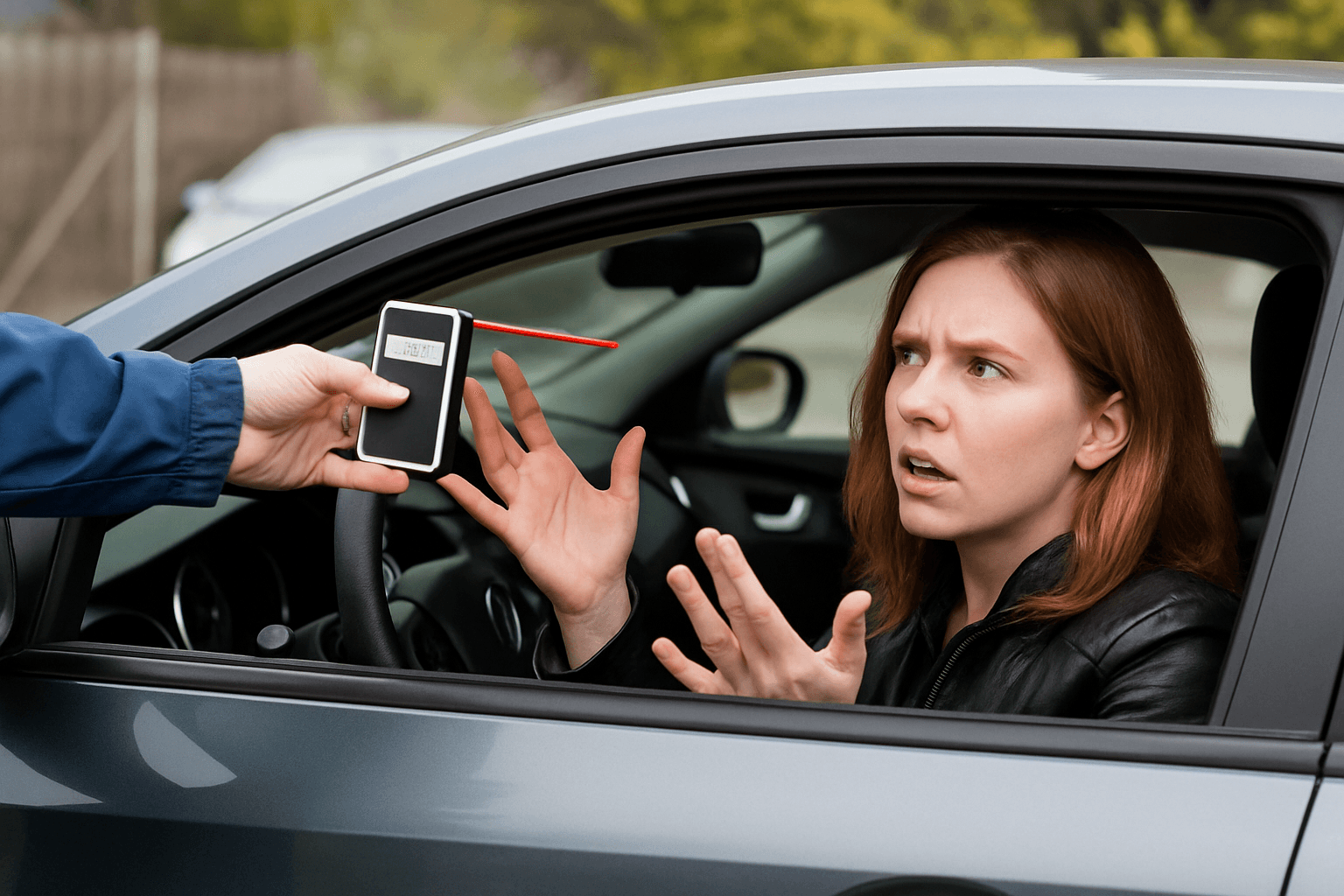
The device requires you to blow a clean breath sample (under 0.02% BAC in West Virginia) before the engine starts, with rolling retests every 5 to 15 minutes while driving. Failed startup attempts and failed rolling retests are logged and reported to the DMV monthly. Three failed rolling retests in a single monitoring period, or any attempt to bypass or tamper with the device, triggers automatic Restricted License revocation and extends your full-license reinstatement timeline by the remaining suspension period.
Budget the interlock cost separately from insurance—it is not covered by your SR-22 policy and most vendors require payment in advance of installation. Some vendors offer payment plans, but defaulting on interlock payments while the device is installed in your vehicle results in the vendor notifying the DMV of non-compliance, which again revokes the Restricted License immediately.
CDL Holders and the Commercial Driving Exclusion
West Virginia Restricted Licenses do not authorize commercial vehicle operation under any circumstances. If you hold a Commercial Driver's License and your personal-vehicle DUI suspended both your Class A/B/C CDL and your personal Class E license, the Restricted License reinstates only personal non-commercial driving privileges. You cannot use it to drive the semi, dump truck, or bus that your job requires—even if your employer signs a verification letter stating that driving a commercial vehicle is the entire basis of your employment.
This creates an unresolvable conflict for CDL-dependent workers: the job that justifies the work-hardship application is the one job the Restricted License does not allow you to perform. Some CDL holders attempt to argue that driving to the trucking terminal to perform non-driving dispatch work satisfies the restriction, but unless your employer redefines your job duties in writing and removes all commercial driving responsibilities, the DMV interprets any employment at a commercial driving company as circumvention of the exclusion.
Federal Motor Carrier Safety Administration (FMCSA) regulations prohibit any CDL holder from operating a commercial vehicle during a state-imposed CDL disqualification period, even if the state issues a restricted personal license. The federal disqualification runs parallel to and independent of your state Restricted License—West Virginia cannot override it. Most first-offense DUI CDL suspensions carry a one-year federal disqualification with no hardship provision.
If your job involves any mix of personal and commercial driving (for example, a sales route where you drive your personal car to client sites but occasionally drive a company delivery van), document with your employer which vehicle you will use during the Restricted License period and get that vehicle's VIN listed on your SR-22 policy. Driving any vehicle not listed on your SR-22 filing, even with a Restricted License, is considered uninsured driving and triggers a new suspension.
Cost Breakdown and Timeline from Application to Legal Driving
West Virginia Restricted License applications carry a $50 base reinstatement fee, but that is only the starting point. DUI-suspended drivers pay an additional DUI-specific reinstatement fee (amount varies; verify current fee with WV DMV) on top of the base fee. Add ignition interlock installation ($75–$150) and monthly monitoring ($60–$90/month for the duration of your restricted period, which often matches your full suspension length). SR-22 filing typically adds $25 to $50 to your policy, but the bigger cost is the premium itself—high-risk drivers in West Virginia with DUI suspensions typically pay $140 to $240 per month for minimum liability coverage.
Processing timelines vary by application path. ATLP enrollments for DUI cases generally take 10 to 15 business days from the date you submit all required documents and schedule interlock installation, assuming no outstanding fines or compliance issues. Non-DUI direct DMV applications process faster—typically 5 to 10 business days—but only if your SR-22 is already on file and your employer letter is current. Missing any single document resets the clock and pushes your approval into the next review cycle.
Total upfront cost to go from suspended to legally driving under a Restricted License: approximately $400 to $600 in fees and installation, plus the first month's insurance premium. If your suspension involves unpaid court fines, add those to the total—the DMV will not approve any application while a balance remains. Budget for at least 3 weeks from the day you decide to apply to the day you are legally allowed to drive to work, and add another week if your employer takes time to draft and sign the verification letter.
What Happens If You Violate the Restrictions
Driving outside approved hours, routes, or purposes while holding a West Virginia Restricted License is treated as driving under suspension—a misdemeanor criminal charge carrying up to 6 months in jail and a $100 to $500 fine under WV Code §17B-2-9. The Restricted License is revoked immediately upon citation, and you return to zero-privilege suspended status with no credit for the time you held the restricted privilege. Your full reinstatement timeline resets.
Law enforcement officers in West Virginia have access to DMV records showing your approved routes and hours during traffic stops. If you are pulled over at 8 PM on a Saturday and your Restricted License authorizes only Monday-Friday 6 AM to 6 PM driving, the officer does not need to observe a moving violation to charge you—presence outside approved parameters is the violation. Some drivers attempt to argue that they were driving home from an emergency or an unanticipated work obligation, but WV DMV does not recognize unplanned-emergency exceptions unless you submitted a formal route amendment request in advance and received written approval.
Ignition interlock violations—failed rolling retests, missed calibration appointments, or evidence of tampering—trigger automatic restricted license revocation and extend your full suspension period by the number of months remaining on your original suspension. If you had 8 months left and you violated interlock protocol, the DMV adds 8 months to your total suspension from the violation date. This stacks on top of any new criminal charges the prosecutor files for the underlying behavior that caused the failed test (for example, a new DUI charge if you blew over the limit).
Some restricted drivers believe that once they have the device installed and the SR-22 filed, they can stretch the boundaries—run personal errands on the way home from work, drive a family member to the hospital, take a slightly faster route that avoids tolls. Every departure from the documented plan is a rollable die. One traffic stop ends the privilege permanently for that suspension cycle.