Vermont requires court petition, IID installation, and SR-22 filing before you can drive to work under a Civil Suspension License. Most drivers miss the 90-day mandatory hard suspension that applies before any restricted license eligibility—DUI first offense blocks work driving entirely for three months from the conviction date.
Vermont's Civil Suspension License Is Granted by Court, Not DMV
Vermont operates differently from most states: your Civil Suspension License petition goes to the Vermont Superior Court, Civil Division, not to the DMV. The DMV imposes the administrative suspension under 23 V.S.A. § 1205, but only the court can grant restricted driving privileges under 23 V.S.A. § 674. This means your petition, documentation, and argument are heard by a judge who will define your approved routes, approved hours, and any additional conditions like ignition interlock device installation.
Most states use a DMV application with standardized route and hour templates. Vermont's court-driven process requires more documentation upfront but offers flexibility: if your work schedule is irregular or you need to drive during work hours for client visits or service calls, a judge can approve a broader window than a DMV form would allow. The tradeoff is time—court calendars run slower than DMV processing queues, and you will need to attend a hearing or submit a written petition with evidence that your employer, medical provider, or educational institution requires your driving.
The court will issue an order specifying your exact approved purposes, days of the week, and time windows. That order becomes your legal authority to drive. Violating the terms—driving outside approved hours, deviating from approved routes without modification approval, or driving for unapproved purposes—triggers immediate revocation and potential criminal contempt charges. Vermont does not treat restricted license violations as administrative infractions; the court issued the privilege and the court enforces it.
DUI First Offense Blocks Work Driving for 90 Days Minimum
Vermont imposes a mandatory 90-day hard suspension for DUI first offense before any Civil Suspension License eligibility begins. This is measured from the conviction date, not the arrest date or the filing date. If you were convicted yesterday and your job starts Monday, you cannot petition for work-driving relief until 90 days after conviction closes.
This is the most common point of confusion for drivers searching immediately after arrest. Vermont's dual-track DUI system runs an administrative suspension (DMV-imposed under implied consent law) and a criminal suspension (court-ordered upon conviction) simultaneously. The 90-day hard period applies to the criminal suspension—you cannot drive for any purpose during that window, even with a petition granted. After 90 days, you may petition the court for a Civil Suspension License that allows employment, medical, educational, or essential household driving with ignition interlock device installation required.
Repeat DUI offenses carry longer hard suspension periods before eligibility: second offense typically requires six months minimum, third offense extends to one year or more depending on prior conviction timing. If you are facing a second or third DUI, consult with an attorney before assuming work-driving relief is available on any timeline shorter than the statutory minimum.
Compare car insurance rates in your state
Get quotes from licensed carriers — no obligation, no spam, results in minutes.
Get Your Free Quote✓ No Obligation Required✓ Licensed Carriers Only✓ Available Nationwide✓ Free to Compare
What Documentation the Court Requires for Employment Use
Vermont courts require proof of hardship in the form of employer verification, medical provider letters, or educational institution confirmation depending on the approved purpose you are petitioning for. For employment use, most courts expect a letter from your employer on company letterhead stating your job title, work address, required work hours, and whether your job duties require driving during work hours or only commuting to and from the worksite.
If your job involves driving during work—delivery routes, service calls, client visits, sales territory coverage—the employer letter must describe the driving component explicitly and provide estimated routes or service area boundaries. Courts are more likely to approve broader time windows and geographic scope when the employer confirms driving is a job requirement, not just a convenience. If your job does not require driving during work hours, the court will typically limit your approved window to direct commute routes and a narrow time buffer around your shift start and end times.
You will also need to file proof of SR-22 insurance or a commitment from an insurer to file SR-22 once the court grants the Civil Suspension License. Vermont requires SR-22 filing for DUI-related reinstatements, and the court will not issue a restricted license without proof of financial responsibility coverage in place. The SR-22 filing period runs for three years from the date of reinstatement, not from the date of conviction. Some insurers will file SR-22 contingent on court approval; others require the court order first. Confirm your insurer's process before your hearing date to avoid delay.
Approved Routes and Hours Are Court-Defined, Not Standardized
The court order you receive will list your approved purposes, approved routes, and approved time windows explicitly. Vermont does not use a standardized DMV form with checkbox options for work, school, or medical appointments. The judge writes the terms based on the evidence you submitted and the argument you made at the hearing.
For employment use, typical approved routes include home address to work address via the most direct public roadway, with deviation allowed for unavoidable road closures or emergencies. Some judges approve a named geographic area if your job requires client visits or service territory coverage; others approve only the specific addresses listed in your petition. If you need to add a new work location after the order is issued, you must file a modification petition with the court—driving to an unapproved location, even for work purposes, violates the order and triggers revocation.
Approved hours typically include your work shift hours plus a buffer window. If you work 8:00 AM to 5:00 PM, the court might approve driving from 7:00 AM to 6:00 PM to account for commute time and minor schedule variation. If your work schedule varies week to week or includes on-call shifts, present that variability in your petition with supporting documentation from your employer. Courts can approve broader windows or multiple time blocks, but only if the evidence supports the need. Once the order is issued, driving outside the approved window for any reason other than a documented emergency violates the terms.
Ignition Interlock Device Is Required for DUI-Related Petitions
Vermont requires ignition interlock device installation for all DUI-related Civil Suspension License petitions under 23 V.S.A. § 1213. You must install the device before the court grants the restricted license, and the device must remain installed for the entire duration of the Civil Suspension License period plus any additional monitoring period the court orders.
IID installation costs approximately $70–$100 upfront, with monthly monitoring and calibration fees of $60–$90 depending on the provider. Vermont-approved IID vendors include LifeSafer, Intoxalock, Smart Start, and Guardian Interlock. You must use a state-approved vendor; devices purchased from out-of-state providers or online marketplaces do not satisfy Vermont's compliance requirements. The vendor reports all test results, violations, and tampering attempts directly to the Vermont DMV and the court.
Any failed breath test, missed rolling retest, or device circumvention attempt triggers immediate reporting and potential revocation of your Civil Suspension License. Vermont's IID program has no built-in grace period for failed tests—even a single failed test above the programmed threshold can result in revocation depending on the court's order terms. If you fail a test because of mouthwash, medication, or another non-alcohol source, document the cause immediately and report it to your IID vendor and your attorney. Most revocations occur because drivers assume a single failed test won't be noticed or reported.
SR-22 Filing Setup and Cost Impact for Restricted License
Vermont requires SR-22 certificate of financial responsibility for three years from the date of reinstatement after a DUI suspension. The SR-22 filing itself costs $15–$50 depending on the insurer, but the premium impact is the larger cost driver. Drivers with a DUI suspension typically see premiums increase 60% to 120% compared to clean-record rates, with high-risk or non-standard carriers charging $140–$240 per month for liability-only coverage with SR-22 filing.
If you do not own a vehicle but need to drive a family member's vehicle or an employer's vehicle to work, you can file non-owner SR-22 insurance. Non-owner policies provide liability coverage when you drive a vehicle you do not own, without requiring you to list a specific vehicle on the policy. Non-owner SR-22 premiums in Vermont typically range from $40–$80 per month depending on age, violation history, and coverage limits. This option satisfies the court's SR-22 requirement and allows you to drive under the Civil Suspension License terms, but it does not provide collision or comprehensive coverage for the vehicle you are driving.
Some insurers will not write SR-22 policies for drivers with active suspensions or restricted licenses. Employment-hardship SR-22 insurance is available through non-standard carriers including Dairyland, The General, National General, and Progressive in Vermont. Confirm the insurer will file SR-22 with the Vermont DMV and provide a copy of the SR-22 certificate to the court before your hearing date. Most courts require proof of SR-22 filing as a condition of granting the Civil Suspension License, not as a post-approval step.
What Happens If You Drive Outside Approved Hours or Routes
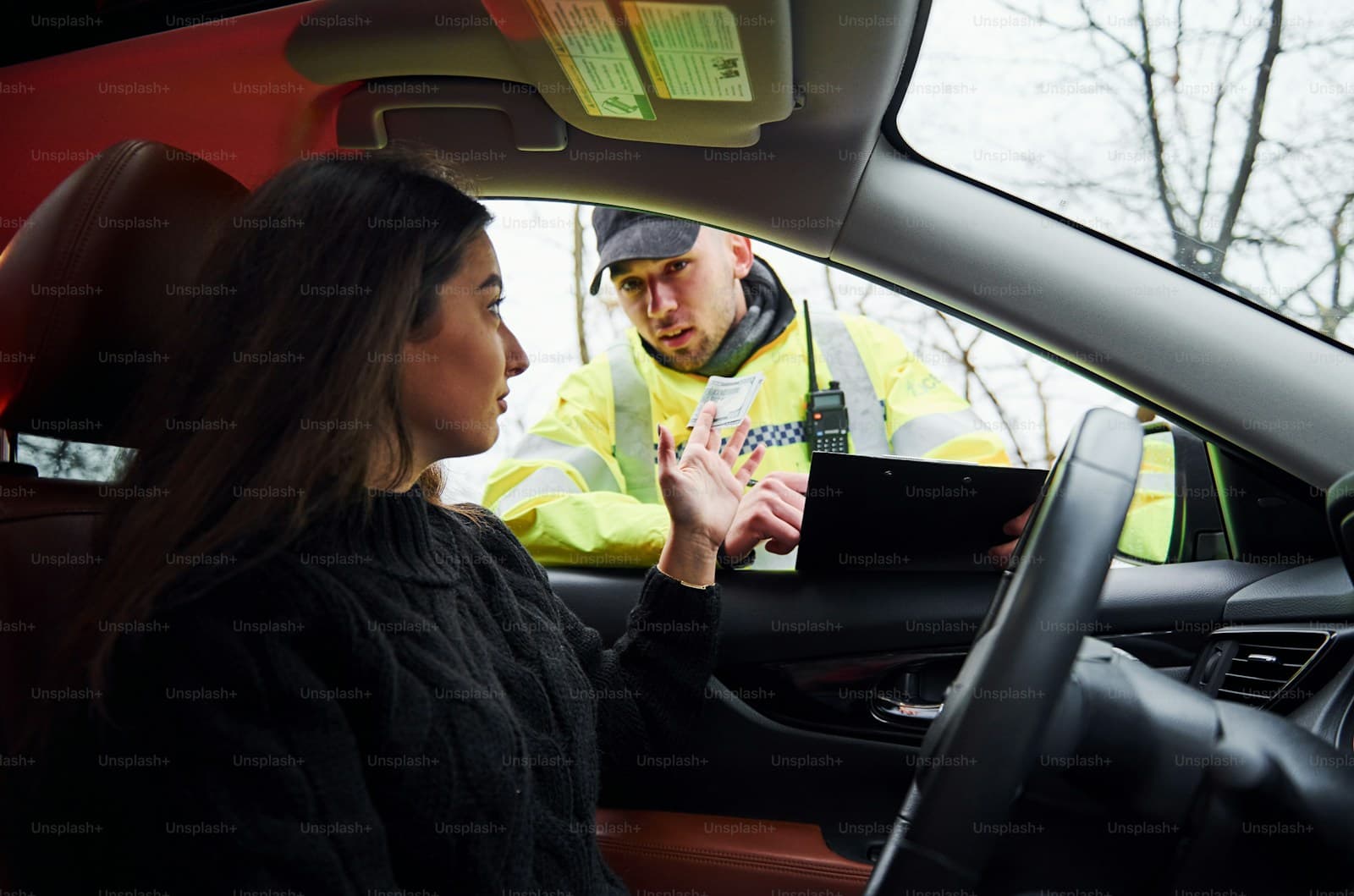
Violating the terms of your Civil Suspension License results in immediate revocation of the restricted license and criminal contempt charges. Vermont treats restricted license violations as violations of a court order, not as administrative DMV infractions. If you are stopped driving outside approved hours, on an unapproved route, or for an unapproved purpose, the officer will confiscate your restricted license documentation and file a violation report with the court.
The court will schedule a show-cause hearing where you must explain why the violation occurred. Acceptable defenses are narrow: documented medical emergencies, road closures requiring detour, or employer-directed route changes supported by timestamped communication from your employer. Convenience, errands, or family obligations are not acceptable defenses. If the court finds you violated the terms without a valid emergency justification, the Civil Suspension License is revoked and you must serve the remainder of your suspension period without any driving privileges.
Criminal contempt charges carry separate penalties including fines up to $500 and potential jail time for willful violations. A second violation during the same suspension period typically results in extension of the suspension period beyond the original end date. Vermont does not treat restricted license violations lightly—the court granted you a privilege during a period when you otherwise had no legal right to drive, and violating that privilege demonstrates disregard for court authority.