Vermont requires a court petition for work driving privileges after suspension. No DMV hardship process exists—judges control eligibility, route approval, and IID requirements through the Civil Suspension License framework.
Vermont Routes Work-Driving Relief Through Superior Court, Not DMV
Vermont does not grant hardship licenses through its Department of Motor Vehicles. Work-driving privileges after suspension are authorized exclusively by the Vermont Superior Court, Civil Division, under 23 V.S.A. § 674. This is the Civil Suspension License—the state's formal name for employment-related restricted driving.
Most states allow DMV staff to approve hardship applications administratively. Vermont assigns that authority to judges. You petition the court for permission to drive to work, not the DMV. The court sets your approved routes, your approved hours, and your ignition interlock requirement. The court also denies your petition if documentation is incomplete or if you fail to demonstrate genuine hardship.
This distinction matters because the procedural path differs completely. You file in the county where the suspension originated. You serve notice on the state's attorney. You present evidence of employment need at a hearing. Judges evaluate hardship claims individually rather than processing applications against a checklist.
DUI Suspensions Carry Mandatory Hard Periods Before Court Relief Begins
Vermont imposes a 90-day hard suspension for first-offense DUI convictions before any Civil Suspension License becomes available. This is a mandatory waiting period—no court petition can override it. You serve 90 days without any legal driving before eligibility for restricted work privileges begins.
Second and subsequent DUI offenses carry longer hard periods. Administrative License Suspension (ALS) under 23 V.S.A. § 1205 runs parallel to criminal court suspension—both must be satisfied independently. A first-offense DUI refusal triggers a 6-month administrative suspension. A first-offense test failure triggers a 90-day administrative suspension. Criminal court suspension runs separately.
The dual-track system means you face both a DMV-imposed administrative suspension and a court-ordered criminal suspension simultaneously. Each has its own timeline. Each has its own reinstatement fee. Civil Suspension License petitions address the criminal suspension track only. Administrative suspension requires separate resolution through DMV compliance and reinstatement procedures.
Compare car insurance rates in your state
Get quotes from licensed carriers — no obligation, no spam, results in minutes.
Get Your Free Quote✓ No Obligation Required✓ Licensed Carriers Only✓ Available Nationwide✓ Free to Compare
Required Documentation Includes Employer Verification and Hardship Proof
The court requires a written petition stating the factual basis for hardship. Employment documentation must include an employer verification letter confirming your job title, work address, work hours, and the statement that driving is necessary to retain employment. Self-employment requires tax records, business registration, and client contract documentation showing income dependency.
Proof of insurance or an SR-22 certificate may be required before the court issues the Civil Suspension License. Vermont mandates SR-22 filing for DUI-related reinstatements—the filing period is typically 3 years from reinstatement date. Non-owner SR-22 policies cover drivers without a registered vehicle. Standard SR-22 policies cover drivers who own the vehicle they drive.
Medical or educational hardship qualifies in addition to employment hardship. The court evaluates essential household needs case-by-case. The petition must demonstrate that no alternative transportation exists—public transit schedules, rideshare costs, and family driver availability all weaken hardship claims if viable alternatives are documented.
Ignition Interlock Device Installation Is Mandatory for DUI-Related Petitions
Vermont requires ignition interlock device installation under 23 V.S.A. § 1213 for all DUI offenders seeking restricted driving privileges. The IID must be installed before the Civil Suspension License is issued. First offenders may be eligible for early reinstatement with IID after the hard suspension period.
IID vendors are state-approved and listed on the Vermont DMV website. Installation costs range from $75 to $150. Monthly monitoring and calibration fees range from $60 to $90. Lease duration matches your filing period—typically 3 years for first-offense DUI. You pay these costs out of pocket. Insurance does not cover IID expenses.
Violating IID requirements—skipped calibrations, tamper alerts, failed breath tests—triggers automatic revocation of your Civil Suspension License. The court will not reinstate restricted privileges after IID violations until you demonstrate compliance over a new waiting period. Employers cannot waive IID requirements even if your job involves company fleet vehicles.
Court-Defined Route and Time Restrictions Govern Where You Can Drive
The court specifies approved routes in the Civil Suspension License order. Typical approvals include home-to-work commute, work-related driving during employment hours, and essential errands within a defined geographic area. Judges often limit non-work driving to medical appointments, DUI education classes, and grocery shopping within set hours.
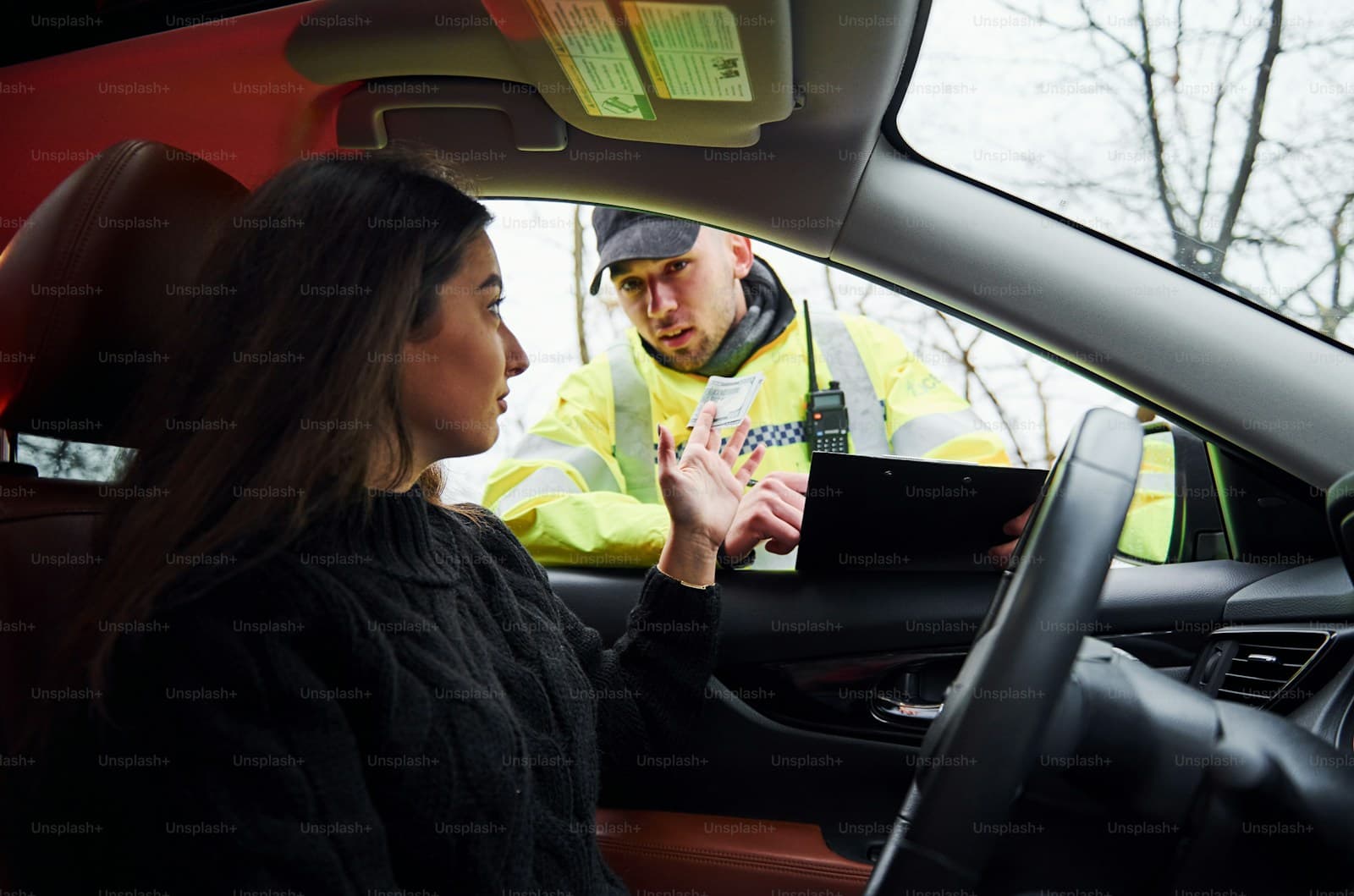
Driving outside approved hours or routes is a criminal offense. Vermont law treats restricted license violations as operating after suspension—a separate charge that extends your suspension and adds new penalties. Police officers verify approved-driving status during traffic stops. If you cannot produce the court order showing your current route falls within approved purposes, you face arrest.
CDL holders cannot use a Civil Suspension License for commercial vehicle operation. Federal law prohibits restricted licenses for interstate commercial driving. Even intrastate commercial driving is typically excluded from court-approved purposes. If your job requires a CDL, the Civil Suspension License allows you to drive to work in a personal vehicle but does not restore your commercial driving privileges.
Application Timeline and Court Fee Structure
Filing a Civil Suspension License petition requires payment of a court fee at the time of filing. Fee amounts vary by county and case type—contact the clerk of the Superior Court, Civil Division, in the county where your suspension originated for current fee schedules. Processing time depends on court calendar availability. Most petitions are scheduled for hearing within 30 to 60 days of filing.
You may represent yourself or hire an attorney. Self-represented petitioners must follow court procedural rules—improper service of notice, missing exhibits, or incomplete hardship documentation results in denial. Attorneys familiar with Vermont suspension law cost $500 to $2,000 depending on case complexity and hearing preparation time.
Reinstatement after the suspension period ends requires payment of a $71 reinstatement fee to Vermont DMV, proof of SR-22 filing, and proof of IID compliance if applicable. The Civil Suspension License does not convert to full driving privileges automatically. You must complete reinstatement procedures separately through DMV once the court-ordered suspension term expires.
SR-22 Filing Setup for Employment-Hardship Cases
SR-22 certificates of financial responsibility are required for DUI-related Civil Suspension License reinstatements. The filing period is 3 years from reinstatement date. Your insurance carrier files the SR-22 form electronically with Vermont DMV. Cancellation of the SR-22 policy before the 3-year filing period ends triggers automatic suspension of your driving privileges.
Non-owner SR-22 policies cost $85 to $140 per month for drivers without a registered vehicle. Standard SR-22 policies cost $140 to $190 per month for drivers who own the vehicle they drive. These estimates reflect suspended-license and DUI risk profiles—your actual premium depends on age, violation history, and carrier underwriting.
Employment-hardship SR-22 insurance is offered by carriers writing high-risk auto coverage in Vermont: Geico, Progressive, Dairyland, The General, and National General all file SR-22 certificates. State Farm files SR-22 in Vermont but may decline coverage for active DUI suspensions. USAA files SR-22 and non-owner policies for eligible members. Shop quotes from multiple carriers—premium spread for the same SR-22 filing requirement ranges from 40% to 60% between the lowest and highest quotes.