Utah's court-controlled Limited License process requires employer verification documentation most drivers miss. The court sets your terms, not the DLD, and the format of your employer's letter determines whether the judge signs your order.
Why Utah's Limited License Requires Court Petition Instead of DMV Application
Utah issues Limited Licenses through district court petition, not through the Driver License Division administrative process. You file a petition with the court that has jurisdiction over your case (or your county of residence if your suspension is administrative). The judge reviews your documented need, reads your employer's verification letter, considers your suspension history, and signs an order defining your allowed routes and hours. The DLD receives the court order and reflects the Limited License status on your record, but the DLD does not approve or deny your petition.
This court-control structure creates outcome variability by county and judge. Weber County judges may approve broader hours than Salt Lake County judges for similar employment facts. One judge may require weekly schedule documentation; another accepts a general shift-hours letter. The petition format and employer letter quality matter more in Utah than in DMV-administered hardship states because you are persuading a judge who exercises discretion, not satisfying a checklist reviewed by a licensing clerk.
Utah Code § 53-3-223 governs administrative DUI suspensions and permits Limited License relief after mandatory waiting periods. Utah Code § 41-6a-509 addresses court-imposed suspensions upon conviction. Both pathways route through the same court petition process for Limited License issuance. If you face both an administrative suspension and a pending criminal case, the court typically consolidates your Limited License petition with the criminal matter.
What Your Employer's Verification Letter Must Include
The employer letter is the single most important document in your petition. Judges deny petitions when employer letters are vague about hours, routes, or job duties. Your employer must state your position title, your work address, your regular shift schedule (specific days and hours, not "full-time" or "varies"), and whether your job requires driving during work hours beyond the commute.
Include route specificity. If you work at multiple sites, list each address. If your job requires customer visits, service calls, or supply pickups during the shift, describe the geographic area you cover and typical daily mileage. Courts approve work-during-shift driving more readily when the employer quantifies it: "Technician travels to 4-6 customer sites daily within Utah County, approximately 80 miles per day."
The letter must be on company letterhead, signed by a supervisor or HR representative with title and contact information. Judges sometimes call the contact number to verify. The letter should state that your continued employment depends on your ability to drive and that the company is aware of your license suspension. Some judges require the employer to acknowledge that you will drive only during approved hours and that violating the Limited License terms may result in termination. This acknowledgment signals to the court that your employer is a compliance partner, not just a passive fact witness.
If you are self-employed, submit business registration documentation, client contracts, and a notarized affidavit describing your work hours and driving requirements. Self-employment petitions face higher scrutiny because the court cannot verify your schedule through a third-party employer. Include tax records or invoicing documentation showing active business income.
Compare car insurance rates in your state
Get quotes from licensed carriers — no obligation, no spam, results in minutes.
Get Your Free Quote✓ No Obligation Required✓ Licensed Carriers Only✓ Available Nationwide✓ Free to Compare
Required Documentation Beyond the Employer Letter
Utah requires an SR-22 certificate of financial responsibility filed before the court signs your Limited License order. You cannot petition without proof of SR-22 coverage on file with the DLD. Contact a carrier writing high-risk or SR-22 policies in Utah (Progressive, Geico, Bristol West, Dairyland, The General, GAINSCO, National General) and request SR-22 filing. The carrier electronically transmits the certificate to the DLD. Allow 3-5 business days for the filing to appear in the DLD system before filing your court petition. If you do not own a vehicle, request non-owner SR-22 coverage. Non-owner policies cost $25-$50 per month and satisfy the SR-22 requirement for Limited License purposes.
If your suspension stems from DUI (Utah's 0.05% BAC threshold is the nation's lowest under Utah Code § 41-6a-502), the court will require proof of ignition interlock device installation on any vehicle you will drive under the Limited License. Obtain IID installation from an approved Utah provider (Intoxalock, LifeSafer, Smart Start) before your court hearing. Bring the installation receipt and the provider's verification form to court. The judge's order will specify that your Limited License is valid only when driving an IID-equipped vehicle. Driving a non-IID vehicle violates your Limited License and triggers immediate revocation plus criminal charges under Utah Code § 41-6a-518.6.
Attach a copy of your current suspension notice from the DLD showing your suspension start date, cause, and scheduled end date. If your suspension resulted from unpaid fines or court fees, attach proof of payment or a payment plan approval letter from the court. Judges will not sign Limited License orders when outstanding court debts remain unresolved. If your suspension involves a criminal case still pending, your attorney should file the Limited License petition as part of the criminal proceeding rather than separately.
How Courts Define Approved Routes and Hours
The court order defines your allowed driving purposes, routes, and time windows. Utah judges typically approve commute driving (home to work and work to home) during a buffer window around your shift times. If you work 8 a.m. to 5 p.m., the court might authorize driving between 7 a.m. and 6 p.m. on workdays. The buffer accounts for schedule variability and errands reasonably incident to work (stopping for gas, dropping your child at daycare en route).
Work-during-shift driving is case-specific. If your employer letter documents that your job requires driving to customer sites, the court may authorize driving within a defined geographic area (e.g., Salt Lake County and Utah County) during your shift hours. Courts rarely approve open-ended "anywhere in Utah during work hours" language. You must define the area your job requires. If your driving need expands after the order is signed (you are promoted to a regional role requiring statewide travel), file a motion to modify the order before driving outside your approved area.
Most Utah judges approve driving for court-ordered obligations (DUI classes, substance abuse treatment, ignition interlock service appointments, probation meetings) and sometimes approve driving for medical appointments, especially if you can document a chronic condition requiring regular care. Grocery shopping, social events, and recreational driving are not approved purposes. Driving your children to school or childcare is sometimes approved when you can demonstrate that no alternative transportation exists and that the daycare or school is reasonably located between your home and workplace.
The order will state whether your Limited License is valid seven days per week or only on scheduled workdays. If you work Monday through Friday, weekend driving may be limited to court-ordered appointments and medical emergencies unless you petition for weekend work authorization with employer documentation. Gig workers and commission-based employees whose schedules vary weekly should request broader day-of-week authorization in the petition and provide documentation showing irregular scheduling.
What Happens If You Are Caught Driving Outside Approved Terms
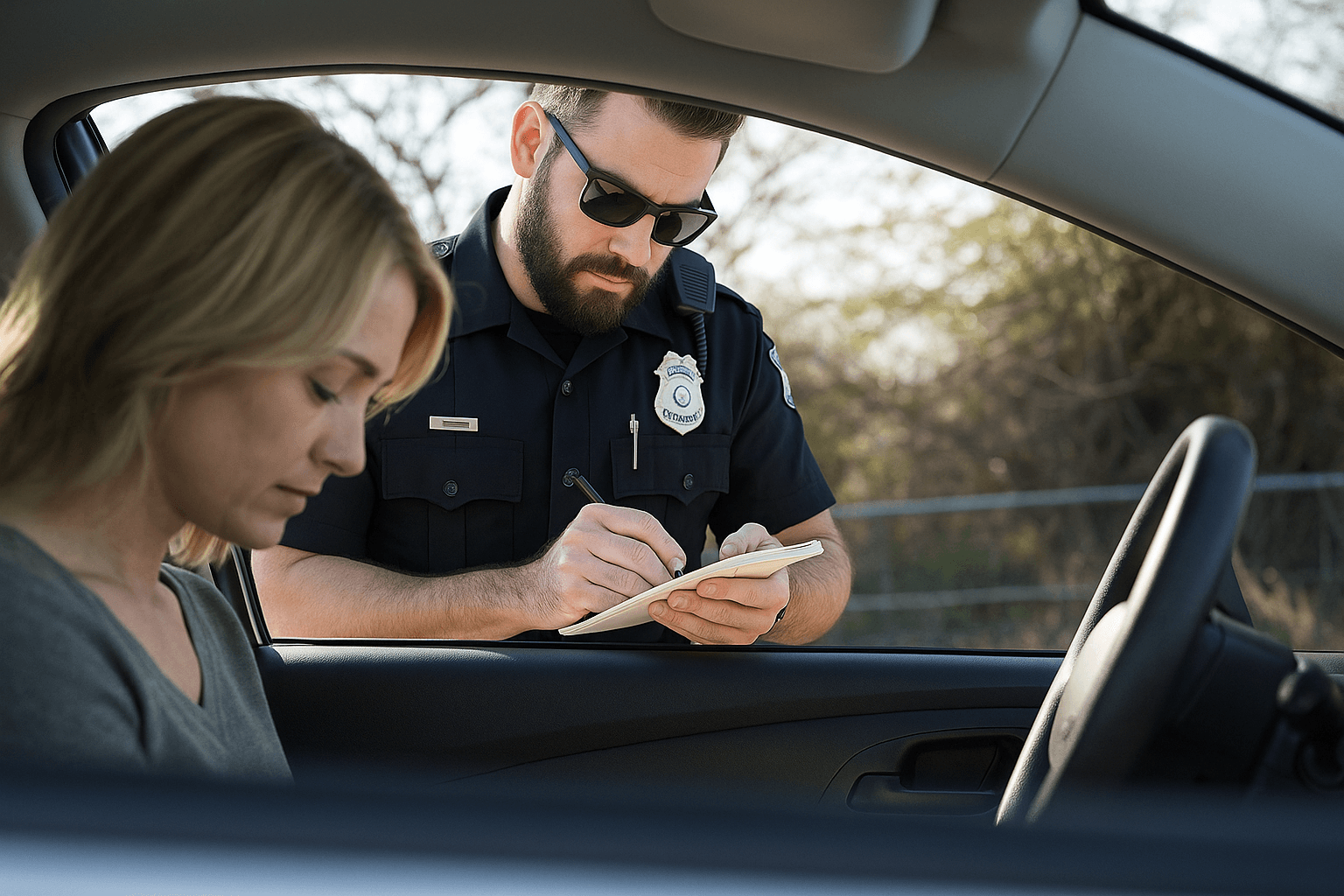
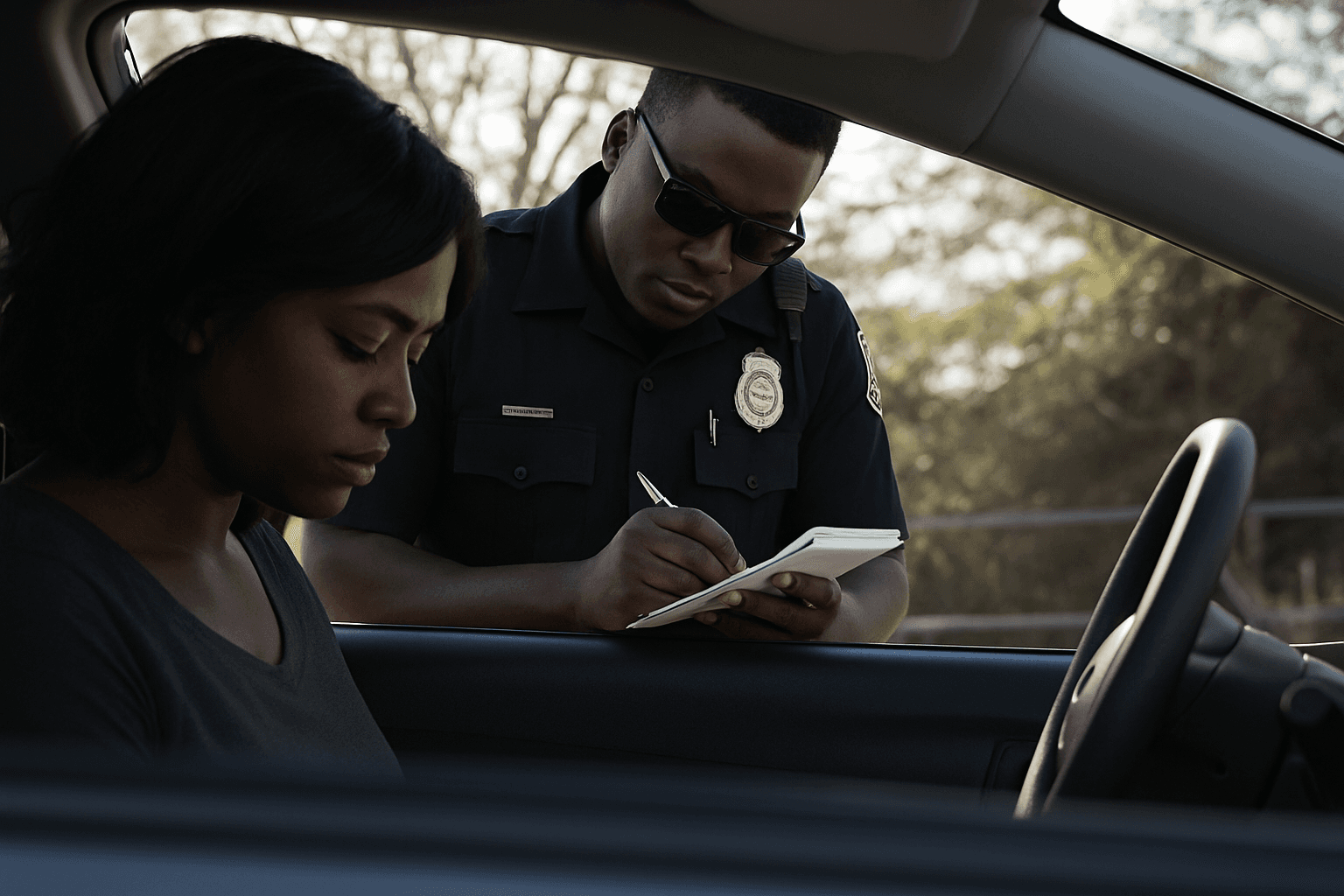
Violating your Limited License terms is a class B misdemeanor under Utah Code § 53-3-227, carrying up to six months in jail and a $1,000 fine. The court will revoke your Limited License immediately. If you are stopped by law enforcement outside your approved hours or routes, the officer will confiscate your license on the spot and issue a citation. You will serve the remainder of your original suspension with no Limited License eligibility.
Utah law enforcement can verify Limited License restrictions in real time through the DLD system. If an officer stops you at 9 p.m. on a Saturday and your court order authorizes driving only Monday through Friday 7 a.m. to 6 p.m., the officer sees the restriction mismatch immediately. Your explanation that you were driving to pick up a sick family member does not override the court order. Emergency situations do not create exceptions to Limited License terms. If you face a genuine emergency requiring driving outside approved hours, you must petition the court for a temporary order modification before driving, not after you are stopped.
Carriers writing your SR-22 policy will be notified of the violation and most will non-renew your policy at the next term. Finding replacement SR-22 coverage after a Limited License violation is difficult and expensive. Non-standard carriers that accept post-violation risks charge $200-$350 per month for minimum liability limits. The violation remains on your driving record for three years and significantly increases the cost of coverage after your full license is reinstated.
Utah-Specific Limited License Costs and Timeline
The court petition filing fee varies by county but typically ranges from $50 to $150. Salt Lake County charges approximately $75 for a Limited License petition filing. If you hire an attorney to prepare and file the petition, legal fees range from $500 to $1,500 depending on case complexity and whether your suspension involves a pending criminal matter. Self-represented petitioners can file without an attorney, but court clerks cannot provide legal advice on petition drafting or hearing strategy.
SR-22 filing adds $25-$50 to your premium each month for the duration of your filing requirement. Utah requires three-year SR-22 filing for DUI suspensions. If you do not own a vehicle and need non-owner SR-22 coverage, expect to pay $40-$90 per month depending on your driving history and the severity of your suspension cause. Ignition interlock installation costs $75-$150, and monthly monitoring fees range from $65 to $90. IID providers require service appointments every 30-60 days at $10-$20 per visit.
The DLD charges a $30 reinstatement fee when your full license is restored after your suspension period ends. This fee is separate from the Limited License petition process. Processing time from petition filing to court hearing is typically 3-6 weeks. Courts in high-volume counties (Salt Lake, Utah, Weber) schedule Limited License hearings on dedicated docket days once or twice per month. Smaller counties may consolidate Limited License petitions with other civil motions. If your petition is granted, the court transmits the signed order to the DLD electronically, and your Limited License status appears in the DLD system within 2-3 business days. Carry a certified copy of the court order in your vehicle at all times while driving under Limited License authority.
How to Find SR-22 Coverage That Meets Utah's Limited License Requirement
Not all carriers write SR-22 policies for drivers with active suspensions applying for Limited Licenses. Start with non-standard carriers that specialize in high-risk coverage. Non-standard auto insurance carriers writing in Utah include Bristol West, Dairyland, The General, and GAINSCO. These carriers underwrite suspended-license risks daily and understand Limited License documentation requirements. Progressive, Geico, and National General also write SR-22 policies in Utah and often offer competitive rates for drivers with clean records prior to the suspension event.
If you do not own a vehicle, request a non-owner SR-22 policy. Non-owner policies provide liability coverage when you drive a vehicle you do not own (a borrowed car, a rental, or an employer's vehicle). Most carriers writing SR-22 in Utah offer non-owner options. Non-owner SR-22 for commuters costs significantly less than owner policies because the carrier is not insuring a specific vehicle. Expect to pay $40-$90 per month for non-owner SR-22 coverage with Utah's minimum liability limits of $25,000 per person, $65,000 per accident for bodily injury, and $15,000 for property damage.
Utah is a no-fault state requiring personal injury protection coverage. Your SR-22 policy must include PIP minimums of $3,000. If you already own a vehicle and maintain insurance, contact your current carrier to add SR-22 filing to your existing policy. Some standard carriers will file SR-22 for current customers but will non-renew the policy at the next term. If your carrier non-renews, shop for replacement coverage before your policy expires to avoid a lapse that extends your SR-22 filing period. Compare quotes from at least three carriers before purchasing. Rates vary by $50-$150 per month for identical coverage depending on the carrier's risk appetite and county-specific underwriting. Once you select a carrier, request immediate electronic SR-22 filing to the Utah DLD and confirm the filing appears in the DLD system before filing your Limited License court petition.