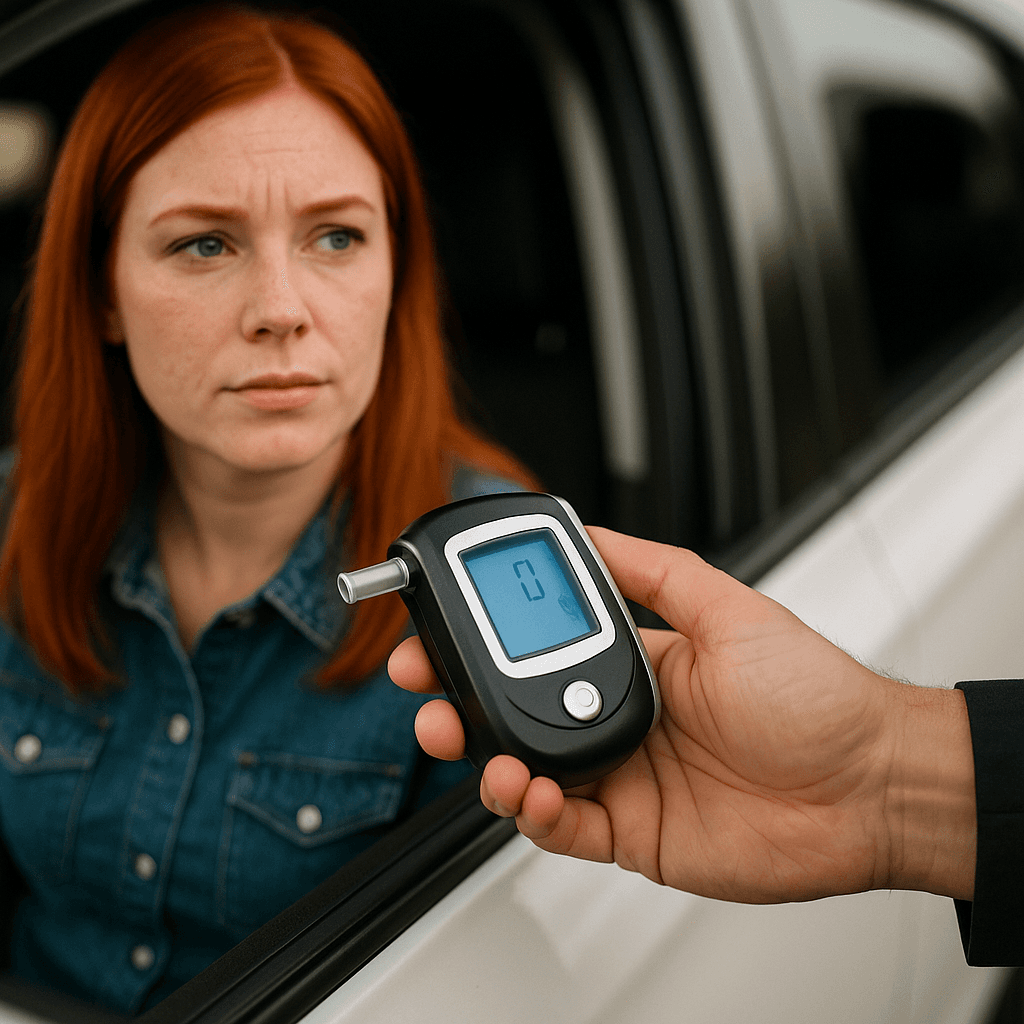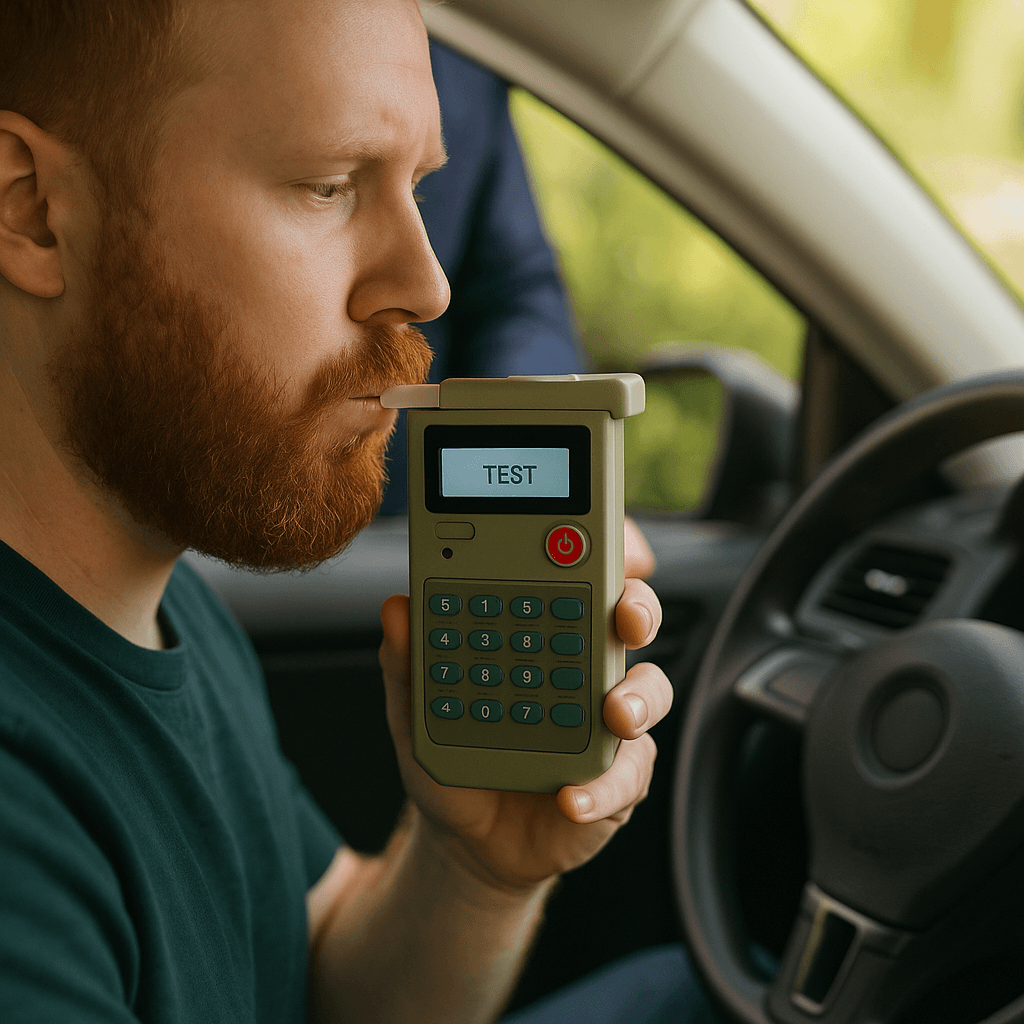
Texas courts require ignition interlock installation before granting an Occupational Driver License for alcohol-related suspensions. The IID must be installed and calibrated before your petition hearing, and calibration schedules are court-monitored throughout your ODL period.
When Texas Courts Require IID Installation Before ODL Approval
Texas courts require ignition interlock devices for all Occupational Driver License petitions stemming from alcohol-related suspensions under Transportation Code Chapter 524 and 724. The IID must be installed and operational before your petition hearing, not after the court grants the ODL. Most petitioners schedule installation 7-10 days before their scheduled hearing to allow time for the first calibration report.
The installation requirement applies to ALR suspensions triggered by breath test failure or refusal, not just criminal DWI convictions. Courts treat both administrative and criminal alcohol-related suspensions identically for IID requirements. If your suspension resulted from a positive breath test during a DWI arrest, you need the IID installed before petitioning even if criminal charges are still pending.
Texas uses the term ignition interlock rather than breathalyzer or interlock device in court orders. Your petition must list the installer name, device serial number, and installation date. Courts verify installation through DPS records before approving the ODL.
Install Timeline: Schedule Installation 10 Days Before Your Petition Hearing
Schedule your IID installation at least 10 business days before your ODL petition hearing date. Texas-approved installers typically need 5-7 days to report installation to DPS, and DPS needs 48-72 hours to update your driver record. Your attorney needs a clean DPS printout showing active IID compliance when filing the petition.
The installation appointment takes 60-90 minutes and requires your vehicle be present. You cannot install an IID on a leased vehicle without written lessor consent, and you cannot install it on a vehicle you do not own without the registered owner's notarized permission. If you share a vehicle with a spouse or family member, bring their signed consent form to the installation appointment.
Installation costs in Texas range from $75 to $150 depending on county and installer. Monthly monitoring fees run $60-$90. These costs are paid directly to the installer, not to the court or DPS. Your ODL petition must include proof of payment for the first month's monitoring.
Compare car insurance rates in your state
Get quotes from licensed carriers — no obligation, no spam, results in minutes.
Get Your Free Quote✓ No Obligation Required✓ Licensed Carriers Only✓ Available Nationwide✓ Free to Compare
Calibration Schedule: Monthly Monitoring Throughout Your ODL Period
Texas IID devices require calibration every 30 days from installation date, not from ODL approval date. Your first calibration appointment occurs 30 days after installation, typically before your ODL petition is even granted. Missing a scheduled calibration by more than 5 days triggers an automatic violation report to DPS and the court.
Calibration appointments take 15-20 minutes and must occur at your original installer location. The device locks if you exceed 37 days without calibration, preventing vehicle operation until calibration is completed. You cannot use a different installer for calibration appointments without court approval and DPS notification.
The installer submits a calibration report to DPS within 48 hours of each appointment. That report includes every lockout event, failed breath test, missed rolling retest, and tampering alert since the previous calibration. Courts receive monthly compliance summaries from DPS. A single failed test or missed rolling retest can trigger an ODL revocation hearing even if the violation occurred outside your approved work hours.
What Happens If You Miss a Calibration Appointment
Missing a calibration appointment by more than 5 days generates an automatic violation notice to DPS and the court that issued your ODL. The court schedules a compliance hearing within 14-21 days. You remain legally able to drive on your ODL until the hearing, but the IID device will lock at day 37, making driving impossible.
At the compliance hearing, the judge reviews the installer's report and determines whether to revoke your ODL. Most judges revoke immediately for missed calibrations with no mitigating circumstances. Accepted mitigating circumstances include documented medical emergencies requiring hospitalization and deployment for active military duty. Vehicle breakdowns, work conflicts, and forgotten appointments are not accepted.
If your ODL is revoked for a calibration violation, you must serve the remainder of your original suspension period with no driving privileges. You cannot petition for a new ODL until the full suspension term expires. The typical DWI first-offense ALR suspension is 90 days; if you lose your ODL at day 60, you serve the remaining 30 days with zero driving.
Rolling Retests and Work-Route Violations
Texas IID devices require random rolling retests every 15-45 minutes during vehicle operation. The device alerts with a tone and visual prompt; you have 6 minutes to pull over safely and provide a breath sample. Failing to respond within 6 minutes triggers a lockout event recorded in your calibration report.
Rolling retest violations count as IID failures even if you were driving within your approved work hours and routes. Courts do not distinguish between failed retests and failed startup tests. A single missed rolling retest can trigger revocation proceedings, and most judges treat missed retests as seriously as failed breath tests showing alcohol presence.
The 12-hour daily driving cap under Texas ODL law applies regardless of how many essential-need categories your court order lists. If your ODL allows driving for work, school, and medical appointments, your total combined driving time across all three categories cannot exceed 12 hours in any 24-hour period. IID data logs every ignition cycle with timestamps. Courts review these logs during compliance checks and can detect route violations even when you pass all breath tests.
IID Costs and SR-22 Filing for ODL Holders
Total IID costs for a typical 90-day ODL period run $325-$475: installation ($75-$150), three monthly monitoring fees ($180-$270), and removal ($70-$85). You pay the installer directly on their schedule. Most installers require the first month paid at installation and subsequent months paid at each calibration appointment.
SR-22 insurance is required for all Texas ODL holders regardless of suspension cause. The SR-22 filing must be active before the court grants your ODL petition. Carriers file SR-22 electronically with DPS; processing takes 24-48 hours. Your petition hearing cannot proceed without a DPS-verified SR-22 on file.
SR-22 filing fees are $15-$50 depending on carrier. Monthly premiums for ODL holders with IID requirements typically range from $140-$240 for minimum liability coverage. Non-owner SR-22 policies cost $90-$160 per month if you do not own a vehicle but need coverage to maintain your ODL. The SR-22 must remain active for 2 years from your ODL approval date under Transportation Code 601.153, even after your full driving privileges are restored.
What to Tell Your Employer About IID and ODL Restrictions
Your Texas ODL court order specifies approved driving hours and routes. Most work-related ODL orders approve driving to and from your workplace address plus driving during work hours if your job requires it. Your employer needs a certified copy of the court order showing these restrictions, not just a DPS license printout.
Some employers will not permit employees with IID-equipped vehicles to drive company vehicles or client vehicles due to liability concerns. If your job requires driving vehicles other than your personal vehicle, clarify this with your employer before petitioning for an ODL. The IID restriction applies to you as a driver, not to a specific vehicle: you cannot legally operate any vehicle without an installed IID during your ODL period.
If you lose your job during the ODL period, you must notify the court within 10 days and file an amended petition listing your new employment address and route. Continuing to drive to a former workplace after termination violates your ODL terms even if you are driving during approved hours. Courts treat post-termination driving as operating outside restriction and typically revoke the ODL.