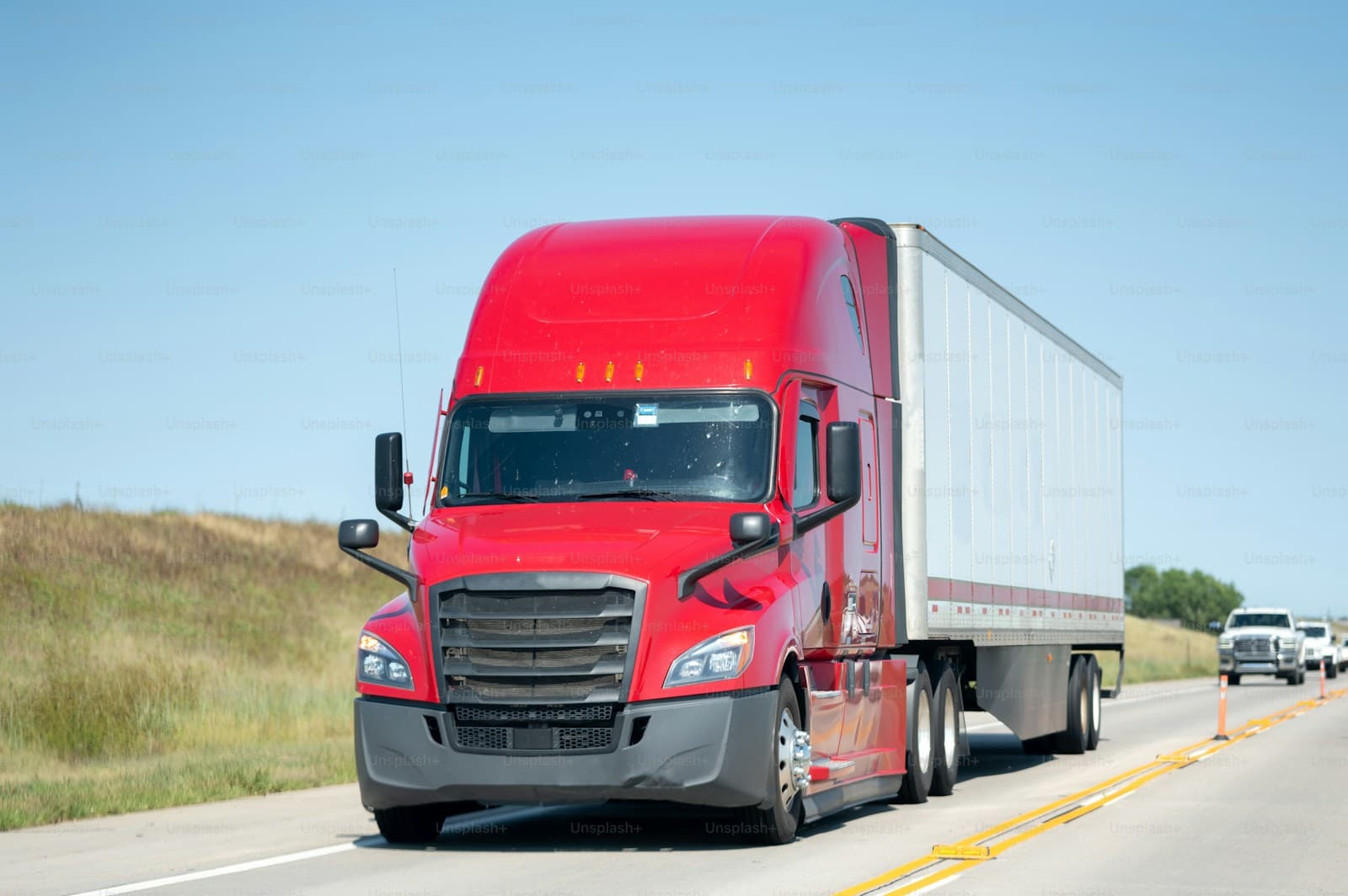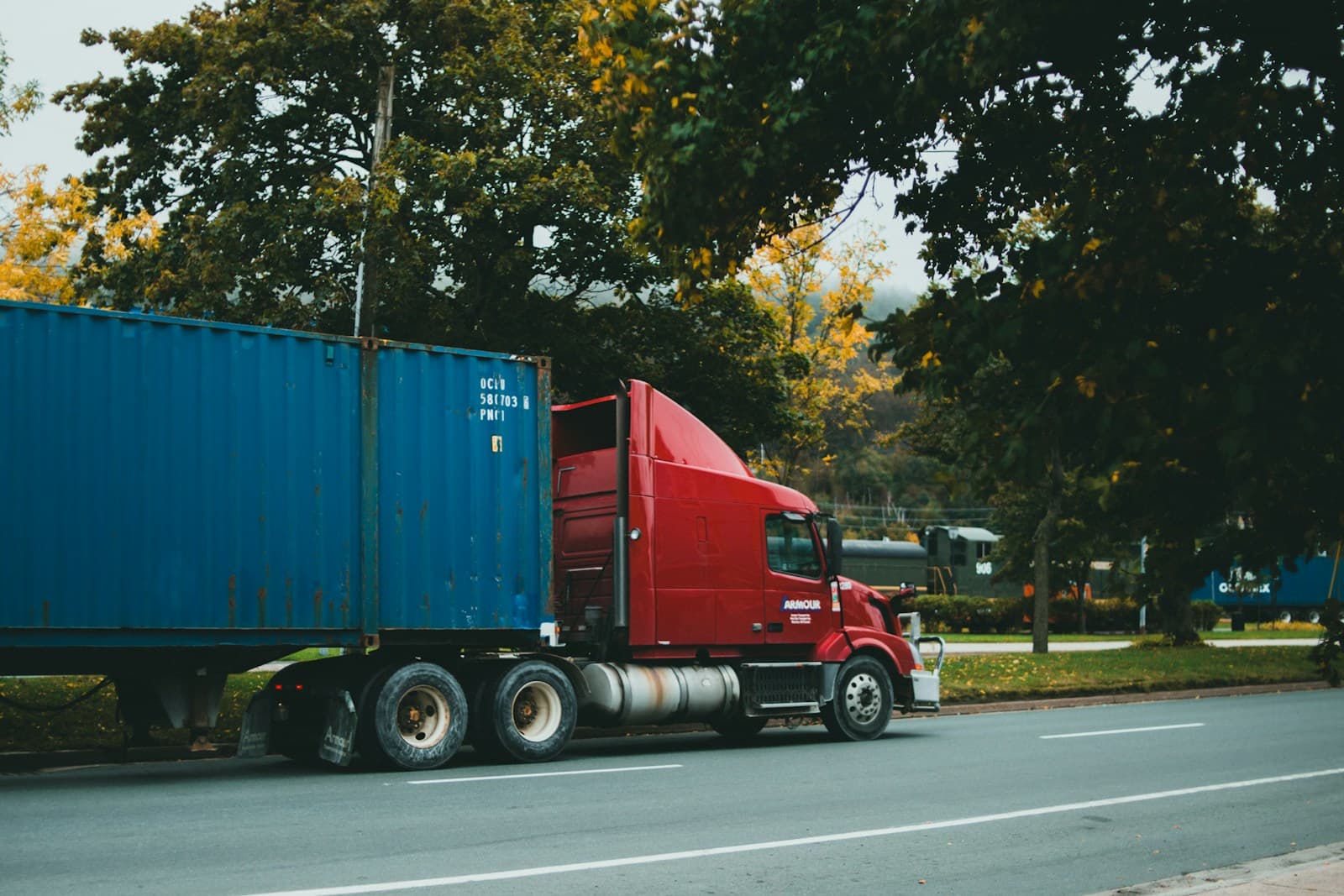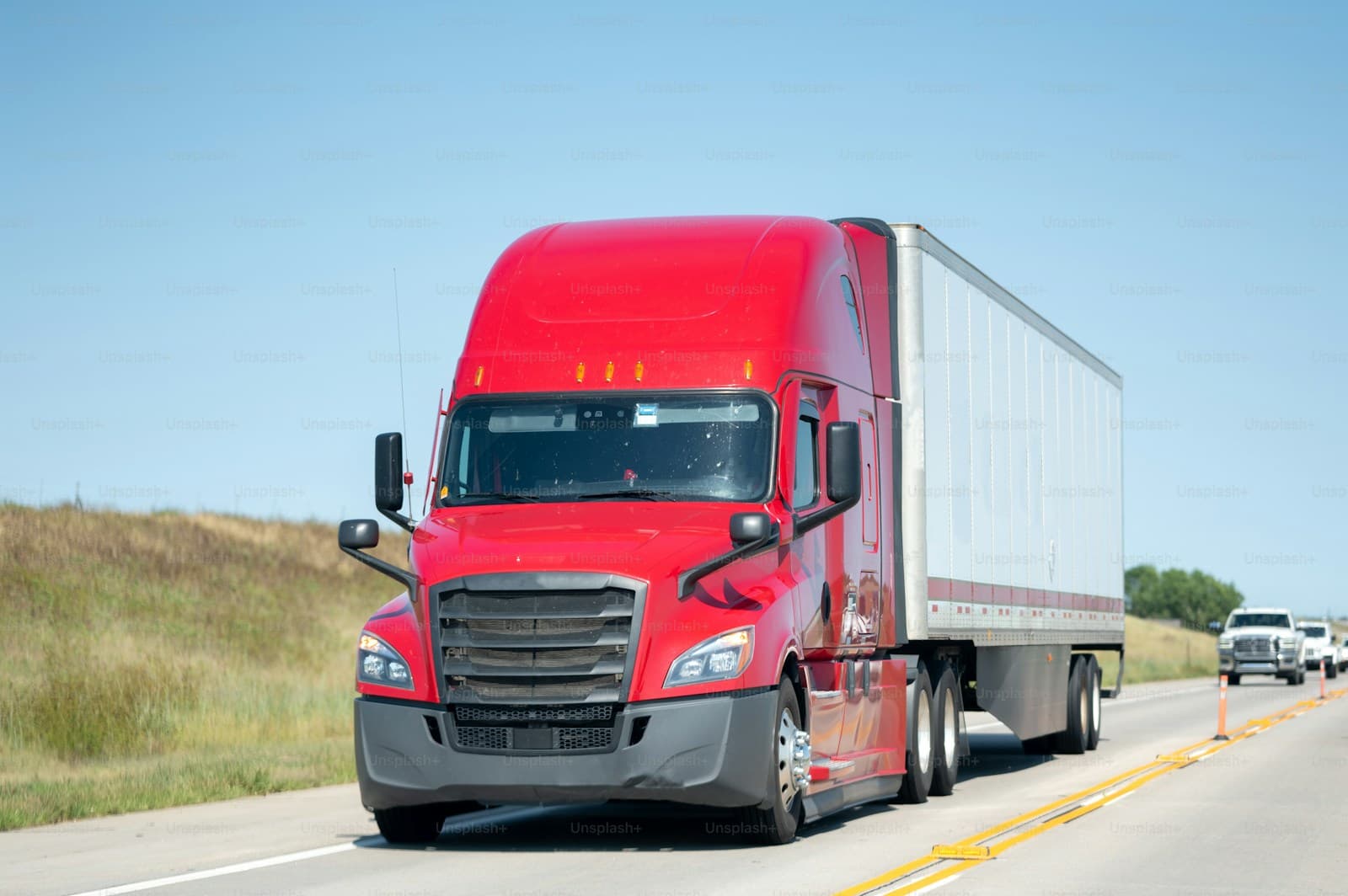
Your Texas Occupational Driver License cannot substitute for a disqualified Commercial Driver License. You can drive your personal vehicle to and from work, but not the commercial vehicle once you arrive.
Why Your Texas ODL Cannot Restore Commercial Driving Privileges
An Occupational Driver License issued by a Texas court authorizes essential-need driving in a personal vehicle only. It does not restore, substitute for, or override a disqualified Commercial Driver License under federal regulation. If your CDL is disqualified under 49 CFR Part 383, the ODL you obtain through Texas district or county court has no effect on that disqualification.
The confusion arises because Texas suspends both your Class A/B CDL and your underlying Class C privilege simultaneously when you receive a DWI or other disqualifying offense in a personal vehicle. The ODL petition process addresses only the Class C personal-driving suspension. Federal Motor Carrier Safety Administration rules govern CDL disqualification separately, and no state court order can shorten or modify those federal timelines.
This means you can use your ODL to drive your personal car to and from your trucking company's dispatch office, but you cannot operate the commercial vehicle once you arrive. Most CDL holders discover this gap after the court grants their ODL petition and they present the order to their employer's safety department.
What the Court Order Actually Authorizes for CDL Holders
The Texas district or county court order granting your ODL specifies essential-need routes and hours for personal vehicle operation. Texas Transportation Code §521.242 limits ODL use to driving necessary for work, school, or essential household duties. The court order enumerates approved locations and permitted hours, typically capping total driving at 12 hours per day.
For CDL holders, the approved work-related driving covers your commute to the employer facility and any personal-vehicle errands required by your job (picking up dispatch paperwork, attending safety meetings at satellite offices, driving to a drug testing site). It does not extend to operating the commercial vehicle itself. Your CDL disqualification remains in effect regardless of the ODL's scope.
Most Texas courts require employer verification when work-related driving is the petitioned essential need. The verification letter must describe your job duties, work location, required hours, and whether the position requires operating a commercial vehicle. If the letter states you are employed as a commercial driver, some judges will note in the ODL order that commercial operation is excluded. If the letter does not specify, the federal exclusion applies by default—state court orders cannot override 49 CFR Part 383.
Compare car insurance rates in your state
Get quotes from licensed carriers — no obligation, no spam, results in minutes.
Get Your Free Quote✓ No Obligation Required✓ Licensed Carriers Only✓ Available Nationwide✓ Free to Compare
How CDL Disqualification Periods Operate Independently of State Suspension
Federal CDL disqualification periods for DWI convictions run separately from Texas DPS Administrative License Revocation timelines. A first DWI conviction triggers a one-year CDL disqualification under 49 CFR §383.51, measured from the conviction date. Texas DPS suspends your underlying Class C privilege under Transportation Code Chapter 521 based on the same conviction, but the two suspension tracks do not sync.
Your ODL can address the state Class C suspension, allowing personal-vehicle driving during essential-need hours. The federal CDL disqualification continues to run. You cannot apply for CDL reinstatement until the federal disqualification period expires, even if your ODL has been active for months. Once the federal period ends, you must reapply through Texas DPS for a new CDL, which requires retesting (written and skills) and meeting medical certification standards again.
Some CDL holders mistakenly believe the ODL's SR-22 financial responsibility filing satisfies both state and federal requirements. It does not. SR-22 is a state insurance filing required by Texas DPS for ODL issuance. Federal CDL reinstatement requires proof of insurance at the time of reapplication, but the SR-22 itself has no effect on federal disqualification timelines.
What Happens If You Operate a Commercial Vehicle on an ODL
Operating a commercial vehicle while your CDL is federally disqualified constitutes driving without a valid commercial license. Texas peace officers and federal Motor Carrier Safety Administration inspectors can cite you under both state and federal law. The violation terminates your ODL immediately in most counties, because the court order restricts you to personal-vehicle essential-need driving and commercial operation falls outside that scope.
Your employer faces liability exposure and potential Federal Motor Carrier Safety Regulations violations if they allow you to operate commercially while disqualified. Most trucking companies and fleet operators verify CDL status through the Commercial Driver's License Information System before dispatch. If CDLIS shows an active disqualification, the company will not assign commercial driving duties regardless of what your ODL court order states.
Some CDL holders attempt to argue that the ODL's 12-hour daily driving cap and work-related authorization cover commercial operation. Texas courts uniformly reject this argument. The ODL statute, Transportation Code §521.241, does not grant authority to override federal CDL disqualification. Any commercial operation during the disqualification period extends the federal disqualification timeline and may trigger additional penalties under 49 CFR §383.51.
SR-22 Insurance Requirements for CDL Holders on an ODL
Every Texas ODL holder must maintain SR-22 financial responsibility filing for the duration of the court-ordered license, regardless of the underlying suspension cause. For CDL holders, this means obtaining employment-hardship SR-22 insurance that covers personal-vehicle operation only. The policy does not extend to commercial vehicles, and most carriers writing SR-22 policies exclude commercial use explicitly in the policy language.
Typical monthly premiums for SR-22 coverage after a DWI conviction in Texas range from $140 to $220 for minimum liability limits ($30,000 per person, $60,000 per accident, $25,000 property damage). If you own the personal vehicle you will drive under the ODL, you need owner SR-22 coverage. If you do not own a vehicle but will borrow or rent one for commuting, non-owner SR-22 for commuters provides the required financial responsibility filing without vehicle ownership.
The SR-22 filing must remain active for the entire duration your ODL is in effect. If the policy lapses or cancels, the carrier notifies Texas DPS electronically, and DPS revokes the ODL within 10 days. CDL holders cannot reinstate the ODL without filing a new court petition and providing proof of continuous SR-22 coverage from the lapse date forward. Most counties require a 30-day continuous coverage period before scheduling a new ODL hearing.
Employment Options During the Federal CDL Disqualification Period
CDL holders facing federal disqualification often transition to non-driving roles within the same employer during the disqualification period. Dispatch coordination, warehouse supervision, load planning, and safety compliance positions allow you to remain employed in the transportation industry without operating commercial vehicles. Your ODL allows personal-vehicle commuting to these positions under the court-ordered hours and routes.
Some employers offer temporary reassignment agreements that guarantee return to commercial driving duties once federal CDL reinstatement is complete. These agreements require documentation: the court order granting your ODL, proof of SR-22 coverage, and confirmation from DPS that your Class C personal-driving privilege is valid under the restricted license. Human resources departments typically require all three documents before approving reassignment.
If your employer cannot offer non-driving work, the ODL allows you to commute to a different job entirely. The court order must reflect the new work location, hours, and route. Most Texas courts allow ODL amendment petitions when employment circumstances change, but the amendment requires another court appearance, updated employer verification, and a filing fee (varies by county, typically $50 to $150). The SR-22 coverage must remain active throughout the amendment process.