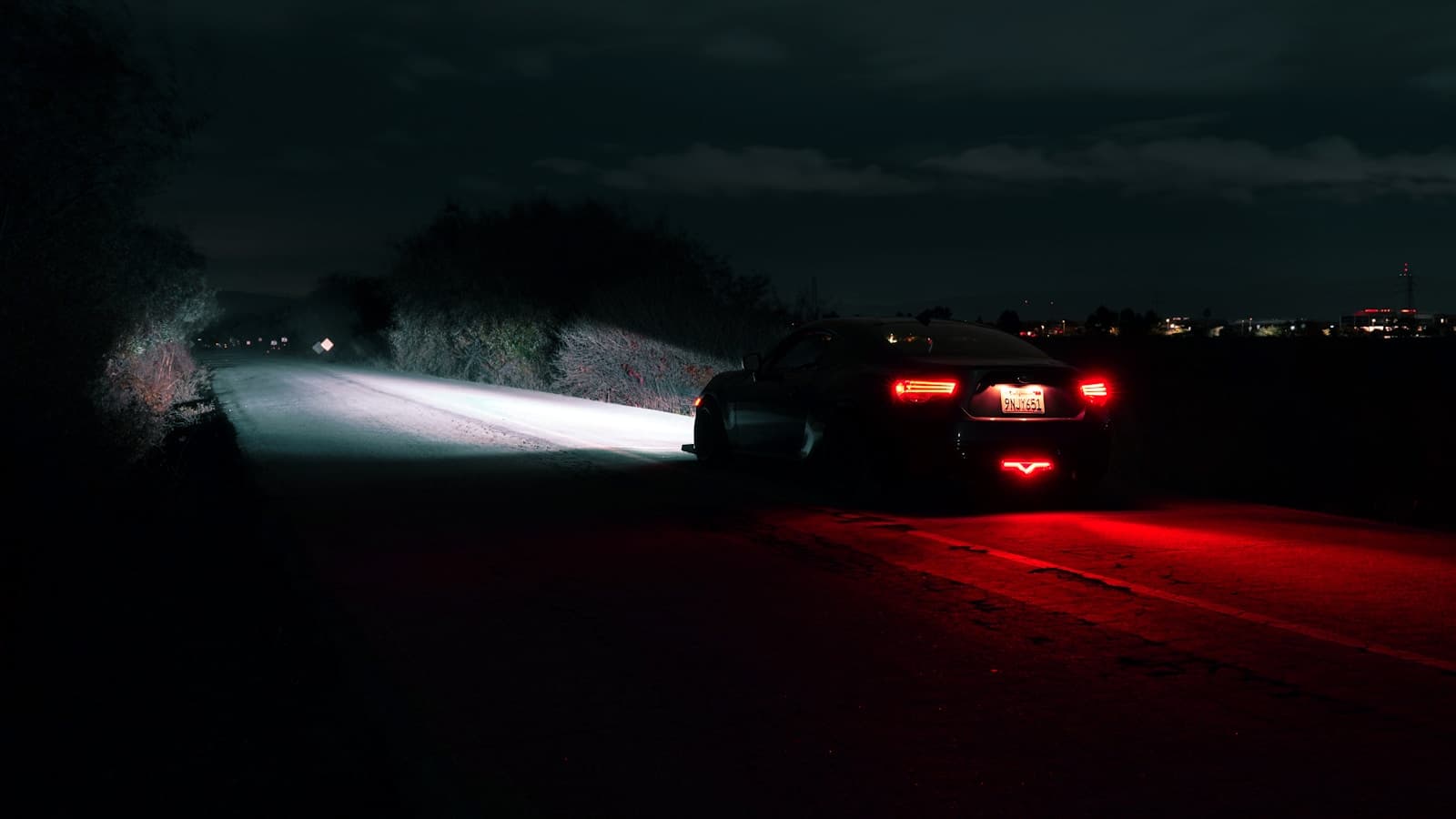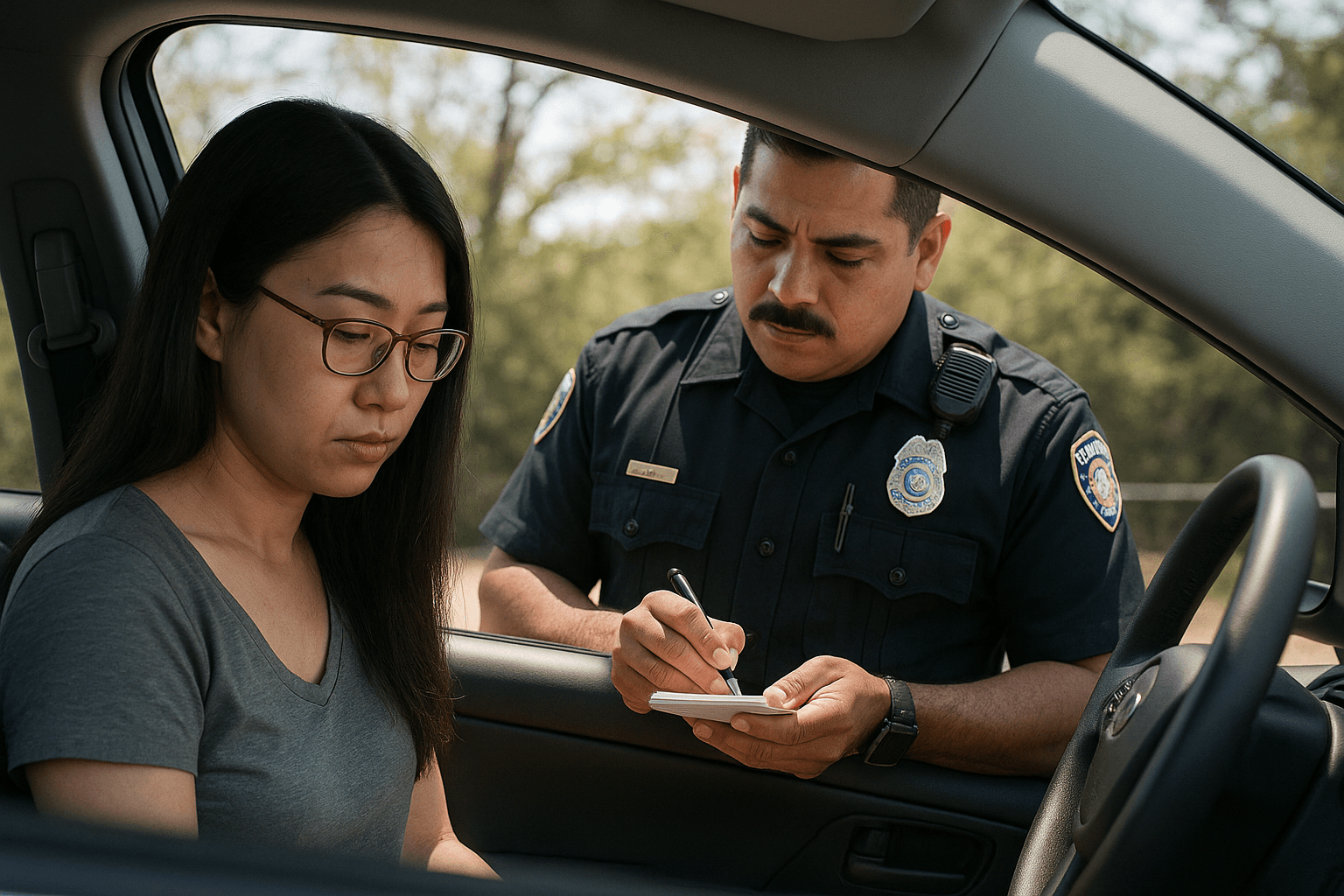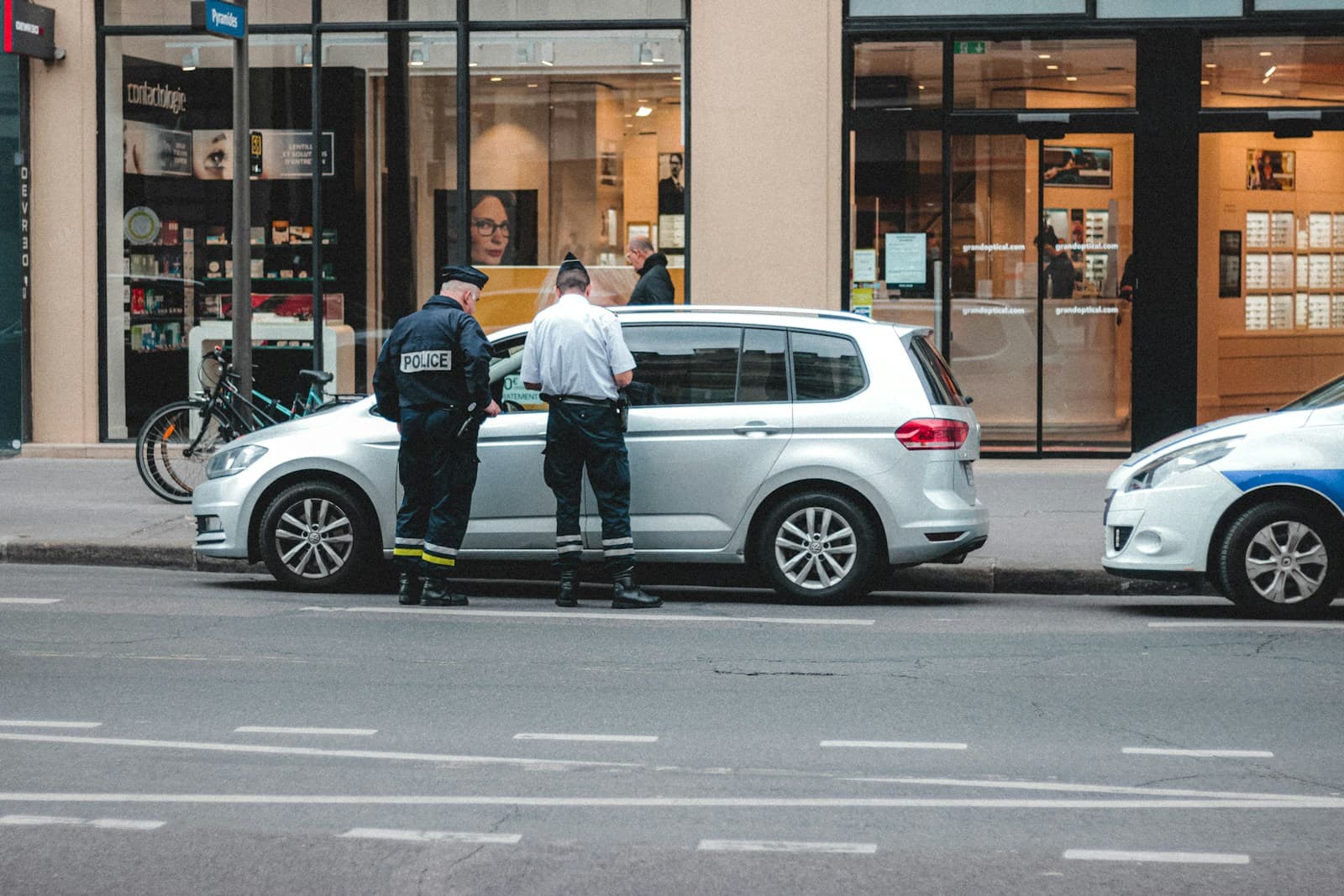
Most states restrict work permits to standard business hours. If your shift starts at 11 PM, you need employer documentation that proves the overnight route is job-required—not discretionary travel.
Why Overnight Shift Documentation Gets Scrutinized More Than Day Shifts
Judges and DMV hearing officers flag overnight driving requests because most hardship applications claim standard 8-5 work hours. When your employer letter states a shift beginning at 10 PM or later, the examiner assumes discretionary travel unless the documentation proves otherwise. The burden shifts: you must show the overnight route is the only way to perform the job, not a convenience preference.
Most state hardship programs define approved hours as "direct route to and from work during the hours necessary for employment." The phrase "hours necessary" becomes the friction point. A daylight factory worker's 6 AM start requires predawn driving; that necessity is self-evident. A restaurant cook working 11 PM to 7 AM faces the same commute necessity, but examiners often require explicit confirmation the shift is permanent, not rotating, and that the employer has no daylight openings available.
Texas occupational license applications, for example, ask whether alternative transportation exists during the restricted hours. If your shift runs midnight to 8 AM and no public transit operates on that route during those hours, the employer letter must state both facts: shift time and transit unavailability. Omitting either gives the judge discretion to deny based on assumed alternatives.
What the Employer Verification Letter Must Include for Overnight Approval
Standard employer letters confirm your name, job title, and work address. Overnight shift workers need four additional elements: exact shift start and end times, confirmation the schedule is fixed (not rotating), a statement that the position cannot be performed during daylight hours, and the employer's acknowledgment that you must drive to perform the role.
The fixed-schedule requirement matters because some states interpret rotating shifts as evidence you could request reassignment to daylight hours. If you work three nights one week and two days the next, the hearing officer may argue your employer can accommodate a permanent day assignment. If your schedule rotates but daylight shifts are unavailable in your role, the employer letter must state: "This position operates on a fixed overnight schedule with no daylight alternative shifts available."
Georgia limited driving permits require employer letters on company letterhead signed by a supervisor or HR representative. The letter must include the business phone number. Examiners call to verify. If the number goes to a generic voicemail or the signing supervisor no longer works there, your application stalls until you provide updated documentation.
Compare car insurance rates in your state
Get quotes from licensed carriers — no obligation, no spam, results in minutes.
Get Your Free Quote✓ No Obligation Required✓ Licensed Carriers Only✓ Available Nationwide✓ Free to Compare
How Route Restrictions Apply When Your Shift Crosses Midnight
Most hardship permits authorize driving only during the hours stated on the employer letter. If your shift is 11 PM to 7 AM, your approved driving window includes the commute buffer before and after those hours—typically 30 minutes in each direction. Driving at 2 PM the same day, even for an errand, violates the restriction and triggers revocation.
The complication: some states calculate the restriction window by calendar day, not shift cycle. If your permit says "authorized to drive for work purposes Monday through Friday," and your Friday shift runs 11 PM Friday to 7 AM Saturday, Saturday morning is technically outside the approved days. Florida business purposes licenses handle this by listing "shift hours" rather than day names, but many states default to day-of-week language. Your employer letter should describe the shift as "Sunday night through Thursday night, 11 PM start" rather than "Monday through Friday overnight" to match how the permit will be written.
Illinois restricted driving permits issued for overnight work include a line on the physical permit card stating approved hours. If stopped during your commute at 6:45 AM and the permit lists hours as "10 PM to 6 AM," you are outside the window. Employers must account for realistic commute time when drafting the letter. A 30-minute drive requires a 6:30 AM end time on the permit to cover the return trip legally.
What Happens If Your Employer Refuses to Document Overnight Hours
Some employers will not provide hardship verification letters for liability reasons. They fear being named in a lawsuit if you cause a collision while driving on a restricted license to their workplace. This is more common in industries that employ overnight workers: warehousing, healthcare, food service, hospitality. The employer's concern is that the letter creates evidence they knowingly allowed a suspended driver to commute for their benefit.
You cannot fabricate the letter or ask a coworker to sign it. Hardship hearing officers verify employer information by calling the business directly. If the person who signed your letter does not work there or denies writing it, your application is denied and you may face additional penalties for submitting false documentation.
The alternative: some states allow hardship permits for essential household duties or medical appointments in addition to work. If your employer refuses documentation, you may qualify under a different approved purpose. Texas occupational licenses cover work, school, and essential household duties. Michigan allows driving for "serious risk of family hardship." The burden of proof is higher, but it creates a path when employer cooperation is unavailable. Document your transportation need with rent statements, custody schedules, or medical appointment records instead.
SR-22 Filing Setup for Overnight Work Permits
If your suspension requires SR-22 filing—common for DUI, uninsured driving, and some points-based suspensions—you must have the SR-22 on file before the hardship permit is issued. The insurer files the SR-22 certificate with the state DMV electronically, usually within 24 to 48 hours of policy purchase. The permit approval cannot proceed until the state confirms receipt.
Non-owner SR-22 policies cover drivers who do not own a vehicle but need to meet the filing requirement. Premium for non-owner SR-22 typically runs $40 to $80 per month depending on your violation history and state. If you drive a vehicle you own, you need a standard auto policy with SR-22 endorsement. Either way, the SR-22 filing fee is $15 to $50 depending on the carrier, separate from the premium.
Some carriers exclude coverage during certain hours or for certain purposes when issuing policies to restricted-license holders. If your SR-22 policy excludes overnight driving and your permit authorizes overnight work commutes, you are uninsured during that window despite holding a valid policy. Read the exclusions page of your policy declarations carefully. If an exclusion conflicts with your permit terms, you need a different carrier before the permit becomes valid.