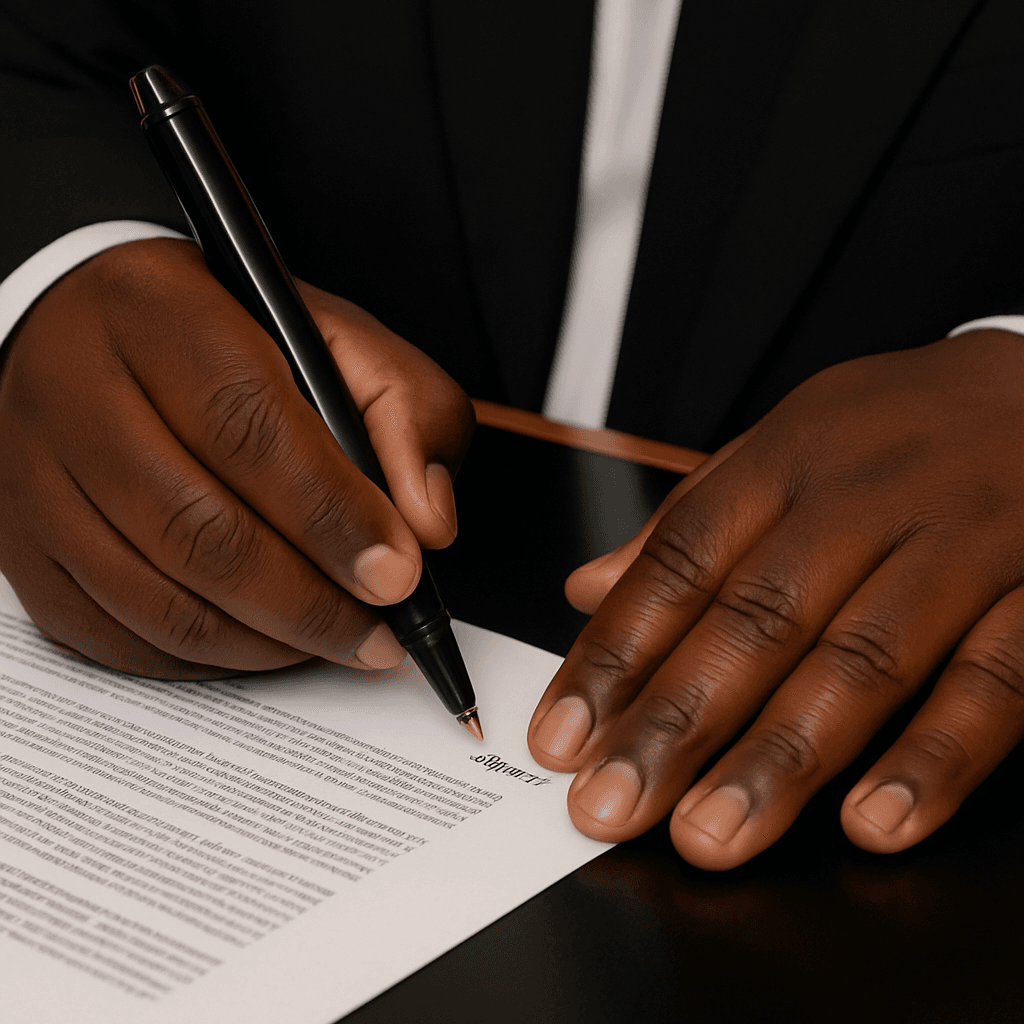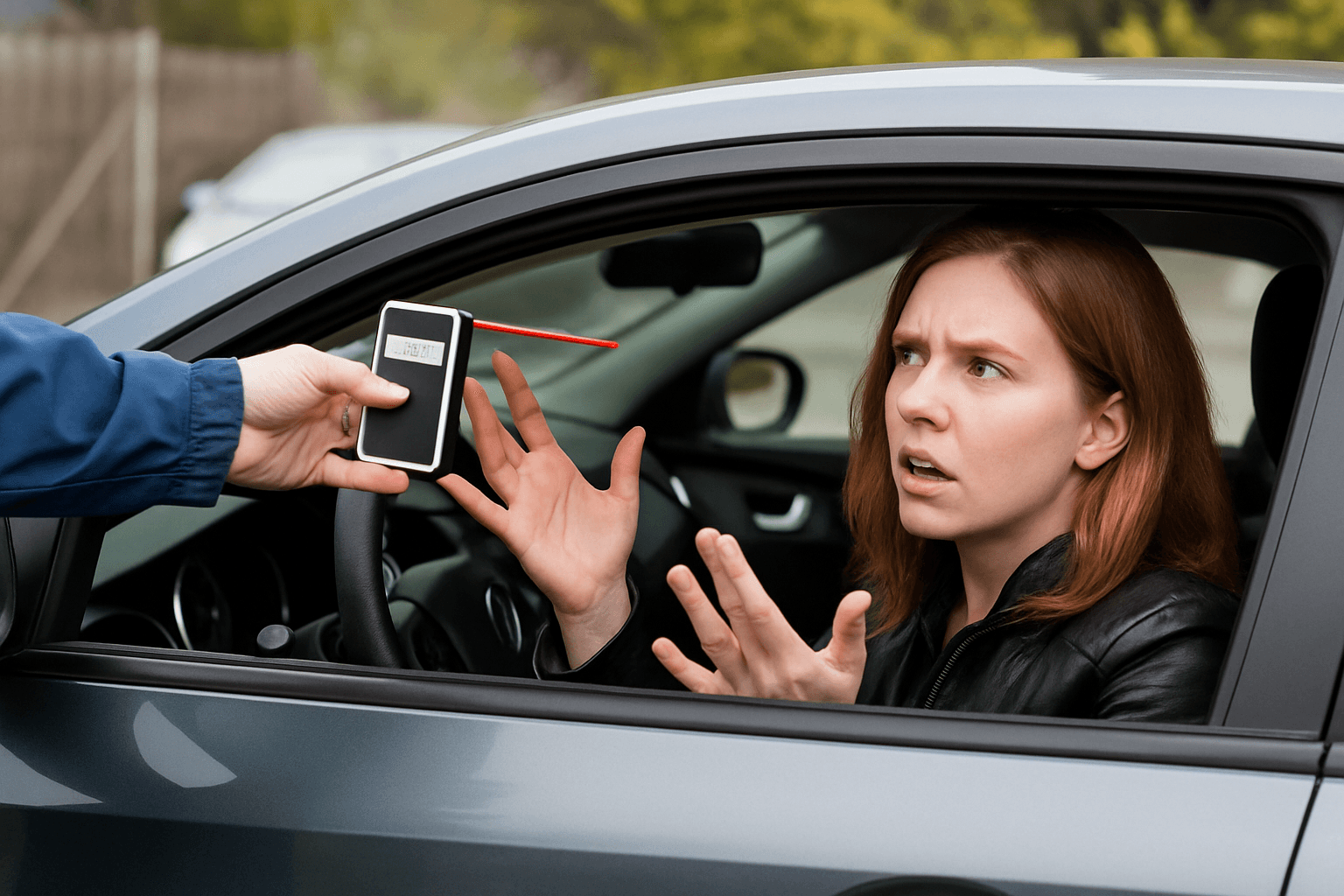
Rhode Island requires you to petition a judge for a hardship license — but your work-route documentation, employer letter, and SR-22 setup must satisfy the court before you ever step foot in the hearing. Most applicants arrive unprepared for the level of documentation judges demand.
Why Rhode Island's Hardship License Approval Is a Court Decision, Not a DMV Transaction
Rhode Island does not process hardship license applications through the Division of Motor Vehicles. You petition the court — either Traffic Tribunal or Superior Court, depending on the underlying offense. The judge decides whether your work need justifies restricted driving privileges during suspension.
Judges require documented proof: an employer letter confirming your work hours, route necessity, and job title; proof of SR-22 filing if your suspension stems from DUI or uninsured driving; and evidence that losing your license will create genuine hardship beyond inconvenience. RIGL § 31-11-18.1 governs the hardship license petition framework. The statute does not create an automatic right to approval — courts exercise discretion based on the severity of the underlying offense and the strength of your hardship claim.
First-offense DUI suspensions typically require a 30-day hard suspension period before hardship eligibility begins. The exact length depends on BAC level and whether the conviction involved aggravating factors. If you petition before the hard suspension ends, the court will deny your application regardless of work need. For chemical test refusals under R.I. Gen. Laws § 31-27-2.1, the administrative suspension lasts six months to one year. Hardship eligibility during refusal suspensions is not confirmed at the statute-specific level — consult an attorney before filing your petition if your suspension stems from refusal.
What Employer Documentation Rhode Island Courts Actually Accept
Your employer letter must state your job title, work schedule with exact hours, the physical address of your workplace, and the reason driving is essential to your employment. Generic statements that you "need a car for work" do not satisfy the evidentiary standard.
If your job requires driving during work hours — delivery routes, field service, client visits — the letter must describe those driving responsibilities in detail. Judges distinguish between commute-only needs and jobs where driving is a core function. A warehouse worker whose employer confirms a 7:00 a.m. start time and no public transit option presents a stronger case than a sales representative who could theoretically work remote but prefers not to.
For gig workers and commission-based drivers, work-hours documentation becomes more complex. Uber, Lyft, and DoorDash driving are explicitly commercial activities. Hardship licenses do not authorize commercial driving. If your income depends on rideshare or delivery, you will not qualify under Rhode Island's work-purposes framework. Judges treat employment hardship as relief for employees traveling to a fixed workplace, not as business licensing for commercial operators.
Compare car insurance rates in your state
Get quotes from licensed carriers — no obligation, no spam, results in minutes.
Get Your Free Quote✓ No Obligation Required✓ Licensed Carriers Only✓ Available Nationwide✓ Free to Compare
How Court-Defined Route and Hour Restrictions Actually Work
Rhode Island hardship licenses restrict you to court-approved routes and hours. The court order specifies where you may drive and when. Typical approval: home to work, work to home, during hours necessary for employment. Some judges add approval for medical appointments, DUI education classes, or school drop-off if you document those needs in your petition.
You cannot deviate from the approved route without risking a violation charge. Stopping at a grocery store on the way home from work violates the restriction unless the court order explicitly allows household errands. Driving outside approved hours — even to the same workplace — violates the restriction. If your work schedule changes after the court grants your hardship license, you must petition for an amended order before driving the new hours.
Rhode Island uses an electronic insurance verification system under RIGL § 31-47-1. If your SR-22 policy lapses during your hardship license period, the DMV receives immediate notification. The court can revoke your hardship license for insurance lapses even if you were unaware the policy canceled. Maintain continuous SR-22 coverage for the entire suspension period — typically three years following DUI convictions or uninsured motorist violations under RIGL Title 31 Chapter 47.
When Ignition Interlock Becomes a Condition of Hardship Approval
Rhode Island courts require ignition interlock devices for DUI-related hardship licenses. The IID monitors your breath alcohol content before the vehicle starts and at random intervals while driving. You pay for installation, monthly monitoring fees, and calibration appointments.
The court order will specify IID installation as a condition of your hardship license. You must install the device before the hardship license becomes valid. Driving without an operational IID when the court order requires one is a separate criminal offense. Installation costs range from $70 to $150. Monthly monitoring fees run $60 to $80. Calibration appointments every 30 to 60 days add another $20 to $40 per visit. Over a one-year hardship license period, total IID costs reach $1,000 to $1,500.
If you do not own a vehicle, IID requirements create a logistical problem. You cannot install an interlock device in a borrowed car or a vehicle you do not own. Some IID providers offer rental programs, but those programs are rare and expensive. Most DUI offenders facing this situation either purchase an inexpensive used vehicle to install the device in or remain without a hardship license until full reinstatement eligibility.
The SR-22 Filing Setup Rhode Island Courts Require Before Approval
Rhode Island requires SR-22 certificates of financial responsibility for DUI-related suspensions and uninsured motorist violations. You must file SR-22 before the court will approve your hardship license petition. The SR-22 filing proves you carry at least the state's minimum liability coverage: $25,000 per person for bodily injury, $50,000 per accident for bodily injury, and $25,000 for property damage.
SR-22 is not a separate insurance policy. It is a filing your insurer submits to the Rhode Island DMV confirming your coverage meets the state's financial responsibility requirement. Not all carriers offer SR-22 filing. If your current insurer does not file SR-22, you must switch to a carrier that does. Carriers writing SR-22 in Rhode Island include Geico, Progressive, The General, State Farm, USAA, and National General.
SR-22 filing adds $25 to $50 as a one-time processing fee. The larger cost is the premium increase. Drivers requiring SR-22 after DUI convictions pay approximately $180 to $280 per month for liability-only coverage — two to three times the rate clean-record drivers pay. If you do not own a vehicle, you need non-owner SR-22 insurance. Non-owner policies provide liability coverage when you drive a borrowed or rental vehicle. Non-owner SR-22 premiums range from $40 to $90 per month in Rhode Island, significantly lower than standard policies because the carrier's risk exposure is lower.
What Happens If You Drive Outside Approved Hours or Routes
Driving outside the court-approved restrictions on your hardship license is a criminal offense in Rhode Island. If law enforcement stops you outside approved hours or off your approved route, you face charges for driving on a suspended license — the same charge as if you were driving with no license at all.
The court will revoke your hardship license. You lose work-driving privileges for the remainder of the suspension period. Some judges impose additional suspension time as a penalty for violating hardship terms. The original suspension clock does not restart, but your eligibility for full reinstatement can be delayed.
If you are convicted of violating your hardship license terms, your SR-22 carrier may cancel your policy. Rhode Island's electronic insurance verification system notifies the DMV immediately when your policy cancels. You cannot reinstate your license at the end of the suspension period without proof of continuous SR-22 coverage for the required filing duration — typically three years from the conviction date for DUI offenses. A policy lapse creates a gap in your filing history. You must file SR-22 again and restart the three-year clock from the date you re-establish coverage.
How CDL Holders Face Additional Restrictions Even With Hardship Approval
Rhode Island hardship licenses do not authorize commercial driving. If you hold a commercial driver's license and your job requires operating a commercial vehicle, the hardship license does not help you. Federal Motor Carrier Safety Administration regulations prohibit CDL holders from operating commercial vehicles during suspension periods, even with state-issued hardship licenses.
You can use a Rhode Island hardship license to drive a personal vehicle to and from a CDL-required job, but you cannot operate the commercial vehicle itself. For example, a bus driver whose license is suspended after a personal-vehicle DUI can petition for a hardship license to commute to the bus depot but cannot drive the bus. Most employers in CDL-required positions will not retain drivers who cannot perform the core driving function. The hardship license solves the commute problem but does not solve the employment problem.
If your employer terminates you because you cannot perform CDL duties, you lose the underlying hardship basis for the restricted license. The court granted hardship relief based on the documented work need. If the job ends, the hardship justification evaporates. Some judges revoke hardship licenses when the employment documented in the original petition ends. Others allow the driver to petition for amended terms if new employment begins during the suspension period.