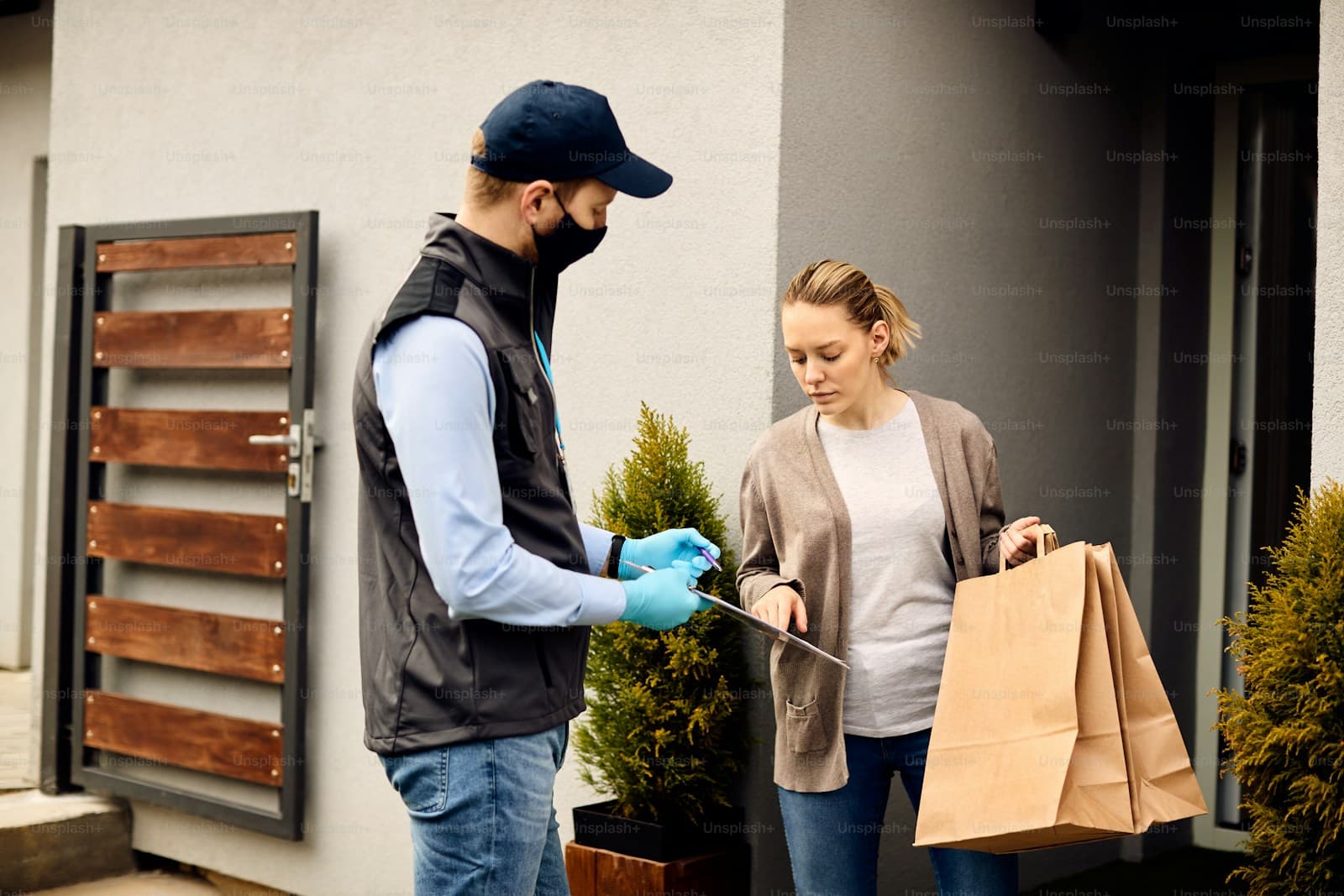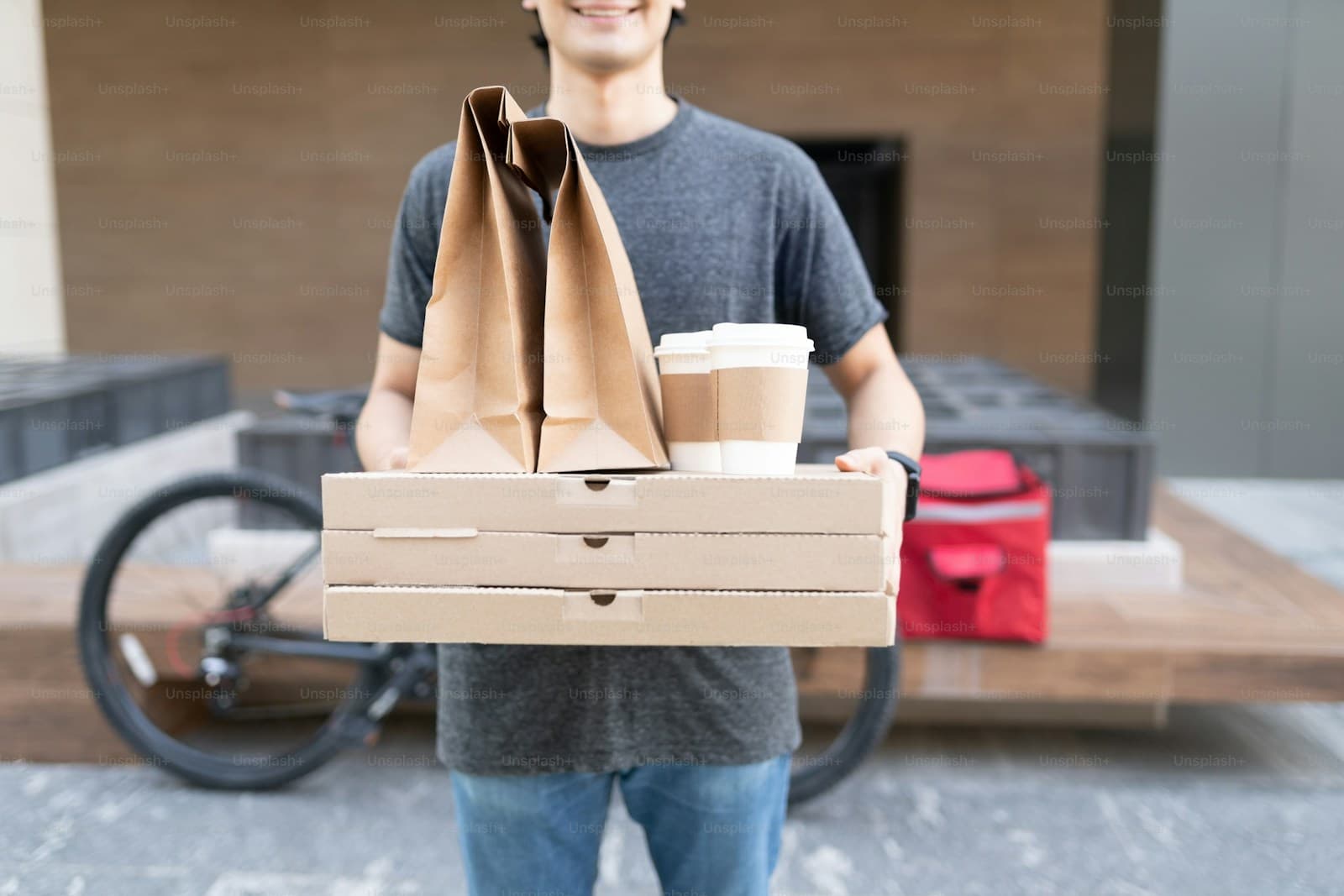
Most states define work permits by employer schedule and documented route. Pizza delivery triggers the gray zone: your shift is fixed but your destination changes every 30 minutes, and most DMV examiners classify variable-destination driving as ineligible for hardship restriction.
Why Pizza Delivery Doesn't Fit Standard Work Permit Language
Most state hardship license programs require you to document a fixed route between your residence and workplace, with approved hours that match your employer's verification letter. Pizza delivery breaks that model. Your employer can verify your shift times, but the destinations change every order. Alabama's hardship license statute requires "direct travel to and from work," which hearing officers interpret as a single workplace address. Florida's Business Purpose Only license covers "business purposes," but administrative judges typically exclude variable-destination roles where the business purpose is delivery itself.
Texas is the notable exception. The state's Occupational Driver License statute includes "performance of essential household duties," and case law has extended "essential duties" to include employment tasks performed during the work shift, not just commute. Pizza delivery drivers in Texas have successfully argued that delivery is part of the essential work duty, not recreational driving. Oklahoma's hardship license similarly permits driving "in the course of employment," which administrative hearing officers have interpreted to include delivery work when the employer's verification letter specifies delivery as the job function.
The distinction matters because most states fund their hardship programs around the commute use case: a worker who needs to drive to a factory, office, or construction site and then park. Delivery work inverts that model. You park briefly at the restaurant, then spend most of your shift driving. Vermont hearing officers have explicitly stated in published decisions that variable-destination work does not qualify for restricted licenses because the restriction cannot be enforced. If a trooper stops you at 8 PM on Route 7, how does the officer distinguish a legal pizza delivery from an illegal personal errand? Most states resolve that ambiguity by denying the permit.
The Commute-Only Path Most States Actually Offer
If your state excludes delivery work from hardship eligibility, the fallback is commute-only restriction. You can drive to the restaurant, work your shift without driving, then drive home. This eliminates delivery but preserves kitchen work, phone dispatch, counter service, or management shifts. Georgia's Limited Driving Permit restricts you to "direct route between residence and place of employment during specified hours." You document the route from home to the restaurant and the hours your shift starts and ends. During your shift, you cannot drive.
Employers handle this differently. Chain restaurants with multiple revenue streams typically reassign suspended-license delivery drivers to in-store roles. Independent pizzerias that rely entirely on delivery may not have non-driving work available, which means the permit does not preserve your job even if approved. Call your manager before filing the hardship application. If no non-driving role exists, the application wastes your filing fee and hearing preparation time.
Some drivers attempt to solve this by listing a second job on the hardship application: delivery at night, warehouse work during the day. If the warehouse job provides full-time hours and documented need, that job can anchor the hardship application. The delivery job drops off the petition. You lose the delivery income but preserve the primary paycheck. Illinois Restricted Driving Permit applications allow up to three employment addresses as long as each is documented with employer verification and route detail.
Compare car insurance rates in your state
Get quotes from licensed carriers — no obligation, no spam, results in minutes.
Get Your Free Quote✓ No Obligation Required✓ Licensed Carriers Only✓ Available Nationwide✓ Free to Compare
What Employer Verification Letters Must Say
Every state that offers work permits requires employer verification as part of the application. The letter must come from the business on letterhead, include the manager's name and contact information, state your job title, specify your work hours, and confirm that you cannot perform the job without driving. Pizza delivery creates a documentation problem. If the letter says "delivery driver," the hearing officer knows the job requires variable-destination driving. If the letter omits "delivery" and says "restaurant team member," the officer may question why driving is essential for kitchen or counter work.
The honest version works in Texas and Oklahoma: "Applicant is employed as delivery driver, works Monday through Friday 5 PM to 11 PM, job requires driving to customer locations throughout shift, termination will result if applicant cannot drive." In states where delivery work is a disqualifier, the letter must reframe the role if a non-driving position is available: "Applicant is employed as kitchen staff, works Monday through Friday 5 PM to 11 PM, requires transportation to workplace, no public transit available on this route."
Never ask your employer to fabricate job duties. If you are approved for commute-only restriction and a trooper stops you mid-delivery, the violation triggers immediate revocation and extends your suspension period. In Michigan, driving outside approved purposes during a hardship license term adds six months to the original suspension and disqualifies you from reapplying for hardship relief. The documentation must match what you actually intend to do.
SR-22 Filing and Premium Impact for Delivery Drivers
Most suspensions that lead drivers to hardship licenses also trigger SR-22 filing requirements. DUI, uninsured driving, and serious moving violations typically require continuous SR-22 for three years in most states. The filing itself costs approximately $25 to $50 depending on the carrier and state. The premium increase comes from the underlying violation, not the SR-22 form. A DUI suspension raises premiums approximately 80 to 140 percent regardless of whether you file SR-22.
Delivery drivers face a second pricing layer. If you return to delivery work after reinstatement, you need commercial or business-use coverage. Personal auto policies exclude coverage when the vehicle is used for commercial purposes. Some carriers offer delivery driver endorsements that add $40 to $80 per month to a standard policy. Others require a full commercial policy, which starts around $200 to $300 per month for minimum liability limits. If you are maintaining SR-22 during a hardship period and plan to resume delivery after full reinstatement, confirm with your agent whether the policy will cover delivery work or whether you need to switch carriers at reinstatement.
Non-owner SR-22 does not work for delivery drivers who use their own vehicle. Non-owner policies provide liability coverage when you drive a car you do not own. Pizza delivery in your own car requires an owned-vehicle policy with appropriate business-use coverage or endorsement. If you are using the restaurant's vehicle for deliveries, a non-owner SR-22 may be appropriate during the hardship period, but verify with your employer whether their commercial policy lists you as a driver and whether your state requires you to carry your own coverage in addition to theirs.
Ignition Interlock Implications for Delivery Work
DUI-triggered suspensions in most states require ignition interlock installation as a condition of hardship license approval. The device requires a breath sample before the engine starts and rolling retests every 5 to 15 minutes while driving. Pizza delivery complicates this. You cannot provide a rolling retest while carrying a pizza to a customer's door, which means the device logs a violation if the test window expires during a delivery stop. Some devices allow a grace period. Others do not.
Contact your interlock provider before resuming delivery work with a restricted license. Explain the job requires frequent stops where you exit the vehicle. Some providers program the device to extend the retest interval to 30 minutes for employment purposes when the hardship order specifies delivery work. Others do not offer that flexibility, which means every delivery creates violation risk. Three logged violations in most states trigger a compliance review and possible revocation of the hardship license.
If your state does not allow delivery work under hardship restriction, this problem disappears. Commute-only driving involves two trips per day, predictable timing, and no stops between home and work. Interlock compliance is straightforward. If your state does allow delivery work and requires interlock, the device becomes a practical job barrier even when the legal permission exists.
What Happens If You Deliver on a Commute-Only Permit
Driving outside the approved purposes of your hardship license is a separate criminal offense in most states. It is not a traffic ticket. Wisconsin classifies it as a misdemeanor with up to 30 days in jail and immediate revocation of the occupational license. The original suspension period restarts from the violation date. If you were six months into a 12-month suspension and you get caught delivering pizza on a commute-only permit, you now face 12 months from the new violation date plus the criminal penalty.
Law enforcement does not need to witness the violation in progress. If a trooper runs your license during a traffic stop and sees a hardship restriction, the officer will ask where you are going. If your answer does not match the documented purpose on file with the state, the officer can arrest you on the spot or issue a criminal summons depending on state protocol. The pizza in your passenger seat is evidence. Your employer cannot protect you. The liability is entirely yours.
Some drivers assume the risk is low because enforcement depends on being stopped. That logic fails in two scenarios. First, delivery drivers are on the road more than commuters, which increases stop probability. Second, if you are involved in an at-fault accident while delivering on a commute-only permit, your insurance will deny the claim because you were driving outside the policy's coverage terms and outside your legal driving authority. You are personally liable for the other driver's damages, which can reach tens of thousands of dollars for injury claims.
Path Forward: Get Coverage First, Then Decide the Job
The immediate need is SR-22 filing that satisfies your state's requirement. Employment-hardship SR-22 coverage is available from non-standard carriers even during active suspension. The filing proves financial responsibility to the DMV and is required before most states will schedule a hardship license hearing. Quotes vary by state, violation, and driving history, but expect approximately $140 to $250 per month for minimum liability limits with SR-22 attached.
Once coverage is in place, evaluate whether your state allows delivery work under hardship restriction or limits you to commute-only. If delivery is allowed and your employer can document the need, proceed with the hardship application and include delivery in the employer verification letter. If delivery is excluded, decide whether a non-driving role at the restaurant pays enough to justify the hardship application or whether you need to find different work that fits commute-only restriction. The hardship application fee in most states is nonrefundable, and hearing denials extend the timeline to full reinstatement.
Compare quotes through carriers experienced with suspended-license filings. Not all carriers accept SR-22 applications during active suspension, and rates vary by 40 percent or more between providers for the same coverage. Start the process now so your filing is in place when you are eligible to apply for hardship relief.