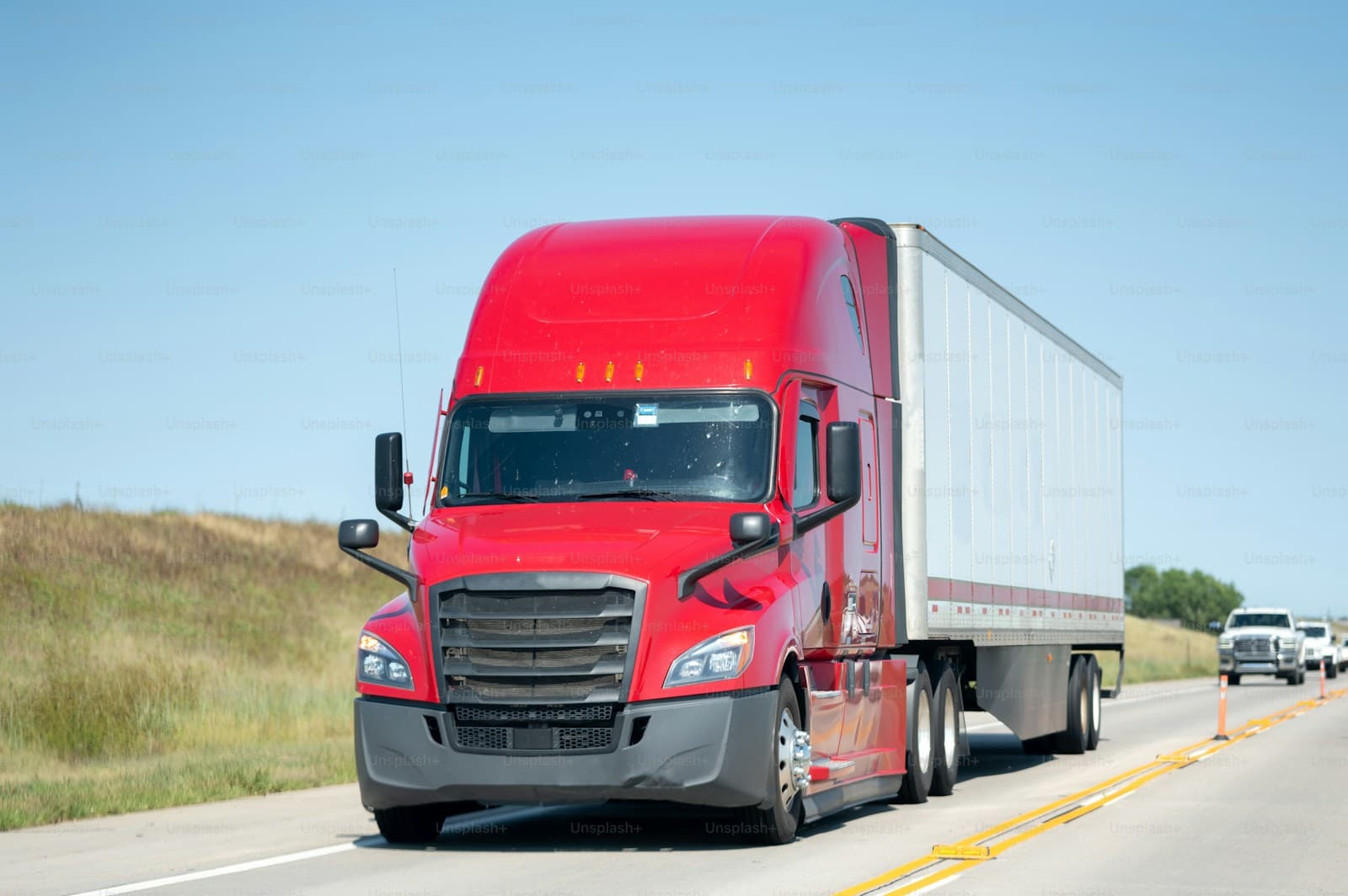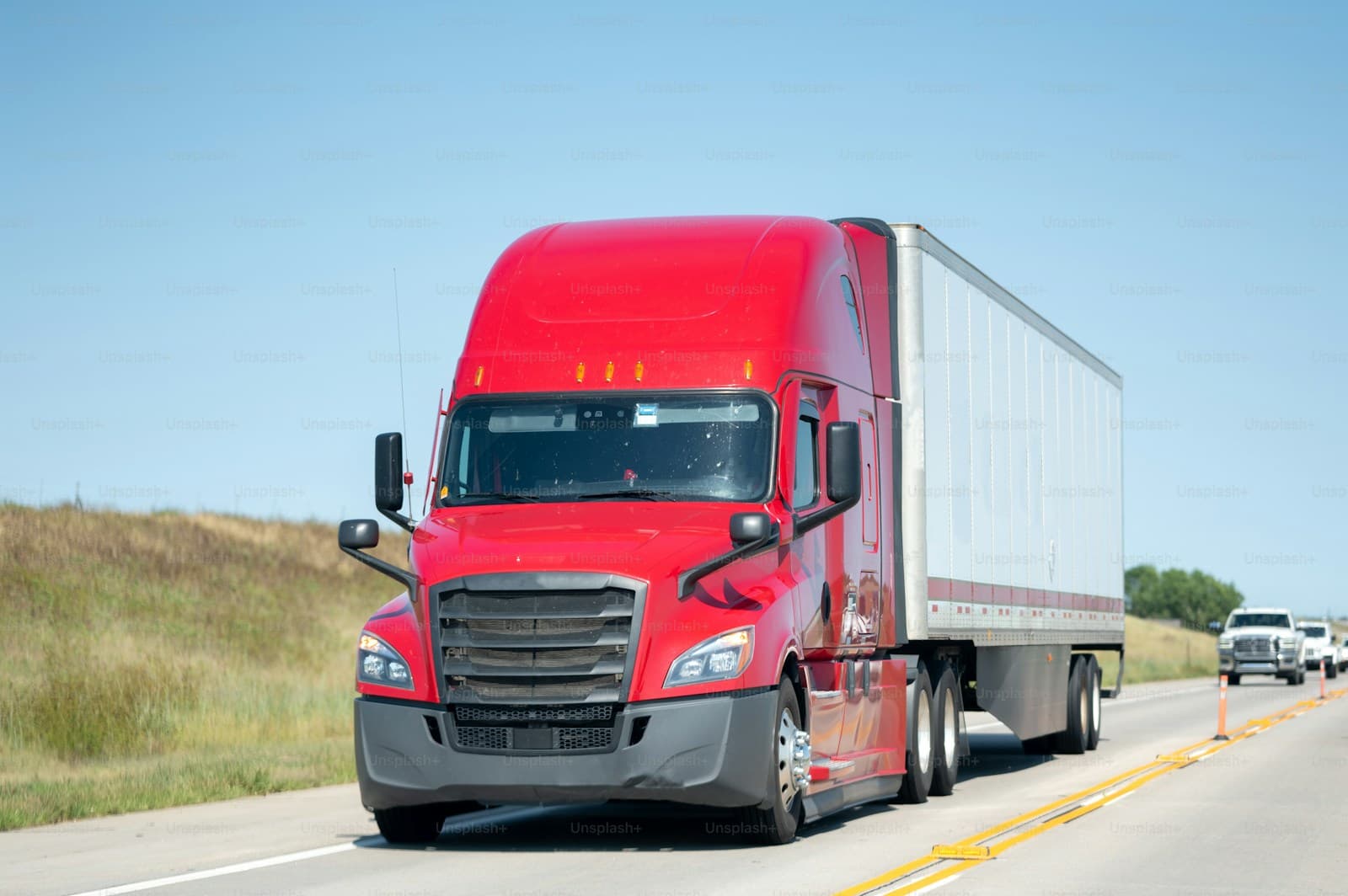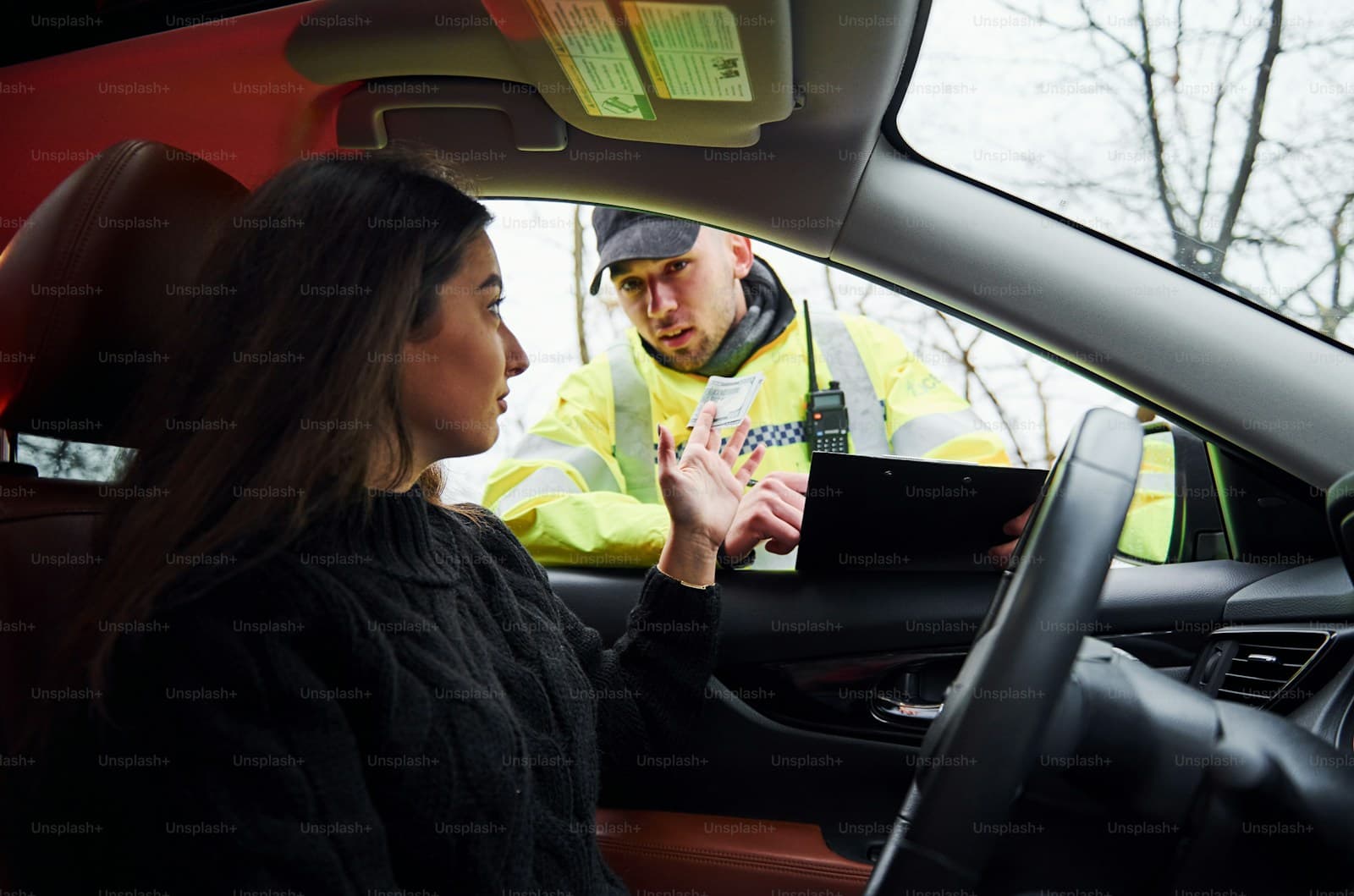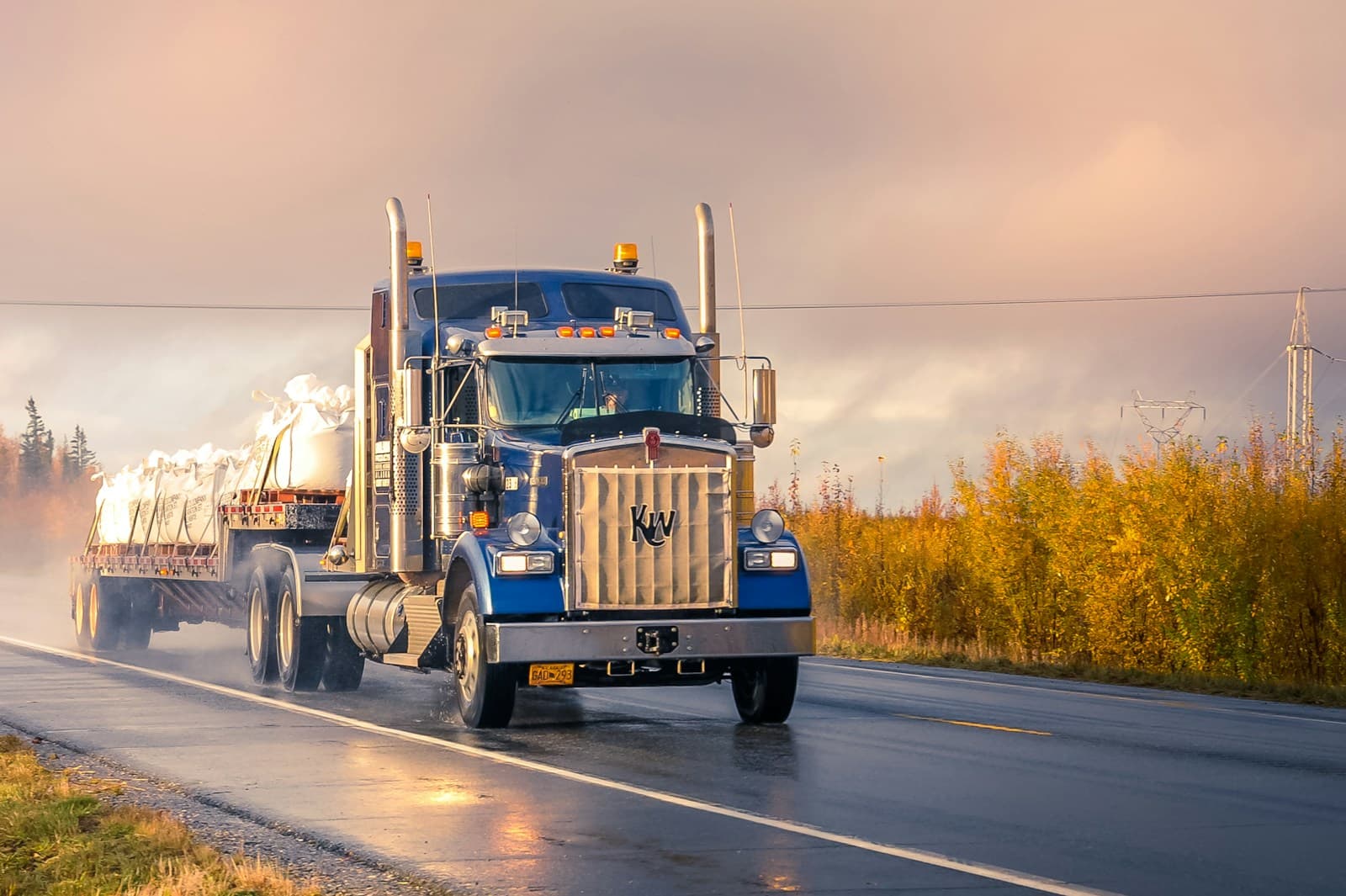
Pennsylvania's Occupational Limited License blocks commercial driving even when your job requires it. CDL holders approved for OLL can drive their personal vehicle to the job site, but cannot operate commercial vehicles once there.
What Pennsylvania's OLL Actually Authorizes for CDL Holders
Pennsylvania's Occupational Limited License grants permission to drive a personal vehicle to and from work, medical appointments, and court-approved therapeutic or vocational purposes. The license does not restore your commercial driving privilege. If your job requires operating a tractor-trailer, dump truck, delivery van, or any vehicle requiring a CDL, the OLL does not authorize that activity.
The court of common pleas issues OLL petitions under 75 Pa.C.S. § 1553. The statute permits occupational, vocational, and therapeutic driving. Commercial vehicle operation is excluded by PennDOT regulation and enforced through the Federal Motor Carrier Safety Administration's CDL disqualification framework. A suspended CDL remains suspended during the OLL period regardless of court approval for personal-vehicle commuting.
Most CDL holders petition for OLL expecting to resume their delivery route or truck driving job. The petition is approved. They drive to the job site legally. Then they discover the hard boundary: stepping into the commercial vehicle violates both the OLL restriction and federal CDL suspension rules. The employer cannot allow it, and the driver faces revocation of the OLL plus criminal charges for driving under suspension in a commercial capacity.
Why Pennsylvania's Dual-License System Creates the CDL Confusion
Pennsylvania issues two separate licenses when you hold both a personal driving privilege and a CDL endorsement. Your base driver's license governs personal vehicle operation. Your CDL endorsement governs commercial vehicle operation. A DUI suspension, points-based suspension, or court-ordered suspension typically affects both simultaneously.
When the court grants an Occupational Limited License, it restores limited personal driving authority. It does not touch the CDL suspension. PennDOT treats the CDL disqualification as a separate administrative action governed by federal rules in 49 CFR Part 383. Those rules mandate minimum disqualification periods for alcohol-related offenses, serious traffic violations, and out-of-service violations. No state court has authority to override federal CDL disqualification timelines.
Drivers see "occupational" in the license name and assume it covers their occupation. It does not. The occupational scope refers to the purpose of the trip, not the class of vehicle. You can drive your personal sedan to your trucking company's dispatch office. You cannot drive the company's 18-wheeler on I-76 afterward, even with a valid load assignment and employer authorization.
Compare car insurance rates in your state
Get quotes from licensed carriers — no obligation, no spam, results in minutes.
Get Your Free Quote✓ No Obligation Required✓ Licensed Carriers Only✓ Available Nationwide✓ Free to Compare
How the OLL Petition Process Works for Suspended CDL Holders
You file a petition with the court of common pleas in your county of residence. Pennsylvania has no statewide uniform OLL fee or processing timeline. Each county sets its own court costs, hearing schedules, and procedural requirements. Most counties require proof of employment, proof of financial responsibility via SR-22 insurance, documentation of the suspension cause, and a proposed driving schedule.
If your suspension stems from a DUI conviction, you must serve the mandatory hard suspension period before the court will consider granting an OLL. The hard suspension length varies by DUI tier: first-offense general impairment cases may carry no hard suspension, while high-BAC or refusal cases trigger 12-month administrative suspensions with multi-month hard periods. The court will not shorten the hard suspension. Once eligible, you petition. The court reviews your employment verification, proposed routes, and SR-22 proof. Approval typically includes conditions: ignition interlock device installation, restricted hours, and explicit prohibition of commercial vehicle operation.
The employer verification letter matters. The court wants to see your job title, work address, required hours, and whether the job involves commercial driving. If the letter states you drive a delivery truck, the judge will ask how you plan to perform that job without a valid CDL. Most petitions fail at that moment. The honest answer is you cannot perform the job under OLL terms, which means the occupational necessity argument collapses.
What Happens If You Drive a Commercial Vehicle on an OLL
Operating a commercial vehicle while your CDL is suspended constitutes driving under suspension in a commercial capacity. Pennsylvania treats this as a separate, more serious offense than personal-vehicle suspension violations. You face criminal charges, immediate revocation of the OLL, extension of your CDL disqualification period, and potential federal penalties if the vehicle crosses state lines or carries hazardous materials.
Your employer faces liability exposure and FMCSA compliance violations for allowing an unqualified driver to operate a commercial vehicle. Most trucking companies, delivery services, and construction firms verify CDL status through PennDOT's driver record system before assigning loads. If your employer skips that check and you are stopped during a roadside inspection, both you and the employer face citations. The cargo may be impounded until a qualified replacement driver arrives.
The OLL itself is revoked without a separate hearing in most counties. The court views commercial driving on a personal-vehicle-only license as willful violation of the order. You lose the commute privilege you had and return to full suspension status. The underlying suspension period does not shorten. You start over from a worse position, now with a violation-of-court-order notation on your record that will appear in any future hardship petition.
When CDL Reinstatement Actually Becomes Available
Your CDL disqualification ends according to the federal minimum periods in 49 CFR Part 383.51, not according to the OLL approval timeline. A first-offense DUI in a commercial vehicle triggers a one-year CDL disqualification. A second lifetime offense triggers permanent disqualification with conditional reinstatement eligibility after ten years. Out-of-service violations, serious traffic violations, and railroad crossing violations carry shorter disqualification periods but stack when multiple offenses occur within three years.
Pennsylvania adds its own state-level suspension on top of the federal disqualification. You must satisfy both before CDL reinstatement. The state suspension is the one the OLL addresses, but only for personal-vehicle driving. The federal disqualification runs separately. When both periods expire, you apply for CDL reinstatement through PennDOT. The application requires completion of Pennsylvania's Alcohol Highway Safety School if the suspension was DUI-related, payment of the $50 restoration fee, proof of current medical certification, and proof of SR-22 insurance maintained continuously for three years following reinstatement.
Most CDL holders cannot wait out the full disqualification period without income. The OLL allows them to commute to non-driving jobs during the suspension. That means taking a warehouse position, dispatch role, or equipment maintenance job at the same employer if available. The OLL keeps the commute legal while the disqualification clock runs. It does not shorten the clock.
How to Structure Employment Around the OLL Restriction
If your current job requires commercial driving and you need an OLL to avoid job loss, you must negotiate a role change with your employer. The OLL petition should describe the new role, not the suspended commercial driving role. Courts approve petitions when the employment need is real and the driving restriction is enforceable. A petition stating "I drive a dump truck for Smith Construction" will be denied. A petition stating "I perform equipment maintenance at Smith Construction's yard and need to commute 18 miles each way" will likely be approved.
Some employers can reassign drivers to non-driving roles during the disqualification period. Trucking companies with large fleets often have dispatcher, safety compliance, driver training, or administrative positions that do not require a valid CDL. The pay is typically lower. The role keeps you employed and keeps your OLL petition viable. When your CDL is reinstated after the disqualification period, you transition back to driving.
Other employers cannot or will not accommodate. Small carriers with tight crew counts may not have non-driving positions. Owner-operators have no reassignment option. In those cases, the OLL allows you to commute to a different job entirely while you wait out the disqualification. You work a non-driving job, maintain your SR-22 insurance, satisfy the disqualification period, and return to commercial driving once reinstated. The OLL does not solve the income gap, but it prevents a total loss of driving privilege during the suspension.