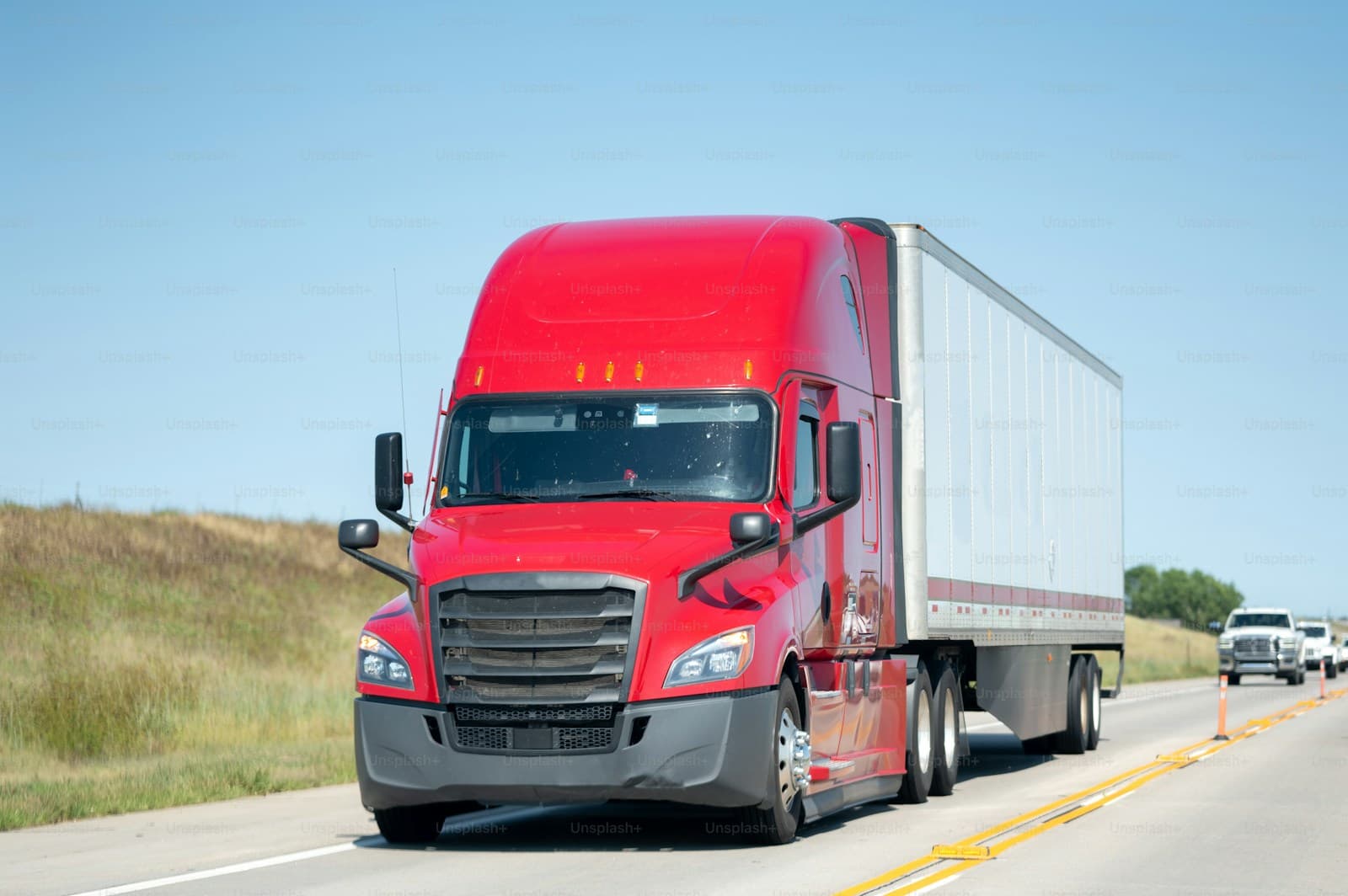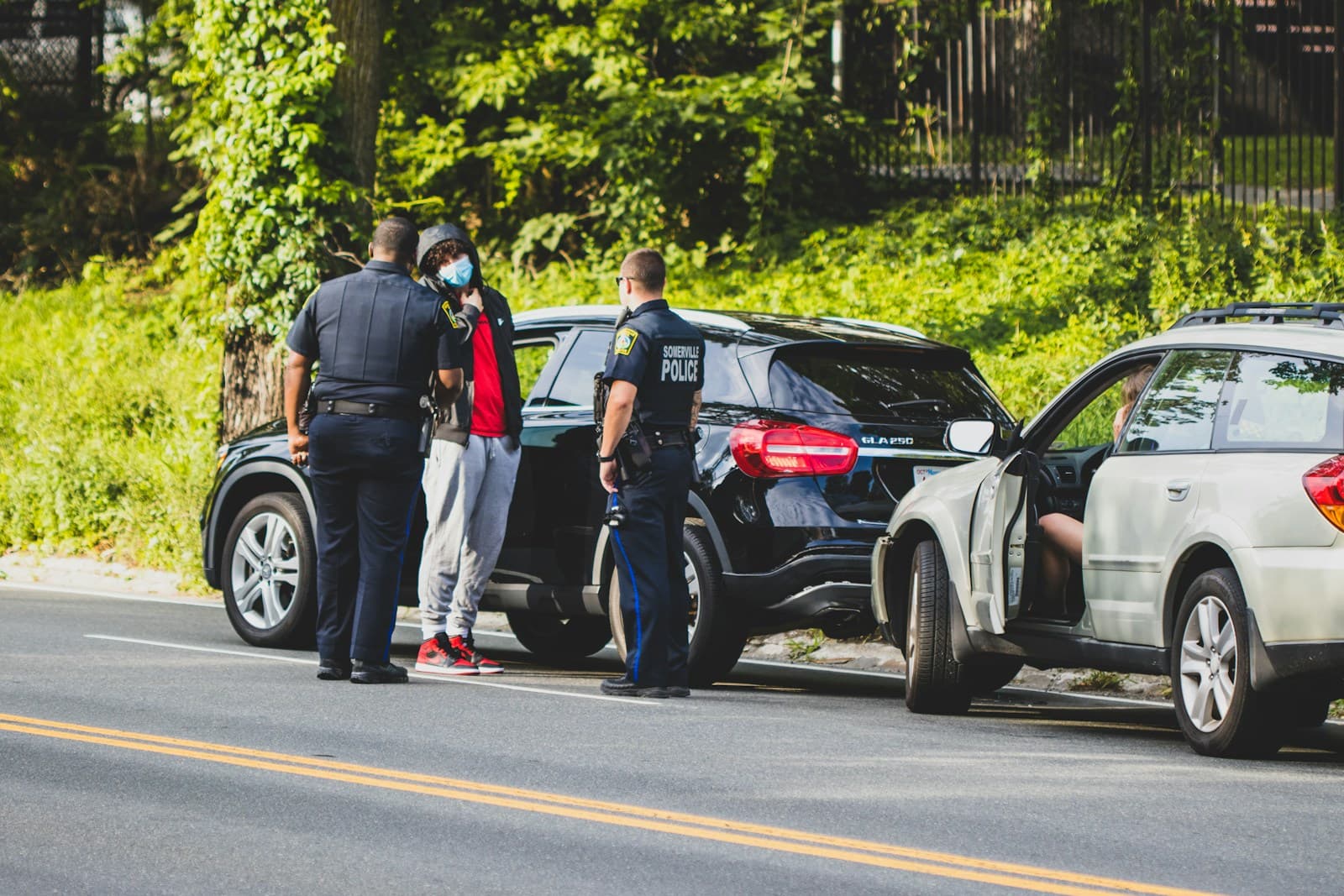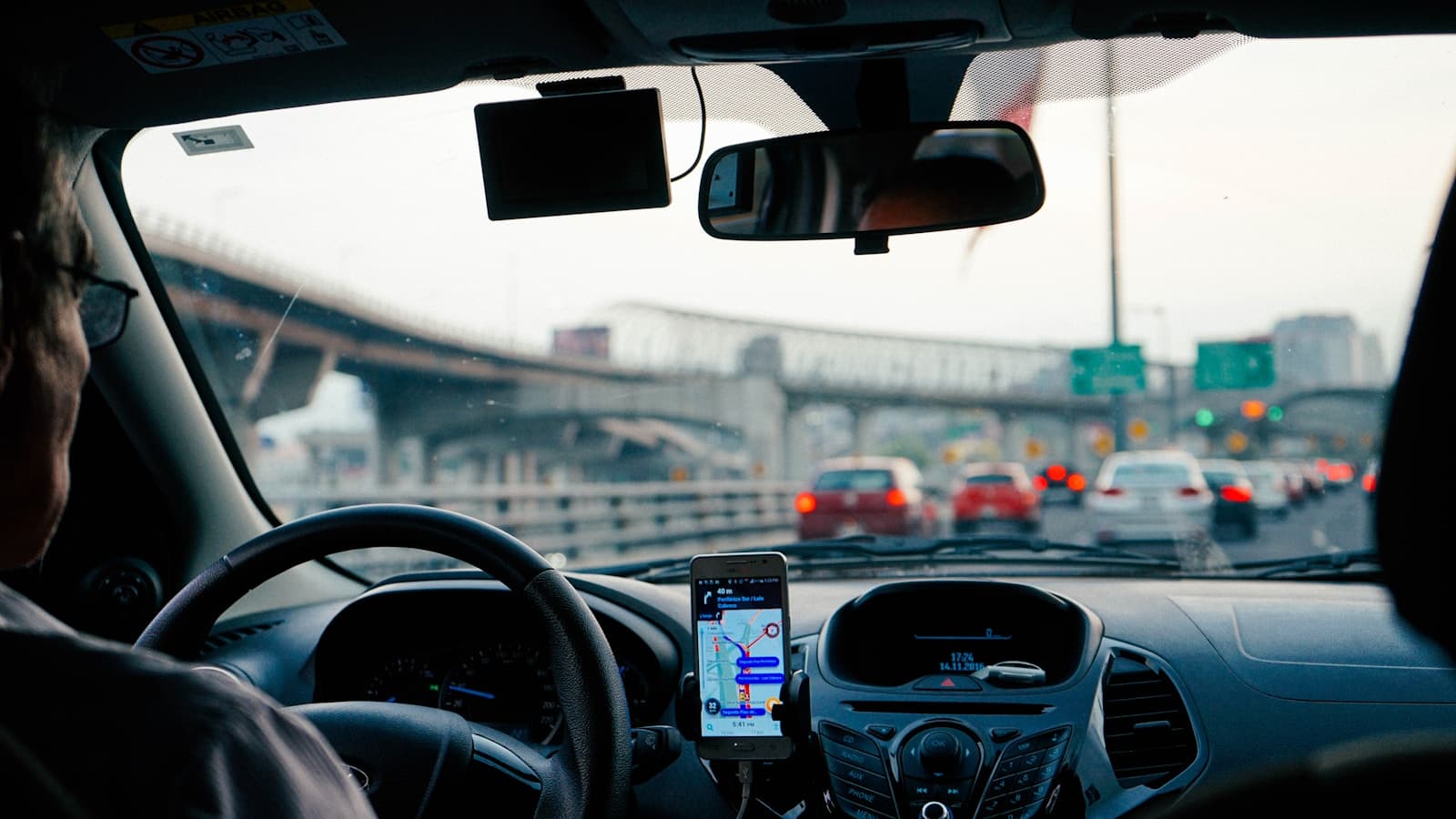
Most states restrict hardship licenses to in-state employment only. Commuting across state lines typically violates route restrictions, even when your job is the documented approved purpose.
Why Most Hardship Licenses Prohibit Out-of-State Commutes
A hardship license grants driving privileges within the issuing state's jurisdiction. When you cross into another state, you are no longer operating under the authority of the issuing state's DMV. The hardship permit does not extend your driving privileges to another state's roadways, even when the purpose is commuting to documented employment.
Most hardship licenses include explicit route restrictions requiring you to follow the most direct path between approved locations: home, work, school, medical appointments. When your work address is across state lines, the route crosses a jurisdictional boundary the permit does not authorize. Law enforcement in the destination state sees a driver with a restricted license from another state. Your employer verification letter does not matter to their enforcement authority.
Some states explicitly prohibit out-of-state travel on hardship permits. Others remain silent, which creates the same practical outcome: if you are stopped in the destination state, the officer has no obligation to honor your home state's hardship provisions. You face potential arrest for driving on a suspended license in the state where you are stopped, even if your hardship paperwork is perfect.
Interstate Compact Rules Do Not Apply to Hardship Licenses
The Driver License Compact governs how states share conviction and suspension information. It does not grant cross-state driving privileges to restricted license holders. A hardship license is not a full valid license recognized under reciprocity agreements. It is a conditional privilege tied to the issuing state's specific approval.
If you hold a hardship license in State A and commute to State B for work, State B law enforcement treats you as unlicensed. The compact allows State B to report violations back to State A, which can trigger revocation of your hardship privileges. You now face consequences in both states: a driving-on-suspended charge in State B and loss of your hardship license in State A.
Compare car insurance rates in your state
Get quotes from licensed carriers — no obligation, no spam, results in minutes.
Get Your Free Quote✓ No Obligation Required✓ Licensed Carriers Only✓ Available Nationwide✓ Free to Compare
When Relocation or Job Change Happens Mid-Restriction
If you receive a job offer in another state while holding a hardship license, you must notify your issuing state's DMV immediately. Most states require you to surrender your hardship license when you establish residence elsewhere. The new state will not issue you a standard license while your suspension is active in the original state due to compact reporting.
You face a gap: your old state's hardship license no longer applies because you moved, and your new state will not issue any license until the suspension clears. The solution depends on the new state's hardship program. Some states allow you to apply for their own hardship license if you can prove in-state employment, but the application timeline typically takes weeks. You cannot legally commute during that gap.
If you keep your primary residence in the issuing state but take a job across state lines, the route restriction problem remains. Your hardship license permits driving from your in-state residence to approved in-state destinations. The moment your commute crosses the state line, you are outside the permit's scope. Some drivers assume occasional violations will go unnoticed, but a single traffic stop ends the hardship period and likely triggers additional criminal charges.
The SR-22 and Multi-State Employment Problem
If your suspension requires SR-22 filing, the insurance policy must remain active for the full filing period in the state that imposed the requirement. When you move or change jobs across state lines, you must notify your insurer immediately. The SR-22 filing remains tied to your original state's DMV, even if you relocate.
Employers in the destination state may require proof of valid driving privileges before allowing you to drive for work purposes. A hardship license from another state does not satisfy that requirement. If your job involves any driving during work hours, your employer's liability insurer will likely reject coverage for a driver operating on an out-of-state restricted license. You lose the job, not because you violated the hardship terms, but because the employer cannot insure you.
Some carriers write non-owner SR-22 policies for drivers who no longer own vehicles but need to maintain filing compliance. If you relocate mid-suspension and cannot drive legally in the new state, a non-owner policy keeps your SR-22 filing active while you wait out the suspension period. This does not solve the commute problem, but it prevents the suspension from extending due to a lapsed filing.
What To Do When Your Job Is Across State Lines
Contact the DMV in the state that issued your hardship license before you accept the out-of-state job. Ask explicitly whether cross-border commuting is permitted under your specific hardship approval. Request written clarification. Verbal assurances from DMV staff do not protect you during a traffic stop.
If the answer is no, you have three options: decline the job, relocate to the state where the job is located and apply for that state's hardship program, or arrange alternative transportation for the full suspension period. Carpooling, public transit, or rideshare services cost money, but they do not risk extending your suspension or adding criminal charges.
If you choose relocation, notify your original state's DMV in writing that you are surrendering your hardship license due to change of residence. Apply for a hardship license in the new state immediately. Bring your suspension documentation, SR-22 proof, and employer verification for the new job. Expect a processing delay of 15 to 45 days depending on the state. During that gap, you cannot drive legally. Negotiate a delayed start date with your employer or arrange temporary housing near the job site if relocation timing allows.
Border-State Commuters and the Enforcement Reality
Drivers who live near state borders face this problem frequently. A job 20 miles away may cross state lines, while a job 40 miles away in-state does not. The distance does not matter. The jurisdictional boundary is the issue.
Some drivers assume that because their route is short and direct, enforcement is unlikely. Traffic stops happen. When they do, the outcome is predictable: you are arrested for driving on a suspended license in the state where you are stopped, your vehicle is impounded, and your home state's DMV is notified of the violation. Your hardship license is revoked immediately, and you now face court dates in two states.
Law enforcement in border areas is aware of this pattern. Officers routinely check license status during stops near state lines. The argument that you were driving to work does not matter. Your hardship license does not grant authority in the state where you are stopped. The officer has no discretion to overlook the violation based on your employment need.