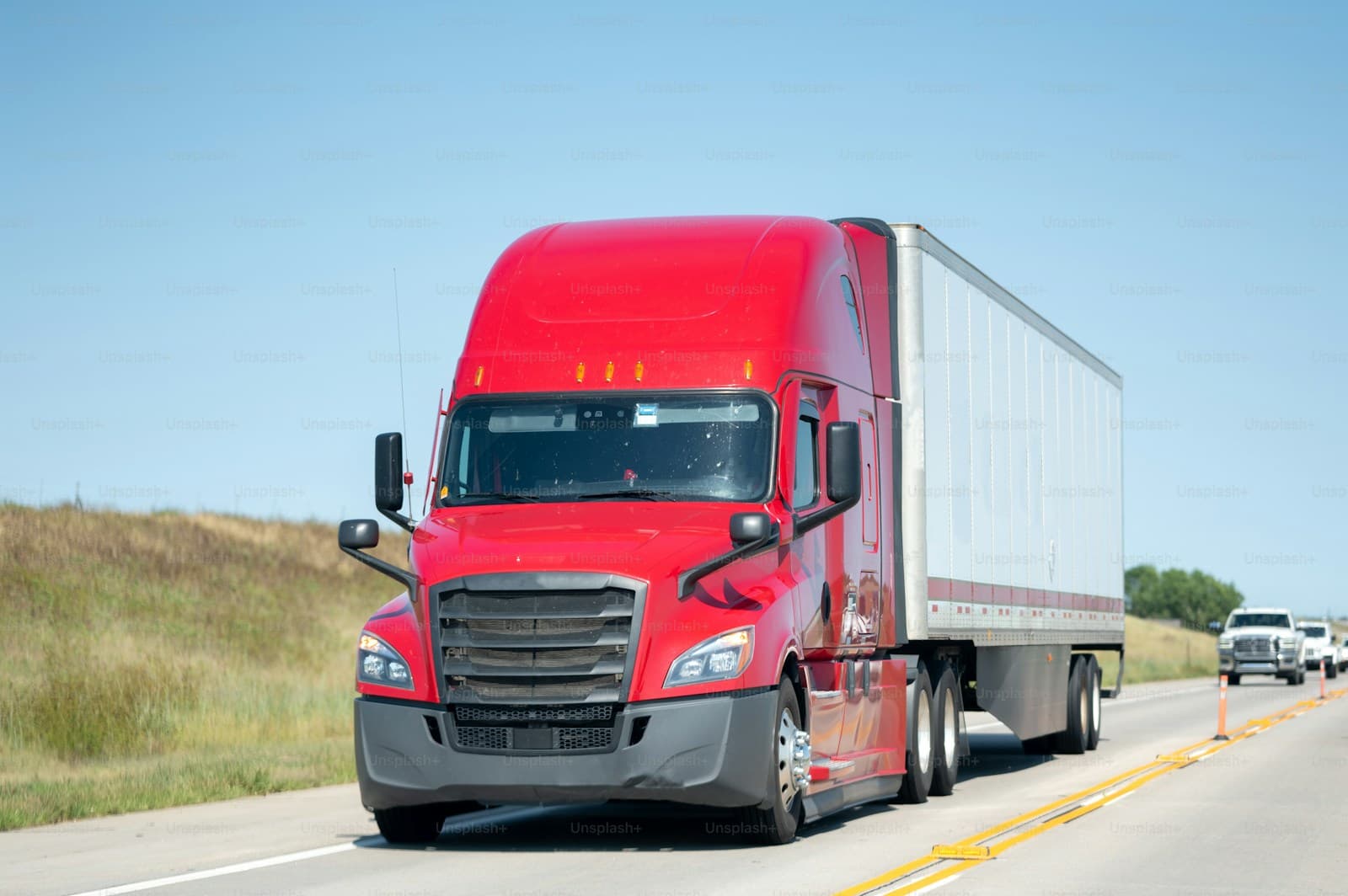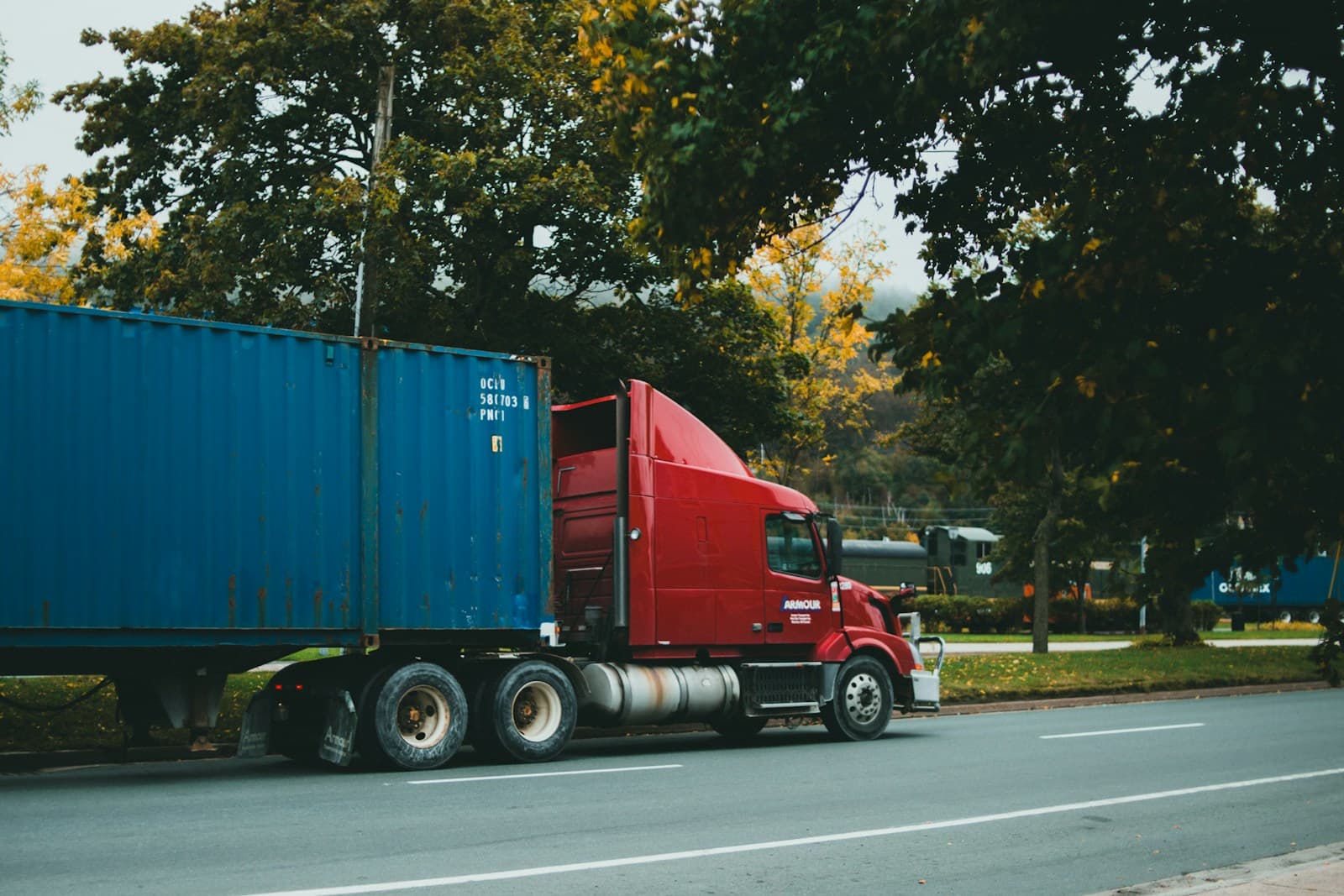
Ohio courts grant Limited Driving Privileges for personal-vehicle work commutes, but your CDL commercial driving authority remains suspended. Here's what the court allows and what it doesn't.
Ohio Limited Driving Privileges Do Not Restore Your CDL Authority
Your Ohio court granted Limited Driving Privileges after your OVI suspension, and you assume you can drive your commercial vehicle to work. You cannot. Ohio LDP grants personal-vehicle driving only—your Class A or Class B license remains suspended for all commercial purposes, even if your job requires you to operate a truck, bus, or taxi.
The court order you receive specifies "personal vehicle" or "non-commercial vehicle" in the permitted-purposes section. That language is not decorative. Federal Motor Carrier Safety Administration regulations prohibit states from issuing occupational or hardship licenses that allow commercial driving during CDL suspensions tied to OVI, controlled-substance violations, or serious traffic offenses. Ohio complies. Your LDP covers your commute to the trucking company, but the moment you climb into a commercial vehicle, you are driving on a suspended CDL.
If your employer discovers you cannot legally operate commercial equipment, you lose the job the LDP was supposed to protect. Most CDL employers run quarterly MVR checks. When your suspension appears, you are terminated for driving without valid commercial authority, and your employer's liability insurer will deny coverage for any incidents that occurred while you drove suspended.
What Ohio Courts Actually Approve for CDL Holders
Ohio courts grant LDP for work commutes, medical appointments, court-ordered treatment, and other specific personal-driving purposes defined in the petition. If you work as a commercial driver, the court approves your commute to the job site in your personal vehicle. That is the limit.
Your petition must state your employer's address, your work schedule, and the route you will drive. The court typically restricts you to a defined commute window—30 minutes before shift start to 30 minutes after shift end—and you must drive the most direct route. If you work irregular hours or multiple job sites, the court may approve broader time windows, but you must document every location in the petition. Routes not listed in the order are prohibited.
The court also requires ignition interlock installation on any vehicle you operate under LDP, including your personal commute vehicle. Ohio Revised Code 4510.022 mandates IID for all OVI-related LDP cases. If you share a vehicle with a non-restricted driver, that driver will also blow into the device. The interlock vendor charges $70–$100 per month, and rolling retests occur randomly while driving. A failed retest logs a violation, and three violations in 30 days trigger automatic LDP revocation.
Compare car insurance rates in your state
Get quotes from licensed carriers — no obligation, no spam, results in minutes.
Get Your Free Quote✓ No Obligation Required✓ Licensed Carriers Only✓ Available Nationwide✓ Free to Compare
The SR-22 Filing Requirement Stacks on Top of LDP Costs
Ohio requires SR-22 proof of financial responsibility for all OVI-related suspensions, including drivers granted LDP. You cannot petition for LDP without proof of SR-22 filing already on record with the Ohio BMV. Your insurer files the SR-22 electronically, but not all carriers write policies for suspended drivers.
SR-22 itself costs $25–$50 to file, but your premium increases because the filing signals high-risk status. Suspended CDL drivers with OVI convictions typically pay $140–$220 per month for liability-only coverage with SR-22, compared to $80–$110 for clean-record drivers. Employment-hardship SR-22 insurance policies are priced higher because the underwriting model assumes you are commuting daily under court restriction, which increases exposure.
You must maintain continuous SR-22 coverage for three years from the date of your OVI conviction. If your policy lapses for any reason—non-payment, cancellation, switching carriers without overlap—the BMV receives electronic notification within 24 hours and immediately re-suspends your license. Your LDP is revoked, and you must refile SR-22, pay a reinstatement fee, and petition the court again. Most suspended drivers cannot afford the lapse-suspension cycle.
How Long You Wait Before CDL Restoration Is Possible
Your personal-vehicle LDP does not shorten your CDL suspension. Ohio imposes separate suspension periods for CDL commercial authority. A first-time OVI conviction carries a one-year CDL disqualification under federal law, even if your personal license suspension is shorter. The BMV processes both suspensions simultaneously, but they expire on different dates.
After your CDL disqualification period ends, you must apply for reinstatement through the Ohio BMV. The reinstatement process requires proof of completed Driver Intervention Program (DIP), proof of continuous SR-22 filing, payment of a $40 base reinstatement fee, and payment of any outstanding fines or court costs. If you were convicted of an OVI in a commercial vehicle, your disqualification period is three years, not one.
You cannot petition the court to reduce your CDL disqualification period. Federal regulations set minimum CDL suspension lengths, and Ohio courts have no authority to waive them. Some CDL holders assume their LDP commute approval signals they are eligible for commercial reinstatement—it does not. The only signal that matters is the expiration date printed on your CDL suspension order.
What Happens If You Drive Commercial on an LDP
Driving a commercial vehicle while your CDL is suspended is a first-degree misdemeanor in Ohio. You face up to six months in jail and a $1,000 fine. The court that granted your LDP will revoke it immediately, and your underlying suspension period restarts from the date of the new violation.
Your employer's liability insurer will deny coverage for any incident that occurs while you operate a commercial vehicle on a suspended CDL. If you are involved in a crash, even a non-fault crash, the employer is exposed to uninsured liability and will terminate you. Most commercial policies include an endorsement that excludes coverage for drivers operating without valid commercial authority. You are uninsurable the moment you turn the key.
The BMV also treats commercial driving on a personal LDP as a willful violation, which disqualifies you from future hardship petitions. If you lose your current LDP for a commercial-driving violation, you will serve the remainder of your suspension with no driving privileges at all. The court views commercial driving on personal LDP as proof you cannot comply with restrictions.
How to Structure Your Petition If You Work in a Commercial Role
If you hold a CDL and work in a role that requires commercial driving, your LDP petition must reflect reality: you need to commute to work, but you cannot perform the commercial driving portion of your job. The court will approve your commute, but you must disclose that your employment role includes commercial driving you are ineligible to perform during suspension.
Some CDL holders petition for LDP without mentioning their commercial role, hoping the court does not notice. The court notices. When your employer verification letter states you are employed as a truck driver or delivery driver, the judge will ask whether you understand LDP does not authorize commercial operation. If you claim you do not need to drive commercially, and your employer later terminates you because you cannot drive commercially, the court views your petition as dishonest.
The better approach: petition for LDP to maintain your commute, and negotiate with your employer to assign you to non-driving duties during your suspension. Some trucking companies will move suspended CDL drivers into dispatch, warehouse, or maintenance roles temporarily. If your employer cannot accommodate non-driving work, your LDP protects your ability to commute to a different job—one that does not require CDL authority.
The Insurance Path Forward for Suspended CDL Drivers
You need liability-only commute coverage with SR-22 filing for the personal vehicle you drive under LDP. Your CDL suspension disqualifies you from standard-tier policies, so you will quote through non-standard carriers that specialize in suspended-driver coverage. Expect monthly premiums between $140 and $220 for Ohio minimum liability limits: $25,000 per person, $50,000 per accident, $25,000 property damage.
Carriers that write SR-22 policies for suspended CDL holders in Ohio include GAINSCO, Dairyland, Progressive, The General, and Bristol West. Not all agents write non-standard policies, so you may need to contact carriers directly. SR-22 filing takes 24–48 hours to process, and the BMV requires proof on file before you can petition for LDP.
Your SR-22 requirement lasts three years from your OVI conviction date. After three years, if your driving record remains clean and your CDL is reinstated, your premium will drop. Until then, the SR-22 filing and suspended-driver classification keep your rate elevated. Switching carriers during your SR-22 period does not lower your premium—all non-standard carriers price OVI convictions similarly.