Ohio courts grant Limited Driving Privileges with route restrictions defined individually per petition. Your employer verification letter must specify exact start and end addresses, shift hours, and whether job duties require driving beyond the commute path.
What Routes Does Ohio's Limited Driving Privileges Actually Cover
Ohio Limited Driving Privileges (LDP) restrict you to routes and purposes the granting court specifies in your court order. There is no statewide standard list of approved purposes or routes. The court has broad discretion to define where you may drive, when, and for what purposes.
Most courts grant LDP for work, school, medical appointments, court-ordered treatment (DIP classes for OVI offenders, substance abuse counseling, ignition interlock service appointments), and family care responsibilities. The specifics depend entirely on what you request in your petition and what documentation you provide. If your employer verification letter states you work at 1234 Main Street from 8:00 AM to 5:00 PM, the court will typically authorize a direct route from your home address to that workplace during those hours. If your job requires driving during work hours — delivery routes, client visits, service calls — you must state that explicitly and provide supporting documentation from your employer describing the geographic scope of your work duties.
The most common mistake: submitting a generic employer letter that says "this employee works full-time" without specifying shift hours, work address, or whether the job requires driving beyond the commute. Courts respond to vague petitions with narrow orders. If you need flexibility beyond a fixed commute path, the petition stage is when you secure it.
How to Document a Work Route for the Court Petition
Your employer verification letter is the foundation of your work-route request. The letter must include your employer's name and address, your job title, your work schedule (specific days and hours, not "full-time" generically), the street address where you report to work, and a statement that your employment depends on your ability to drive to work. If your job requires driving during work hours, the letter must describe the nature of that driving — delivery territory boundaries, client service area, typical daily route count — with enough specificity that the court can define an enforceable geographic limit.
If you work multiple job sites, list all addresses. If your schedule varies weekly, provide the range of shift hours and the days you typically work. If you are on-call or work irregular hours, explain the operational need and request broader time windows. Courts are more willing to grant flexible hours when the employer documentation shows the business need is genuine.
Attach a separate route map if your work driving covers a multi-county area or involves daily route variation. Label your home address, primary work site, and the boundaries of your work territory. Courts appreciate visual clarity. The judge reviewing your petition is not familiar with your job — make the operational need obvious from the documentation alone.
Compare car insurance rates in your state
Get quotes from licensed carriers — no obligation, no spam, results in minutes.
Get Your Free Quote✓ No Obligation Required✓ Licensed Carriers Only✓ Available Nationwide✓ Free to Compare
What Happens If Your Job Requires Driving Beyond a Fixed Commute
If your job is delivery driver, home health aide, service technician, sales representative, or any role requiring client-site visits, your LDP petition must request authorization for work-related driving during work hours within a defined geographic area. Most courts will grant this if the employer letter is specific about the territory and the operational necessity.
The court order will typically define the approved area by county, ZIP code, or specific boundary roads. For example: "Authorized to operate a motor vehicle within Franklin County for employment-related duties as a home health aide between the hours of 7:00 AM and 6:00 PM Monday through Friday." The order may also require you to carry documentation of each client visit (addresses, appointment times) in the vehicle at all times during LDP operation.
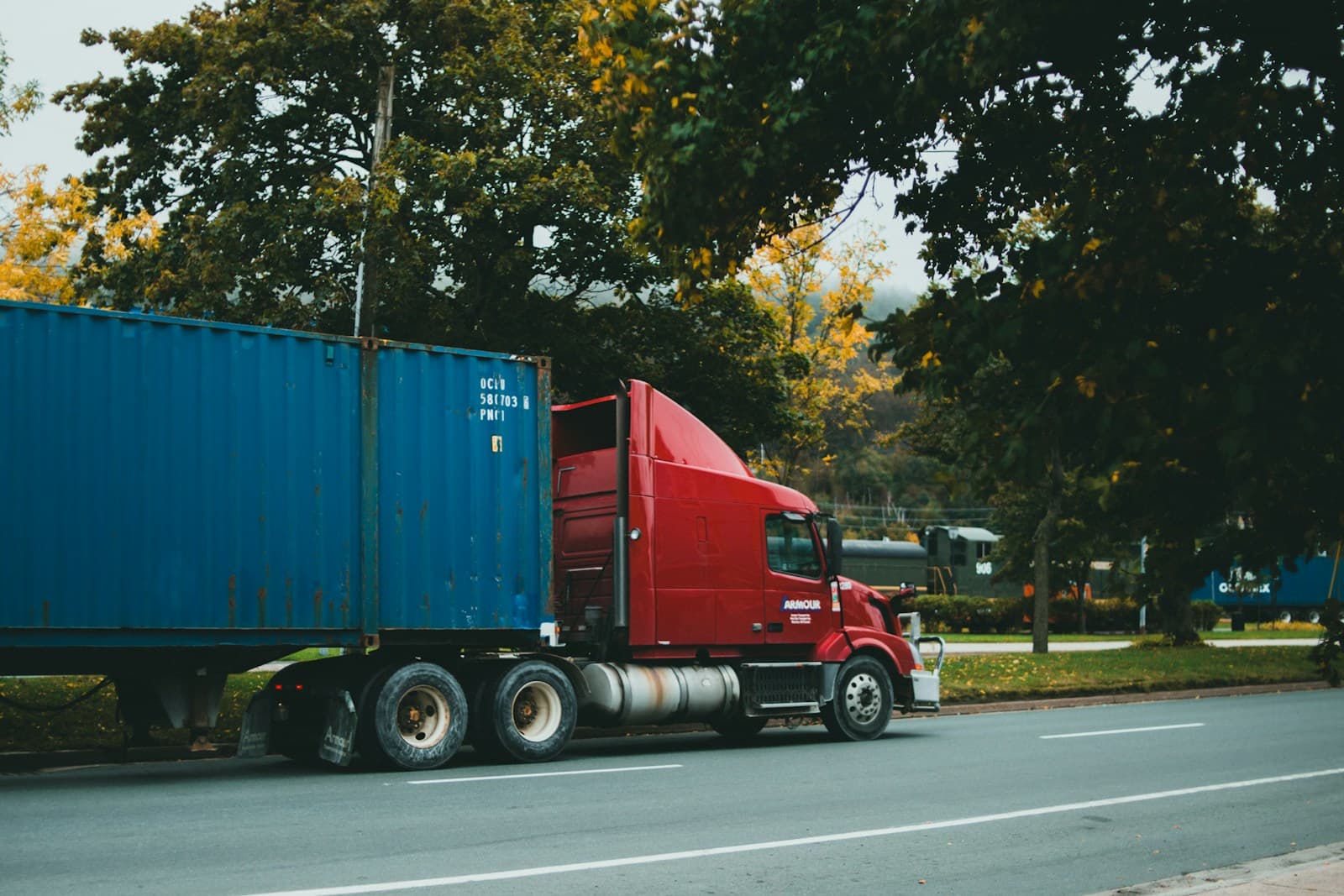
Commercial driving is a separate issue. If you hold a CDL and your job requires operating a commercial motor vehicle, Ohio LDP does not authorize commercial vehicle operation. ORC 4506.17 prohibits CDL holders from operating commercial vehicles while under OVI-related suspension, even if a court grants LDP for personal driving. You may use LDP to commute to a CDL-required job in a personal vehicle, but you cannot use it to perform the commercial driving duties of that job. Many CDL employers will not retain drivers under this restriction.
When Courts Deny Route Requests and What You Can Do
Ohio courts deny LDP petitions or impose narrower restrictions than requested when documentation is incomplete, when prior LDP violations appear on your BMV record, when you have four or more OVI offenses within ten years, or when the suspension is for a felony OVI conviction. Some courts also deny work-route requests if the job itself involves operating commercial vehicles or transporting passengers for hire.
If your petition is denied, the court's written decision will state the reason. You may file a new petition addressing the deficiency — for example, submitting updated employer documentation if the original letter was insufficient, or completing additional treatment requirements if the court cited non-compliance. There is no statutory limit on how many times you may petition, but repeated denials from the same court suggest you need to modify your request or wait until more of the suspension period has elapsed.
Some courts impose waiting periods before granting LDP, even when the statute does not require one. For first-offense OVI with Administrative License Suspension, the statutory hard period is 15 days before LDP eligibility. Individual judges may impose longer waiting periods — 30 days, 60 days, or more — based on local practice. If you are facing a denial or delay, consult an attorney familiar with that court's LDP practices. Local patterns matter more than statewide rules in this context.
How Route Violations Trigger Automatic LDP Revocation
Operating outside your court-authorized routes, purposes, or time windows is a separate criminal offense under ORC 4510.021. If you are stopped while driving under LDP and the officer determines you are outside the approved scope — wrong time of day, unauthorized destination, non-approved purpose — you will be charged with driving under suspension. The LDP will be revoked immediately and you will face the remainder of the original suspension period plus additional penalties for the violation.
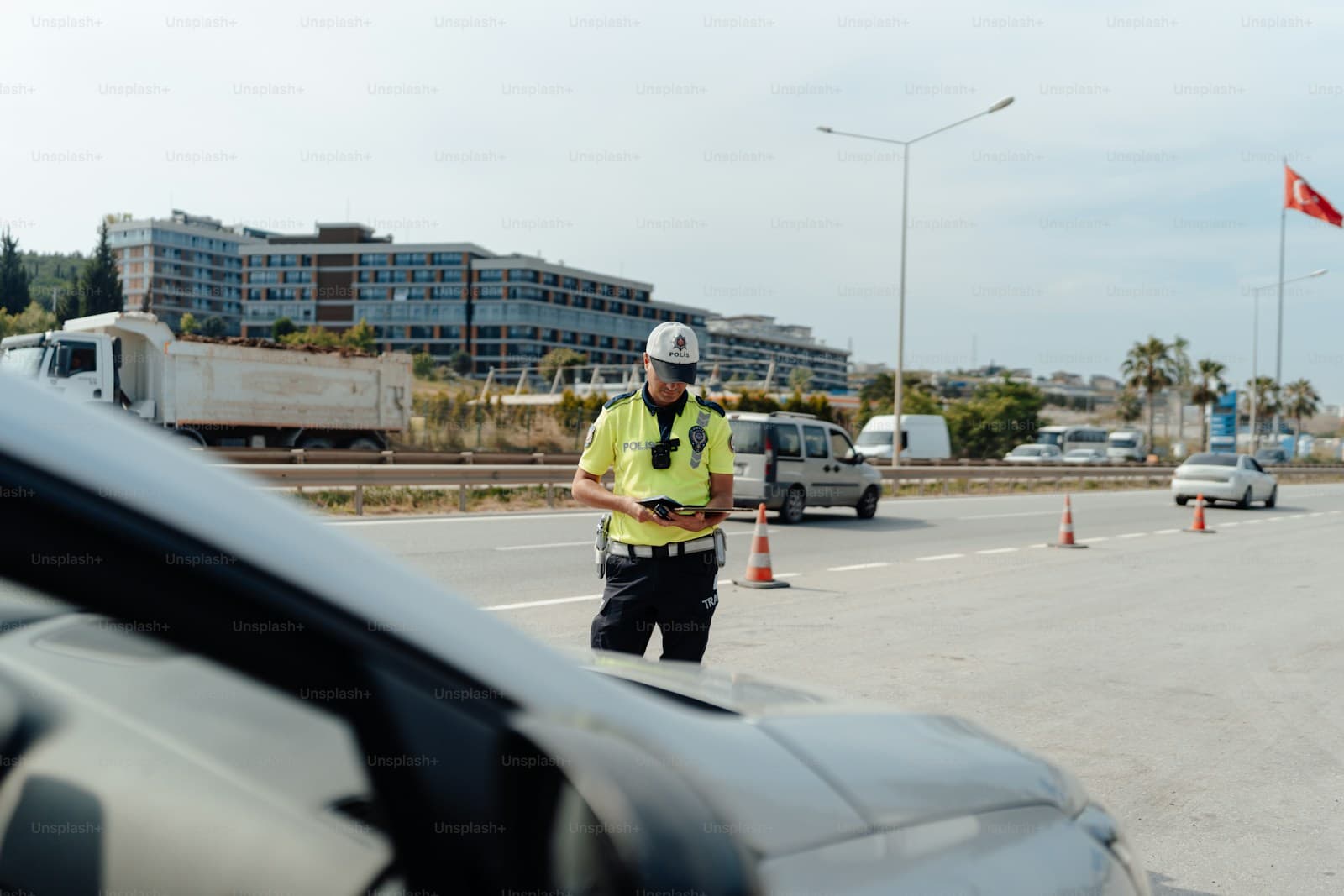
Ohio law enforcement can verify LDP restrictions by querying your BMV record during a traffic stop. The system shows the court order details: approved purposes, time restrictions, ignition interlock requirement status. If the stop location and time do not match the authorized parameters, the officer has probable cause to arrest. There is no grace period and no discretion at the roadside — the terms of your LDP are enforceable as written.
If your job situation changes after LDP is granted — new work address, different shift hours, expanded delivery territory — you must petition the court for a modification before operating under the new circumstances. Do not assume flexibility. Courts treat LDP as a privilege conditioned on strict compliance, not as a partial license restoration.
What SR-22 Filing Setup Looks Like for Limited Driving Privileges
If your suspension is OVI-related or stems from uninsured driving, Ohio requires SR-22 filing before the court will grant LDP. The SR-22 must be on file with the BMV and remain active for the entire filing period — typically three years for first-offense OVI, five years for repeat offenses. The filing period begins when the SR-22 is filed, not when your LDP is granted or when the original suspension began.
You can obtain SR-22 coverage as an endorsement on a standard auto insurance policy if you own a vehicle, or as a non-owner SR-22 policy if you do not own a vehicle but need to demonstrate financial responsibility to the court and BMV. Non-owner SR-22 covers you when driving borrowed or employer-owned vehicles within the scope of your LDP. Most non-standard carriers writing in Ohio — employment-hardship SR-22 insurance specialists like The General, Dairyland, GAINSCO, Bristol West, and Direct Auto — offer non-owner policies designed for LDP holders.
Monthly premiums for SR-22 coverage during LDP suspension typically range from $85 to $190 per month in Ohio, depending on the underlying violation, your age, county, and whether ignition interlock is required. Estimates based on available industry data; individual rates vary by driving history, vehicle, coverage selections, and location. The SR-22 filing fee itself is usually $15 to $25, paid to the carrier, who then electronically files the form with the BMV on your behalf. If the SR-22 lapses for any reason — missed payment, policy cancellation — the BMV is notified immediately and your LDP is revoked.
How Long It Takes to Get LDP After Filing the Petition
Processing time from petition filing to court hearing varies by county and court caseload. In Franklin County and Cuyahoga County, expect 2 to 4 weeks from filing to hearing date. In smaller counties, the wait may be shorter — some courts schedule hearings within 7 to 10 days. You will not have LDP authorization until the court issues a written order and the BMV updates your record to reflect the privileges.
The court fee for filing an LDP petition is set by the individual court, not by statewide statute. Typical filing fees range from $50 to $150. You must also pay any outstanding reinstatement fees owed to the BMV before LDP can take effect. For OVI-related suspensions, the reinstatement fee is $475 in addition to the court filing fee and SR-22 setup costs.
Once the court grants your petition, the order is transmitted to the Ohio BMV electronically or by mail. The BMV updates your driving record to show Limited Driving Privileges status. You should receive confirmation from the BMV within 5 to 7 business days after the court hearing. Carry a copy of the court order in your vehicle at all times while operating under LDP — law enforcement may request it during traffic stops to verify your authorized routes and purposes.