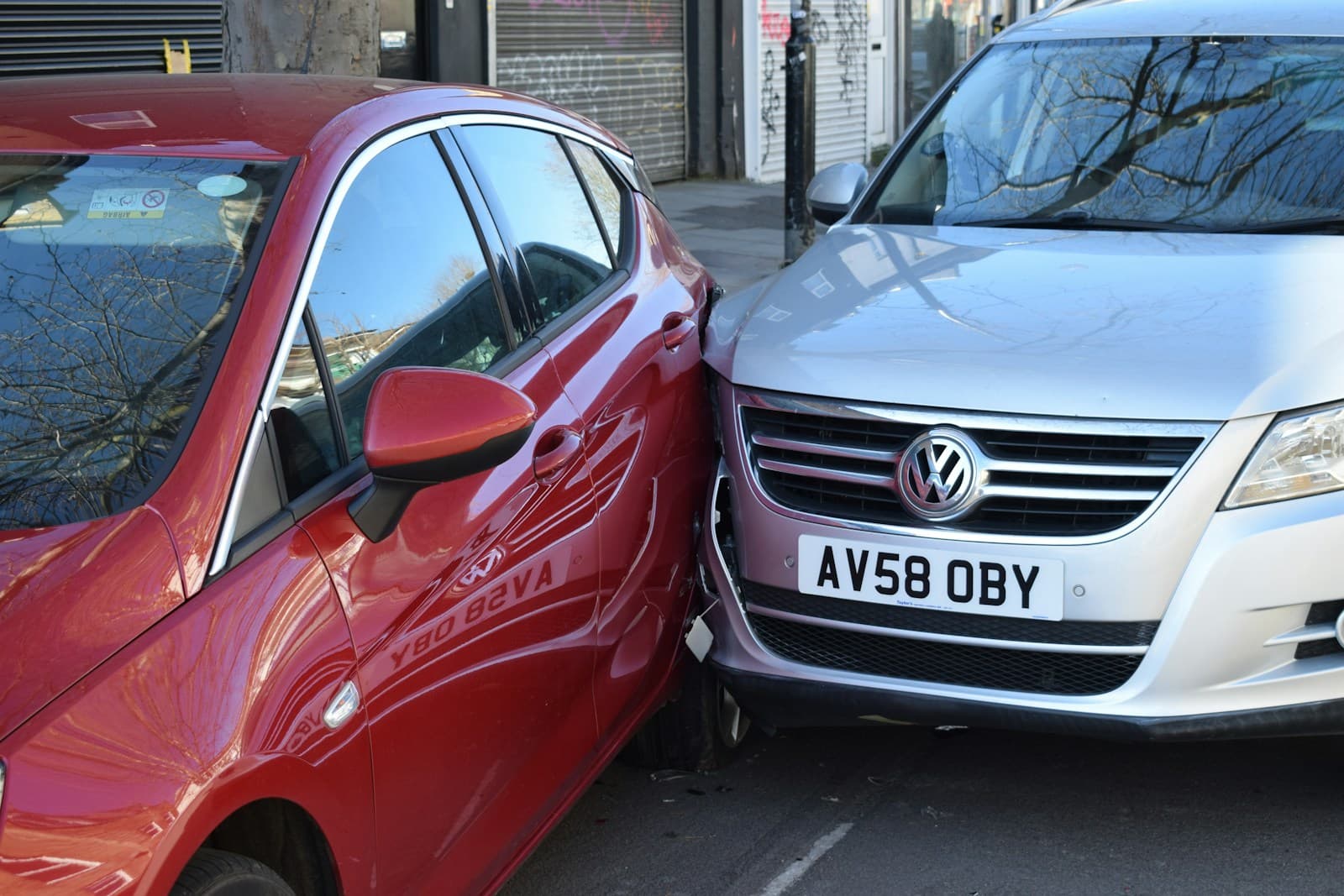
You need SR-22 filing to reinstate your license but don't own a car. Non-owner SR-22 covers you when you drive borrowed, rental, or employer vehicles and costs substantially less than standard policies.
What Non-Owner SR-22 Actually Covers for Work Commuters
Non-owner SR-22 provides liability coverage when you drive vehicles you don't own. This includes borrowed cars from family or friends, rental vehicles, employer-owned vehicles for personal use outside work hours, and ride-share vehicles you operate occasionally. The policy meets your state's SR-22 filing requirement without requiring you to insure a specific vehicle.
Most states accept non-owner SR-22 for license reinstatement as long as you're not the registered owner of any vehicle. The SR-22 certificate filed with your DMV confirms continuous liability coverage, which is the reinstatement requirement. The policy follows you as the driver, not a specific car.
Non-owner policies typically provide $25,000/$50,000/$25,000 liability coverage (bodily injury per person, bodily injury per accident, property damage). Some states require higher minimums—verify your state's liability floor before purchasing. The policy does not cover collision, comprehensive, or damage to vehicles you're driving. It covers your liability to others when you cause an accident.
Who Actually Needs Non-Owner SR-22 Filing
You need non-owner SR-22 if your license was suspended for DUI, uninsured driving, or accumulation of points and you don't currently own a vehicle. The DMV requires proof of continuous insurance for the filing period—typically three years for DUI suspensions, one to three years for other violations—but doesn't require you to own the insured vehicle.
Commuters who sold their car after suspension, drivers who rely on public transit supplemented by occasional borrowed-car use, and drivers who moved to urban areas where car ownership isn't necessary all fall into this category. If you plan to purchase a vehicle during the filing period, you'll need to switch to owner SR-22 at that time—the non-owner policy won't cover a car titled in your name.
Some states prohibit non-owner SR-22 if you have regular access to a household vehicle, even if you're not the titled owner. If your spouse or parent owns a car you drive regularly, you may be required to be listed on their policy with SR-22 attached. Check your state's household-exclusion rules before assuming non-owner coverage will satisfy the filing requirement.
Compare car insurance rates in your state
Get quotes from licensed carriers — no obligation, no spam, results in minutes.
Get Your Free Quote✓ No Obligation Required✓ Licensed Carriers Only✓ Available Nationwide✓ Free to Compare
Premium Cost Difference: Non-Owner vs Owner SR-22
Non-owner SR-22 policies typically cost $300 to $600 annually, compared to $1,200 to $2,500 annually for owner SR-22 attached to a vehicle policy. The difference reflects the reduced risk exposure—you're not insuring a specific vehicle for comprehensive or collision damage, only your liability when you occasionally drive borrowed cars.
The SR-22 filing fee itself is the same regardless of policy type: $25 to $50 depending on your state and carrier. That fee covers the administrative cost of filing the certificate with your DMV. The premium difference comes entirely from the reduced coverage scope.
Monthly payment plans are available from most non-standard carriers. Expect $35 to $60 per month for non-owner SR-22 with continuous liability coverage. Some carriers charge policy fees ($10 to $15 per month) on top of the base premium. Compare the total monthly cost including fees, not just the quoted premium.
How Employer Vehicle Use Affects Non-Owner SR-22
Non-owner SR-22 covers you when you drive an employer's vehicle for personal errands outside work hours—stopping for groceries on the way home, running personal errands on lunch break. It does not cover you during work hours when driving is part of your job duties. Your employer's commercial auto policy covers you during work.
If your job requires driving and your employer knows about your SR-22 filing requirement, confirm their commercial policy covers employees with filing obligations. Some employers exclude drivers with recent DUI or at-fault accidents from their fleet coverage. If your employer excludes you, you cannot use company vehicles even with non-owner SR-22.
Commercial driving with a CDL is excluded from personal non-owner SR-22 entirely. If you drive trucks, buses, or delivery vehicles for work, your employer's commercial policy must cover you—personal non-owner SR-22 does not extend to commercial vehicle operation even outside work hours.
State-Specific Non-Owner SR-22 Restrictions
California accepts non-owner SR-22 but requires the policy remain active for three years after a DUI suspension with no lapses longer than 30 days. A lapse triggers license re-suspension and restarts the three-year clock. Florida requires non-owner SR-22 filers to carry bodily injury limits of at least $10,000/$20,000 and property damage of $10,000—lower than Florida's owner SR-22 requirements but still state-mandated minimums.
Texas allows non-owner SR-22 for most suspension types but prohibits it for drivers convicted of uninsured motorist accidents. If you caused an accident while uninsured, Texas requires you to insure a specific vehicle with owner SR-22—non-owner policies don't satisfy the reinstatement condition. Illinois requires non-owner SR-22 policies to include uninsured motorist coverage, which increases the monthly premium by $10 to $20.
Virginia uses FR-44 filing instead of SR-22 for DUI suspensions. Non-owner FR-44 requires higher liability limits—$50,000/$100,000/$40,000 minimum—and costs approximately $500 to $800 annually. If your suspension occurred in Virginia and involved alcohol, confirm whether your violation triggers FR-44 or SR-22 before purchasing coverage.
What Happens When You Purchase a Vehicle Mid-Filing
You must notify your carrier immediately when you purchase or register a vehicle in your name. Non-owner SR-22 does not cover owned vehicles—driving your own car under a non-owner policy leaves you uninsured and violates your SR-22 filing requirement. Your carrier will cancel the non-owner policy and issue a new owner policy with SR-22 attached to the newly purchased vehicle.
The SR-22 filing remains continuous if you switch policies without a gap. Your carrier files an updated SR-22 certificate with your DMV showing the new policy number and vehicle VIN. The filing period clock does not restart—you continue counting from your original reinstatement date. Most carriers process the policy conversion within 24 to 48 hours if you provide the vehicle VIN and purchase date immediately.
Owner SR-22 premiums are substantially higher than non-owner premiums. Expect your monthly payment to increase from $40 to $60 per month (non-owner) to $120 to $180 per month (owner) depending on the vehicle's year, make, and your coverage selections. Budget for this increase before purchasing a car during your filing period.