Your New York Restricted Use License was approved but you haven't scheduled the ignition interlock installation yet. Every day without the device installed is a day you cannot legally drive to work—even with the license in hand.
Why Your Approved Restricted Use License Doesn't Authorize Driving Yet
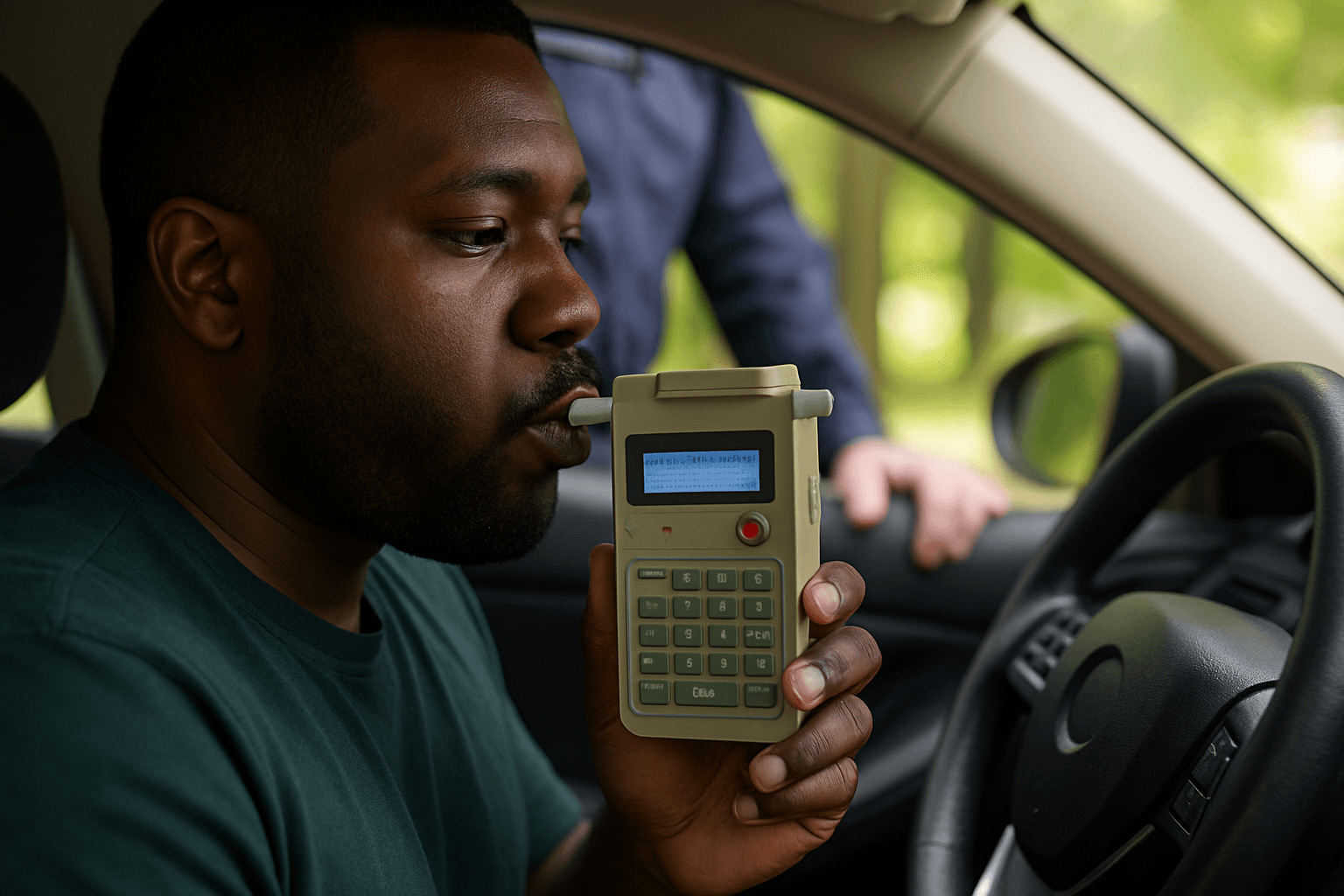
New York DMV issues the Restricted Use License approval document before your ignition interlock device is installed and operational. The approval letter confirms your eligibility and defines your permitted driving purposes—typically travel to and from work, medical appointments, and other DMV-approved essential activities. But the license does not authorize any driving until the IID is physically installed in your vehicle and the installation provider files verification with the DMV.
This creates a procedural gap. Most drivers assume the approval letter means they can start commuting immediately. It does not. Driving on an approved Restricted Use License without an active, verified IID in the vehicle is the same violation as driving on a suspended license—subject to revocation of the restricted license, extension of the suspension period, and additional criminal charges under VTL §511.
Leandra's Law (VTL §1198) mandates ignition interlock installation for all DWI/DUI convictions, including as a condition of any Restricted Use License during the required interlock period. The interlock period typically runs a minimum of 12 months from the date of installation, not from the date of conviction or the date your restricted license was approved. Every day you delay installation extends the backend of your restriction period by one day.
How Long IID Installation Takes in New York
Installation appointment availability varies by provider and county. In densely populated downstate counties (Nassau, Suffolk, Westchester, NYC boroughs), most providers can schedule installation within 5 to 10 business days of your initial call. Upstate and rural counties often face longer wait times—10 to 15 business days is common, and some single-provider counties report waits exceeding three weeks during high-demand periods.
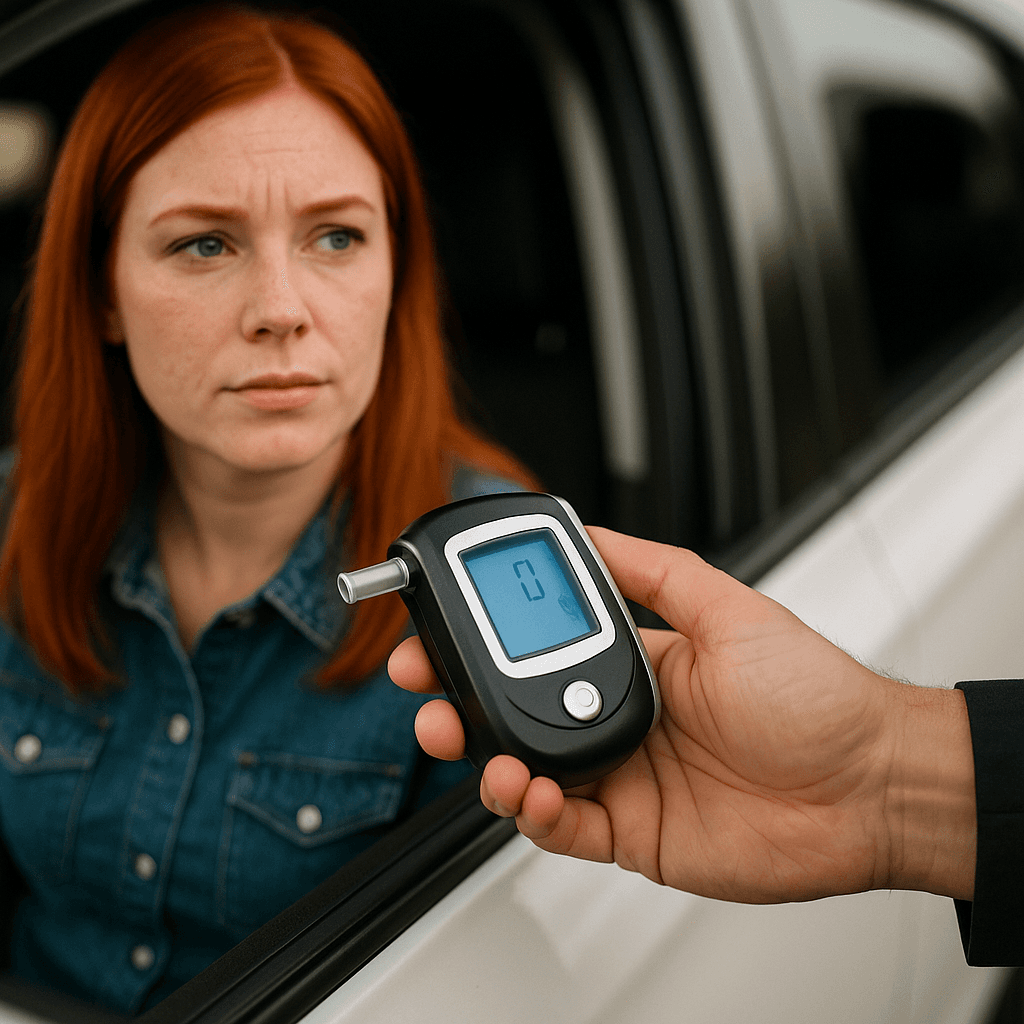
The installation appointment itself takes 60 to 90 minutes. The technician hardwires the device to your vehicle's ignition system, calibrates the breath sample threshold, and trains you on startup protocols and rolling retests. You leave the appointment with a functioning device. The provider electronically files installation confirmation with the NY DMV that same day—this filing is what activates your legal authority to drive under the Restricted Use License.
DMV processing of the installation filing typically completes within 24 to 48 hours. Once processed, your restricted driving privileges become active. Some employment verification-dependent restricted licenses require you to carry both the DMV approval letter and the IID installation receipt in the vehicle at all times. Confirm this requirement with the DMV office that issued your approval.
Compare car insurance rates in your state
Get quotes from licensed carriers — no obligation, no spam, results in minutes.
Get Your Free Quote✓ No Obligation Required✓ Licensed Carriers Only✓ Available Nationwide✓ Free to Compare
What Happens If You Drive Before Installation Is Verified
Driving on a Restricted Use License before the IID is installed and verified with DMV is treated as aggravated unlicensed operation under VTL §511. This is a misdemeanor criminal charge, not a traffic infraction. Conviction carries up to 180 days in jail for a first offense, fines up to $500, and mandatory revocation of the Restricted Use License.
Revocation of a restricted license for a violation during the restriction period triggers a hard revocation period before you can reapply. For DWI-related revocations, the hard period is typically one year from the date of revocation. During that year, no hardship driving is available—you cannot apply for another Restricted Use License, you cannot drive under any conditional provision, and the interlock requirement clock does not run. The original interlock period restarts from zero once you eventually reinstall a device after full reinstatement.
Employers conducting post-hire license verification through the NYS DMV E-ZPASS employer portal will see the violation and the revocation immediately. Many employers terminate drivers whose restricted licenses are revoked during the probationary employment period, viewing the violation as evidence of noncompliance risk.
Scheduling Installation Before Your First Work Shift
Call IID providers as soon as you receive the Restricted Use License approval letter from DMV. New York maintains a list of approved interlock device providers on the DMV website—only devices installed by approved providers satisfy the VTL §1198 requirement. Providers not on the approved list cannot file installation verification with DMV, leaving your restricted license inactive regardless of whether a device is physically present in your vehicle.
When scheduling, confirm three details with the provider: (1) total installation cost, typically $75 to $150 depending on vehicle type and provider; (2) monthly monitoring and calibration fee, typically $70 to $100 per month; and (3) same-day DMV filing confirmation. Some providers charge separately for removal at the end of the interlock period—clarify this upfront to avoid surprise costs later.
If your employer requires you to start work before installation is complete, request a brief delay or negotiate remote work for the gap period. Driving without the installed and verified device is not worth the risk. No employment pressure justifies a criminal charge and permanent loss of the restricted license you worked to obtain.
Insurance Filing Requirements During the Restricted License Period
New York does not use SR-22 certificates. Instead, financial responsibility verification is handled through the Insurance Information and Enforcement System (IIES), a direct electronic reporting link between insurance carriers and the NY DMV. When you purchase a policy that satisfies the state's minimum liability requirements—$25,000 bodily injury per person, $50,000 per accident, $10,000 property damage, plus mandatory PIP and uninsured motorist coverage—the carrier reports the policy issuance to DMV electronically within hours.
Restricted Use License holders must maintain continuous coverage throughout the entire restricted driving period and the full interlock installation period. If your carrier cancels the policy or you allow it to lapse, DMV receives automatic notification through IIES and will suspend both your vehicle registration and your Restricted Use License. Reinstatement after a lapse requires payment of an $8-per-day civil penalty (capped at $900 for a 90-day period), a $50 suspension termination fee, and proof of new coverage filed through IIES by a NY-admitted carrier.
Many standard carriers decline to write policies for drivers with active DWI convictions and IID requirements. Non-standard auto insurance carriers specialize in high-risk cases and typically offer coverage at higher premiums—expect monthly rates between $200 and $400 depending on your county, age, and prior claims history. Shop multiple non-standard carriers to find the lowest compliant rate.
What to Tell Your Employer About the Restricted License
Most Restricted Use Licenses in New York allow driving to and from work, driving during work hours for job-related tasks, and travel to required IID calibration appointments. The DMV approval letter specifies your exact approved purposes and any time-of-day restrictions. Provide a copy of this approval letter to your employer's HR department before your first shift.
Some employers—particularly those in transportation, delivery, or commercial driving sectors—will not hire or retain employees with restricted licenses due to liability concerns. This is a business decision, not a legal barrier. New York law does not prohibit employers from setting this policy. If your current employer cannot accommodate restricted-license driving, you may need to seek alternative employment in a role that does not require driving or offers public-transit-accessible work locations during the restriction period.
CDL holders face an additional constraint: a Restricted Use License for personal driving does not restore commercial driving privileges. Even if your job requires you to drive a commercial vehicle, the restricted license applies only to personal vehicles under 26,001 pounds GVWR. CDL restoration follows a separate administrative process after the DWI revocation period ends and all reinstatement fees are paid.