Your employer confirmed you can keep your job with a Restricted Use License, but HR asked how much your insurance will cost. Here's what carriers actually charge for RUL coverage in New York and why the DMV's direct-verification system changes the quoting timeline.
Why New York RUL Insurance Costs More Than Standard Coverage
Restricted Use License coverage in New York costs approximately $190-$340/month for drivers approved under the program, compared to $110-$160/month for standard full-license drivers with clean records. The premium difference reflects underwriting reality: you're being granted limited driving privileges during an active suspension period, and carriers price that elevated risk directly into the monthly rate.
New York does not use SR-22 certificates. Financial responsibility verification runs through the Insurance Information and Enforcement System (IIES), where carriers report policy issuance, cancellations, and lapses directly to the DMV in real time. When you apply for a Restricted Use License, the DMV confirms your active coverage electronically through IIES before approving your application. No paper filing exists. No separate SR-22 form gets mailed to Albany. Your carrier either reports you as insured in the system or the DMV denies your RUL application at the eligibility review stage.
The timeline matters more than most applicants realize. Carriers typically need 3-5 business days to bind a new policy and transmit the coverage confirmation into IIES. The DMV then needs another 5-10 business days to process your RUL application after confirming coverage is active. Budget 10-15 calendar days from the day you purchase coverage to the day you receive RUL approval. Applicants who buy coverage the day before their DMV hearing regularly face denials because the IIES transmission hasn't completed yet.
What Triggers the Premium Increase on RUL Policies
Carriers price RUL coverage based on the underlying suspension cause, not the existence of the restricted license itself. A DWI suspension under VTL §1193 typically carries the highest premium surcharge: 80-140% over your pre-suspension rate for the first policy term. Points-accumulation suspensions under VTL §510 typically add 40-70%. Insurance-lapse suspensions under VTL §319 add 50-90%, with the civil penalty fees paid to DMV ($750-$1,500 depending on lapse count) stacking on top of the premium increase.
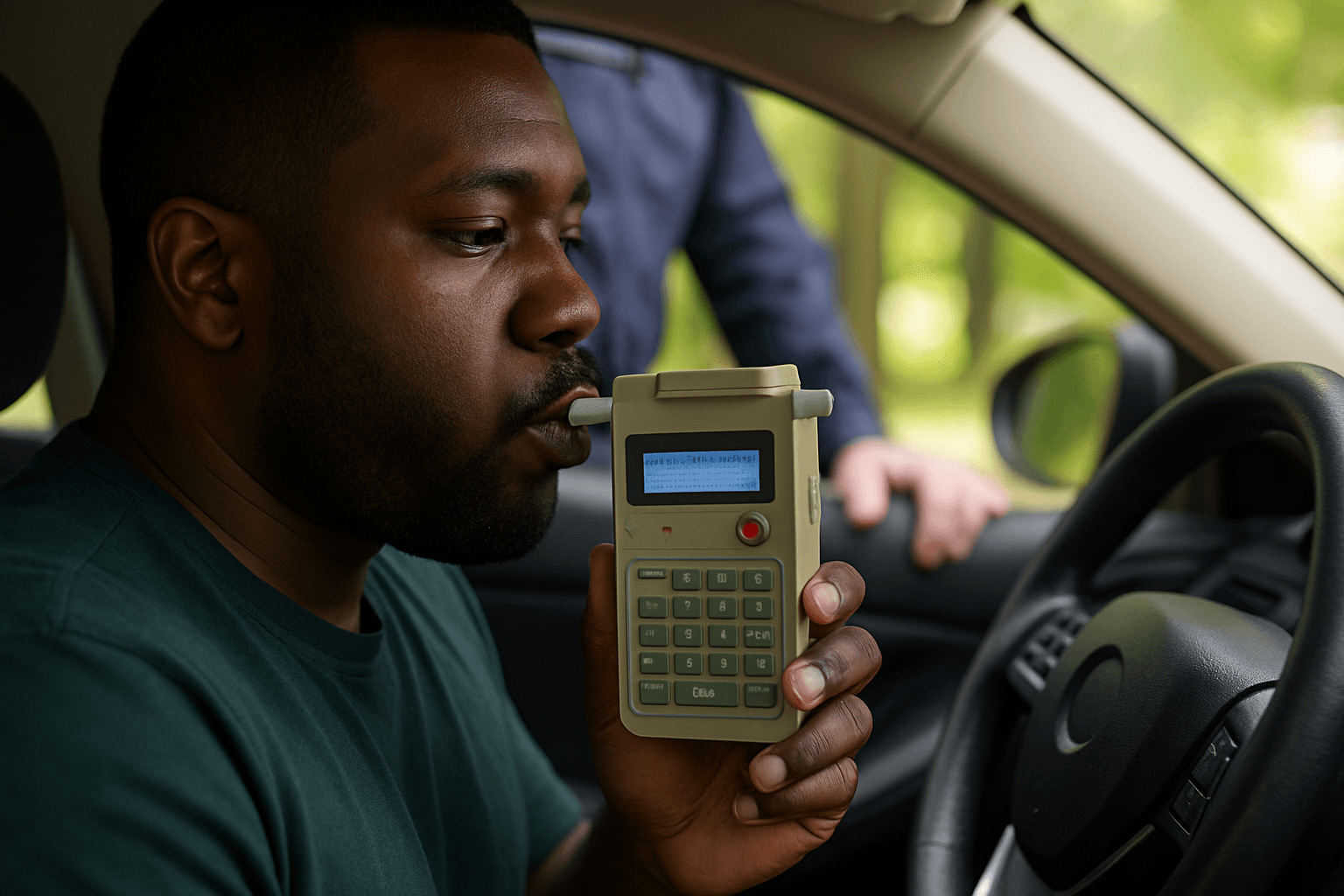
Leandra's Law adds a separate layer. If your suspension stems from a DWI conviction and you're required to install an ignition interlock device under VTL §1198, carriers classify you in the highest-risk tier regardless of whether you've completed the Impaired Driver Program. IID-mandated policies cost approximately $240-$390/month in New York, with the IID lease fee ($75-$125/month) billed separately by the device vendor. The RUL approval itself doesn't reduce the surcharge. You remain in high-risk pricing for the full interlock period, typically 12 months for a first DWI offense.
Multiple suspensions within 36 months trigger compounding surcharges. A driver with two alcohol-related suspensions in three years pays approximately 150-200% over standard rates, and some carriers refuse to quote the risk entirely. Drivers in that position typically land with non-standard carriers like Bristol West or National General, who write RUL policies but charge monthly premiums in the $310-$450 range for state-minimum liability limits.
Compare car insurance rates in your state
Get quotes from licensed carriers — no obligation, no spam, results in minutes.
Get Your Free Quote✓ No Obligation Required✓ Licensed Carriers Only✓ Available Nationwide✓ Free to Compare
How Employer Documentation Affects Your Premium Timeline
New York requires employer verification as part of the RUL application package (form MV-500 series). Your employer must document your work hours, route from home to workplace, and confirm that you need to drive to retain your job. The DMV does not issue Restricted Use Licenses for general convenience. The employment necessity must be verifiable and specific.
Carriers ask for the same employer letter during underwriting. They use it to validate the route restrictions listed on your RUL approval and to confirm that your described use matches the limited-driving restriction. If your employer letter states you work Monday through Friday, 8 AM to 5 PM, but you're purchasing coverage with no time-of-day restrictions, the carrier flags the discrepancy and may refuse to bind the policy until the mismatch is resolved.
Commercial drivers face a harder constraint. If you hold a CDL and your job requires operating commercial vehicles, the Restricted Use License does not cover commercial driving under New York law. Your RUL is valid only for personal vehicle operation. Employers who require CDL operation as a job function cannot use the employer-verification letter to satisfy the work-necessity requirement, and DMV typically denies those RUL applications at the administrative review stage. Carriers will not quote coverage for commercial use under an RUL because the license itself prohibits it.
What Happens When You Drive Outside Approved Hours
Your Restricted Use License lists approved purposes: travel to and from work, travel during work hours if your job requires driving, travel to and from medical appointments, travel to and from the Impaired Driver Program if required, and other DMV-approved essential activities. Driving outside those purposes while your full license remains suspended is considered aggravated unlicensed operation under VTL §511, a misdemeanor in New York.
Carriers receive notification of AUO arrests through IIES within 48-72 hours of the violation. Most RUL policies include a condition-of-coverage clause: if you're arrested for driving outside your approved restrictions, the carrier can cancel your policy with 10 days' notice. DMV then receives the cancellation notice through IIES and automatically revokes your Restricted Use License. You lose both the insurance and the limited driving privilege within two weeks of the violation.
Some violations trigger immediate revocation without carrier involvement. If you're arrested for DWI while holding an RUL, the DMV revokes the restricted license at arraignment under the Pringle suspension framework, even if the new DWI charge is eventually dismissed. The original suspension period restarts from the new arrest date, and you're typically barred from reapplying for another RUL for 12-24 months depending on your prior record.
How Long You'll Pay Elevated Premiums After Reinstatement
The RUL surcharge doesn't disappear when your full license is reinstated. Carriers apply the elevated rate for three to five years from the suspension effective date, not the reinstatement date. A driver suspended in January 2023 and reinstated in January 2024 continues paying the DWI surcharge through January 2026 at minimum, with most carriers extending it through January 2028.
The surcharge declines incrementally. Year one post-suspension typically carries the full 80-140% increase. Year two drops to 60-100%. Year three drops to 40-70%. By year four, most drivers return to standard-risk pricing if no new violations appear on their record. High-risk incidents like DWI stay on your New York driving record abstract for 10 years, but carriers don't apply underwriting surcharges for the full decade. The pricing impact concentrates in the first three years.
Switching carriers mid-surcharge period rarely reduces your premium. Every admitted carrier in New York pulls your full driving record from DMV during underwriting. The suspension, the violation that triggered it, and the RUL period all appear on that abstract. Shopping for quotes makes sense at each annual renewal, but expect similar pricing across carriers until you exit the high-risk surcharge window.
Finding Coverage That Meets New York's RUL Requirements
Not every carrier writes policies for drivers holding Restricted Use Licenses. Geico, Progressive, State Farm, and Bristol West actively quote RUL coverage in New York and transmit policy data into IIES within the standard 3-5 business day processing window. USAA writes RUL policies for eligible members. Allstate and Travelers quote selectively based on the underlying suspension cause.
You need liability coverage that meets New York's state minimums at minimum: $25,000 bodily injury per person, $50,000 bodily injury per accident, $10,000 property damage, plus mandatory Personal Injury Protection and uninsured motorist coverage. Most carriers won't sell you an RUL policy with state-minimum-only limits. They require at least $50,000/$100,000/$25,000 liability to offset the elevated claim risk during your restricted-driving period. That higher-limits requirement adds approximately $30-$50/month to your base premium.
Apply for coverage before you submit your RUL application to DMV. The $25 application fee is non-refundable, and DMV denies applications when IIES shows no active coverage at the time of review. Binding your policy first, waiting for the IIES transmission to complete, then filing your MV-500 RUL application avoids the denial and reapplication cycle that adds 15-30 days to your timeline.