New York's Restricted Use License lets you drive to work during DUI suspension, but only after IID installation and direct DMV-carrier insurance verification. Here's how to apply at the DMV and what documentation your employer must provide.
What New York's Restricted Use License Allows After a DUI Suspension
A Restricted Use License (RUL) in New York permits you to drive to and from work, to school, to medical appointments, and for other DMV- or court-approved essential purposes during your DUI suspension period. It does not restore general-purpose driving privileges. Your routes and hours are restricted to the specific activities listed on your DMV approval letter.
New York's RUL is available to drivers suspended or revoked for DWI under Vehicle and Traffic Law §1192, but only after you complete the state's Impaired Driver Program (IDP, formerly called DDP) and install an ignition interlock device. The DMV has discretion to deny applications based on your prior record, the number of previous suspensions or revocations, and conduct during the suspension period. There is no guaranteed approval even if you meet the baseline requirements.
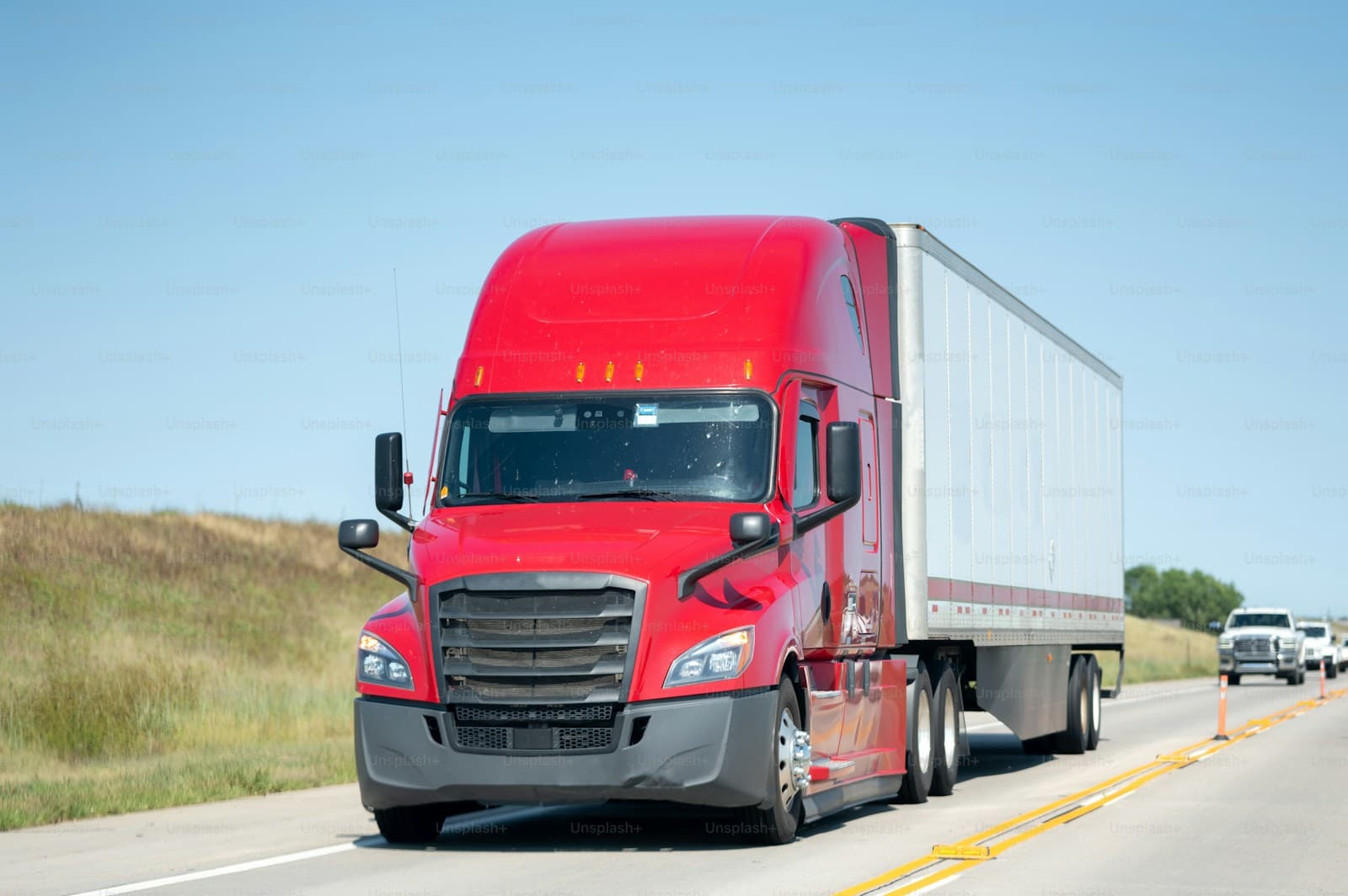
The Restricted Use License does not cover commercial vehicle operation. If you hold a CDL and your job requires you to drive commercial vehicles, the RUL will not allow you to perform those duties. The restriction applies to personal driving only, even though the purpose is work-related.
How to Apply for a Restricted Use License at the NY DMV
You apply in person at a DMV office using the MV-500 series application form specific to your suspension type. The $25 application fee is paid at the time of filing. Bring proof of employment or the necessity for driving: a letter from your employer on company letterhead stating your job title, work address, required work hours, and the days you must commute. The letter must confirm that driving is necessary to reach your workplace or to perform essential job functions.
You must also provide proof of ignition interlock device installation. New York's Leandra's Law (VTL §1198) mandates IID installation for all DWI convictions, and your vehicle must have a functioning interlock before the DMV will approve your RUL. The IID provider issues a compliance certificate after installation; bring that certificate to your DMV appointment.
New York does not use SR-22 certificates. Insurance verification is handled through the DMV's Insurance Information and Enforcement System (IIES), which receives real-time electronic reports directly from admitted carriers. Your carrier must file your coverage electronically with the DMV before you apply. The DMV will verify your coverage status during the application review. You do not submit a paper form, but you must have active coverage from a New York-admitted carrier at the time of application.
The DMV does not publish a standard processing time for RUL applications. Turnaround varies significantly by regional DMV office and case complexity. Some offices issue approval within two weeks; others take six weeks or longer. During this window, you cannot drive legally under the RUL until you receive the approval letter and the physical restricted license.
Compare car insurance rates in your state
Get quotes from licensed carriers — no obligation, no spam, results in minutes.
Get Your Free Quote✓ No Obligation Required✓ Licensed Carriers Only✓ Available Nationwide✓ Free to Compare
What Your Employer Must Document for DMV Approval
The DMV requires employer verification on company letterhead, signed by a supervisor or human resources representative. The letter must state your job title, work location address, required work hours (including start and end times), and the days of the week you are scheduled to work. If your job requires driving during work hours (for example, client visits, deliveries, or site travel), the letter should specify that and describe the geographic scope of those duties.
Many employers have never completed this documentation before. HR departments sometimes resist signing verification letters because they worry about liability if you are caught driving outside approved hours or routes. You may need to explain that the letter does not make the employer liable for your compliance with the RUL restrictions; it simply verifies your employment and work schedule. The DMV is verifying that you have a legitimate work-related need, not imposing legal responsibility on your employer.
If your employer refuses to provide the letter, or if you are self-employed, the DMV may accept alternative documentation: tax returns, business registration, client contracts, or a notarized affidavit explaining your work situation. The DMV has discretion to evaluate non-traditional employment arrangements on a case-by-case basis. Call the DMV office where you plan to apply and ask what documentation they will accept for self-employment or gig work before you prepare your application.
When Ignition Interlock Installation Is Required for Your Restricted Use License
Leandra's Law requires ignition interlock installation for all persons convicted of DWI or DWAI in New York, including as a condition of any Restricted Use License issued during the interlock period. You cannot obtain an RUL without first installing the device. The interlock period typically lasts six months for a first DWI conviction, and longer for subsequent offenses or aggravated circumstances.
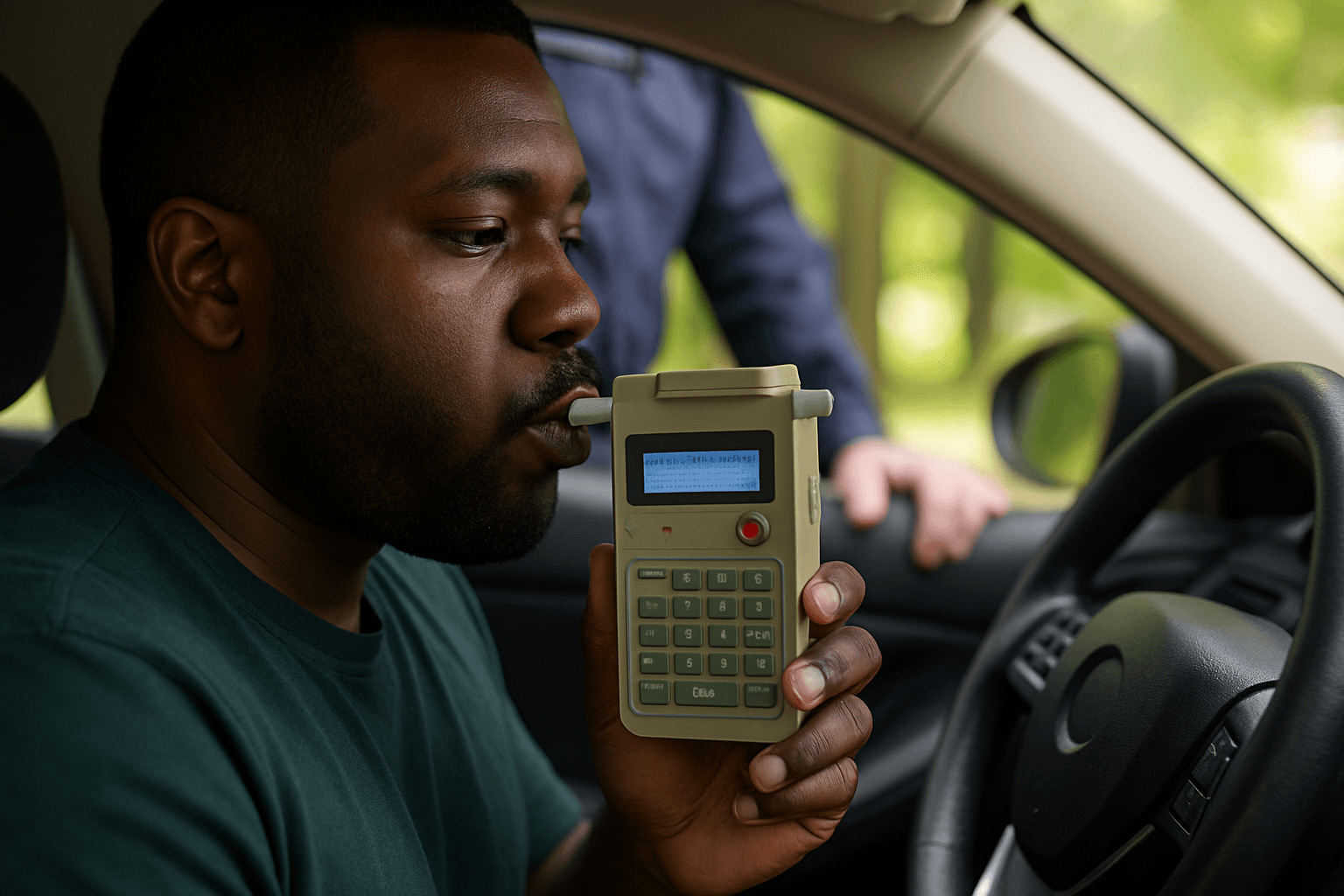
The IID must be installed by a New York State-approved provider. The provider will give you a compliance certificate after installation and calibration. Bring that certificate to your DMV application appointment. Monthly monitoring fees, recalibration appointments, and lockout violations (if you attempt to start the vehicle with alcohol detected) are your responsibility. Missing a calibration appointment or tampering with the device can result in automatic revocation of your RUL.
The interlock requirement applies even if you do not own a vehicle. If you plan to drive a vehicle registered to a family member or another household member, that vehicle must have the IID installed before the DMV will approve your RUL. If you drive a company vehicle for work, your employer's vehicle must have the interlock installed, or you must drive a personal or household vehicle equipped with the device. The restriction is on you, the driver, not the vehicle registration.
What Happens If You Drive Outside Your Approved Routes or Hours
The DMV's approval letter specifies the routes, hours, and purposes for which you may drive under your Restricted Use License. Driving outside those parameters is considered driving with a suspended license under New York law, not a minor violation of a restricted license. If you are stopped for any reason and the officer determines you are outside your approved parameters, you face arrest, vehicle impoundment, and criminal charges under VTL §511.
The ignition interlock device logs every start attempt, drive time, and GPS location (if your device includes GPS monitoring, which many New York courts now require). The monitoring provider reports violations to the DMV. If the device logs show you drove outside approved hours or routes, the DMV can revoke your RUL without a hearing. Once revoked, you typically cannot reapply for another RUL during the same suspension period.
If your work schedule changes after your RUL is issued, you must file an amendment with the DMV before driving under the new schedule. The amendment requires a new employer verification letter and DMV approval. Do not assume that driving at different hours is acceptable just because your employer changed your shift. The restriction is tied to the DMV approval letter, not your employer's internal scheduling decisions.
How to Set Up Insurance Coverage That Meets New York's RUL Requirements
New York requires minimum liability coverage of $25,000 per person for bodily injury, $50,000 per accident for bodily injury, $10,000 for property damage, plus mandatory Personal Injury Protection (PIP) and Uninsured Motorist coverage. After a DWI conviction, most carriers classify you as high-risk and your premium will increase significantly. Some standard carriers will non-renew your policy at the end of the term; others will move you to a non-standard subsidiary.
You do not file an SR-22 certificate in New York. Coverage verification is handled through the IIES system. When you purchase a policy from a New York-admitted carrier, the carrier electronically reports your coverage to the DMV within 24 hours. The DMV checks your coverage status when you apply for the RUL and monitors it continuously during your restricted license period. If your policy lapses or is cancelled, the DMV receives an electronic notification immediately and your RUL is suspended automatically.
If you do not own a vehicle, you need a non-owner policy that provides liability coverage when you drive a vehicle you do not own. Non-owner policies satisfy New York's financial responsibility requirement and are reported to the DMV through the IIES system just like standard policies. Not all carriers offer non-owner coverage to drivers with DWI convictions, so you may need to contact multiple insurers or work with a broker who specializes in high-risk placements.
Carriers writing high-risk and post-DUI coverage in New York include Geico, Progressive, National General, and Bristol West. Standard carriers like State Farm and Allstate may offer coverage but often at substantially higher rates than non-standard specialists. Request quotes from at least three carriers before you purchase. Monthly premiums for drivers with a DWI conviction in New York typically range from $180 to $320 per month for minimum liability coverage, depending on your age, county, and prior driving history. Estimates are based on available industry data; individual rates vary.
What to Expect If You Have Multiple DWI Offenses on Your Record
Drivers with multiple DWI offenses face extended revocation periods and may be categorically ineligible for a Restricted Use License. New York law allows for permanent revocation after multiple alcohol-related convictions, and the DMV has broad discretion to deny RUL applications based on prior record and conduct. If you have two or more DWI convictions within ten years, expect your application to receive heightened scrutiny.
The Impaired Driver Program requirement is mandatory for all DWI-related suspensions, but completion does not guarantee RUL approval. The DMV evaluates your compliance with program requirements, your driving record since the conviction, and any intervening violations or arrests. If you were arrested for another alcohol-related offense during your suspension period, or if you violated the terms of a prior conditional or restricted license, the DMV will likely deny your application.
In cases of multiple DWI offenses, the ignition interlock period is extended significantly. Second-time offenders typically face a one-year interlock requirement at minimum, and third-time offenders may have a three-year or longer period. During this time, any interlock violation (failed breath test, missed calibration appointment, tampering attempt) is reported to the DMV and can result in immediate RUL revocation and extension of the interlock period.