Nebraska's EDP restricts you to work hours only—but the hours aren't what your employer lists. The DMV defines the window based on your documented commute time plus shift schedule, and driving outside that window revokes the permit immediately.
What Nebraska's Employment Driving Permit Actually Authorizes
Nebraska's Employment Driving Permit (EDP) allows you to drive to and from work, and during work hours if your job requires driving, during a license suspension. The permit does not restore general driving privileges. You cannot use it for errands, family transportation, or social purposes outside the approved employment function.
The permit is issued under Neb. Rev. Stat. § 60-4,118 and costs $50 to apply. The Nebraska DMV processes applications, not the court. If your suspension stems from a DUI, you will typically pursue an Ignition Interlock Permit (IIP) instead of the EDP—the IIP is the primary pathway for alcohol-related suspensions and requires an ignition interlock device installed in your vehicle.
The EDP is available for non-DUI suspensions including points accumulation, insurance lapses, unpaid fines, and failure-to-appear cases. DUI-suspended drivers can apply for an EDP if they do not qualify for the IIP or if the IIP hard suspension period has not yet elapsed, but the interlock requirement typically applies to both permit types in DUI contexts.
How the DMV Defines Your Approved Hours and Routes
The EDP restricts you to driving necessary to maintain employment. That means your commute window plus your documented work schedule, calculated by the DMV—not open-ended hours.
You must submit proof of employment with your application. This typically includes a verification letter from your employer stating your work address, shift hours (start and end times), and days worked per week. If your job requires driving during work hours—delivery, sales calls, site visits—the letter must document that requirement and provide an estimated radius or list of typical destinations.
The DMV uses your home address and work address to calculate commute time and defines your approved driving window as: commute travel time in each direction, plus your documented shift hours, plus a small buffer (typically 30 minutes before and after shift). If you work 8 a.m. to 5 p.m. Monday through Friday and your commute is 25 minutes each way, your approved window is approximately 7:30 a.m. to 5:30 p.m. on workdays only. Driving at 6 p.m. on a workday or any time on a non-workday is a violation.
Flexible schedules, gig work, and commission-based hours complicate this. If your work hours vary, you must document the full range of potential shifts and the DMV may approve a broader window—but you carry the burden of proving the variability is employment-related, not personal convenience.
Compare car insurance rates in your state
Get quotes from licensed carriers — no obligation, no spam, results in minutes.
Get Your Free Quote✓ No Obligation Required✓ Licensed Carriers Only✓ Available Nationwide✓ Free to Compare
What Happens If You Drive Outside the Approved Window
Driving outside your approved hours or routes results in immediate EDP revocation and criminal charges for driving under suspension. Nebraska law treats violation of permit restrictions as a separate offense from the original suspension. You will not receive a warning.
Law enforcement has access to DMV records showing your restriction details. If you are stopped outside your documented work window, the officer will verify your permit status and arrest you if you are in violation. The original suspension period resumes in full, and you lose eligibility for any future restricted driving privileges during that suspension.
The most common violation scenario: stopping for groceries or picking up a child on the way home from work. The stop itself is outside the employment purpose. If you are involved in an accident or stopped for any reason during that detour, you are driving illegally.
Ignition Interlock Requirement for DUI-Related Suspensions
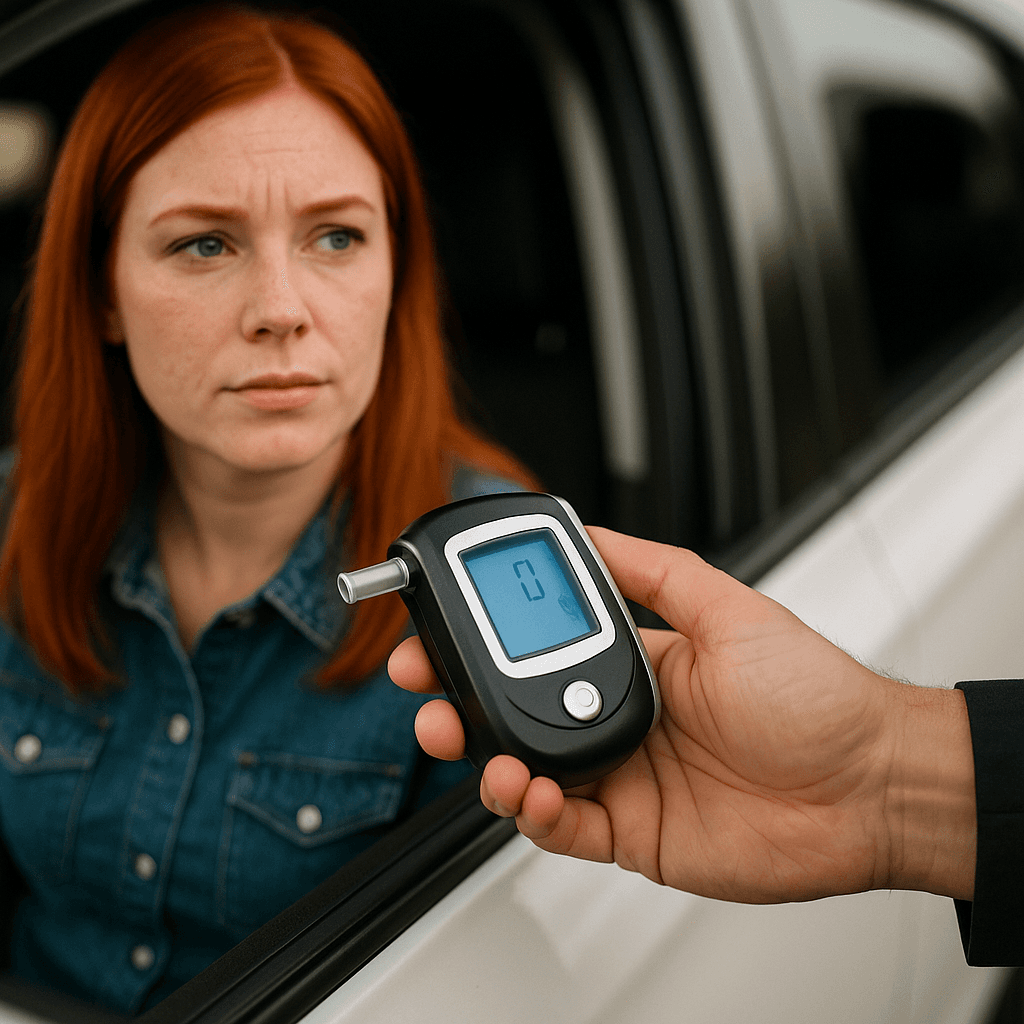
If your suspension stems from a DUI, Nebraska requires an ignition interlock device (IID) installed in any vehicle you operate under the EDP. The IID requirement is statutory under Neb. Rev. Stat. § 60-6,211.05 and applies even if you are pursuing the EDP rather than the IIP.
You must use a Nebraska-approved interlock vendor. The device costs approximately $70–$100 to install and $60–$80 per month to lease and maintain. You pay these costs directly to the vendor. The DMV does not subsidize interlock expenses.
For first-offense DUI, Nebraska imposes a 60-day hard suspension before any interlock permit (IIP or EDP with interlock) can be issued. You cannot drive at all during this period. Second and subsequent offenses carry longer hard suspension periods before restricted driving eligibility begins.
SR-22 Filing Setup and What It Costs
Nebraska requires SR-22 proof of financial responsibility for most suspensions that qualify for EDP eligibility. The SR-22 is not insurance—it is a certificate your insurer files with the Nebraska DMV proving you carry at least the state's minimum liability coverage: $25,000 per person for bodily injury, $50,000 per accident for bodily injury, and $25,000 for property damage.
You must obtain SR-22-compliant insurance before applying for the EDP. The DMV will not approve your permit application without proof of SR-22 filing on record. Most carriers charge a one-time SR-22 filing fee of $15–$50. Your premium will increase because the SR-22 designation marks you as high-risk. Expect monthly premiums in the range of $140–$220 depending on your violation history, age, and county.
If your policy lapses or cancels during the EDP period, your insurer notifies the DMV electronically and your permit is revoked immediately. You must maintain continuous SR-22 coverage for the full duration of your suspension and filing period—typically 3 years for DUI-related cases in Nebraska.
If you do not own a vehicle, you need non-owner SR-22 insurance. This covers you when driving someone else's vehicle and satisfies the DMV's SR-22 filing requirement. Non-owner policies cost less than standard policies—typically $40–$80 per month—but do not cover a vehicle you own or regularly drive.
CDL Holders and Commercial Driving Restrictions
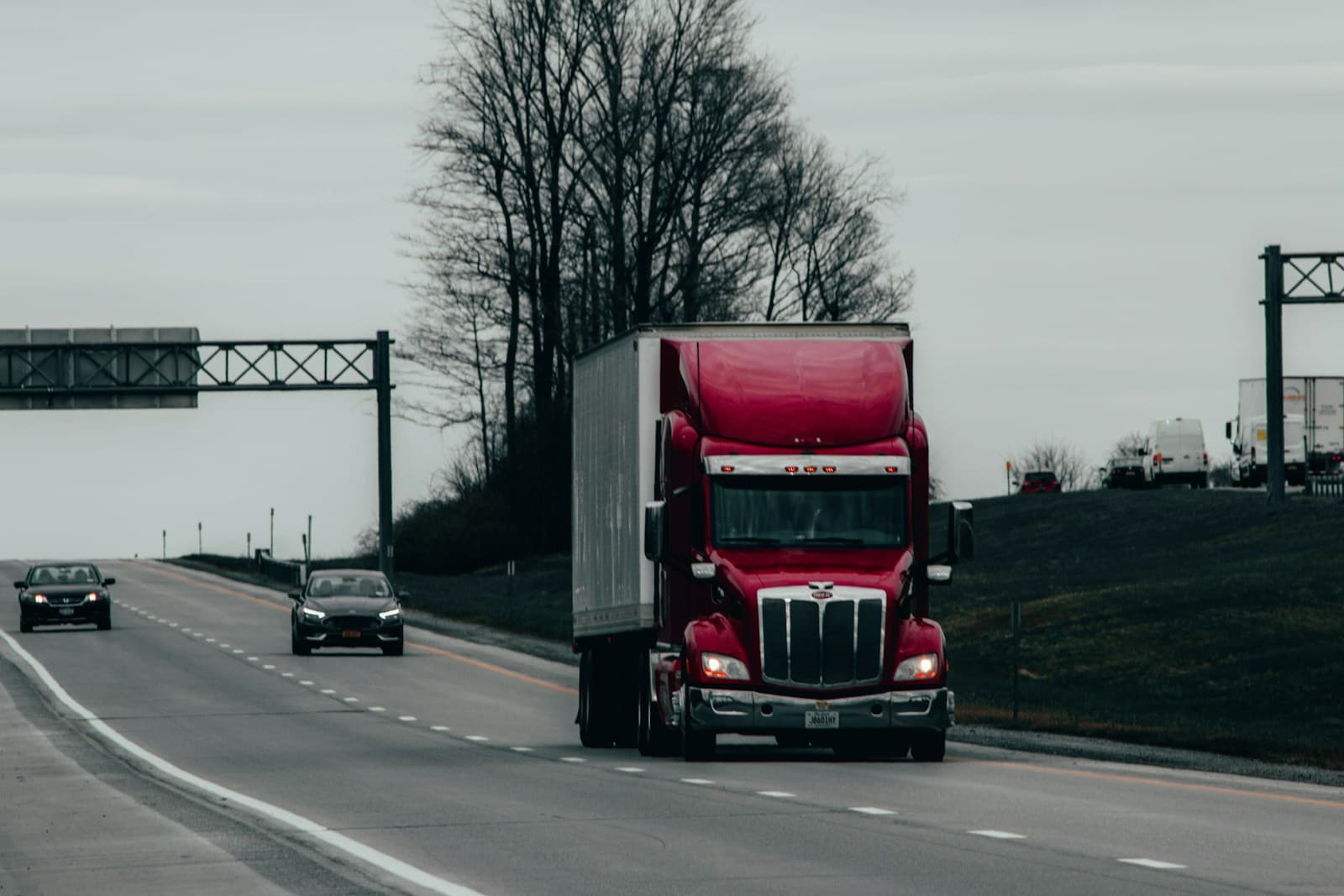
If you hold a commercial driver's license (CDL), the EDP does not authorize you to operate commercial vehicles. Nebraska law prohibits restricted driving privileges for commercial driving purposes under federal and state CDL regulations.
You can use the EDP to commute to and from your CDL-required job in a personal vehicle, but you cannot drive the commercial vehicle itself under the EDP. If your job requires you to operate a commercial truck, bus, or other CDL-class vehicle as part of your duties, the EDP does not solve your employment problem.
This is a common misunderstanding. Drivers assume the work-purposes language covers all work-related driving. It does not. The EDP covers personal-vehicle commuting and non-commercial work driving only. If you are a delivery driver, long-haul trucker, or bus operator whose job function is commercial driving, you cannot perform that job under an EDP.
Application Process and Timeline to Approval
You apply for the EDP directly through the Nebraska DMV Driver and Vehicle Records division. The application requires: the completed EDP application form, proof of employment (employer verification letter), proof of SR-22 insurance filing, and the $50 application fee.
Processing time varies but typically takes 10–15 business days from the date the DMV receives a complete application. Incomplete applications—missing employer documentation or SR-22 proof—delay the process. The DMV does not issue temporary permits while your application is pending. You cannot drive legally until the EDP is approved and physically issued.
If your application is denied, the DMV provides a written explanation. Common denial reasons: unpaid reinstatement fees, failure to complete court-ordered requirements (DUI education, community service, fines), or insufficient proof of employment need. You can reapply after resolving the deficiency.