Nebraska offers two parallel work-driving pathways after suspension: the Employment Driving Permit for most violations and the Ignition Interlock Permit for DUI cases. Here's what qualifies, what doesn't, and how to apply.
Which permit path applies to your suspension cause
Nebraska operates two separate restricted-driving programs. The Employment Driving Permit (EDP) serves drivers suspended for points accumulation, unpaid tickets, insurance lapses, and most administrative violations. The Ignition Interlock Permit (IIP) serves drivers suspended for DUI/OWI offenses and requires device installation. Your violation type dictates which path you follow — you cannot choose between them.
DUI suspensions trigger a 60-day hard suspension period before IIP eligibility begins. During those 60 days, no driving privileges exist regardless of employment need. Points-based and administrative suspensions typically allow EDP application immediately after suspension takes effect, though processing time adds delay. The DMV does not issue both permits simultaneously — if your record contains multiple suspension causes, the most restrictive pathway governs.
Employers often require proof of permit type before allowing vehicle operation for work purposes. Your application outcome letter from the Nebraska DMV specifies which permit you hold and the exact restrictions attached to it. Keep this document with your license while driving.
What the Employment Driving Permit actually allows
The EDP restricts driving to employment purposes, school attendance, medical treatment, and court-approved essential activities. It is not a general driving privilege. Your permit lists approved hours and routes based on your employer verification letter and documented schedule. Driving outside those boundaries constitutes operating without a valid license — the permit does not cover you.
Time restrictions match your work schedule exactly. If you work 7 AM to 4 PM Monday through Friday, those hours define your approved driving window. Employers who require variable hours (construction, healthcare, retail) must provide documentation explaining the schedule variability — the DMV may approve broader time blocks or deny the application outright if documentation is insufficient. During-work driving (service calls, deliveries, client visits) qualifies if your employer letter specifies job duties requiring vehicle operation. Personal errands during lunch breaks do not qualify even if they occur during approved work hours.
Route restrictions appear on most permits. The DMV typically approves the most direct path between your residence and workplace. Detours for errands, carpooling non-family members, or convenience stops void the permit protection. Law enforcement officers who stop EDP holders compare the current location and time against the permit restrictions printed on the license — if you're outside approved boundaries, the stop becomes an unlicensed-driving citation.
Compare car insurance rates in your state
Get quotes from licensed carriers — no obligation, no spam, results in minutes.
Get Your Free Quote✓ No Obligation Required✓ Licensed Carriers Only✓ Available Nationwide✓ Free to Compare
Application process and required documentation
EDP applications go through the Nebraska DMV Driver and Vehicle Records division. You must submit a completed application form, proof of the qualifying need, SR-22 certificate of insurance (required for most suspension causes), and a $50 application fee. Processing time varies — the DMV does not guarantee same-day issuance even when all documents are correct.
Employer verification letters must include specific information: your job title, work address, scheduled hours (start and end times), days worked per week, and a supervisor signature with contact phone number. Generic letters stating "John works here" are rejected. The DMV calls employers to verify information when documentation appears inconsistent — delays of several days occur when supervisors are unavailable or the contact number is incorrect. Self-employed applicants must provide additional documentation: business registration, tax filings, or client contracts proving ongoing work activity.
SR-22 filing must be active before the DMV approves your EDP application. Most insurance carriers file SR-22 certificates electronically within 24 to 48 hours after policy purchase, but paper filings can take up to a week. Apply for SR-22 coverage immediately after suspension notice — waiting until you submit the EDP application extends your total wait time. The DMV verifies SR-22 status in their system before releasing the permit.
Ignition Interlock Permit requirements for DUI suspensions
First-offense DUI suspensions in Nebraska require a 60-day mandatory hard suspension before Ignition Interlock Permit eligibility begins. No hardship driving exists during this period regardless of employment need. Second and subsequent DUI offenses carry longer hard suspension periods — the exact duration appears on your suspension notice from the DMV. After the hard period expires, you may apply for the IIP if you meet device installation and insurance requirements.
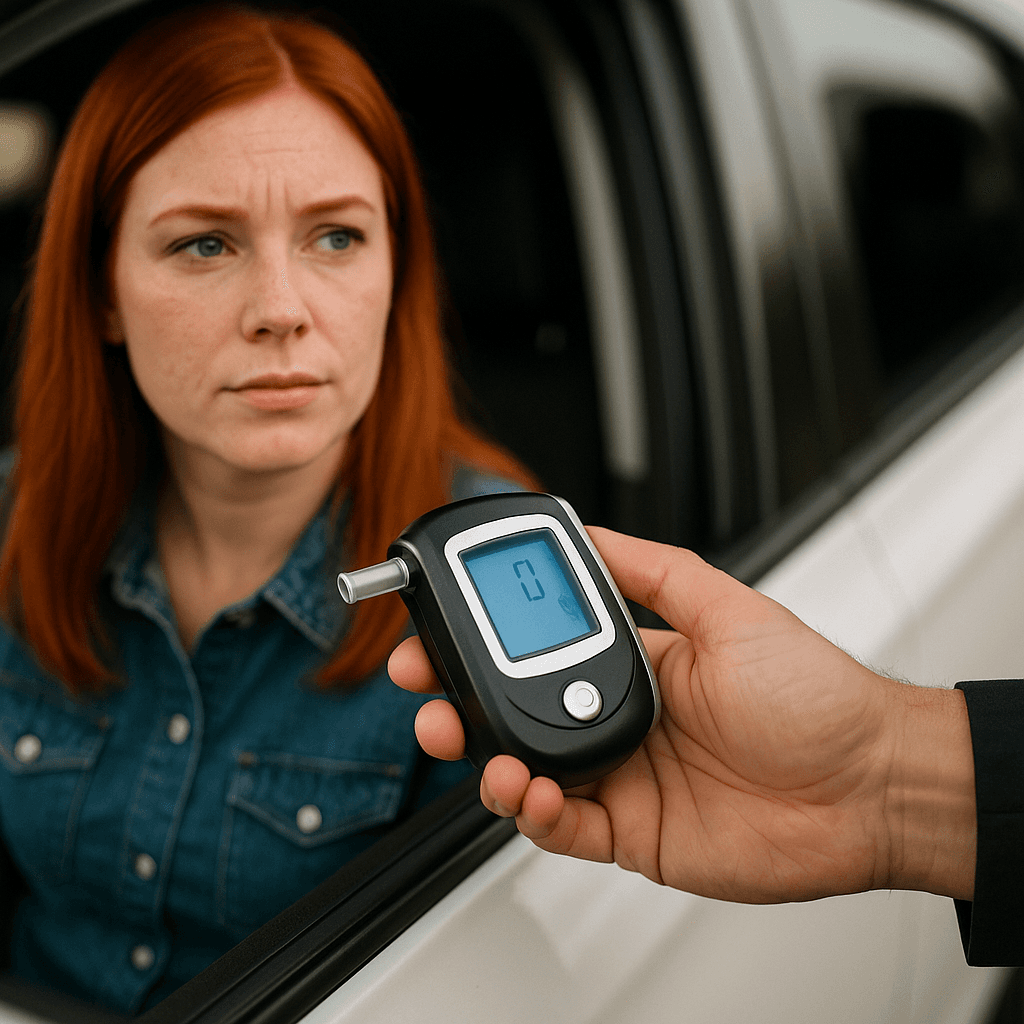
The IIP requires installation of a Nebraska-approved ignition interlock device by a state-certified vendor before the permit is issued. You pay installation costs (typically $70 to $150) and monthly monitoring fees (typically $60 to $80) directly to the vendor. The device logs every start attempt, failed test, and violation — this data transmits to the DMV monthly. Tampering with the device, asking another person to blow into it, or accumulating failed breath tests triggers permit revocation and extends your total suspension period.
IIP applicants must also maintain SR-22 insurance for the entire permit period and the reinstatement period that follows. Nebraska requires SR-22 filing for three years after DUI conviction, measured from the conviction date. Your IIP period counts toward that three-year requirement, but the filing obligation does not end when the permit expires — it continues until the full three years elapse. Letting SR-22 lapse during this period triggers immediate permit revocation and license re-suspension.
SR-22 insurance setup for work-permit holders
SR-22 is a certificate your insurance carrier files with the Nebraska DMV proving you carry at least the state minimum liability coverage: $25,000 per person, $50,000 per accident for bodily injury, and $25,000 for property damage. The certificate itself costs a one-time filing fee (typically $15 to $50), but your premium will increase because carriers classify SR-22 drivers as high-risk.
Non-owner SR-22 policies cover drivers who do not own a vehicle but need to meet filing requirements. These policies cost less than standard coverage (typically $30 to $60 per month) because they only provide liability protection when you drive someone else's vehicle. Employer-provided vehicles, rental cars, and borrowed family cars fall under non-owner coverage. If you own a vehicle registered in your name, you need a standard SR-22 policy with full liability coverage on that specific vehicle — non-owner policies do not satisfy the requirement when you are the registered owner.
Carriers vary significantly in how they price SR-22 policies for suspended drivers. Some specialize in high-risk coverage and offer lower rates; others decline applications outright or quote premiums two to three times higher than standard coverage. Compare quotes from at least three carriers before selecting a policy. Once coverage is active, the carrier files the SR-22 certificate electronically — verify receipt with the DMV before submitting your EDP or IIP application.
What happens if you violate permit restrictions
Operating outside your approved hours, routes, or purposes while holding an EDP or IIP is treated as driving without a valid license. Law enforcement officers who stop you compare your current activity against the printed permit restrictions. If you're outside approved boundaries — wrong time, wrong route, wrong purpose — the officer issues a citation for unlicensed operation. The DMV revokes the permit immediately upon notification of the violation.
Permit revocation extends your total suspension period. The original suspension does not pause while you hold a work permit — the clock runs continuously. When the permit is revoked, you lose work-driving privileges but the underlying suspension continues to its original end date. To regain any driving privileges after revocation, you must wait until the full suspension period expires, pay reinstatement fees (base fee of $125 plus any outstanding fines or administrative costs), and reapply for full license reinstatement. No second work permit is issued during the remainder of the suspension period.
Employers terminate drivers who lose work permits mid-employment. Most companies cannot accommodate non-driving positions for workers hired specifically for driving roles. The permit exists to protect your job during suspension — violating it eliminates that protection and the job simultaneously.
CDL holders and commercial driving exclusions
The Employment Driving Permit and Ignition Interlock Permit authorize personal vehicle operation only. CDL holders cannot use these permits to operate commercial motor vehicles, even when the underlying job requires a commercial license. Nebraska law excludes commercial driving from hardship license privileges regardless of employment need.
If your job requires a commercial license and you cannot perform non-driving duties during suspension, the EDP or IIP does not solve your employment problem. Employers who hire CDL drivers for delivery, trucking, transit, or construction equipment operation cannot retain employees who lose commercial driving privileges — the permit allows you to drive to the job site in your personal vehicle but not to perform the commercial driving work itself. Most CDL holders facing suspension for personal-vehicle violations must seek non-CDL employment until full license reinstatement.
DUI suspensions trigger federal CDL disqualification in addition to state license suspension. Even after obtaining an IIP for personal driving, your commercial license remains disqualified for the federally mandated period (typically one year for a first offense, lifetime for a second offense). State work permits do not override federal CDL disqualification rules.