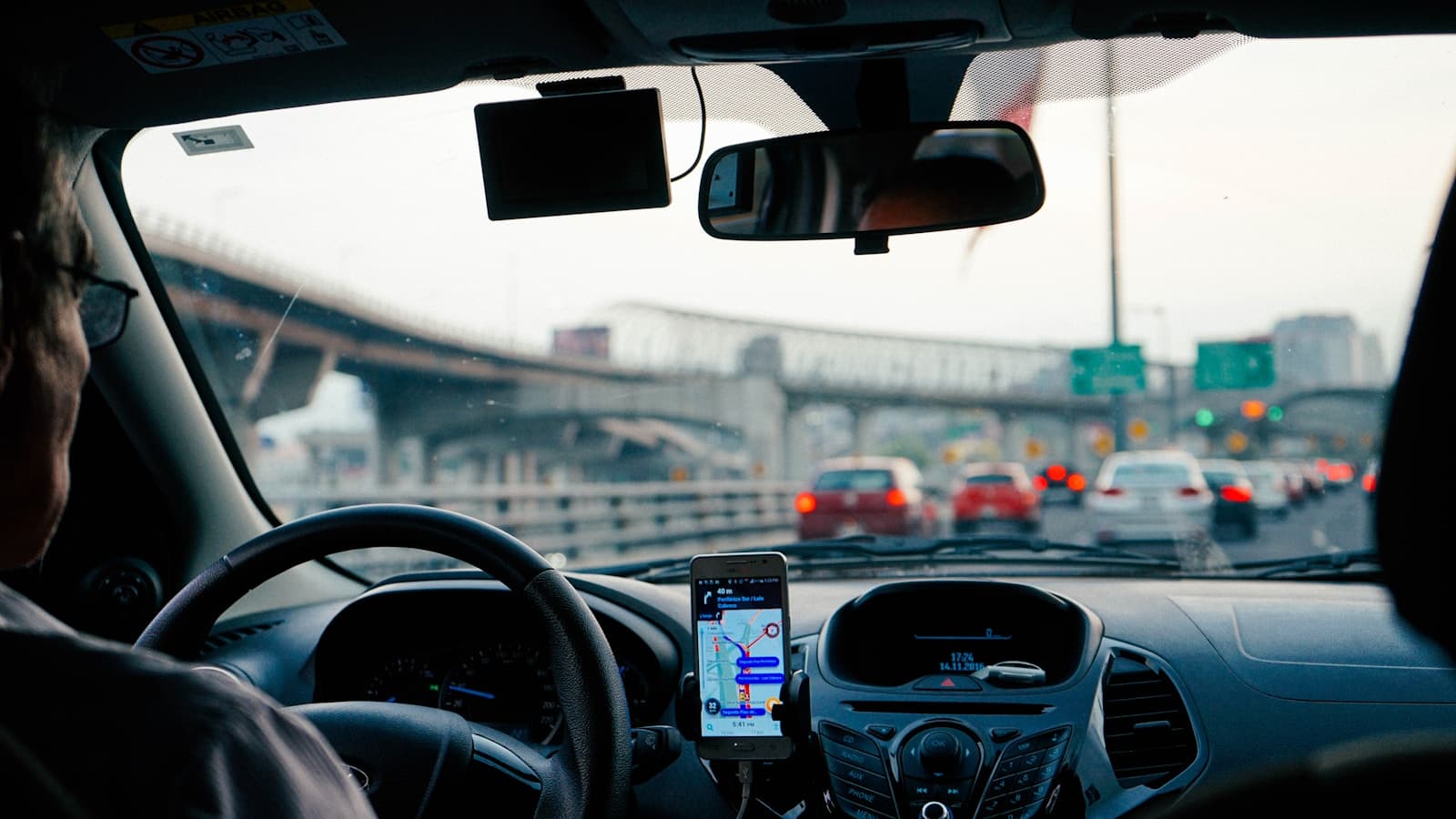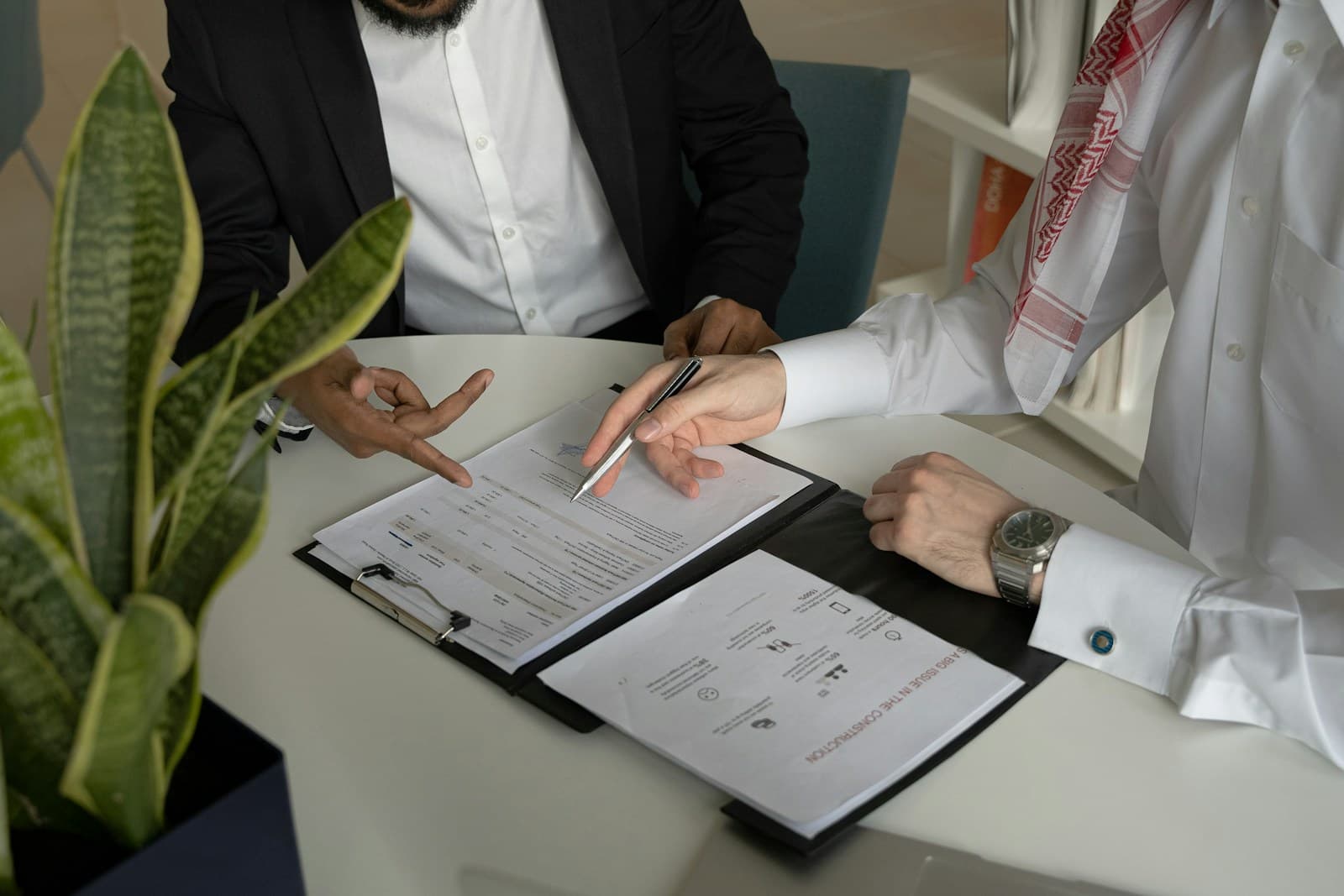
California's restricted license requires separate employer verification for each job. Two-employer letters fail at DMV review when routes overlap or hours aren't independently documented.
Why California's Restricted License Requires Separate Employer Letters for Each Job
California requires a separate employer verification letter for each job when you hold multiple positions. The DMV treats each employment relationship as a distinct approved purpose under Vehicle Code §13353.3. A single letter listing two employers appears as consolidated documentation without independent verification of each work arrangement.
The DMV cross-checks employer letters against your reported work schedule to confirm no route or time conflicts exist. When one letter covers two jobs, the review officer cannot verify that Job A's commute doesn't occur during Job B's scheduled hours. This ambiguity triggers denial even when your actual schedule has no overlap.
Most dual-job workers discover this requirement only after their first petition is denied. The DMV notification cites "insufficient employment verification" without explaining that separate letters were required. Resubmission adds 15-30 days to your restricted license timeline and requires paying the $125 application fee again in some county offices.
What Each Employer Letter Must Contain for DMV Acceptance
Each employer letter must state your exact work address, your specific work hours for that job, and the route you will drive from your residence to that worksite. The letter must be on company letterhead, signed by a supervisor or HR representative, and include the employer's contact phone number for DMV verification calls.
California's DUI program enrollment adds a third approved purpose to your restricted license. If you hold two jobs and attend DUI classes, you need two employer letters plus program enrollment confirmation showing class location and meeting times. The DMV maps all three routes to confirm none overlap geographically during the same time windows.
Route specificity matters more than most petitioners expect. "Commute from home to work" fails review. The letter must state your home address and work address explicitly so the DMV can calculate approved corridors. Some county DMV offices require the employer to list the actual streets or highway numbers you will use, though this is not uniform statewide.
Compare car insurance rates in your state
Get quotes from licensed carriers — no obligation, no spam, results in minutes.
Get Your Free Quote✓ No Obligation Required✓ Licensed Carriers Only✓ Available Nationwide✓ Free to Compare
How Overlapping Routes Trigger Automatic Denials
The DMV flags route overlap when two employer letters show work addresses within the same ZIP code or when commute paths share more than 50% of their total distance. This matters for workers who hold two part-time retail jobs in the same commercial district or warehouse workers rotating between facilities operated by different companies in the same industrial park.
Time-of-day restrictions under California's restricted license are purpose-based rather than clock-based. You can drive during any hour as long as the driving serves an approved purpose. But when two jobs share the same route corridor, the DMV cannot distinguish which job you are driving to at any given time. This creates an enforcement gap the agency resolves by denying the petition.
Some workers attempt to solve this by listing only their primary job on the restricted license petition. This works if your second job allows remote work or flex scheduling that eliminates the commute need. But driving to an unapproved worksite while holding a restricted license is a misdemeanor violation of the restriction terms, not a simple traffic infraction. Most employers terminate immediately when law enforcement notifies them of the violation.
What Happens When Job Schedules Change After Approval
California does not require you to notify the DMV when your work hours change after your restricted license is issued. The approved purposes listed on your license remain valid as long as the employer and worksite address do not change. Shift swaps, overtime hours, and schedule adjustments do not void your restriction as long as you are driving to the approved job.
Changing employers or adding a new job requires filing an amended restricted license petition. The $125 fee applies again and processing takes 15-30 days. During that processing window, you may not drive to the new worksite even if your original restricted license is still active. The old employer letter does not transfer to a new company.
Losing one of two jobs while holding a dual-employer restricted license does not require DMV notification. Your restriction remains valid for the remaining job. But if you lose both jobs and obtain new employment, you must file a completely new petition rather than amending the old one. Most restricted license holders discover this only after driving to a new job and being cited during a traffic stop.
How SR-22 Filing Interacts with Multi-Employer Restrictions
California requires SR-22 filing for 3 years from your restricted license issue date for DUI-triggered suspensions. Your insurer must maintain continuous coverage and report any lapses to the DMV immediately. A lapse triggers automatic re-suspension of your restricted license even if your employer letters are still valid.
Multi-job workers face higher SR-22 premiums because insurers classify dual-employment driving as increased exposure. If both jobs require driving during work hours—not just commuting—you need commercial driving exclusion language in your policy. Most personal auto policies exclude coverage for driving as part of your job duties, meaning an accident during a delivery or service call would not be covered.
Non-owner SR-22 policies work for multi-job workers who do not own a vehicle and drive employer-provided vehicles or rideshare exclusively. The non-owner policy provides liability coverage and satisfies the SR-22 filing requirement without insuring a specific vehicle. Monthly premiums for non-owner SR-22 for commuters typically range $80-$140 depending on your suspension cause and county.
What to Do Right Now
Contact each employer's HR department and request a verification letter on company letterhead. Provide a template listing the required elements: your name, your home address, the worksite address, your work hours for that job, and the commute route. Specify that the DMV requires separate letters for each employer if you hold multiple jobs.
If your two jobs share overlapping routes or are located in the same commercial area, document the time separation between shifts. Include a personal statement with your DMV petition explaining that Job A occurs Monday-Wednesday 6am-2pm and Job B occurs Thursday-Saturday 3pm-11pm, for example. This time-based separation can overcome geographic route overlap in some county offices.
Obtain employment hardship SR-22 insurance before filing your restricted license petition. California requires proof of SR-22 filing as part of the application packet. Comparing quotes from carriers writing non-standard auto in California—Bristol West, Dairyland, Geico, Progressive, and The General all file SR-22 electronically—reduces your monthly premium burden during the 3-year filing period.