Minnesota's Limited License allows work-driving during suspension, but the court defines every route and hour—your petition needs exact employer documentation or judges deny on sight.
What Minnesota's Limited License Actually Permits
Minnesota's Limited License under Minn. Stat. § 171.30 allows driving for employment, medical treatment, school, chemical dependency treatment, or court-ordered programs during suspension or revocation. The court defines every permitted route and hour in the order—this is not a blanket work permit. You receive a court order specifying exact purposes, times, and geographic boundaries. Driving outside those parameters is unlawful operation during revocation, a misdemeanor carrying up to 90 days in jail and $1,000 in fines.
The Limited License is granted entirely at judicial discretion, not by Driver and Vehicle Services. Outcomes vary significantly by county and judge. Hennepin and Ramsey County judges typically require employer affidavits documenting work address, schedule, and route. Outstate counties may accept less formal documentation, but all courts require proof the driving need is genuine and cannot be met through alternative transportation.
For DWI-related revocations, a mandatory 15-day hard suspension period must pass before filing a petition for a first offense. Longer mandatory periods apply to repeat offenders. Drivers whose licenses are cancelled under the "inimical to public safety" standard—typically involving serious criminal history or multiple DWIs—are categorically ineligible for a Limited License.
Court-Defined Route and Hour Restrictions
Minnesota courts specify permitted driving routes and hours in the Limited License order. Route restrictions typically limit driving to the direct path between home, workplace, and any approved secondary purposes like medical appointments or treatment facilities. Detours, side errands, and non-approved stops violate the order even if they occur during approved hours.
Hour restrictions typically mirror employment schedules plus a buffer. If you work 8 a.m. to 5 p.m., the court may approve driving from 7:30 a.m. to 5:30 p.m. to accommodate commute time. Employers must document the schedule in an affidavit or verification letter submitted with the petition. Variable-hour workers—gig drivers, on-call staff, commission-based employees—face added complexity. Courts may deny petitions if hours cannot be defined with specificity, or they may approve broader time windows with stricter route constraints.
Commercial driving is generally excluded from Limited License authorization. CDL holders may petition for a Limited License to commute to work in a personal vehicle, but cannot use the Limited License to operate commercial vehicles during work hours. This creates a procedural trap for truck drivers, delivery workers, and other commercial operators whose jobs require the CDL they lost.
Compare car insurance rates in your state
Get quotes from licensed carriers — no obligation, no spam, results in minutes.
Get Your Free Quote✓ No Obligation Required✓ Licensed Carriers Only✓ Available Nationwide✓ Free to Compare
Employer Documentation the Court Requires
Minnesota courts require employer verification documenting the employment need, work address, schedule, and often the commute route. The petition must include a completed employer affidavit or letter on company letterhead confirming you are employed, your job requires driving or commuting, and termination will result if you cannot drive. Generic employment verification letters without schedule details are insufficient.
The employer letter must specify exact work hours, including start and end times and any mid-shift driving duties if applicable. If your job involves driving during work hours—delivery, sales calls, site visits—the letter must describe those duties and the geographic area covered. Courts deny petitions when the employment description is vague or the need is unverifiable.
Self-employed drivers and independent contractors face heightened scrutiny. Courts may request contracts, invoices, or client letters proving the work exists and requires driving. Gig platform workers (Uber, DoorDash, Instacart) are often denied because hours and routes cannot be defined with the specificity courts require. Some applicants frame the petition around a secondary W-2 job with fixed hours to avoid this barrier.
SR-22 Filing Setup Before the Petition
Minnesota requires SR-22 certificates of financial responsibility for DWI and certain other suspension types. SR-22 insurance must be active before the court issues the Limited License—most judges deny petitions without proof of filing attached. The SR-22 certificate demonstrates you carry liability coverage meeting Minnesota's minimum requirements: $30,000 bodily injury per person, $60,000 per accident, $10,000 property damage, plus no-fault PIP coverage.
SR-22 filing adds a fee (typically $25–$50 depending on carrier) and increases premiums. Non-standard carriers writing suspended-license drivers in Minnesota include Geico, Progressive, Dairyland, Bristol West, The General, and National General. Rates vary by violation severity, age, and county. Typical monthly premiums for DWI offenders with SR-22 range from $140 to $250 in Minneapolis-St. Paul metro counties, $110 to $190 in outstate counties. Rural Otter Tail, Beltrami, and Koochichihi counties see the lowest rates; Hennepin and Ramsey see the highest.
The SR-22 filing period is typically three years post-reinstatement for DWI cases. If your carrier cancels your policy or you let coverage lapse during the filing period, DVS receives electronic notification and may suspend your license again. Non-owner SR-22 policies cover drivers who do not own a vehicle but need to maintain filing status—relevant for drivers commuting in employer-owned vehicles or borrowing cars.
Ignition Interlock Requirement for DWI Cases
Minnesota requires ignition interlock devices (IID) for most DWI-related Limited License petitions under Minn. Stat. § 171.306. The IID must be installed in every vehicle you drive, including employer-owned vehicles if you drive them under the Limited License. Installation costs range from $75 to $150; monthly monitoring and calibration fees run $60 to $100. Avoid the device or driving a non-equipped vehicle violates the Limited License terms and triggers immediate revocation.
The Ignition Interlock Program operates as a parallel pathway for DWI offenders that can restore full driving privileges earlier than the standard revocation period. Participation is distinct from the Limited License process. Some drivers petition for a Limited License while simultaneously enrolling in the Ignition Interlock Program to restore broader driving rights sooner.
IID devices log every start attempt, rolling retest, and failure. Minnesota DVS monitors compliance through monthly reports submitted by the IID provider. Tampering, circumvention attempts, repeated failed tests, or missed calibration appointments result in program removal and extended revocation. Employers may refuse to accommodate IID installation in company vehicles for liability reasons—this blocks Limited License approval for drivers who commute in employer-owned vehicles.
Filing the Petition and Court Hearing Process
Limited License petitions are filed with the district court in the county where you reside. The petition must include: proof of SR-22 insurance, employer affidavit, statement of hardship, proof of enrollment in required DWI programs (if applicable), IID installation receipt (if required), and any supporting documentation the court requests. Filing fees vary by county, typically $75 to $200.
The court schedules a hearing after the petition is filed. Processing time from filing to hearing ranges from 2 to 6 weeks depending on county docket load. Hennepin and Ramsey County courts move slower due to volume; outstate counties often schedule hearings within 10 to 15 days. Some courts allow petitions to be decided on the papers without an appearance; most require you to appear and testify about the hardship.
At the hearing, the judge evaluates whether the hardship is genuine, whether alternative transportation is truly unavailable, and whether granting the Limited License serves public safety. Judges deny petitions when: the employment need is unverified, the suspension resulted from repeated violations suggesting disregard for traffic law, the driver has not completed required treatment or education programs, or the driver's history shows non-compliance with prior court orders. Approval is not automatic—treat the petition as an advocacy document, not a form.
What Happens If You Violate Limited License Terms
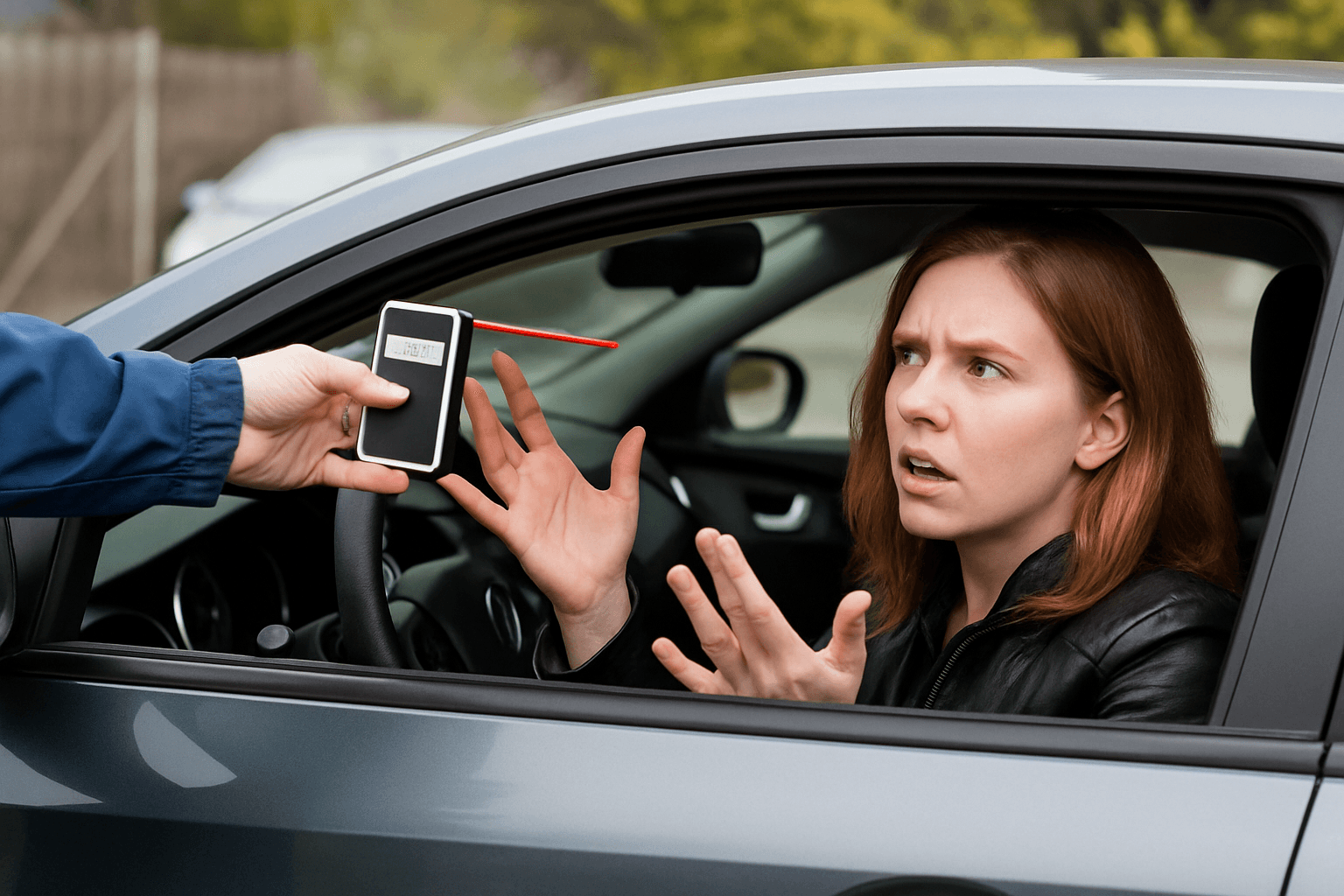
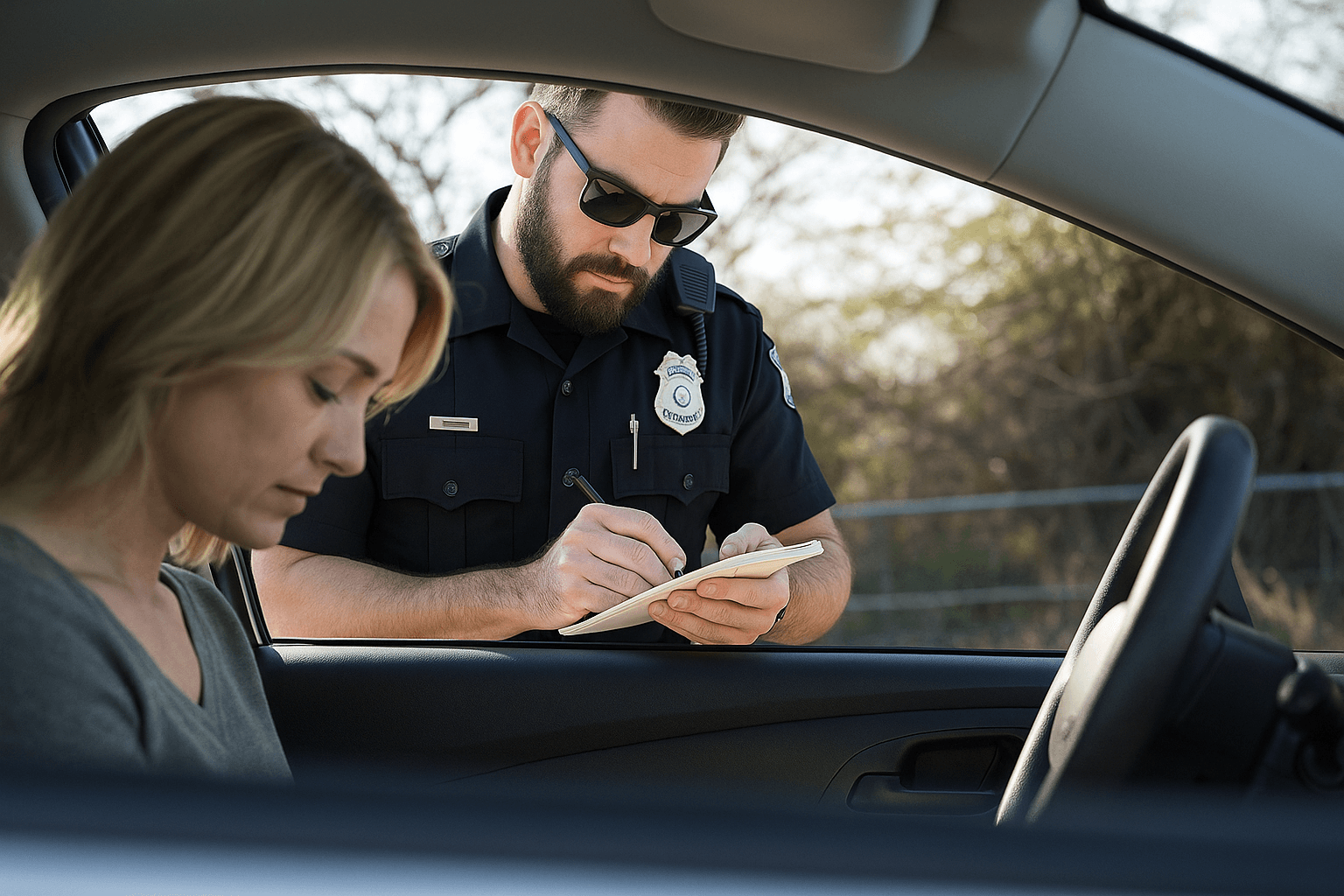
Driving outside approved routes, hours, or purposes violates the Limited License and constitutes unlawful operation during revocation. Law enforcement officers can verify Limited License restrictions through the court order attached to your license documentation. A traffic stop outside approved parameters results in arrest, vehicle impoundment, and criminal charges.
Violation of Limited License terms triggers immediate revocation and extends the underlying suspension period. Courts rarely grant a second Limited License after a violation—judges view non-compliance as evidence you cannot be trusted with restricted driving privileges. The misdemeanor conviction for unlawful operation during revocation carries up to 90 days in jail, $1,000 in fines, and extended revocation periods that delay full reinstatement by months or years.
Some violations result from misunderstanding the restrictions rather than intentional defiance. Stopping for gas on the way home from work is generally permitted as incidental to approved driving, but stopping at a bar or friend's house is not. Driving a family member to the hospital during non-approved hours is a judgment call—some judges view it as excusable necessity, others as a violation requiring strict adherence to petition terms. The safest approach: if the activity is not explicitly approved in the court order, do not drive for it.