Illinois requires BAIID installation before your Restricted Driving Permit starts — not after approval. The 30-day hard suspension window locks you out of work unless you know how to front-load the process.
The BAIID Installation Window Starts Before Your RDP Hearing, Not After
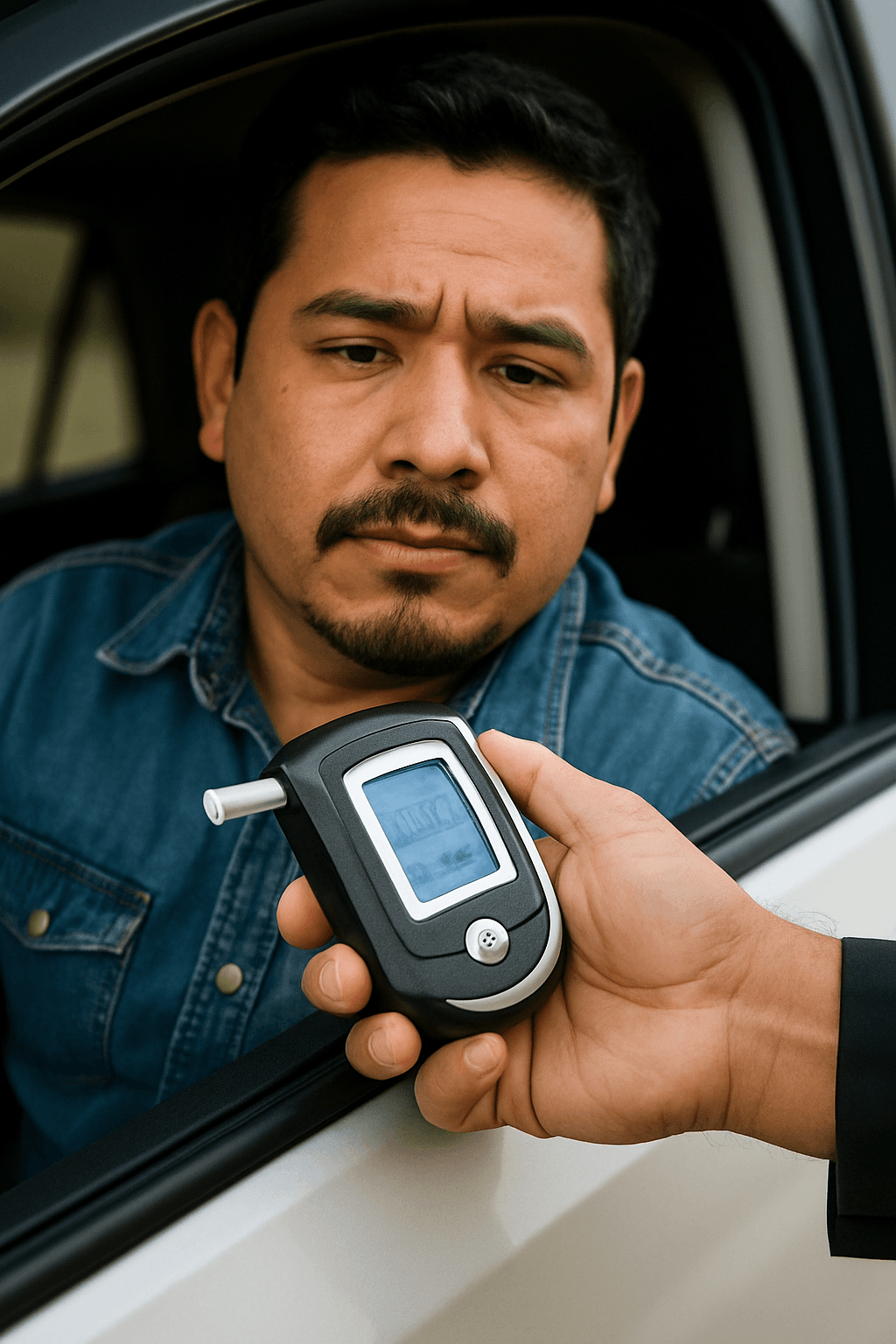
Illinois law allows Restricted Driving Permit (RDP) holders to drive to and from work during suspension, but only if a Breath Alcohol Ignition Interlock Device is installed and monitored before the permit is issued. The Secretary of State's Safety and Financial Responsibility Division will not activate your RDP until BAIID compliance is confirmed. If you wait until after your hearing to contact an installer, you add 7-14 days to your work-driving blackout.
The device must be installed by an Illinois Secretary of State-approved vendor. The installer notifies the SOS electronically when the unit goes live. That notification triggers your RDP issuance. Most applicants assume approval happens at the hearing and installation follows — the sequence is reversed.
First-offense DUI statutory summary suspension cases face a 30-day hard suspension before any work-driving relief becomes available. Applicants who schedule installation during that 30-day window can begin work driving immediately after the hard period expires. Those who wait until day 31 to call an installer extend their work blackout by two weeks or more.
What the Secretary of State Hearing Officer Actually Reviews for Work-Purpose Approval
Your RDP hearing focuses on three components: documented hardship need, route and hour specificity, and insurance filing compliance. The hearing officer reviews your employer's verification letter, which must state your job title, work address, scheduled hours, and whether your job requires driving during work hours. Generic employment letters that say "this person works here" without route or schedule detail typically trigger denial or narrower approval than requested.
Illinois distinguishes between commute-only RDPs (residence to workplace and return) and job-task RDPs (driving during work hours for deliveries, client visits, job site travel). If your job requires driving during the workday, the employer letter must state that explicitly. The hearing officer will ask whether alternative transportation (public transit, rideshare, coworker carpool) is available. Documenting why those options do not work strengthens approval likelihood.
SR-22 insurance filing must be active before the hearing. The Secretary of State verifies electronic SR-22 confirmation in the state system. Applicants who arrive at the hearing without active SR-22 on file receive automatic continuance, not denial, but the delay pushes work-driving access back 30-60 days depending on rescheduling availability.
Compare car insurance rates in your state
Get quotes from licensed carriers — no obligation, no spam, results in minutes.
Get Your Free Quote✓ No Obligation Required✓ Licensed Carriers Only✓ Available Nationwide✓ Free to Compare
BAIID Compliance Reporting Cycles and Employment Risk
Illinois BAIID vendors download breath test data electronically every 30-60 days depending on device model and installer protocol. The Secretary of State reviews compliance reports quarterly. A failed startup test (breath sample registers alcohol above .025 BAC) generates an immediate violation notice. Three failed tests within a rolling 12-month period typically trigger RDP revocation without advance warning.
Skipped rolling retests — the random mid-drive breath demand the device issues every 5-15 minutes — count as violations even if no alcohol was present. If you miss two retests during a single drive, the device logs a lockout event and the Secretary of State receives notification within 48 hours. Employers who require driving during work hours need to understand this compliance structure before agreeing to accommodate an RDP.
The financial stack is front-loaded: $8 RDP application fee, BAIID installation ($75-$150 depending on vendor), monthly BAIID monitoring ($75-$100/month), SR-22 filing fee ($25-$50), and elevated premium ($120-$210/month for liability-only coverage in Cook County; $85-$140/month in downstate counties based on current non-standard carrier rates). Most applicants budget for approval costs but underestimate the recurring monitoring expense.
Route and Hour Restrictions the Permit Actually Enforces
Your RDP lists approved origins (typically home address and workplace address), approved destinations (work, medical appointments, alcohol treatment if court-ordered, children's school for pickup/dropoff if documented), and approved time windows. Illinois hearing officers define time windows narrowly: if your shift starts at 8:00 a.m., the permit may authorize driving from 7:15 a.m. to 8:15 a.m. for commute inbound and 5:00 p.m. to 6:00 p.m. for commute outbound.
Driving outside approved hours or to non-approved destinations — even if the trip is work-related — constitutes a Class A misdemeanor under Illinois Vehicle Code. A traffic stop at 6:45 p.m. when your outbound window closed at 6:00 p.m. results in arrest, vehicle impound, RDP revocation, and criminal charges that extend your total suspension period by 6-12 months.
Shift workers whose schedules vary week-to-week face the hardest compliance burden. The Secretary of State does not issue open-ended RDPs that say "work hours as scheduled." If your schedule changes, you file an RDP amendment petition and wait 10-20 business days for revised permit issuance. Most employers will not wait that long, which is why commission-based, gig, and on-call workers have the highest RDP denial and revocation rates in Illinois.
CDL Holders and the Commercial Driving Exclusion You Cannot Negotiate
Illinois RDPs explicitly prohibit commercial motor vehicle operation even if your job requires a CDL. If you hold a Class A or Class B commercial driver's license and your employment is truck driving, delivery, or transit operation, an RDP does not preserve your job. The permit covers personal vehicle operation for commute and personal errands only.
Federal Motor Carrier Safety Administration rules disqualify CDL holders from operating commercial vehicles during any state license suspension or revocation period regardless of state-issued restricted permits. Illinois cannot override federal CDL disqualification. Applicants who assume their RDP will allow them to continue driving commercially for work lose their CDL employment the day their suspension starts.
The employer verification letter must state whether your job involves operating a vehicle over 10,001 pounds GVWR or transporting 16+ passengers. If the answer is yes, the hearing officer will explain that the RDP does not authorize that activity. Some CDL holders apply for RDPs to preserve non-commercial personal mobility (commute to a new non-driving job, grocery shopping, medical appointments). That use case is valid, but it does not solve CDL employment continuity.
What Happens If You Miss a BAIID Monitoring Appointment or Payment
BAIID vendors require in-person service appointments every 30-60 days for data download and calibration. Missing an appointment by more than 5 days generates a non-compliance notice to the Secretary of State. The vendor sends two reminder notices (text and email) before filing the report. If you miss the appointment and do not reschedule within 10 days, the Secretary of State suspends your RDP administratively.
Monthly monitoring payments are due on the anniversary date of installation. Most vendors offer a 5-day grace period before reporting non-payment. After that grace period expires, the vendor files a contract breach notice and the RDP is suspended until payment is made and confirmed. Reinstatement after payment-triggered suspension requires a $70 administrative fee on top of the missed payment itself.
Some employers require proof of BAIID compliance as a condition of continued employment. If your job involves driving clients, transporting goods, or operating company vehicles during work hours, the employer's liability insurer may mandate monthly BAIID compliance printouts. Failing to provide those printouts can result in termination even if the Secretary of State has not yet revoked your RDP.
How SR-22 Filing Setup Affects Your RDP Application Timeline
Illinois requires continuous SR-22 insurance filing throughout your RDP period and for 3 years after full license reinstatement. The SR-22 must be active in the Secretary of State's system before your RDP hearing. Most non-standard carriers process electronic SR-22 filing within 2-4 business days after policy purchase, but manual filings or carrier errors can delay confirmation by 7-10 days.
If you do not own a vehicle, you need non-owner SR-22 coverage. Illinois non-owner policies provide liability-only coverage when you drive borrowed or rental vehicles. Non-owner SR-22 premiums in Cook County range $140-$190/month; downstate rates average $95-$130/month. The policy must carry Illinois state minimums: $25,000 bodily injury per person, $50,000 per accident, $20,000 property damage.
Carriers writing SR-22 in Illinois after DUI suspension include Progressive, GEICO, Dairyland, Bristol West, The General, State Farm, and Infinity. Not all carriers write non-owner policies, and not all write work-restricted drivers. If your initial quote is denied, the reason is typically driving record severity (multiple DUIs, at-fault accidents during suspension, prior insurance fraud) rather than the RDP itself. Comparing quotes from three carriers before your hearing date reduces the risk of scrambling for coverage the week before.