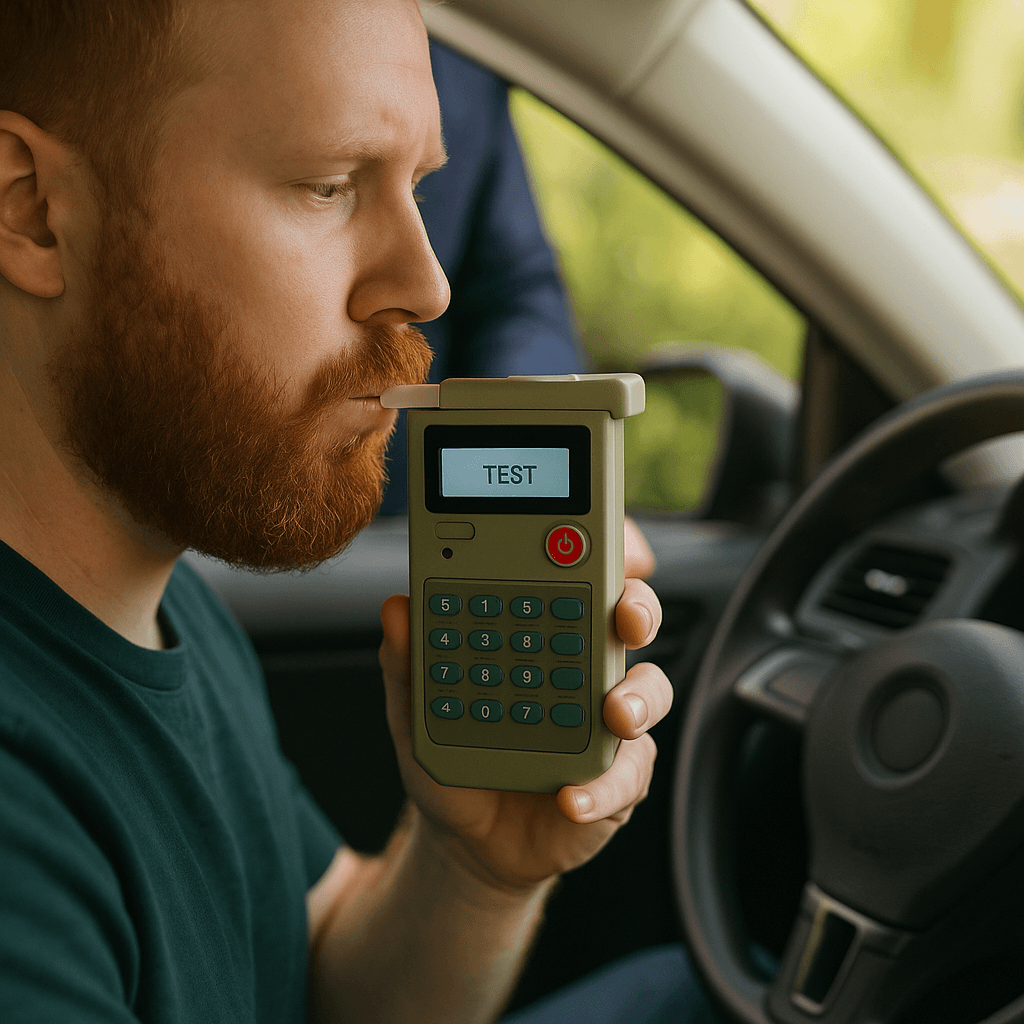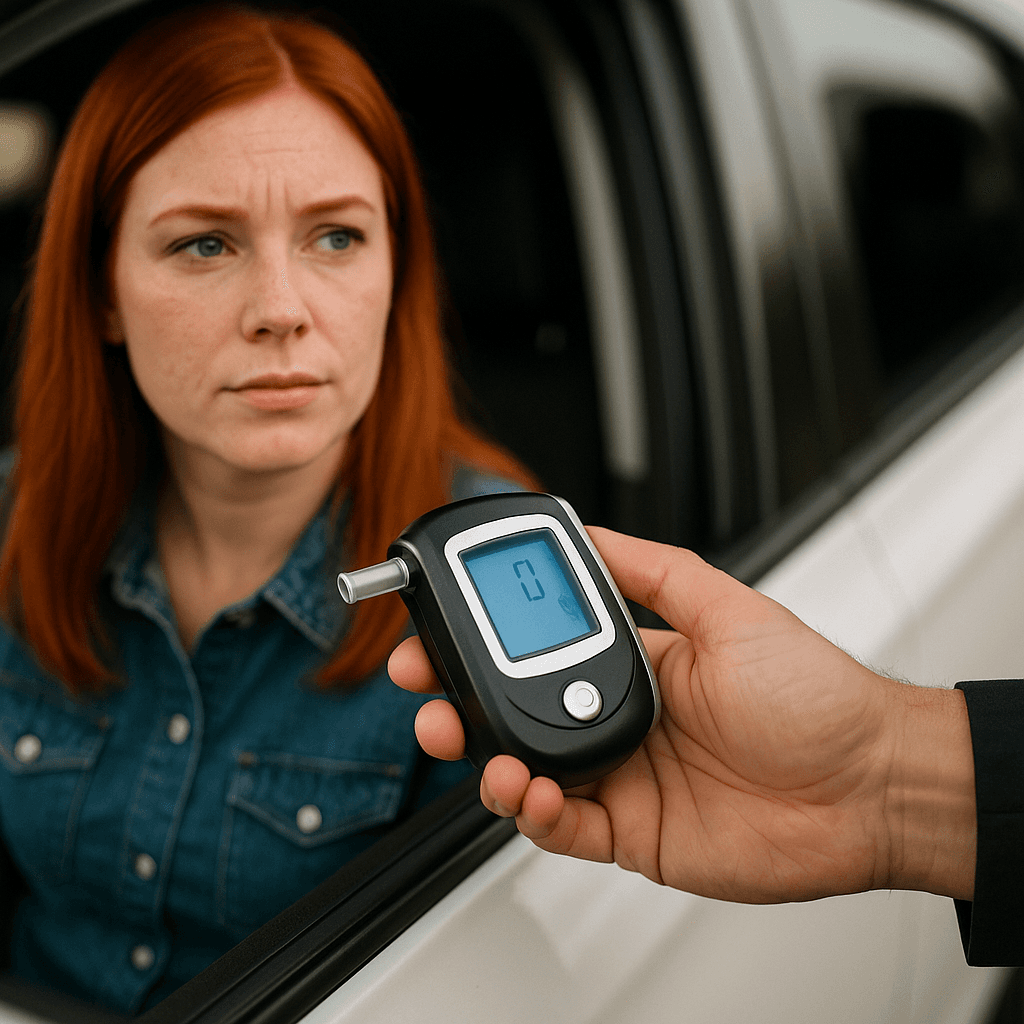
You received your employment driving permit with an ignition interlock requirement, but the installer didn't explain what happens if you miss a calibration window. Most states revoke work permits automatically after the second missed calibration, no hearing required.
Why Work Permit IID Calibration Windows Are Shorter Than Full-License Windows
Employment driving permits with ignition interlock requirements typically enforce 30-day calibration windows, not the 60-day windows some full-license IID users receive. The tighter window exists because work permits are conditional privileges granted during active suspension periods. States treat compliance failures during conditional driving more strictly than during unrestricted driving.
Missing a calibration appointment triggers a lockout mode in most IID systems after 5 to 7 days past the due date. The device continues recording your driving patterns and violation attempts, but it will not start your vehicle once the grace period expires. The lockout protects the state's monitoring chain, not your ability to commute.
Your work permit documentation likely states the calibration frequency required. If it does not specify, the default schedule is monthly calibration plus rolling retest intervals while driving. The rolling retests happen every 5 to 15 minutes during operation and do not substitute for scheduled calibration appointments.
What Happens When You Miss the Calibration Window
The IID provider reports missed calibrations to your state DMV within 48 to 72 hours of the lockout event. The DMV does not send advance warning before the report goes out. Most states consider a missed calibration a program violation, not a technical error, even when the reason was a scheduling conflict or provider availability.
Work permit revocation procedures vary by state, but the typical threshold is two missed calibrations within the monitoring period or one missed calibration combined with another violation such as a failed startup test. Some states revoke after the first missed calibration if the work permit was issued for a DUI-related suspension. The revocation is administrative and does not require a hearing in most jurisdictions.
Once revoked, you lose work-driving privileges immediately. Reinstatement requires reapplying for the work permit, paying new application fees, and in some states, restarting the IID monitoring period from zero. The underlying suspension period does not pause while you reapply.
Compare car insurance rates in your state
Get quotes from licensed carriers — no obligation, no spam, results in minutes.
Get Your Free Quote✓ No Obligation Required✓ Licensed Carriers Only✓ Available Nationwide✓ Free to Compare
How to Schedule Calibrations Around Work Hours
Most IID providers operate service centers during standard business hours, which creates a conflict for workers whose approved driving windows are limited to commute times and job-site hours. Some states allow brief route deviations for IID service appointments without prior approval, but this is not universal. Check your work permit's approved-purposes section before driving to a calibration appointment outside your normal commute path.
If your provider offers mobile calibration services, confirm that your state DMV accepts mobile calibrations for work permit compliance. A few states require in-facility calibrations with timestamped check-in records. Using a mobile service in those states will trigger a non-compliance report even if the device was serviced correctly.
Schedule your next calibration appointment before leaving the current one. Waiting until the reminder notice arrives gives you less flexibility and increases the risk of missing the window during a high-demand period. Most providers allow online scheduling 60 days in advance.
What Gets Checked During a Calibration Appointment
The technician downloads your driving log, startup test results, rolling retest results, and any circumvention attempts recorded by the device. They inspect the handset and breath tube for tampering, test the fuel cell sensor calibration, and verify the camera functionality if your device includes photo verification. The appointment typically takes 15 to 30 minutes.
The technician submits the compliance report to your state DMV within 24 hours. That report includes failed tests, missed retests, tamper alerts, and any periods where the device recorded engine runtime without a valid breath sample. A single failed startup test does not automatically trigger a work permit revocation, but multiple failures within a 30-day period will.
If the technician identifies a device malfunction, they replace the unit during the same appointment in most cases. Device replacement resets the calibration due date to 30 days from the replacement date. The replacement itself is not a violation, but you must notify your DMV if the replacement changes your device serial number.
How IID Calibration Requirements Affect Your SR-22 Filing
The SR-22 filing requirement and the IID calibration requirement are separate compliance tracks. Missing an IID calibration does not void your SR-22 certificate, but losing your work permit due to missed calibrations eliminates your legal authority to drive, which makes the SR-22 coverage functionally inactive until you regain driving privileges.
Your insurance carrier does not receive IID calibration reports directly unless a missed calibration leads to a work permit revocation that appears on your state MVR. Most carriers pull MVRs at policy renewal, not monthly. If your work permit is revoked mid-policy term, the carrier may not learn about it until the next renewal cycle unless you file a claim or the state sends a compliance alert.
Some carriers charge higher premiums for policies covering drivers with active IID requirements because the claims risk profile includes both the underlying violation and the ongoing compliance obligation. Shopping for SR-22 coverage that accounts for IID requirements upfront can reduce premium surprises during the monitoring period.
What to Do If You Cannot Afford the Calibration Fee
Monthly IID calibration fees range from $60 to $100 depending on provider and state. Over a 12-month monitoring period, total calibration costs add $720 to $1,200 on top of the initial installation fee and monthly lease. A few states operate IID assistance programs for low-income work permit holders, but eligibility thresholds are strict and funding is limited.
Missing a calibration because you cannot afford the fee produces the same revocation consequence as missing it for any other reason. The state does not grant hardship extensions for financial reasons in most jurisdictions. If you know a payment conflict is approaching, contact your IID provider before the due date to ask about payment plans or deferred billing. Some providers allow split payments across two appointments.
If no payment accommodation is available and you cannot meet the calibration schedule, you face a choice between continuing to drive illegally without a valid work permit or stopping work-related driving until you regain full license privileges. Driving on a revoked work permit is treated as driving on a suspended license, which can extend your underlying suspension period and add new criminal charges in most states.