Idaho requires a court petition for work driving during suspension. Most drivers don't realize the judge sets every condition individually—there's no statewide template for hours or routes.
How Idaho's Court-Based Restricted License Process Works
Idaho does not use an administrative DMV application for work driving during suspension. You petition the court that handled your underlying case—or the district court in your county if the suspension was administrative—and a judge decides whether to grant restricted driving privileges. The judge sets every condition: approved purposes, specific hours, route restrictions, and whether an ignition interlock device is required.
This means outcomes vary by county and judge. There is no Idaho Transportation Department form that guarantees work driving approval. The court has broad discretion under Idaho Code § 49-326, and two drivers with identical suspension causes in different counties can receive completely different restricted license terms.
For DUI cases specifically, Idaho Code § 18-8005 imposes a mandatory 30-day absolute suspension period before any restricted license may be granted for a first offense. Second and subsequent DUI offenses carry longer hard suspension periods. You cannot petition until that hard period expires.
What Documentation the Court Requires for Work Driving
Your petition must include proof of hardship tied to employment. Most Idaho courts require an employer verification letter on company letterhead confirming your job title, work address, scheduled hours, and a statement that driving is necessary to commute or perform the job. If your job requires driving during work hours—delivery, sales, service calls—the letter must specify that and describe the geographic area you cover.
You must also file SR-22 proof of insurance before the court will approve restricted privileges. Idaho requires SR-22 filing for most suspension types, and the SR-22 must remain active for 3 years following reinstatement. The court will not issue the restricted license order until your insurance carrier has filed the SR-22 with the Idaho Transportation Department.
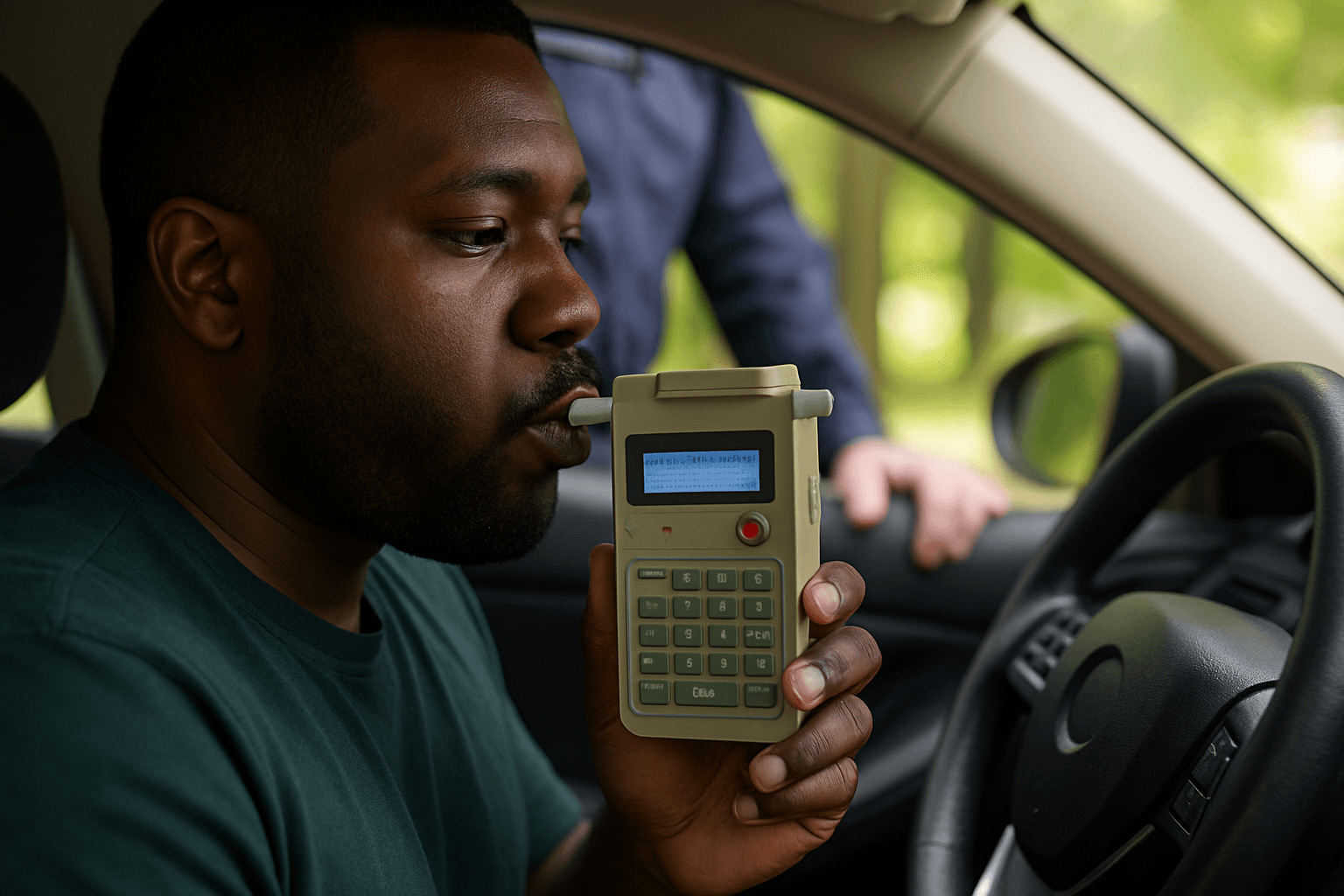
If your suspension was DUI-related, you must also provide proof of ignition interlock device installation before the court grants the petition. Idaho Code § 18-8008 requires IID for DUI restricted licenses, and the device must remain installed for the entire restricted license period. The IID runs concurrent with or following the suspension period depending on your offense count.
Compare car insurance rates in your state
Get quotes from licensed carriers — no obligation, no spam, results in minutes.
Get Your Free Quote✓ No Obligation Required✓ Licensed Carriers Only✓ Available Nationwide✓ Free to Compare
Approved Purposes and Route Restrictions Idaho Courts Impose
Idaho restricted licenses are typically limited to work, school, medical appointments, and other court-approved purposes. The judge defines these in the order granting your petition. If your petition requests work driving only, expect the court to limit approved hours to your documented work schedule plus reasonable commute buffer—typically 30 to 60 minutes before and after your shift.
Route restrictions are court-defined. Some judges require you to document the most direct route from home to work and back. Deviation from that route for personal errands—grocery stops, child pickup, social visits—violates the restriction and can result in revocation of your restricted license and extension of your full suspension.
If you work irregular hours, are on-call, or drive for commission-based work like real estate or sales, you must address that explicitly in your petition. Courts may grant broader approved-purposes language for documented business-related driving, but you will need to provide detailed employer verification and possibly customer contracts or job logs to justify the request.
CDL Holders Cannot Use Restricted Licenses for Commercial Driving
Idaho restricted licenses do not cover commercial vehicle operation. If you hold a Commercial Driver's License and your job requires you to drive a commercial motor vehicle, the restricted license allows you to drive your personal vehicle to and from work—but not to operate the commercial vehicle itself.
This creates a dead-end situation for CDL-dependent workers whose employers require them to drive trucks, buses, or other CMVs as part of the job. Even if the court grants your restricted license petition, your employer may not be able to retain you if your job function is commercial driving. Verify your employment status with your HR department before filing the petition.
Timeline from Petition Filing to Restricted License Issuance
Processing time varies by county court docket load. In practice, expect 2 to 6 weeks from petition filing to the court hearing. The judge issues an order at the hearing if your petition is approved. You then take the court order, your SR-22 proof of insurance, and IID installation receipt (if required) to any Idaho Transportation Department DMV office to receive the physical restricted license.
The court may schedule a compliance review hearing 30 to 90 days after granting your petition to verify you have complied with all conditions. Missing that hearing, failing to maintain SR-22 filing, or violating any approved-purposes or route restriction can result in immediate revocation of your restricted license and reinstatement of your full suspension.
What Happens If You Drive Outside Approved Hours or Routes
Driving outside the court-defined restrictions is treated as driving on a suspended license under Idaho law. If you are stopped by law enforcement for any reason and your driving purpose, time, or route falls outside the court order, you face a new criminal charge: driving without privileges. This is a separate misdemeanor that carries additional fines, possible jail time, and automatic revocation of your restricted license.
The revocation is not negotiable. Once the court learns you violated the restriction terms, the restricted license is pulled and your full suspension period resumes. In some cases, the violation extends your original suspension period. You cannot refile for a restricted license until the extended suspension is served in full.
SR-22 Insurance Setup for Idaho Restricted License Holders
You must file SR-22 proof of insurance before the court will approve your restricted license petition. The SR-22 is a certification filed by your insurance carrier with the Idaho Transportation Department confirming you carry at least Idaho's minimum liability coverage: $25,000 per person for bodily injury, $50,000 per accident for bodily injury, and $15,000 for property damage.
Most carriers charge an SR-22 filing fee between $25 and $50. The liability premium itself will be higher than standard rates because you are classified as high-risk due to the suspension. Typical monthly premiums for drivers with DUI-related restricted licenses in Idaho range from $140 to $220 per month, compared to $85 to $120 per month for clean-record drivers.
If you do not own a vehicle but need to drive occasionally for work or personal use during your restricted license period, you can file non-owner SR-22 insurance. Non-owner policies provide liability coverage when you drive borrowed or rental vehicles. Monthly premiums for non-owner SR-22 policies in Idaho typically run $50 to $90 per month. Carriers writing non-owner SR-22 in Idaho include GEICO, Progressive, The General, and Dairyland.