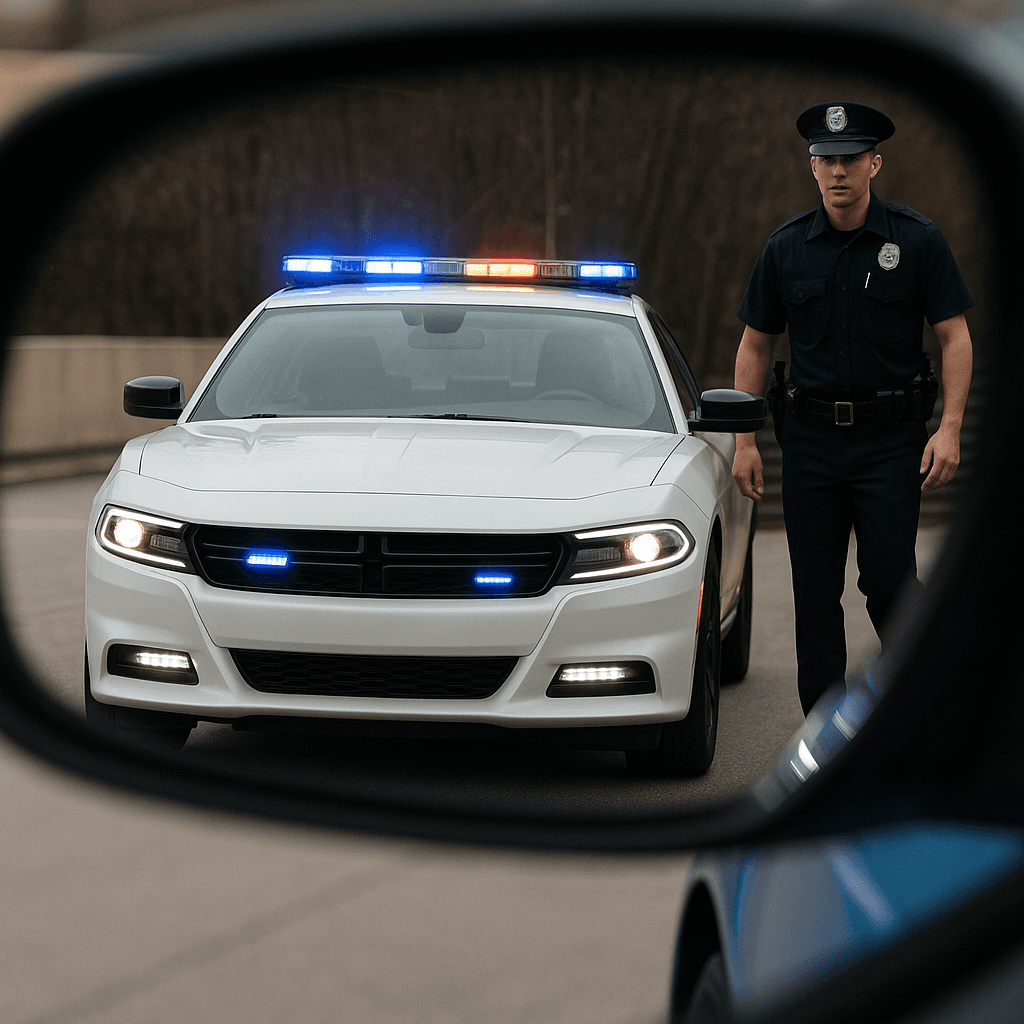
You filed your OLL petition with the county court, paid the costs, and now you're waiting to find out if you can legally drive to work again. Pennsylvania's court-issued hardship process moves slower than you expect.
Why Pennsylvania's OLL Timeline Varies by County
Pennsylvania's Occupational Limited License is issued by the court of common pleas in your county of residence, not by PennDOT. Each of Pennsylvania's 67 counties operates its own court calendar, docket schedule, and administrative backlog. There is no statewide uniform processing timeline.
A Philadelphia county OLL petition might wait 60-90 days for a hearing date due to docket volume. A rural county like Forest or Sullivan might schedule within 30 days. The same petition, identical facts, different county: different wait time. PennDOT plays no role in approval or issuance.
The petition itself is governed by 75 Pa.C.S. § 1553, but the statute does not impose a statutory processing deadline on the courts. You petition, you wait for a hearing date, and the judge decides at the hearing or shortly after. Your timeline is determined by the court clerk's availability and the judge's calendar.
What Happens Between Filing and Approval
You file your petition with the court of common pleas in your county. The petition must include proof of employment or occupational necessity, documentation of your suspension reason and eligibility, proof of financial responsibility via SR-22 insurance filing, and payment of court costs. Court costs vary by county—there is no statewide fee schedule.
The court assigns a hearing date. At the hearing, you present your case: why you need to drive, what routes you will take, what hours you will drive, and why granting the OLL serves the public interest without compromising public safety. The judge evaluates your employment documentation, your suspension history, whether you have completed any required hard suspension period, and whether ignition interlock installation is required.
If the judge grants the petition, the court issues the OLL order. You take that order to PennDOT to receive the physical restricted license. If the judge denies the petition, you can file a new petition after addressing the denial reasons, but you start the timeline over.
Compare car insurance rates in your state
Get quotes from licensed carriers — no obligation, no spam, results in minutes.
Get Your Free Quote✓ No Obligation Required✓ Licensed Carriers Only✓ Available Nationwide✓ Free to Compare
DUI Suspensions and the Hard Period Requirement
Pennsylvania requires DUI-suspended drivers to serve the mandatory hard suspension period in full before the court will consider an OLL petition. The hard suspension length varies by DUI tier: BAC level, refusal status, and prior DUI offenses within the lookback period all affect the mandatory wait.
For many DUI offenders, the Ignition Interlock Limited License issued by PennDOT under 75 Pa.C.S. § 3805 is the more common path. The IILL is applied for through PennDOT, not a court, after the hard suspension expires. It requires ignition interlock installation and SR-22 filing, but the application timeline is faster and more predictable than court-issued OLL petitions.
If you are suspended for DUI and need to drive for work, confirm which hard suspension period applies to your tier before filing an OLL petition. Filing before the hard period expires guarantees denial and wastes court costs.
Points, Unpaid Fines, and Uninsured Suspensions: No OLL Available
Pennsylvania's OLL cannot be used to mitigate administrative suspensions for point accumulation, unpaid fines, or driving uninsured. If PennDOT suspended your license under the administrative point system or for failure to maintain financial responsibility under 75 Pa.C.S. § 1786, the court-issued OLL is not an available remedy.
You must resolve the underlying cause: pay the fines, satisfy the insurance lapse, or wait out the point-based suspension period. Only after the suspension is lifted or after eligibility for full reinstatement can you drive legally again. No hardship license pathway exists for these suspension types in Pennsylvania.
This is a structural difference between Pennsylvania and states like Texas or Georgia, where hardship licenses are available for most administrative suspension causes. Pennsylvania reserves the OLL for suspensions where the court retains jurisdiction over the underlying case.
Ignition Interlock Requirement and SR-22 Filing
Pennsylvania OLL orders typically require ignition interlock installation for DUI-based suspensions. The court order will specify whether IID is required. If required, you must install the device before PennDOT will issue the physical OLL. Installation costs approximately $75-$150, with monthly monitoring fees of $60-$90.
SR-22 insurance filing is required for all OLL petitions. You cannot file the petition without proof of financial responsibility. The SR-22 is filed by your insurer and maintained for the duration of the OLL period plus the standard 3-year SR-22 filing period following full reinstatement. Cancellation of the SR-22 triggers automatic suspension of the OLL and your underlying license.
Your premium with SR-22 filing and a suspension history typically ranges $140-$240/month for liability-only coverage in Pennsylvania. Drivers with DUI suspensions and SR-22 filing requirements should expect higher-tier non-standard pricing.
What the OLL Allows You to Do
The OLL is restricted to occupational, vocational, or therapeutic purposes as defined in the court order. Driving to and from work, driving during work hours for employment purposes, driving to medical appointments, and driving to court-ordered programs are the most commonly approved purposes. The court specifies approved routes and approved hours in the order.
Driving outside approved purposes, routes, or hours is a criminal violation. If you are stopped outside the restrictions, the OLL is revoked immediately, the underlying suspension resumes, and you face additional criminal charges. Pennsylvania does not treat OLL violations as civil infractions.
Commercial drivers holding a CDL cannot use the OLL to operate commercial vehicles. The OLL applies to personal driving only. If your job requires commercial driving, the OLL does not restore your ability to perform that job.
Finding Coverage That Meets the OLL SR-22 Requirement
You need an insurer willing to file SR-22 in Pennsylvania for a suspended-license driver and provide the proof of financial responsibility documentation required by the court petition. Not all carriers write SR-22 policies for suspended drivers.
Carriers writing SR-22 in Pennsylvania include GEICO, Progressive, Dairyland, Bristol West, The General, State Farm, and National General. Quote through multiple carriers: SR-22 premium varies significantly by underwriting tier and driver risk profile. Expect monthly premiums between $140 and $240 for liability-only coverage if your suspension is DUI-based.
The SR-22 filing itself costs $25-$50, paid once at the time of filing. Your insurer submits the SR-22 to PennDOT electronically. You receive a copy for your court petition. Maintain the policy without lapse: cancellation triggers automatic OLL revocation and re-suspension of your underlying license.