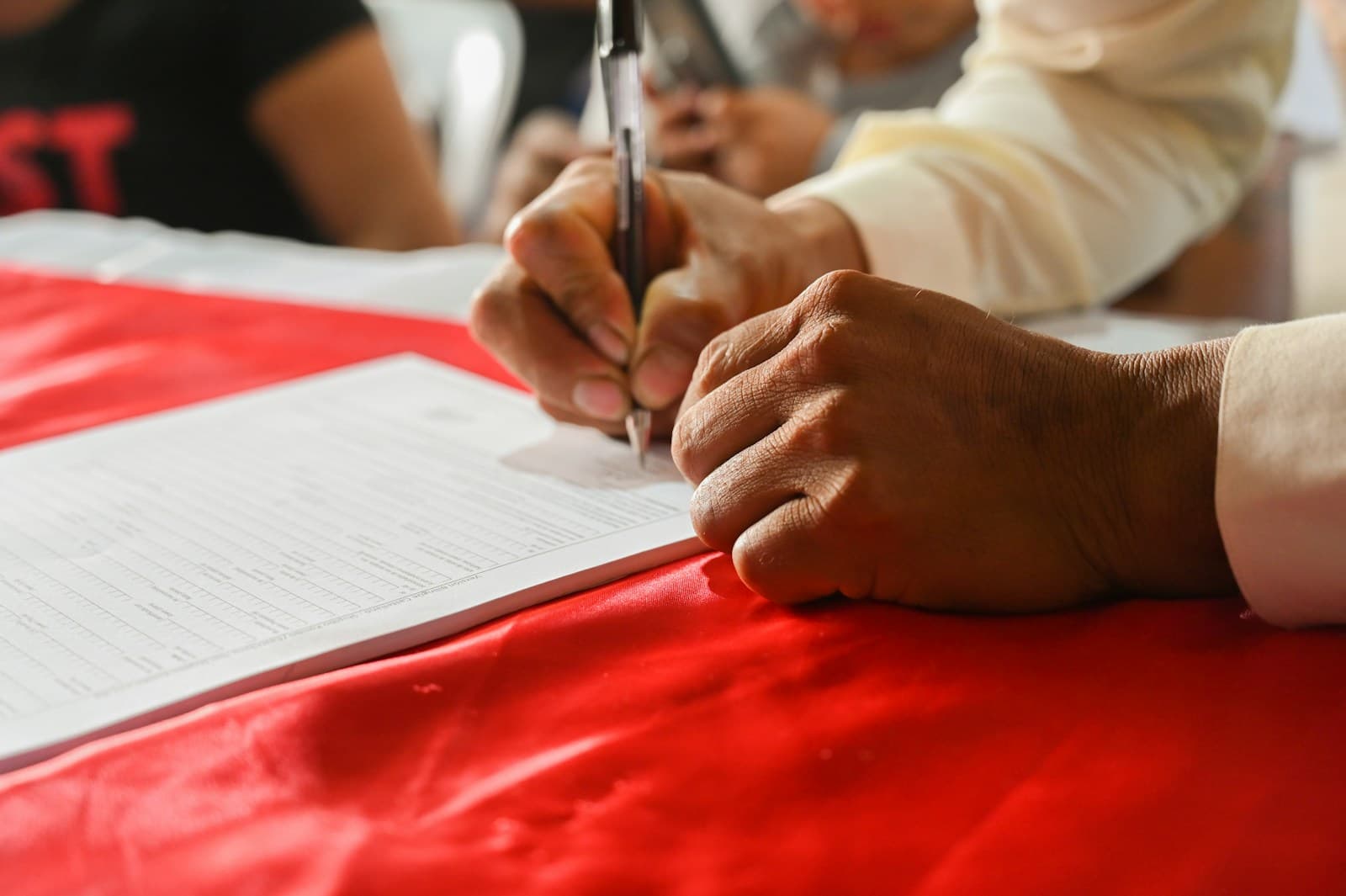
You applied for a work permit to save your job, and now you're waiting. Processing times vary from 5 business days in Florida to 8 weeks in New York, but the hold-up is rarely the state—it's usually missing employer documentation or unpaid fines.
How Long Does It Take to Get a Work Permit After Applying?
Most states process complete drive-to-work permit applications in 10 to 30 business days from submission. Florida's Business Purpose Only license typically issues within 5 to 10 business days. Texas's Occupational Driver's License processes in 15 to 20 business days. Illinois's Restricted Driving Permit averages 21 days. New York's conditional license can take 6 to 8 weeks if the application requires DMV review beyond automated approval.
The timeline starts when your application is administratively complete—meaning the state has every required document, every signature, every fee, and every piece of third-party verification it asked for. If your employer's verification letter is missing a job start date, your route map lacks street names, or your SR-22 filing hasn't posted to the state's system yet, the clock hasn't started. Your application sits in a pending queue until you fix it.
States with ignition interlock device requirements add another layer. You cannot receive your permit until the IID provider submits installation verification to the DMV. That handoff between installer and state system can add 3 to 7 business days even after you drive off the lot with the device active. Georgia, Arizona, and Ohio all require IID installation confirmation before issuing work permits for DUI suspensions.
What Slows Down Work Permit Approval the Most
Employer verification letters cause more delays than any other document. States require specific language confirming your job title, work address, required work hours, and whether your job involves driving during work. Generic HR letters saying "this person works here" get rejected. Many employers use a standard employment verification template that doesn't include route details or shift schedules, and HR departments often don't know what the DMV needs until the application bounces back.
Unpaid fines and court fees halt approval in every state. If your suspension stemmed from unpaid tickets, failure to appear, or unpaid child support, the state will not process your work permit application until those balances clear. This is not a soft delay—it's an absolute block. In Michigan, unpaid Driver Responsibility Fees froze thousands of work permit applications until the program was repealed in 2018. Many applicants still don't realize old balances remain active.
SR-22 filing gaps create invisible delays. You submit proof of SR-22 with your application, but if your insurance lapses before the state processes your permit, approval stops. The state's system flags the lapse, your application moves to manual review, and you won't know until you call to check status. This happens most often when applicants switch carriers mid-application or miss a payment during the 3-week processing window.
Compare car insurance rates in your state
Get quotes from licensed carriers — no obligation, no spam, results in minutes.
Get Your Free Quote✓ No Obligation Required✓ Licensed Carriers Only✓ Available Nationwide✓ Free to Compare
State-by-State Processing Time Ranges
Florida processes Business Purpose Only licenses faster than nearly any other state: 5 to 10 business days for straightforward DUI suspensions with ignition interlock already installed. Florida's system is largely automated for first-time DUI hardship applications. Repeat offenders or complex suspension histories move to manual review and can take 4 weeks.
Texas's Occupational Driver's License timeline sits at 15 to 20 business days after the court hearing. Texas requires a court order granting the ODL before the DPS will issue the physical license, and court dockets vary by county. In Travis County and Harris County, hearing dates can be scheduled 3 to 4 weeks out from your petition filing date, which extends the total timeline before you can drive. Once the court order is filed with DPS, the license typically issues within 5 business days.
California's critical-needs restricted license processes in 10 to 15 business days if the suspension is DUI-related and you've completed the enrollment requirement for the DUI program. Non-DUI suspensions often take longer because the state applies stricter scrutiny to financial-responsibility and negligent-operator cases. Illinois's Restricted Driving Permit averages 21 days. New York's conditional license for DWI cases can stretch to 6 to 8 weeks because the state cross-references conviction records and completion certificates for the Drinking Driver Program before issuing approval.
How to Track Your Application Status Without Waiting Weeks
Most states provide online status portals tied to your driver's license number or application reference number. Florida's DHSMV website updates application status daily. Texas DPS posts status updates within 48 hours of receiving documents from the court. Illinois's Secretary of State portal shows whether your application is in initial review, pending documents, or final processing.
Calling the DMV directly gets you real information only if you have your application reference number and know which department handles work permits. General customer service lines cannot see pending applications. In Ohio, the Bureau of Motor Vehicles maintains a separate Administrative License Suspension unit that handles all occupational license applications—calling the main BMV number routes you to the wrong queue. Ask for the hardship or occupational license unit by name.
If your application has been pending longer than the state's published timeline, the delay is almost always a missing document or an unpaid balance you weren't aware of. Request a case-specific status review rather than asking for a general timeline estimate. The clerk can see exactly what's holding your file.
What Happens If You Drive Before the Permit Is Issued
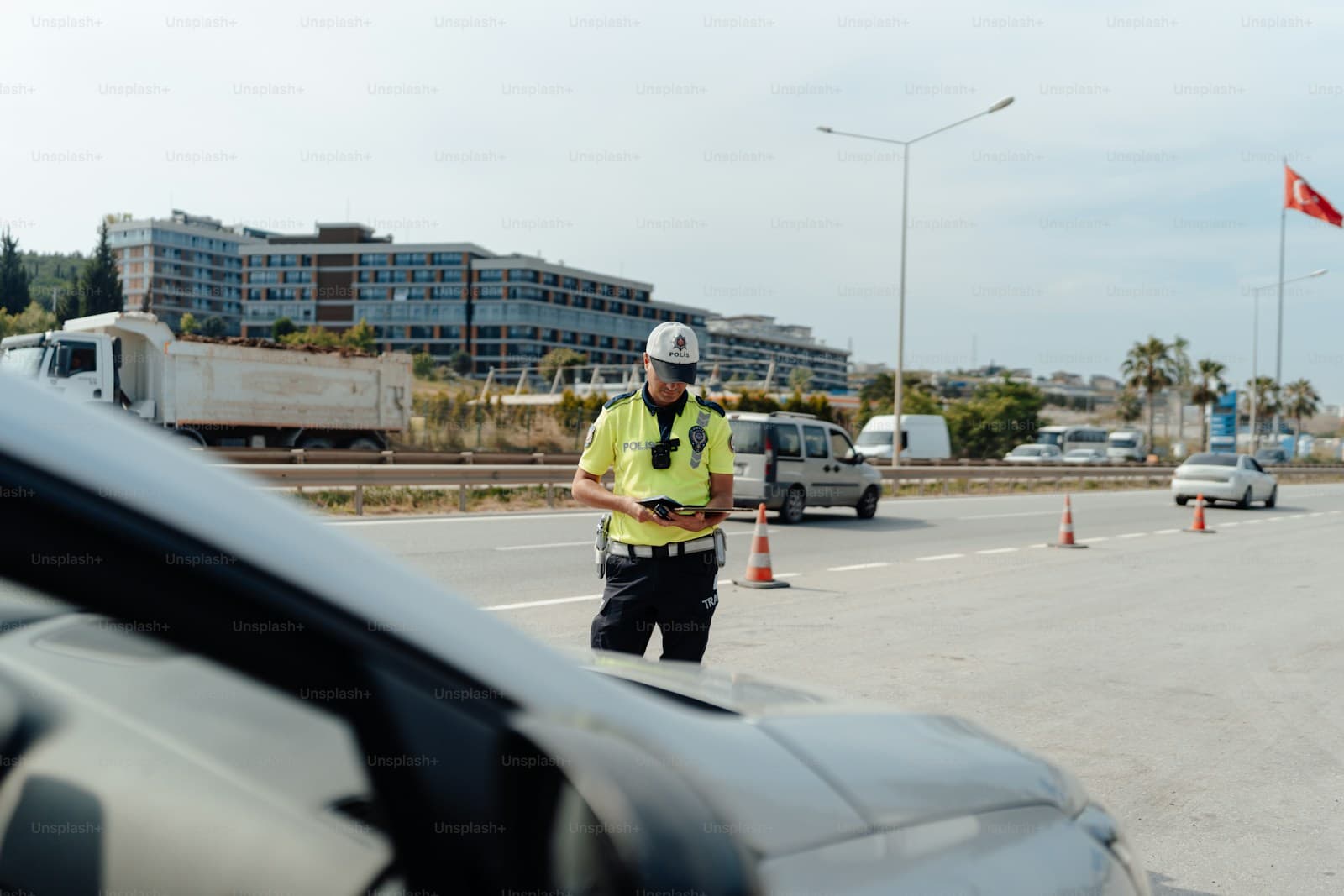
Driving on a suspended license while your work permit application is pending does not count as restricted-purposes driving. You do not have legal driving privileges until the physical permit is in your possession, even if you submitted a complete application weeks ago and your hearing was approved. Getting pulled over before the permit issues adds a new charge: driving under suspension. That charge typically extends your suspension period by 6 months to 1 year and disqualifies you from receiving the work permit you were waiting for.
Some states allow a grace period if you can prove your permit was approved but not yet mailed. Ohio grants a 10-day grace period from the date the BMV processes your occupational license application, but only if you carry proof of approval and the application receipt. Most states do not offer this protection. In Texas, if you drive after the judge signs your court order but before DPS issues the physical ODL, you are still driving illegally.
Employers sometimes tell drivers to start commuting once the hearing is complete, assuming the permit is automatic. That advice can cost you the job and the permit. If your employer needs you to start immediately, arrange alternative transportation until your physical permit arrives. Uber, carpool, or family transport for two weeks is cheaper than a new DUSL charge and a 12-month extension.
What to Do About Insurance While You Wait
You need SR-22 insurance active and filed with the state before your work permit application can be approved. Most states require 30 days of continuous SR-22 coverage before they will issue a hardship license for DUI-related suspensions. If you wait until after your hearing to get SR-22, you add a month to your timeline. File SR-22 as soon as your suspension notice arrives, not when your court date approaches.
If you no longer own a vehicle, non-owner SR-22 insurance covers your filing requirement and allows you to drive vehicles you don't own once your work permit is issued. Non-owner policies cost less than standard coverage—typically $40 to $80 per month for drivers with a DUI suspension—but not all carriers offer them. Specialty high-risk carriers handle most non-owner SR-22 policies.
Your SR-22 must remain active for the full duration of your suspension period, not just until your work permit is approved. If your policy lapses after your permit is issued, the state revokes your work permit immediately and you start over. Set up automatic payment to avoid accidental lapses during the reinstatement period.