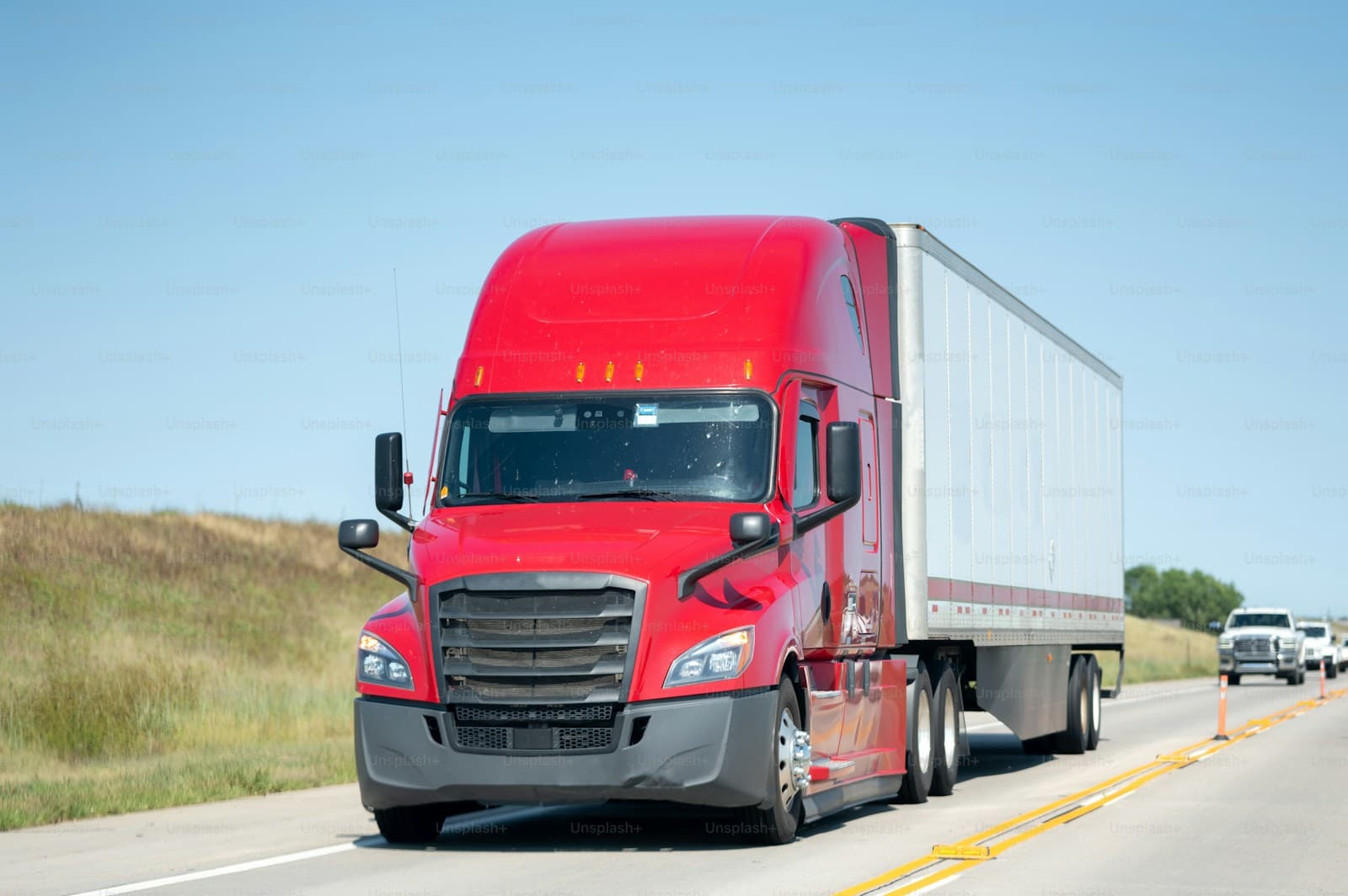
Most states issue work permits for personal-vehicle commuting only—commercial driving is excluded even if your CDL job requires it. Here's what hazmat-endorsed holders face when applying for restricted driving privileges.
Why Work Permits Exclude Commercial Driving Even for CDL Holders
State-issued work permits authorize personal-vehicle operation for approved purposes—typically commute to and from employment. They do not restore commercial driving privileges. Federal Motor Carrier Safety Administration regulations govern CDL suspensions separately from state driver's license restrictions, and state hardship programs cannot override federal disqualification periods.
If your underlying suspension stemmed from a personal-vehicle DUI, your state CDL and personal driver's license both suspend simultaneously. The personal license may qualify for occupational or hardship relief after a statutory waiting period. The CDL does not. Even if your job requires driving a commercial vehicle with hazmat endorsement, the work permit authorizes only the personal-vehicle commute to that job site—not the commercial operation itself.
This creates an employment paradox: you can drive your personal car to the trucking terminal under the work permit, but you cannot legally operate the commercial vehicle once you arrive. Employers in commercial transport industries rarely retain drivers under this arrangement because the driver cannot perform core job functions.
How Personal-Vehicle Violations Trigger Dual CDL and Personal License Suspensions
A DUI conviction in your personal vehicle triggers administrative action against both your commercial and personal driving privileges. State licensing agencies report the conviction to the Federal Motor Carrier Safety Administration's Commercial Driver's License Information System, which tracks disqualifying offenses across all states.
The personal license suspension is governed by state statute—most states impose 90 days to one year for a first DUI. The CDL suspension is governed by federal regulation under 49 CFR 383.51, which mandates a minimum one-year disqualification for alcohol-related offenses committed in any motor vehicle. If you were transporting hazardous materials at the time of the violation, the minimum federal disqualification extends to three years.
State hardship programs address only the personal license. The CDL disqualification runs its full federal term regardless of whether you obtain restricted driving privileges for personal transportation. Reapplication for CDL privileges requires completing the federal disqualification period, retesting for the commercial license, and reapplying for endorsements including hazmat background checks through the Transportation Security Administration.
Compare car insurance rates in your state
Get quotes from licensed carriers — no obligation, no spam, results in minutes.
Get Your Free Quote✓ No Obligation Required✓ Licensed Carriers Only✓ Available Nationwide✓ Free to Compare
What Employment Verification Letters Must State for CDL Holders
Work permit applications require employer verification of your job duties, work hours, and commute route. If you hold a CDL and your job title reflects commercial driving responsibilities, the verification letter must clarify what tasks you will perform under the restricted license.
Most state DMV examiners deny applications when the employer letter describes commercial driving duties but the applicant seeks a personal-vehicle work permit. The letter must document non-driving responsibilities you can perform during the disqualification period—warehouse work, dispatch, administrative tasks, or equipment maintenance roles that do not require operating a commercial vehicle.
Some carriers will reassign CDL holders to dock or terminal roles during disqualification periods if the employee demonstrates intent to reinstate their CDL once eligible. Others terminate immediately upon notification of the suspension. The work permit does not compel your employer to retain you in a modified capacity.
Whether Hazmat Endorsement Background Checks Reset After Suspension
Yes. Transportation Security Administration hazmat endorsement background checks expire and must be renewed after CDL disqualification. Even if your hazmat endorsement was current at the time of suspension, you cannot carry it forward automatically when reinstating your CDL.
The TSA conducts a new security threat assessment for every hazmat endorsement application. This includes fingerprinting, criminal history records checks across state and federal databases, and immigration status verification. Processing typically takes 30 to 45 days from the date TSA receives your application and fee payment.
Budget for the endorsement reapplication separately from CDL reinstatement costs. TSA hazmat background checks cost approximately $86.50 as of current fee schedules. Add state CDL reissuance fees, knowledge and skills retesting fees if your state requires them after disqualification, and any outstanding suspension reinstatement fees before you can legally operate a commercial vehicle with hazmat cargo again.
How SR-22 Filing Works When You Hold Both License Types
If your state requires SR-22 filing as a condition of personal license reinstatement, the filing applies only to personal-vehicle liability coverage. It does not substitute for the Motor Carrier Act endorsement or MCS-90 filing required for commercial vehicle operation.
You will need two separate insurance policies during the period when you hold a work permit but are working toward CDL reinstatement: a personal auto policy with SR-22 endorsement for your restricted personal driving, and a commercial auto policy or non-owned commercial coverage if your employer requires proof of insurability before reinstating you to driving duties.
SR-22 premium surcharges apply to the personal policy only. Expect monthly costs in the range of $140 to $240 for liability-only personal coverage with SR-22 endorsement after a DUI, depending on your state and county. Commercial insurance underwriting reviews your Motor Vehicle Record separately and typically imposes waiting periods of one to three years after major violations before offering competitive rates for hazmat-authorized commercial coverage.
What Happens If You Drive Commercially on a Personal Work Permit
Operating a commercial vehicle while your CDL is under federal disqualification constitutes driving without a valid license. State patrol and DOT enforcement officers verify CDL status through real-time CDLIS queries during roadside inspections. They will discover the disqualification immediately.
Penalties include criminal charges for operating without proper licensing, impoundment of the commercial vehicle, out-of-service orders that prevent you from driving any vehicle for 24 hours, and employer liability for allowing an unqualified driver to operate under their DOT authority. Your work permit will likely be revoked because you violated its personal-vehicle-only restriction.
Violating work permit terms typically triggers reinstatement of the full underlying suspension with no further restricted driving eligibility. You lose the commute authorization entirely and extend the timeline before you can apply for full personal license reinstatement.