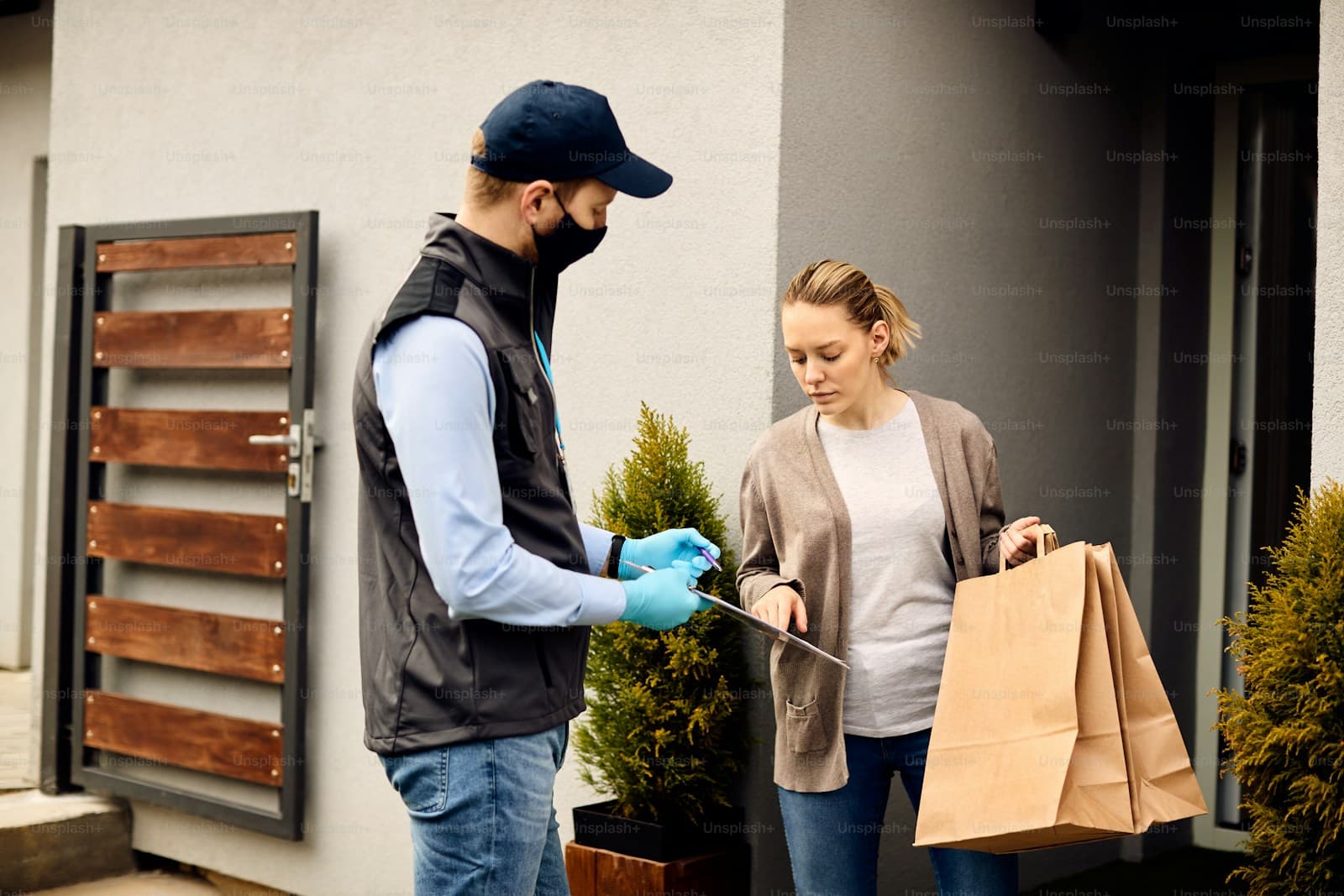
California DMV requires traditional employment verification for restricted licenses, but gig workers lack employer letters. Here's how to document variable-hour app-based work when your income comes from Uber, DoorDash, or TaskRabbit.
What Employment Documentation California DMV Accepts for Restricted Licenses
California requires proof of employment necessity when applying for a restricted license after DUI or negligent operator suspension. The standard path: an employer verification letter on company letterhead stating your job title, work address, required hours, and confirmation that driving is essential to your position.
Gig workers don't have employers in the traditional sense. You cannot ask Uber or DoorDash to write a letter confirming your work schedule because no single company controls when you work. The platforms classify you as an independent contractor, not an employee.
California Vehicle Code §13353.3 and DMV policy do not specify gig work as ineligible, but the application process defaults to W-2 employment structures. You must build an equivalent documentation package proving work necessity using 1099 forms, platform earnings statements, and scheduled delivery or ride commitments. The DMV evaluates whether driving is essential to your livelihood, not whether you fit a traditional employment category.
How to Document Gig Income When You Don't Have an Employer Letter
Assemble a substitute documentation package that mirrors what an employer letter would prove: consistent work, defined hours, income dependency, and geographic necessity. Start with your most recent 1099 forms from each platform you work through. If you drive for multiple apps, include all of them. The 1099 shows annual earnings and proves you are an active independent contractor.
Add three months of platform earnings statements showing weekly or biweekly income. Uber, Lyft, DoorDash, Instacart, and most gig platforms allow you to download detailed earnings summaries from your driver or dasher account dashboard. Print these as PDFs. Highlight total hours worked per week and gross earnings. The DMV needs to see consistency: if you work 25-35 hours weekly and earn $800-$1,200 biweekly, that pattern proves work necessity.
Include screenshots from the app showing scheduled delivery blocks, reserved ride hours, or recurring shift commitments if your platform uses scheduled availability. DoorDash Top Dasher status, Uber Pro tier level, or Instacart shopper tier all signal ongoing work commitment. If your gig work includes recurring commercial clients (you deliver for the same restaurant five days a week, or you provide regular TaskRabbit services to a property management company), get a letter from that client on their letterhead confirming the recurring arrangement and your role.
Write a personal statement on plain paper explaining your work structure: which platforms you use, typical weekly hours, why driving is essential (you cannot deliver groceries or transport passengers without a vehicle), and what happens if you lose driving access (you lose 100% of your income). Keep it factual. The DMV is evaluating necessity, not sympathy.
Compare car insurance rates in your state
Get quotes from licensed carriers — no obligation, no spam, results in minutes.
Get Your Free Quote✓ No Obligation Required✓ Licensed Carriers Only✓ Available Nationwide✓ Free to Compare
Restricted License Route and Hour Restrictions for Variable Gig Schedules
California restricted licenses limit driving to specific purposes: commute to and from work, driving within the scope of employment, and travel to and from DUI treatment programs if applicable. For gig workers, "within the scope of employment" is the critical clause. You are not commuting to an office. Your entire work activity is driving.
The restricted license does not specify approved routes the way a traditional commuter's license might. You do not submit a home-to-office address pair. Instead, you certify that all driving is work-related. When you activate a delivery or ride request, that trip falls within scope. When you drive home after your last delivery, that is the end of your work window. Driving to the grocery store for personal errands or picking up a friend from the airport violates the restriction.
Hour restrictions are purpose-based, not clock-based. California does not impose blanket "you may only drive 6 a.m. to 6 p.m." limits on restricted licenses. If you typically work late-night delivery shifts from 8 p.m. to 2 a.m., and your earnings statements reflect that pattern, your restricted license covers those hours as work activity. The test is always: is this trip necessary for employment? If yes, it is covered. If no, you are driving illegally.
Gig workers cannot use the restricted license for personal driving at all. Every trip must connect to an active delivery, ride, or task. If you are caught driving outside work purposes, the DMV revokes the restricted license immediately and you return to full suspension with no second chance.
Ignition Interlock Device Installation Timeline and Gig Platform Compatibility
California requires ignition interlock device installation for all DUI-related restricted licenses under Vehicle Code §13353.3. First-offense DUI drivers installing an IID can bypass the 30-day hard suspension period entirely and obtain a restricted license immediately. The IID must remain installed for 12 months minimum for first offenses, longer for repeat offenses.
Gig workers face a vehicle ownership complication. The IID must be installed in any vehicle you operate. If you own your delivery vehicle or rideshare car, installation is straightforward: schedule with a state-certified IID provider, pay the installation fee (typically $75-$100), and pay the monthly monitoring fee (typically $60-$90). The device logs every ignition event and every breath test. You must blow clean before the engine starts, and you must provide rolling retests while driving.
If you rent a vehicle for gig work through a platform rental program (Uber's Hertz partnership, Lyft's Express Drive, or third-party rental services like HyreCar), you cannot install an IID in the rental vehicle. Rental agreements prohibit modifications. You must own or lease the vehicle you drive. Some gig workers lease a used sedan specifically to satisfy IID requirements and continue platform work during the restricted license period.
Rideshare platforms (Uber, Lyft) require background checks and vehicle inspections. An IID installation does not automatically disqualify you, but some local markets or vehicle inspection partners flag it. Delivery platforms (DoorDash, Instacart, Amazon Flex) rarely inspect vehicles and do not typically detect IID presence. TaskRabbit and other non-driving gig platforms are unaffected. If your restricted license is for a non-DUI suspension (negligent operator points, uninsured driving), IID is not required and this complication does not apply.
SR-22 Filing Requirements and Premium Impact for Gig Drivers
California requires SR-22 insurance filing for DUI suspensions, negligent operator suspensions, and uninsured driving suspensions. The SR-22 is not a separate insurance policy. It is a certificate your insurer files electronically with the DMV proving you carry at least California's minimum liability coverage: $15,000 per person for bodily injury, $30,000 per accident for bodily injury, and $5,000 for property damage.
Gig workers must carry commercial or rideshare-endorsement policies if driving for Uber, Lyft, or other transportation network companies. Personal auto policies exclude coverage during periods when the app is open and you are available for rides or deliveries. Standard SR-22 filers pay $300-$600 annually for minimum liability coverage. Gig workers with rideshare endorsements or commercial policies pay $1,200-$2,400 annually because the exposure is higher.
SR-22 filing fees range from $15-$50 depending on the carrier. The real cost is the premium increase. Drivers with DUI suspensions see base premiums double or triple. A clean-record gig driver paying $150/month for rideshare coverage jumps to $350-$500/month after DUI with SR-22 filing. The filing must remain active for three years in California. If your policy lapses for any reason, the carrier notifies the DMV electronically and your restricted license is revoked the same day.
Not all carriers write SR-22 policies with rideshare endorsements. State Farm, Allstate, and USAA offer rideshare coverage but may decline to add SR-22 filing for high-risk drivers. Geico, Progressive, and Bristol West write SR-22 rideshare policies but pricing varies significantly by county and violation history. Non-owner SR-22 policies (for gig workers who rent vehicles and do not own a car) cost $40-$80/month but do not provide the commercial coverage required for platform work. You cannot use a non-owner policy to satisfy both SR-22 and rideshare insurance requirements simultaneously.
What Happens If Your Gig Work Documentation Is Rejected
California DMV processes restricted license applications within 15-30 business days depending on regional office workload and whether your case requires a hearing. If your documentation package is incomplete or does not meet employment verification standards, the DMV sends a rejection notice listing deficiencies. You have 10 days from the notice date to submit additional documentation or request an administrative hearing.
Common rejection reasons for gig workers: insufficient proof of income consistency (only one month of earnings statements when three are required), no proof of work necessity (earnings statements show income but do not demonstrate that driving is required), missing 1099 forms, or platform statements that do not clearly show hours worked per week. The DMV evaluates whether losing driving access would eliminate your income. If your gig work is supplemental (you have a W-2 job covering most income and gig work is side income), the necessity argument weakens.
If rejected, strengthen your package: add client letters if you have recurring TaskRabbit or delivery clients, include tax returns showing gig income as your primary earnings source, or add a statement from an accountant or tax preparer confirming your self-employment status and income dependency. Some gig workers obtain letters from the platform's local hub or regional office confirming active contractor status, though corporate policy at Uber and DoorDash typically prohibits hub staff from writing employment verification letters.
If the DMV denies your restricted license application after review, you remain on full suspension. Your options: complete the full suspension period without driving, petition for a hearing to appeal the denial, or explore whether another household member can take over delivery driving while you handle non-driving gig work (Instacart shopping without delivery, TaskRabbit assembly jobs, or app-based tasks that do not require a vehicle). There is no automatic second application. Each new attempt requires a new $125 application fee.