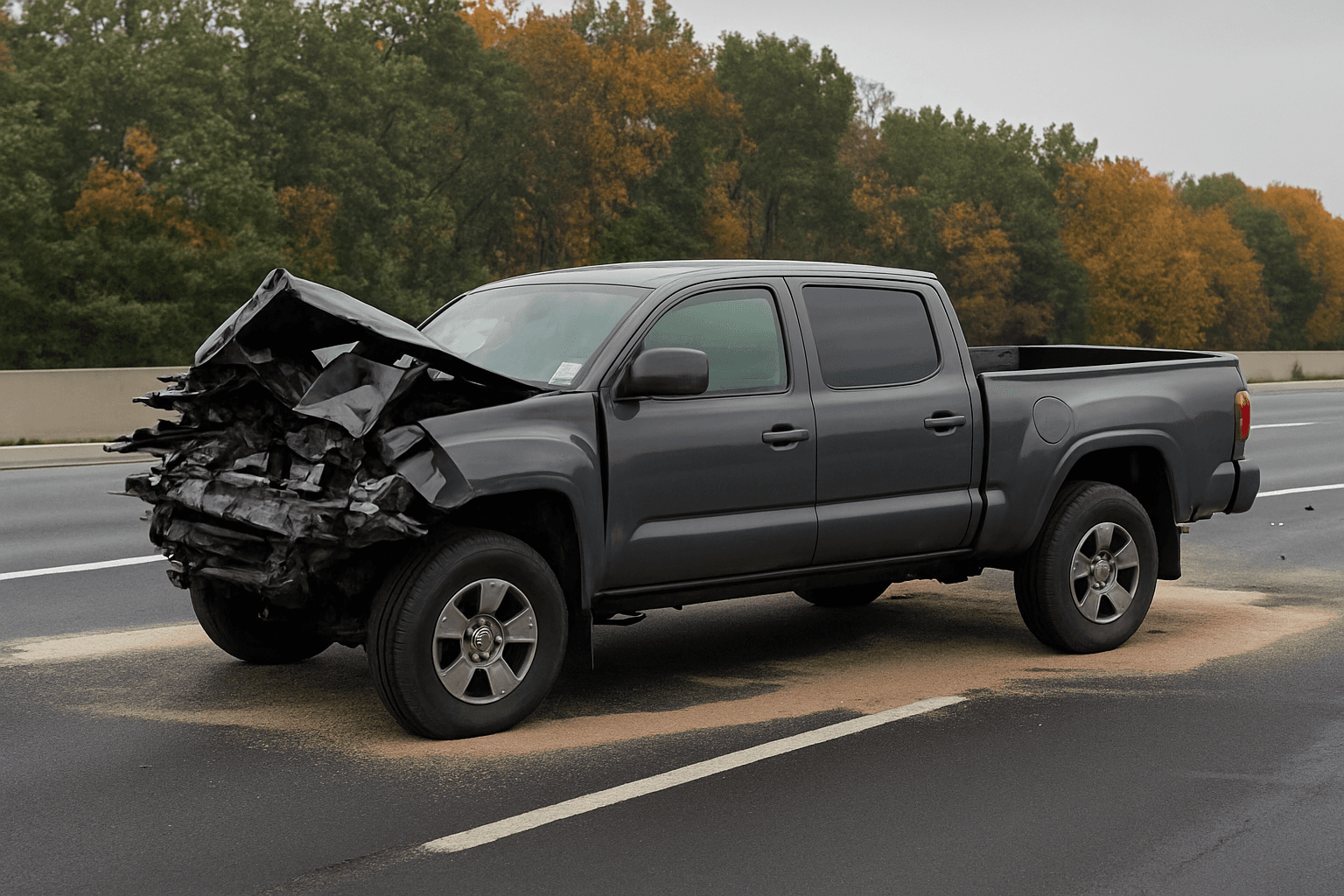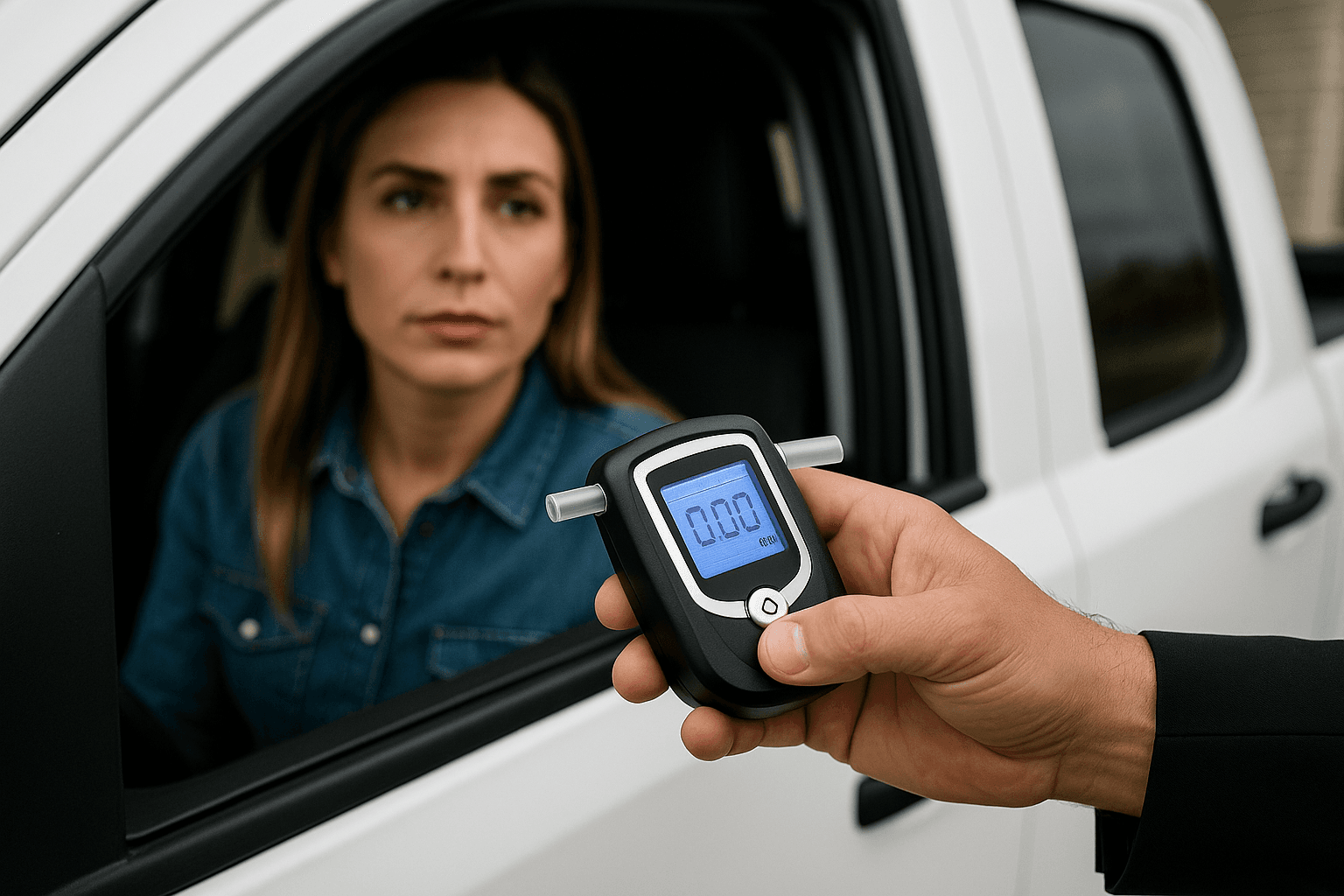
DUI suspensions trigger employment-hardship approvals at 3-4 times the rate of points, unpaid tickets, or insurance lapses. The counterintuitive reason: mandatory SR-22 filing creates a documented compliance pathway judges recognize.
Why DUI Suspensions Get Work-Permit Approval When 'Lesser' Causes Don't
DUI suspensions generate employment-hardship approvals at rates far exceeding points accumulation, uninsured driving, or unpaid ticket suspensions. The paradox: drivers facing DUI suspensions often secure work-restricted licenses more reliably than drivers suspended for what appear to be less serious violations.
The mechanism is counterintuitive. DUI triggers mandatory SR-22 filing, creating a formalized compliance pathway judges and DMV hearing officers recognize across all 50 states. The SR-22 becomes documentary proof that the driver has secured insurance meeting state-mandated liability minimums and will maintain that coverage throughout the restriction period. Points-based suspensions, unpaid ticket suspensions, and insurance lapse suspensions rarely trigger SR-22 requirements in most states. Without SR-22 filing, these drivers must assemble proof of insurance separately, often in formats hearing officers find harder to verify.
The second factor: DUI suspension paths include court-mandated documentation infrastructure. Conviction orders specify treatment programs, evaluation requirements, and compliance checkpoints. This court-generated paper trail becomes evidence that the driver is actively meeting supervised conditions. Suspension causes without court involvement generate no comparable documentation structure. A driver suspended for 12 accumulated points arrives at their hardship hearing with a driving abstract and an insurance declaration page. A DUI-suspended driver arrives with court orders, treatment enrollment confirmation, SR-22 certificates, and sometimes IID installation receipts. Judges approve the DUI case because the compliance framework is visible and externally supervised.
The SR-22 Filing Advantage: Why Mandatory Requirements Create Approval Pathways
SR-22 filing serves as third-party verification of insurance compliance. The state receives continuous electronic confirmation from the carrier that coverage remains active. If the policy lapses or cancels, the carrier notifies the DMV within 10 days in most states, triggering automatic hardship revocation.
This real-time monitoring infrastructure does not exist for standard insurance policies. A driver suspended for points who secures standard liability coverage has no equivalent filing mechanism. The hearing officer reviewing their hardship application must trust the insurance card presented at the hearing without ongoing verification. SR-22 creates a compliance loop judges recognize as enforceable, while standard coverage declarations rely on the honor system.
The SR-22 requirement also forces DUI-suspended drivers into contact with carriers and agents who specialize in high-risk and restricted-license cases. These carriers understand hardship license documentation requirements and often provide letters, certificates, or declarations formatted for DMV hearings. Drivers purchasing standard coverage from mass-market carriers frequently discover their agent has never handled a hardship application and cannot provide documentation the hearing officer will accept. The DUI driver's SR-22 carrier has processed hundreds of these cases. The infrastructure exists because the volume exists.
Compare car insurance rates in your state
Get quotes from licensed carriers — no obligation, no spam, results in minutes.
Get Your Free Quote✓ No Obligation Required✓ Licensed Carriers Only✓ Available Nationwide✓ Free to Compare
Court Supervision Creates Documentation DUI Applicants Bring to Hearings
DUI convictions generate court-ordered compliance requirements: alcohol education programs, substance abuse evaluations, treatment enrollment, ignition interlock installation, and supervision check-ins. Each requirement produces documentation. The driver completes the evaluation and receives a certificate. They enroll in the 12-week DUI education program and the provider issues progress letters. The IID installer provides a receipt and inspection schedule.
This documentation stack becomes the hardship application attachment list. Judges reviewing employment-hardship petitions see proof that the driver is meeting externally supervised conditions and has skin in the game. The program fees, IID costs, and treatment enrollment represent financial and procedural commitments most non-DUI suspended drivers cannot demonstrate.
Drivers suspended for accumulated points or unpaid tickets face no court-supervised compliance requirements. Their suspension notice instructs them to wait out the suspension period or apply for hardship driving. No external agency monitors their behavior. The hardship hearing becomes the first procedural checkpoint, and they arrive with minimal documentation beyond proof of insurance and employer verification. The DUI applicant arrives with five or six externally generated compliance documents proving they are already under supervision. Judges interpret this as lower re-offense risk, even though the underlying violation is objectively more serious.
State-Specific Eligibility: Where DUI Opens Hardship Doors Others Don't
Most states restrict hardship eligibility by suspension cause. DUI suspensions qualify for employment-hardship in 47 states. Points-based suspensions qualify in approximately 35 states. Insurance lapse suspensions qualify in fewer than 30 states, and unpaid ticket suspensions rarely qualify at all outside of case-by-case judicial discretion.
States structure hardship programs around the assumption that employment-connected driving serves public interest: keeping workers employed reduces recidivism risk, public assistance dependency, and reoffense likelihood. DUI-suspended drivers fit this framework because their suspension cause is a singular event with a defined compliance pathway. Points accumulation, by contrast, reflects pattern behavior over time without a corrective intervention structure. Judges view the DUI driver as someone who made a single catastrophic error and is now under court supervision. The points-accumulation driver is someone who repeatedly violated traffic law without external consequences until the suspension threshold triggered.
Several states explicitly exclude certain suspension causes from hardship eligibility. Washington prohibits hardship licenses for suspensions triggered by driving uninsured. Pennsylvania excludes points-based suspensions from Occupational Limited License eligibility entirely. New Jersey restricts work permits to DUI cases and medical hardship cases, excluding uninsured driving and points. In these states, DUI is not just the most common hardship path — it is often the only hardship path available for employment purposes.
Employer Verification Requirements Favor DUI Applicants With Traditional Jobs
Most states require employer verification letters for employment-hardship approvals. The letter must confirm the applicant's job title, work hours, work address, and driving necessity. Employers of DUI-suspended workers often comply with these requests because the underlying suspension cause occurred outside work hours in a personal vehicle. The suspension does not reflect job performance or workplace behavior.
Drivers suspended for points accumulation or moving violations face different employer dynamics. If the points accumulated from speeding tickets during work commutes or distracted driving incidents near the workplace, employers may view the suspension as job-performance-related. Employers in industries with strict liability policies, fleet insurance requirements, or DOT oversight sometimes refuse to provide verification letters for any suspended employee, regardless of cause. DUI-suspended drivers working in non-driving roles receive verification letters more reliably than points-suspended drivers in roles that required occasional company vehicle use before the suspension.
Gig workers, commission-based workers, and self-employed applicants face verification challenges across all suspension causes. States typically require employer letters on company letterhead with supervisor signatures. Self-employment verification requires business licenses, tax records, and client contract documentation most gig workers cannot produce in the format hearing officers expect. DUI-suspended workers in traditional W-2 employment secure verification letters and approvals at higher rates than any other suspension-cause group, regardless of the underlying job type.
What This Means for Non-DUI Suspended Drivers Applying for Work Permits
If your suspension stems from points, unpaid tickets, or insurance lapse, your hardship application faces procedural disadvantages the DUI path does not. You must compensate by assembling equivalent documentation proving compliance intent and employment necessity.
Secure SR-22 coverage even if your state does not require it for your suspension cause. Voluntary SR-22 filing creates the same real-time monitoring loop that gives DUI applicants credibility. Carriers offering SR-22 for non-mandated cases typically charge the same premium as standard high-risk coverage. The filing itself costs $15-$35 in most states. Bring the SR-22 certificate to your hardship hearing as proof of verified continuous coverage.
Document the employment consequences of continued suspension in writing. Ask your employer for a letter stating not just your work hours and address, but the specific consequence of losing driving privileges: job termination, shift reassignment to lower pay, inability to fulfill client-facing duties. The more concrete the employment harm, the stronger your hardship case. DUI applicants bring court-generated documentation. You must generate equivalent employment documentation.
If your state offers voluntary driver improvement programs, enroll before your hearing. Completion certificates demonstrate proactive behavior and responsibility. Several states allow voluntary ignition interlock installation for non-DUI suspensions as evidence of compliance intent. Installing IID voluntarily signals to the hearing officer that you are willing to accept the same monitoring DUI-suspended drivers face, even though your violation did not require it.
SR-22 Filing Setup for Employment-Hardship Approvals
SR-22 filing requires an active auto insurance policy meeting your state's liability minimums. If you own a vehicle, you need standard liability coverage with SR-22 endorsement. If you do not own a vehicle but need hardship driving privileges, you need non-owner SR-22 coverage.
Non-owner SR-22 policies cost $25-$60 per month in most states for drivers with DUI suspensions, slightly less for drivers with points or lapse suspensions. The policy provides liability coverage when you drive vehicles you do not own: borrowed cars, rental cars, or employer vehicles if your hardship permit allows work-hour driving in company vehicles. The SR-22 filing remains active as long as the policy remains active and premiums are paid.
Carriers specializing in high-risk and SR-22 coverage include The General, Progressive, Bristol West, Acceptance Insurance, and state-specific non-standard carriers. Mass-market carriers like State Farm and Allstate write SR-22 policies but often non-renew customers after filing, particularly for DUI-triggered SR-22. Start with carriers whose business model centers on suspended-license and post-violation drivers. These carriers provide documentation formatted for DMV hearings without requiring explanation.
File SR-22 before your hardship hearing, not after approval. Bring the certificate to the hearing as proof coverage is already in place. Hearing officers deny applications when coverage documentation is incomplete or pending. The SR-22 filing date becomes your compliance start date. Most states calculate hardship approval periods and reinstatement eligibility from the SR-22 filing date, not the suspension start date.