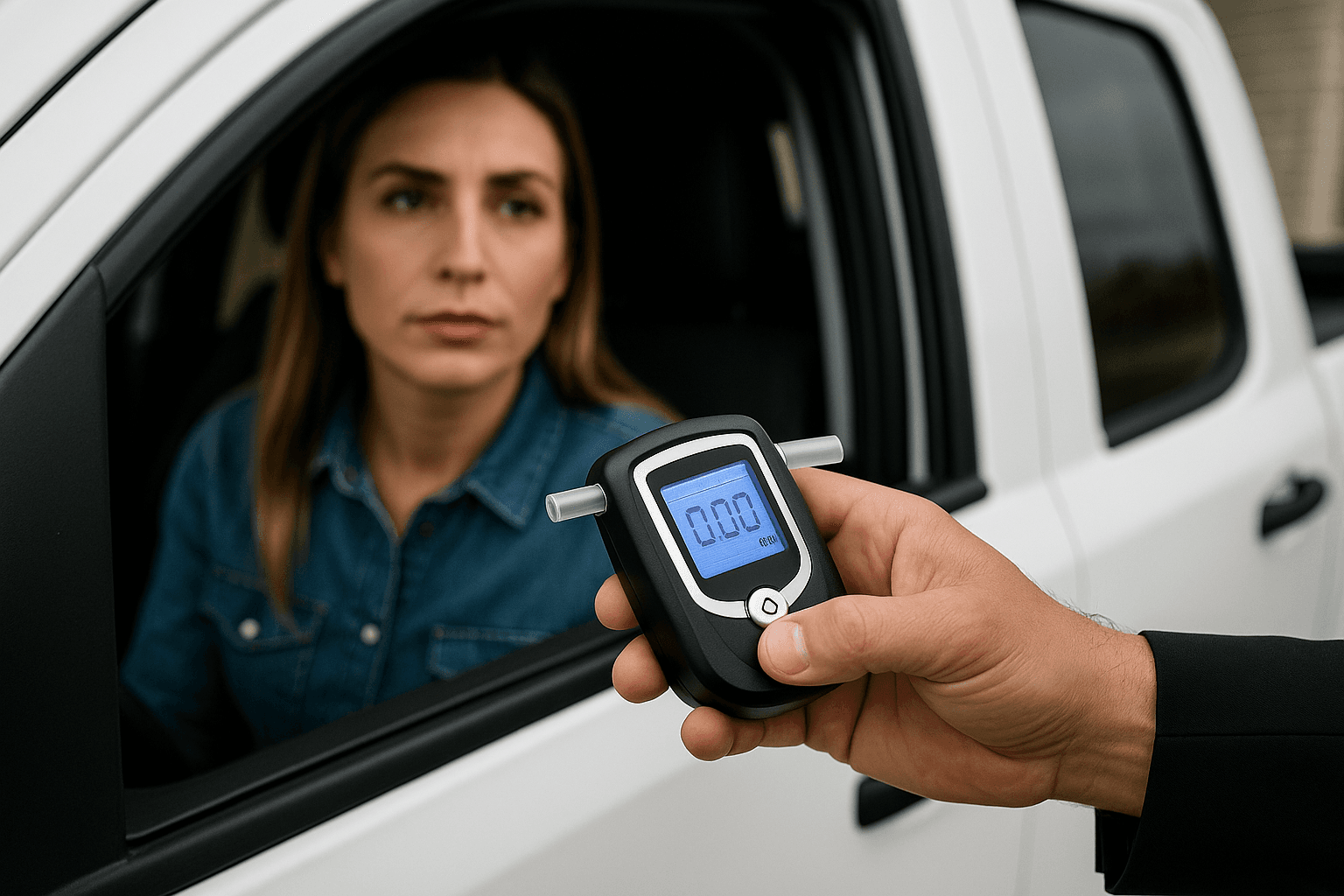
Most states deny employment hardship licenses for drug-related suspensions unless the conviction involved driving. The work-commute pathway closes the moment non-driving drug charges trigger DMV action.
Why Drug-Related Suspensions Close the Work-Hardship Door
Drug-related license suspensions fall into two categories: driving under the influence of drugs (DUID) and non-driving drug convictions. DUID suspensions typically qualify for employment hardship licenses in most states because the violation involved operating a vehicle. Non-driving drug convictions—possession, distribution, or controlled substance charges with no vehicle involved—close the work-hardship pathway in 34 states even when your employer depends on you driving to work.
The distinction matters because state hardship programs were designed for traffic-related suspensions. Administrative suspensions triggered by criminal court convictions outside the traffic code fall into a different eligibility category. Most state DMV statutes explicitly exclude drug-related administrative suspensions from hardship consideration unless the underlying charge involved impaired driving.
Texas, Florida, Georgia, Illinois, and Ohio all deny occupational or hardship licenses for drug possession suspensions that did not involve a vehicle. California's restricted license program excludes most non-traffic administrative actions. Even states with broad hardship eligibility—like Texas, which allows work, school, and household duties under an occupational license—draw the line at non-driving drug convictions. The suspension is punitive, and the state views hardship relief as inappropriate for criminal conduct unrelated to road safety.
How Courts Distinguish DUID From Possession in Hardship Cases
DUID charges carry specific elements: operation of a vehicle, impairment or presence of a controlled substance, and evidence of driving behavior. These elements place the offense within the traffic safety framework that hardship programs address. A DUID conviction in most states triggers the same hardship eligibility pathway as a DUI alcohol conviction—you can apply for work-purposes driving after meeting the state's waiting period and SR-22 filing requirements.
Drug possession, distribution, or paraphernalia charges involve no vehicle operation. The conviction triggers an administrative license suspension through a state statute requiring DMV action when a court reports a drug conviction. This suspension is not a traffic penalty. It is a criminal consequence administered through the DMV. Hardship programs do not extend to criminal consequences outside the traffic safety mandate.
Judges reviewing hardship petitions distinguish between the two by reviewing the underlying charge code and conviction record. A DUID charge references the state's impaired driving statute. A possession charge references the criminal code. If your conviction cites a non-traffic statute, the hardship application will be denied at the eligibility screening stage—most jurisdictions will not schedule a hearing. Your employer's letter confirming you need to drive to keep your job does not override statutory ineligibility.
Compare car insurance rates in your state
Get quotes from licensed carriers — no obligation, no spam, results in minutes.
Get Your Free Quote✓ No Obligation Required✓ Licensed Carriers Only✓ Available Nationwide✓ Free to Compare
State-Specific Eligibility Exceptions for Drug-Related Suspensions
Five states allow limited hardship consideration for non-driving drug suspensions under narrow conditions. Indiana permits specialized driving privileges for first-time drug possession suspensions if the petitioner completes a substance abuse assessment and enters a treatment program before applying. The hardship license is conditioned on continued enrollment. Wisconsin allows occupational licenses for non-driving drug suspensions after a 30-day hard suspension period, but only if the conviction did not involve distribution or intent to distribute. Possession-only convictions qualify; trafficking convictions do not.
Minnesota offers a limited license for drug-related administrative suspensions after 15 days if the petitioner can demonstrate enrollment in a certified treatment program and provide verification of employment that requires driving. The program excludes convictions involving sale or manufacturing. Iowa grants work permits for non-driving drug suspensions after 90 days, but only for first-time offenders who complete a substance abuse evaluation and agree to random testing as a condition of the permit. Arkansas allows hardship licenses for drug possession suspensions after six months if the petitioner has no prior drug convictions and completes a court-approved rehabilitation program.
All other states deny hardship eligibility for non-driving drug suspensions. Texas, Florida, Georgia, Illinois, Ohio, California, North Carolina, Tennessee, Michigan, Pennsylvania, and Virginia explicitly exclude these suspensions from their hardship statutes. If your suspension was triggered by a drug conviction that did not involve driving, you will not qualify for work-purposes driving in these states. The only pathway is full reinstatement after serving the suspension period.
What Happens When You Apply for Hardship Anyway
Ineligible applicants who file for hardship licenses face application fee loss and extended processing delays. Most states charge $50 to $150 for hardship application processing. When the DMV or court reviews the application and determines the underlying suspension is ineligible, the fee is not refunded. The application is denied, and no hearing is scheduled. Processing time for denial notices ranges from two to six weeks depending on the state's administrative backlog.
Some applicants file hardship petitions without realizing their suspension is drug-related. Suspensions triggered by criminal court convictions are often reported to the DMV weeks after sentencing. The driver receives a suspension notice in the mail citing an administrative action code, but the notice may not specify the underlying conviction type. If you do not recognize the suspension as drug-related and apply for hardship relief, you will not learn the ineligibility reason until the denial letter arrives.
Filing an ineligible application also establishes a paper trail that complicates future reinstatement. Some states flag repeat hardship applicants for closer review during full license reinstatement. If your file shows multiple denied hardship applications, the reinstatement examiner may require additional documentation or impose stricter conditions on your license restoration. The best practice is to confirm eligibility before filing. Contact your state DMV or a license reinstatement attorney to verify whether your suspension type qualifies for hardship consideration before paying the application fee.
SR-22 Filing Requirements for Drug-Related Suspensions
Drug-related suspensions require SR-22 filing for reinstatement in most states, regardless of whether the conviction involved driving. The SR-22 is a liability insurance certification filed by your carrier to verify you carry state-minimum coverage. DUID convictions trigger SR-22 requirements in all 50 states. Non-driving drug possession suspensions trigger SR-22 filing in 38 states under administrative suspension statutes.
The filing period for drug-related suspensions typically matches DUI filing periods: three years in most states, five years in California and Florida, two years in Ohio and Michigan. The filing begins when your license is reinstated, not when the suspension is imposed. If you serve a one-year suspension for a drug conviction and then file for reinstatement, the SR-22 clock starts on your reinstatement date. You must maintain continuous coverage for the full filing period. A lapse of more than 30 days resets the clock in most states.
SR-22 insurance for drug-related suspensions costs approximately $80 to $150 per month for liability-only coverage, depending on your state and driving record. The SR-22 filing fee itself is $25 to $50, paid once at the start of the filing period. Non-owner SR-22 policies cost $40 to $90 per month if you do not own a vehicle but need to maintain the filing for reinstatement purposes. Estimates vary by state and individual risk factors; verify current rates with carriers licensed in your state.
How to Navigate the Suspension Period Without Hardship Relief
If your state denies hardship eligibility for your drug-related suspension, you must serve the full suspension period without driving privileges. Suspension lengths for non-driving drug convictions range from six months to two years for first offenses, depending on state statute and conviction severity. Second or subsequent drug convictions extend suspension periods to three to five years in most states.
Public transportation, rideshare services, carpooling, and employer-based transit programs are the primary alternatives during suspension. Some employers offer shift adjustments or remote work options for employees facing license suspension. If your job requires driving and your employer cannot accommodate non-driving alternatives, you face potential job loss. Document your job search efforts and any employer communications about your suspension—these records may support future hardship petitions if your state offers relief for subsequent violations or if you relocate to a state with broader eligibility.
Applying for full reinstatement as soon as your suspension period ends is critical. Reinstatement requires paying a reinstatement fee ($50 to $250 depending on state), completing any court-ordered treatment or education programs, and filing SR-22 insurance. Some states require a reinstatement hearing for drug-related suspensions. The hearing evaluates whether you have completed all court and DMV requirements and whether you pose a risk to public safety. Bring documentation of treatment completion, proof of employment or enrollment in school, and evidence of insurance coverage. Most reinstatement hearings last 15 to 30 minutes and result in immediate license restoration if all conditions are met.
What to Do About Insurance After a Drug-Related Suspension
Once your suspension ends and you file for reinstatement, you need non-standard auto insurance with SR-22 filing. Standard carriers typically decline applications from drivers with drug-related suspensions. Non-standard carriers specialize in high-risk policies and file SR-22 certificates directly with your state DMV.
Start shopping for coverage 30 to 45 days before your reinstatement date. Most states require proof of insurance before processing reinstatement applications. Obtaining a policy quote, paying the first month's premium, and allowing the carrier to file the SR-22 takes seven to ten business days. If you wait until the day your suspension ends, reinstatement will be delayed by the SR-22 processing window.
Compare quotes from carriers that specialize in post-suspension coverage. Rates vary significantly by state and conviction type. Non-owner SR-22 policies cost less than standard policies if you do not own a vehicle but need to maintain the filing. If you own a vehicle, liability-only coverage meets the minimum requirement and costs less than full coverage. Add collision and comprehensive only if your vehicle's value justifies the premium increase. Get back on the road legally by securing coverage that meets your state's filing requirement before your reinstatement hearing.