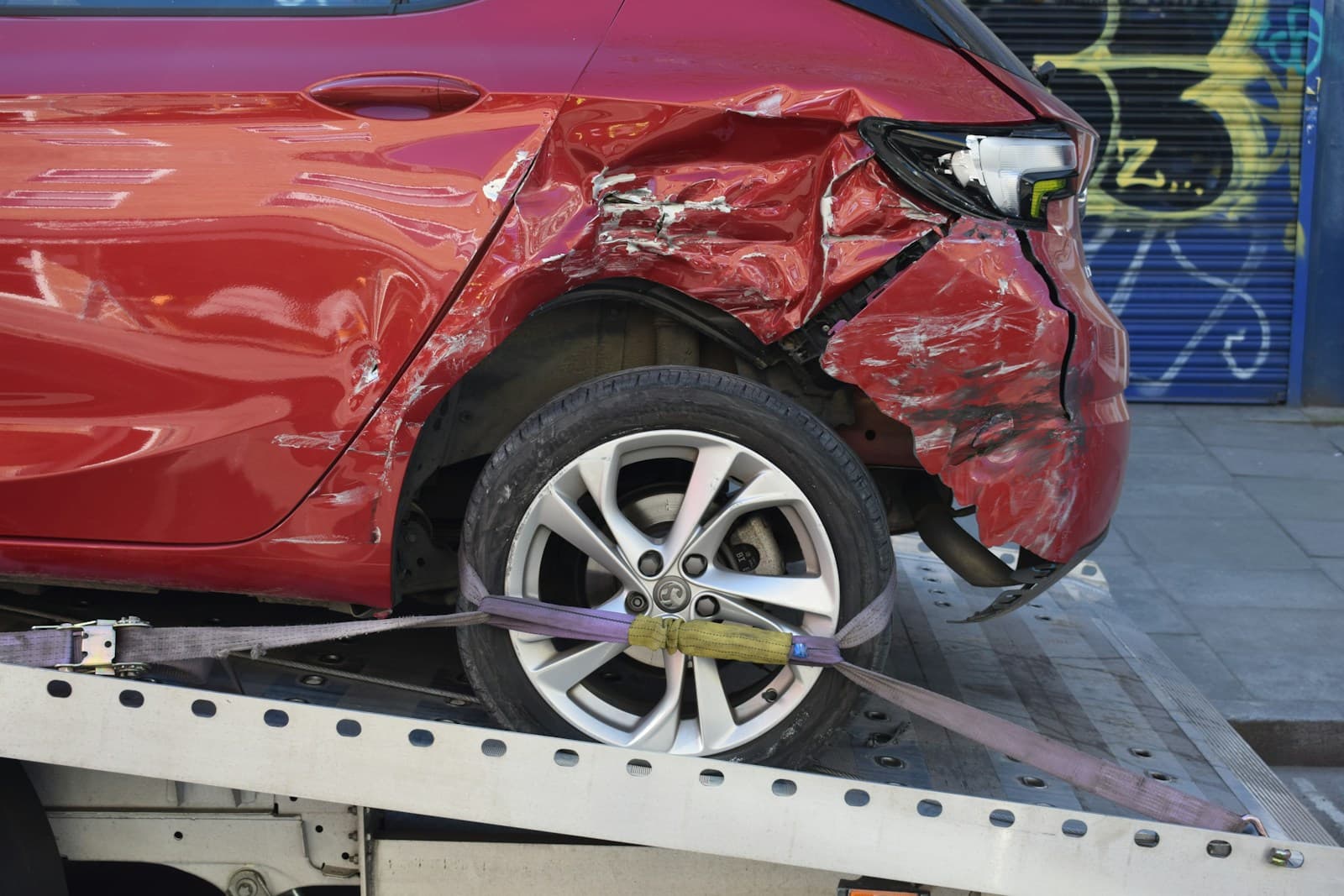
Most states deny work permits for hit-and-run suspensions involving injury or property damage unless you report before law enforcement contact. The employment hardship pathway closes faster than DUI cases in 14 states.
Why Hit-and-Run Suspensions Close the Work Permit Door Faster Than DUI
Hit-and-run suspensions typically disqualify you from work permits in states that tie eligibility to your conduct after the collision, not just the underlying charge. If law enforcement initiated contact before you reported the collision, most states classify this as flight rather than accident—even if no criminal charges follow. Texas, Georgia, Florida, and Illinois all apply this standard when reviewing occupational license petitions for hit-and-run cases.
DUI suspensions trigger automatic hardship pathways in 38 states because the violation is alcohol-related, not conduct-based. Hit-and-run suspensions hinge on whether you stopped, whether you reported, and whether you complied with statutory reporting windows. These are fact-intensive reviews that judges can deny without explanation. Most petitions fail not because the employment need isn't genuine, but because the applicant cannot prove they reported the collision before law enforcement found them.
The employment hardship pathway closes fastest when your suspension involves property damage over your state's threshold and you did not exchange information at the scene. Florida sets this threshold at $500, Texas at $1,000, Georgia at $500. If damage exceeded the threshold and you left without exchanging information, your work permit petition will require documentation proving you filed a crash report within the statutory window—typically 10 days in most states—before any police contact.
States That Deny Work Permits for Hit-and-Run Suspensions Categorically
Pennsylvania, Washington, and New Jersey deny work permits for hit-and-run suspensions involving injury or uninsured property damage regardless of employment need. Pennsylvania's Occupational Limited License statute excludes drivers suspended under 75 Pa.C.S. § 3742 (duty to give information and render aid) from eligibility. Washington's Ignition Interlock Driver's License program excludes hit-and-run cases under RCW 46.52.020. New Jersey does not offer employment hardship licenses for any cause—hit-and-run suspensions trigger absolute license revocation with no restricted pathway.
These states close the work permit door because hit-and-run violations involve leaving the scene, which courts interpret as deliberate noncompliance rather than impaired judgment. DUI cases qualify for hardship review because alcohol impairment is a medical condition; hit-and-run cases do not receive the same treatment because flight is a choice. If you work in Pennsylvania, Washington, or New Jersey and your suspension stems from leaving a collision scene, you will not receive a work permit. Your reinstatement pathway requires completing the full suspension term, paying all fines, and filing SR-22 if your state requires it.
If you moved to one of these states after your suspension began elsewhere, your prior state's work permit does not transfer. Pennsylvania, Washington, and New Jersey do not recognize out-of-state restricted licenses for drivers suspended under their own hit-and-run statutes.
Compare car insurance rates in your state
Get quotes from licensed carriers — no obligation, no spam, results in minutes.
Get Your Free Quote✓ No Obligation Required✓ Licensed Carriers Only✓ Available Nationwide✓ Free to Compare
When Self-Reporting After the Collision Preserves Work Permit Eligibility
Texas, Georgia, Florida, Illinois, and Ohio allow work permits for hit-and-run suspensions if you filed a crash report within the statutory window before law enforcement contacted you. Texas Transportation Code § 550.026 requires collision reports within 10 days if damage exceeds $1,000. Georgia Code § 40-6-273 requires immediate notification to law enforcement if injury occurred, or within 24 hours if property damage exceeded $500. Florida Statutes § 316.066 requires crash reports within 10 days for collisions involving injury, death, or property damage exceeding $500.
If you meet the self-reporting window, your work permit petition must include a copy of the filed crash report stamped by the agency, proof that the report was filed before any law enforcement contact, and documentation showing no criminal charges resulted from the collision. Most judges approve work permits for self-reported cases because the reporting demonstrates compliance rather than flight. If law enforcement initiated contact before you filed the report, the petition will be denied even if you eventually reported the collision.
The self-reporting defense does not apply if you left a collision involving injury and did not render aid. Texas, Georgia, Florida, Illinois, and Ohio all exclude injury cases from work permit eligibility regardless of when you reported. The employment hardship pathway remains open only for property-damage-only collisions where you met the reporting deadline before police contact.
What Your Employer Must Document for a Hit-and-Run Work Permit Petition
States that allow work permits for hit-and-run suspensions require employer verification letters confirming your work schedule, commute route, job duties requiring driving, and the consequences of license loss. Texas requires the employer letter to specify whether the job involves driving during work hours or only commuting. Georgia requires the employer to attest that no alternative transportation options exist. Florida requires the employer to confirm that losing your license will result in immediate termination.
The employer letter must be signed by a supervisor or HR representative with authority to verify employment status. Most courts reject letters signed by coworkers or self-employed applicants. If you are self-employed, your petition must include tax returns, business registration documents, client contracts, and proof that your business requires driving. Self-employed petitions for hit-and-run suspensions face higher scrutiny than DUI cases because judges question whether the employment need is genuine or manufactured to obtain driving privileges.
Your petition must also include a detailed route map showing your commute path and any job-related driving. Texas judges deny petitions that list multiple routes or vague geographic areas. Georgia judges deny petitions that include personal errands or non-work stops. Florida judges deny petitions that do not specify exact addresses for work start and end points. The approved driving window typically covers your commute plus a 30-minute buffer before and after your shift. Driving outside this window results in automatic revocation.
How Ignition Interlock Requirements Apply to Hit-and-Run Work Permits
Hit-and-run suspensions do not automatically trigger ignition interlock requirements unless your state ties IID to the underlying collision facts. Texas does not require IID for property-damage-only hit-and-run work permits. Georgia requires IID for hit-and-run work permits only if the collision involved alcohol or drugs. Florida requires IID for all work permits issued during suspensions longer than 12 months, regardless of cause. Illinois does not require IID for hit-and-run work permits unless the suspension also involves a DUI charge.
If your state requires IID for your work permit, installation costs typically range from $75 to $150, with monthly monitoring fees of $60 to $90. You must install the device before the court issues your work permit, and you must provide proof of installation with your petition. Most judges deny petitions that request IID installation after permit issuance. The device stays installed for the duration of your work permit term, which typically matches your full suspension period.
If you violate your work permit restrictions, your IID data will show when and where you drove outside approved hours. This data becomes evidence in revocation hearings. Most states revoke work permits after a single documented violation, and revocation prevents you from reapplying for hardship relief until your full suspension term ends.
What SR-22 Filing Setup Looks Like for Hit-and-Run Work Permit Cases
Hit-and-run suspensions require SR-22 filing in 31 states, including Texas, Georgia, Florida, Illinois, Ohio, Michigan, Indiana, and all states with continuous-insurance-verification systems. Your SR-22 filing must be active before the court issues your work permit. If you file your work permit petition without SR-22 proof, the petition will be denied and you will need to refile after obtaining coverage.
SR-22 filing costs vary by state and carrier. Texas drivers with hit-and-run suspensions typically pay $90 to $140 per month for minimum-liability coverage with SR-22 endorsement. Georgia drivers pay $110 to $160 per month. Florida drivers pay $130 to $190 per month because Florida requires FR-44 filing for certain collision-related suspensions, which carries higher liability limits than standard SR-22. Illinois drivers pay $85 to $130 per month.
Your SR-22 filing must remain active for the full filing period your state requires, which typically ranges from 2 to 5 years. Texas requires 2 years for property-damage hit-and-run suspensions, 3 years for injury cases. Georgia requires 3 years for all hit-and-run suspensions. Florida requires 3 years for property-damage cases, 5 years if injury occurred. If your coverage lapses during this period, your carrier notifies the state and your work permit is revoked immediately. You cannot reinstate the permit until you refile SR-22 and pay a reinstatement fee, which typically ranges from $50 to $125.
How to Start the Work Permit Application After Hit-and-Run Suspension
Contact your state's driver licensing agency to request the work permit application packet specific to your suspension cause. Most states require you to use the hit-and-run-specific petition form rather than the general hardship form. Texas uses Form DR-15B for occupational licenses related to collision suspensions. Georgia uses DDS Form 912 for limited driving permits. Florida requires drivers to file a petition for Business Purpose Only License with the local clerk of court, not the DMV.
You must file your petition in the county where the collision occurred or where your suspension was issued, not where you currently live. If you moved after the collision, you will need to travel to the original county to file your petition and attend your hearing. Most states require in-person hearings for hit-and-run work permit petitions, unlike DUI cases where administrative review is common.
The filing fee for hit-and-run work permit petitions ranges from $125 to $250 depending on state. Texas charges $125. Georgia charges $200. Florida charges $175 plus court costs. Processing typically takes 30 to 45 days from petition filing to hearing date. If your petition is denied, most states do not allow reapplication for 6 to 12 months. If you need to drive for work immediately, contact a high-risk insurance agent to set up SR-22 coverage before filing your petition—courts view active SR-22 proof as evidence you are serious about compliance.