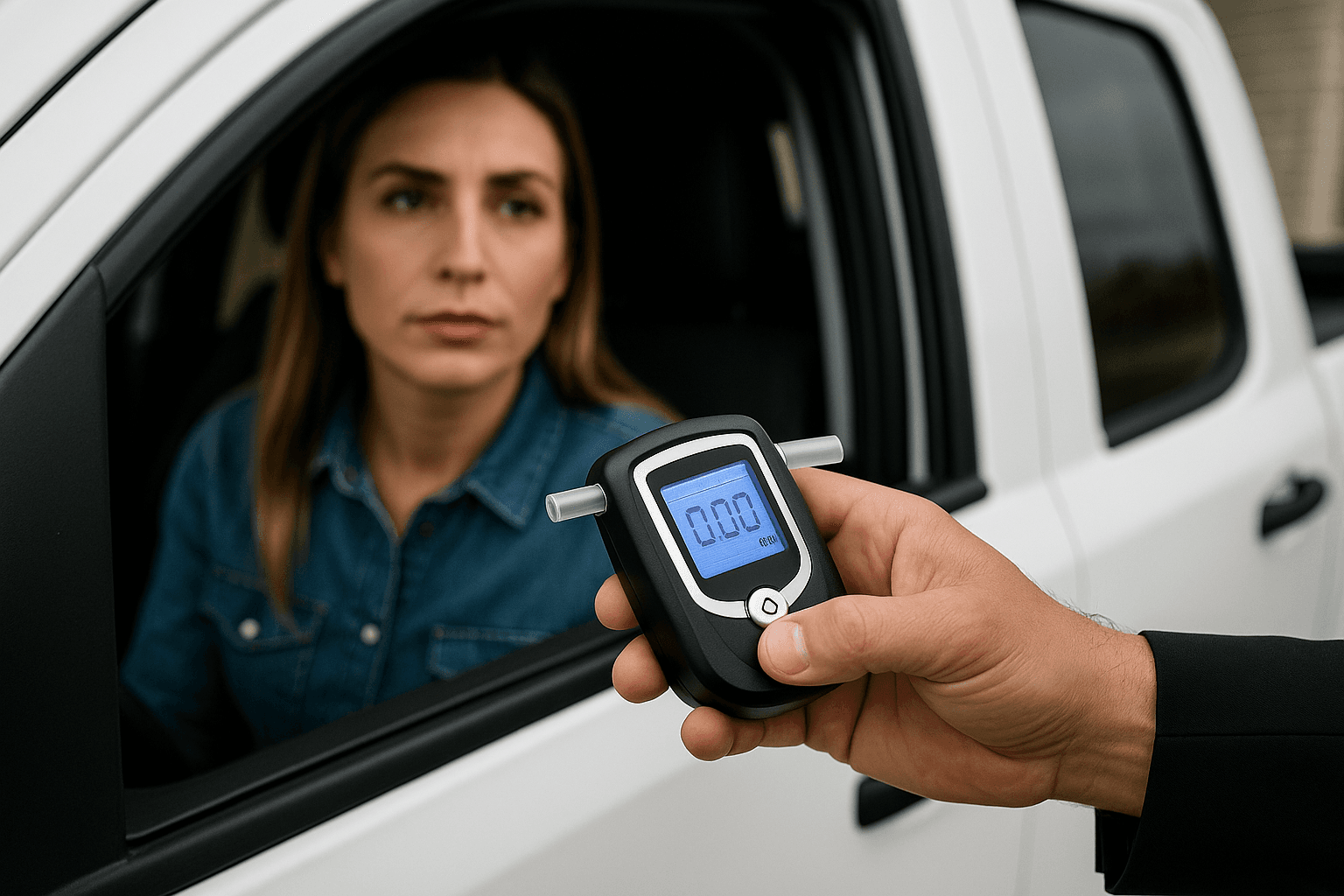
Most states exclude felony DUI from work-permit eligibility entirely, or impose multi-year waiting periods before application. Twelve states have no formal hardship pathway for any felony conviction, regardless of cause.
Which States Bar Felony DUI Drivers From Work Permits Entirely
Alaska, Delaware, Hawaii, Massachusetts, New Hampshire, New Jersey, Pennsylvania, Rhode Island, Vermont, Washington, West Virginia, and Wyoming do not offer hardship licenses for felony DUI convictions. These states either restrict all hardship programs to misdemeanor offenses or have no hardship framework at all.
Pennsylvania's Occupational Limited License explicitly excludes anyone convicted of a felony involving a vehicle. Washington's statute closes work permits to DUI offenses regardless of classification. New Jersey has no hardship license program for suspended drivers under any circumstances.
If your license suspension stems from a felony DUI in any of these twelve states, you will serve the full suspension period without legal driving privileges. Your only pathway forward is full reinstatement after the suspension ends, completion of all court-ordered programs, payment of reinstatement fees, and SR-22 filing where required.
Waiting Periods Before Application in States That Allow Felony DUI Work Permits
Florida requires a 2-year waiting period from conviction date before a felony DUI offender can apply for a Business Purposes Only license. Texas imposes a 1-year waiting period for third-offense DUI before Occupational License eligibility opens. Georgia's Limited Driving Permit becomes available after 120 days for felony DUI, but only if the offender completes a clinical evaluation and enrolls in a state-approved Risk Reduction program before application.
California allows Restricted License applications immediately after arraignment for most DUI cases, but felony DUI with injury triggers a mandatory 1-year hard suspension before restricted driving is available. Illinois requires 1 year served on a Monitoring Device Driving Permit before an offender with a felony DUI can petition for full Restricted Driving Permit privileges that include work driving.
These waiting periods run from the conviction date, not the suspension start date or arrest date. If your conviction was delayed due to plea negotiations or trial, the waiting period does not begin until the court enters judgment. Most drivers underestimate the timeline because they conflate arrest date with conviction date—a gap that can stretch six to eighteen months depending on court scheduling.
Compare car insurance rates in your state
Get quotes from licensed carriers — no obligation, no spam, results in minutes.
Get Your Free Quote✓ No Obligation Required✓ Licensed Carriers Only✓ Available Nationwide✓ Free to Compare
Ignition Interlock Device Requirements for Felony DUI Work Permits
Every state that allows work permits after felony DUI mandates ignition interlock installation as a condition of the permit. Florida requires IID for the full duration of the Business Purposes Only license plus an additional two years after full reinstatement. Texas requires IID for the full Occupational License period and ties removal to completion of the underlying suspension, not just the restricted license term.
Georgia bundles IID installation with the Limited Driving Permit application. The device must be installed by a state-certified provider before the permit is issued. Ohio requires IID for a minimum of three years after a third-offense or felony DUI, extending well beyond the work permit phase into full license restoration.
IID costs typically run $75–$150 per month for lease, calibration, and monitoring. Installation fees range from $100 to $200. These costs are separate from the work permit application fee, SR-22 filing, and insurance premiums. Employers cannot be required to allow IID installation on company vehicles, and most refuse. If your job requires driving a company vehicle, a work permit with IID will not solve your employment problem.
Employer Verification Documentation and Route Restrictions
Georgia, Illinois, Ohio, and Oklahoma require notarized employer affidavits confirming work hours, job location, and the necessity of driving for employment. The affidavit must specify whether driving occurs only during commute or also during work hours. Texas requires employer verification on a DPS-provided form, but notarization is not mandatory.
Approved routes are narrowly interpreted. Georgia's Limited Driving Permit restricts driving to the most direct route between home and work, with no allowance for errands, childcare stops, or detours. Illinois work permits allow driving during approved work hours only—if your shift ends at 5 p.m., you cannot drive at 5:30 p.m., even to return home.
Some states include a 30-minute grace window before and after approved hours. Most do not. Violation of route or time restrictions triggers immediate permit revocation and may result in a new criminal charge for driving while suspended. Texas DPS publishes violation data showing that 22% of Occupational License revocations stem from non-work driving discovered during routine traffic stops.
What Happens If Your Hardship Application Is Denied
Florida denies approximately 40% of first-time Business Purposes Only applications for felony DUI offenders, most often due to incomplete DUI school enrollment documentation or unpaid court fines at the time of application. Denials require a 90-day waiting period before reapplication. Each reapplication incurs the full $60 administrative fee.
Texas judges deny Occupational License petitions when employer verification is vague or when the petitioner has additional moving violations on record during the suspension period. A denial does not restart the underlying suspension clock, but it leaves you without any legal driving option until the next petition hearing, typically scheduled 60 to 90 days out.
Georgia allows one administrative appeal of a Limited Driving Permit denial within 30 days, but the appeal does not stay the denial—you remain without driving privileges during the appeal process. Most denials are upheld unless the denial was based on factual error regarding eligibility dates or program completion status.
SR-22 Filing and Insurance Requirements for Felony DUI Work Permits
All states that issue work permits after felony DUI require SR-22 or FR-44 filing before the permit is granted. Florida and Virginia require FR-44, which mandates liability limits of $100,000/$300,000/$50,000—double the minimum required for misdemeanor DUI. All other states accept standard SR-22 with state-minimum liability limits.
Premiums for SR-22 coverage after felony DUI typically range from $250 to $450 per month in high-risk states like Florida, Georgia, and Texas. Non-owner SR-22 policies, which cover drivers who do not own a vehicle, cost approximately $80 to $150 per month but do not allow you to drive vehicles you own—only borrowed or employer-owned vehicles.
The SR-22 filing period for felony DUI is typically three years from the date of reinstatement, not from the date of conviction. If your work permit is issued two years into your suspension, the SR-22 period begins when the work permit is issued and runs three years from that date. Letting SR-22 coverage lapse for any reason triggers automatic permit revocation and restarts the suspension period in most states.
Finding Coverage That Meets Felony DUI Work Permit Requirements
Standard carriers decline felony DUI applicants outright. Non-standard carriers that write post-conviction policies include The General, Direct Auto, Acceptance Insurance, and Bristol West. Not all non-standard carriers file SR-22 in all states—confirm filing capability before paying an application fee.
Quotes vary by more than $200 per month between non-standard carriers for identical coverage. Some carriers add felony surcharges on top of DUI surcharges, compounding the rate impact. Request quotes from at least three non-standard carriers and confirm that the quote includes SR-22 filing fees, which range from $25 to $50 depending on the carrier and state.
If you are applying for a work permit that requires employer verification, confirm with your insurer that the policy covers commute driving and work-hours driving if your job involves driving during shifts. Some non-owner policies exclude work-hours driving entirely, which would disqualify them for work permit compliance in states that allow job-related driving during approved hours.