Your hardship license allows commute driving, but even approved hours and routes carry restrictions most drivers discover only after a violation revokes the permit entirely.
What Approved Work Hours Actually Cover
Your work permit authorizes driving to and from your job during the hours your employer verified on the application. It does not authorize personal errands during those same hours, even if the detour adds only five minutes to your route.
Most states define 'work purposes' as direct travel between home and the workplace, plus on-the-job driving if your employer documented that need. Stopping at a gas station, picking up a coworker, or swinging by the pharmacy on the way home falls outside that definition. The judge approved a route and a purpose. Adding stops changes both.
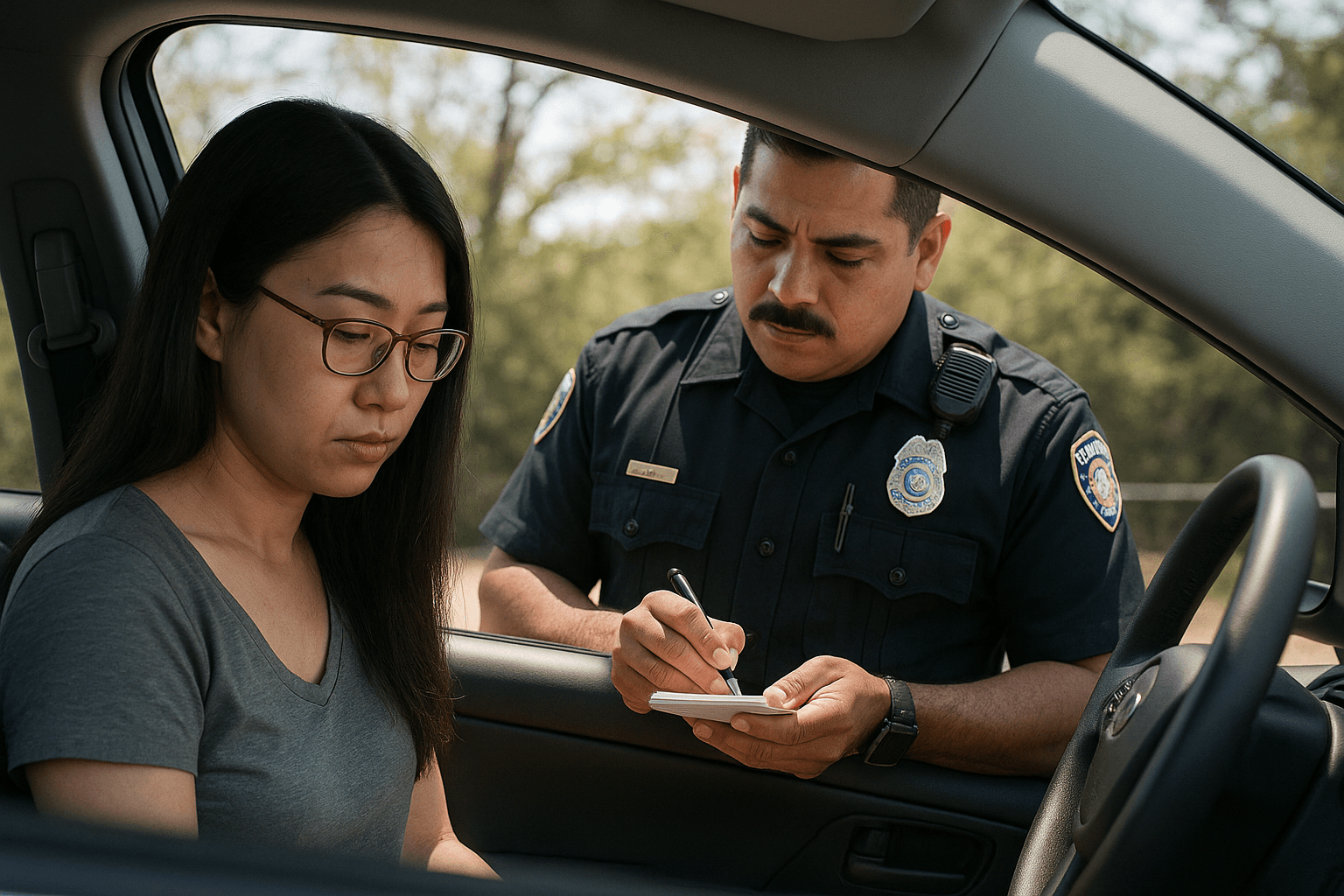
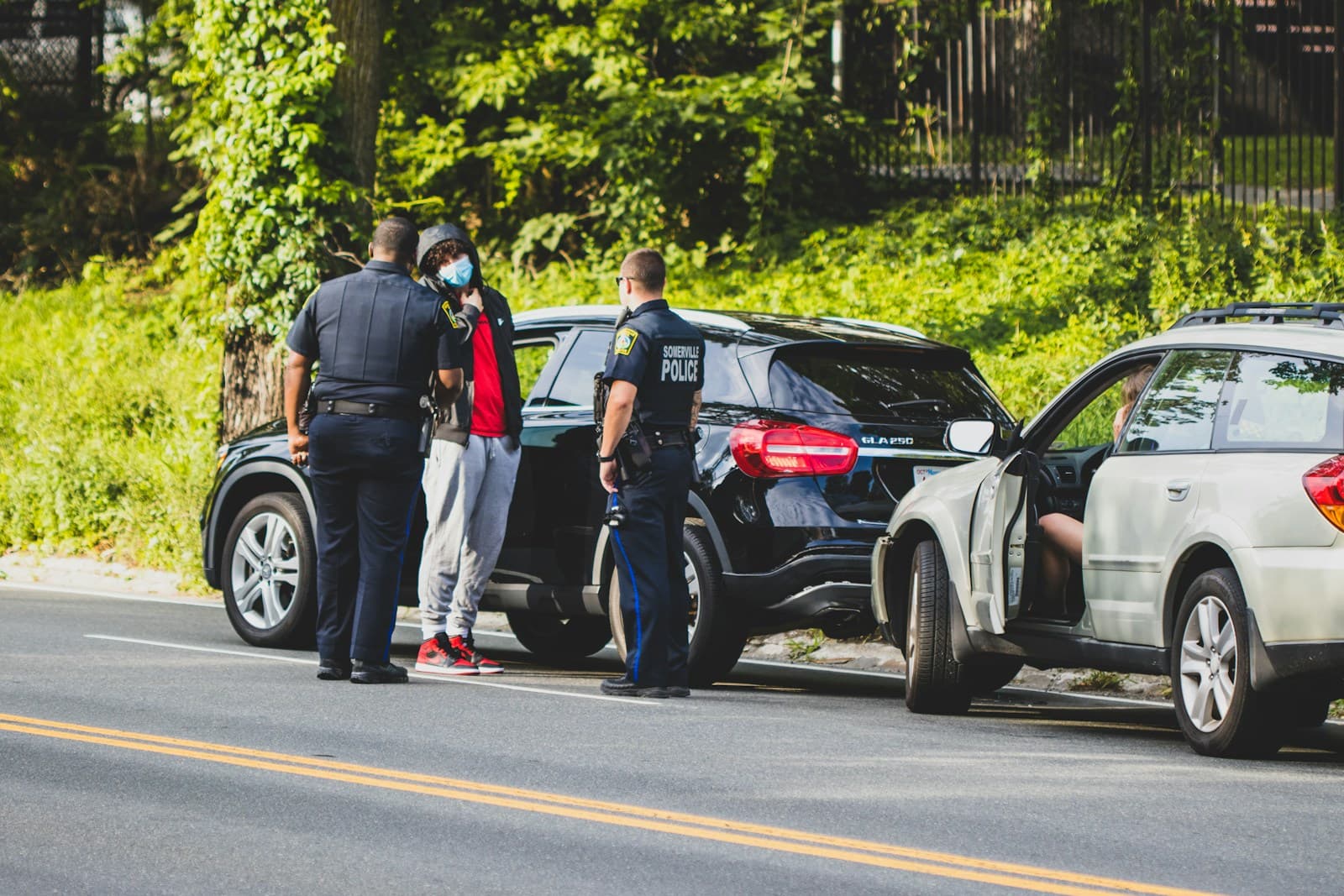
The consequence: officers can arrest you for violating permit terms even when the clock shows you're inside approved work hours. The time window matters, but the activity during that window matters more. Courts treat this as willful violation of a court order, not a minor paperwork error.
Routes Work Both Ways: The Return Trip Counts
Your employer verification letter specified a route from home to work. That same route applies in reverse on the return trip. Most drivers assume flexibility on the way home because the workday ended. Courts do not.
Construction closures and accidents create genuine detour needs. If you encounter one, document it. Photograph the closure sign, save the timestamp, and notify your employer immediately. Some judges accept deviation under force majeure if you report it within 24 hours. Most do not accept deviation you explain weeks later at a revocation hearing.
Delivery drivers, service technicians, and sales staff face route complexity most other workers avoid. If your job requires variable daily routes, your employer letter must state that explicitly and your petition must request authority for 'routes necessary to perform employment duties' rather than a fixed path. Generic work-hour approval without route-variation language does not cover multi-stop commercial driving.
Compare car insurance rates in your state
Get quotes from licensed carriers — no obligation, no spam, results in minutes.
Get Your Free Quote✓ No Obligation Required✓ Licensed Carriers Only✓ Available Nationwide✓ Free to Compare
Passenger Restrictions Most States Enforce
Work permits authorize you to drive. They rarely authorize passengers. Most states prohibit non-work passengers entirely unless your petition specifically requested family-member transport and the judge approved that language.
Carpooling to work with a coworker violates most hardship licenses because the passenger is present for convenience, not employment necessity. Driving your child to daycare on the way to your job violates most permits unless childcare transport appeared in your original petition as a necessary component of maintaining employment. Adding passengers after approval requires filing an amended petition in most jurisdictions.
Rideshare and delivery gig work creates a separate problem. Passengers and packages are the job itself, but most work permits exclude commercial activity that involves transporting people or goods for hire. Florida's Business Purpose Only license allows delivery driving but excludes rideshare. Texas occupational licenses typically exclude both unless the petition specifies gig work by name and the judge approves commercial passenger transport explicitly.
What Happens During Approved Hours Outside Work Days
Your permit approves Monday through Friday, 7 a.m. to 6 p.m. because those are your work hours. Driving at 2 p.m. on Saturday violates the permit even though 2 p.m. falls inside the approved time window. The day-of-week restriction binds as tightly as the hour restriction.
Shift workers face calendar complexity when work schedules rotate. If your employer verification showed Monday-Friday day shift but you later move to weekend nights, you are driving outside approved parameters. Most states require filing an amended employer letter and waiting for judicial approval before the new schedule takes effect. Driving the new shift before that approval arrives is a violation.
Holidays create confusion. If your workplace is closed on a holiday but you drive during your normal work hours for a personal errand, you are violating the permit. The work-purpose test applies every single trip. The time and day windows are necessary conditions, not sufficient ones.
The Ignition Interlock Bypass Myth
If your permit requires an ignition interlock device, you must use it on every trip the permit authorizes. Some drivers believe IID applies only to personal driving and can be bypassed for work trips. That belief is incorrect and produces immediate revocation in every state.
The IID is a condition of driving legally at all during suspension. Work authorization and IID compliance are separate requirements that layer on top of each other. Tampering with the device, asking a passenger to blow for you, or driving a vehicle without IID installed voids your permit immediately and creates new criminal exposure in most states.
IID violations generate rolling lockouts, failed-start logs, and violation reports that reach the DMV within 48 hours in most states. Unlike traffic stops where officer discretion applies, IID violations produce automatic administrative action. The device manufacturer reports the event and the state suspends your hardship license before you receive notice in many cases.
Insurance and SR-22 Continuity Requirements
Your work permit depends on continuous SR-22 filing. If your policy lapses for any reason, the insurance carrier notifies the state within 24 hours and your hardship license suspends automatically in most jurisdictions. You do not receive a warning period.
Switching carriers mid-suspension requires careful timing. The new carrier must file SR-22 before the old policy cancels, creating overlapping coverage for at least one day. A gap of even 12 hours triggers suspension in most states, and reinstating after a lapse usually requires starting the hardship application process over from the beginning.
Non-owner SR-22 policies work for drivers without a vehicle, but only if your state accepts non-owner filings for hardship purposes. Some states require owner SR-22 even when you drive a family member's car exclusively. Verify which filing type your state requires before purchasing coverage, because switching from non-owner to owner SR-22 mid-period can create compliance gaps that revoke your permit.