Your second suspension closes eligibility windows and doubles restrictions in most states. Here's what changes when you apply for work-driving privileges the second time.
Second Suspensions Trigger Stricter Hardship Eligibility Standards
A second suspension closes hardship pathways that stayed open the first time. Most states evaluate repeat applicants under heightened scrutiny: judges assume the first restricted license failed to prevent further violations, so they tighten approval requirements and narrow permitted driving windows. The DMV sees a pattern risk. The court sees enforcement history.
Texas occupational licenses remain available after a second DUI suspension, but the approval rate drops from roughly 70% for first-time applicants to under 40% for second-time filers. Georgia limited driving permits after a second DUI require proof of SR-22 filing and ignition interlock installation before application submission—the first suspension allowed provisional approval pending IID installation. Florida business purposes only licenses after a second suspension require completion of at least 12 months of DUI school before the judge will schedule a hearing.
Second suspensions also extend waiting periods. Illinois occupational licenses require 30 days post-suspension before application eligibility on a first DUI. The second DUI extends that waiting period to 90 days in most counties. Ohio employment driving privileges after a second OVI require 45 days post-suspension plus proof of 30 days continuous SR-22 filing. The path tightens at every stage.
Prior Hardship Violations Surface in Second-Round Hearings
Judges review your full restricted license compliance history when you apply the second time. If your first hardship permit was revoked for driving outside approved hours, cited for unapproved route deviation, or terminated early for missed DUI classes, that record becomes evidence against approval. The court assumes repeat behavior.
Wisconsin occupational license hearings for second suspensions include a compliance review section where the judge asks directly whether your prior restricted license was ever violated or revoked. If yes, you must explain the circumstances and demonstrate changed behavior—usually through completed treatment, employment continuity, or clean driving for 12 months post-revocation. Michigan restricted license applications after a second suspension require an affidavit from your prior supervising probation officer or treatment provider confirming full program completion. No affidavit means automatic denial in most counties.
Even if your first hardship license expired without incident, judges assume your underlying behavior didn't change—you got suspended again. That assumption shapes every question in the hearing. The burden is on you to prove the second suspension was circumstantially different from the first, not part of a pattern.
Compare car insurance rates in your state
Get quotes from licensed carriers — no obligation, no spam, results in minutes.
Get Your Free Quote✓ No Obligation Required✓ Licensed Carriers Only✓ Available Nationwide✓ Free to Compare
SR-22 Filing Duration Doubles in Most States After Repeat Violations
Your employment hardship SR-22 insurance filing period extends substantially after a second DUI or uninsured suspension. California requires 3 years of SR-22 after a first DUI. A second DUI within 10 years extends that to 5 years. Ohio requires 5 years of SR-22 after a second OVI, measured from reinstatement date—not conviction date. Florida FR-44 filing after a second DUI requires 3 years minimum, but judges often impose extended filing periods as a condition of hardship approval, pushing the requirement to 5 or 7 years.
Longer filing periods mean higher cumulative costs. A 3-year SR-22 filing at $40/month costs $1,440. A 5-year filing costs $2,400. A 7-year filing costs $3,360. Those figures don't include the underlying policy premium, which climbs substantially after a second major violation. Typical premium increases: first DUI adds 60-90% to your base rate; second DUI adds 120-180%. A driver paying $120/month before their first DUI might pay $190/month after the first, then $280/month after the second.
Some states reset the filing clock if you let SR-22 lapse during the required period. Texas restarts the entire 2-year filing period from zero if your SR-22 lapses for any reason. If you're in year 4 of a 5-year requirement and your policy cancels without replacement, you now owe 5 more years from the date you refile. That reset rule applies regardless of whether the lapse was your fault.
Ignition Interlock Becomes Mandatory in Most Second-DUI Hardship Cases
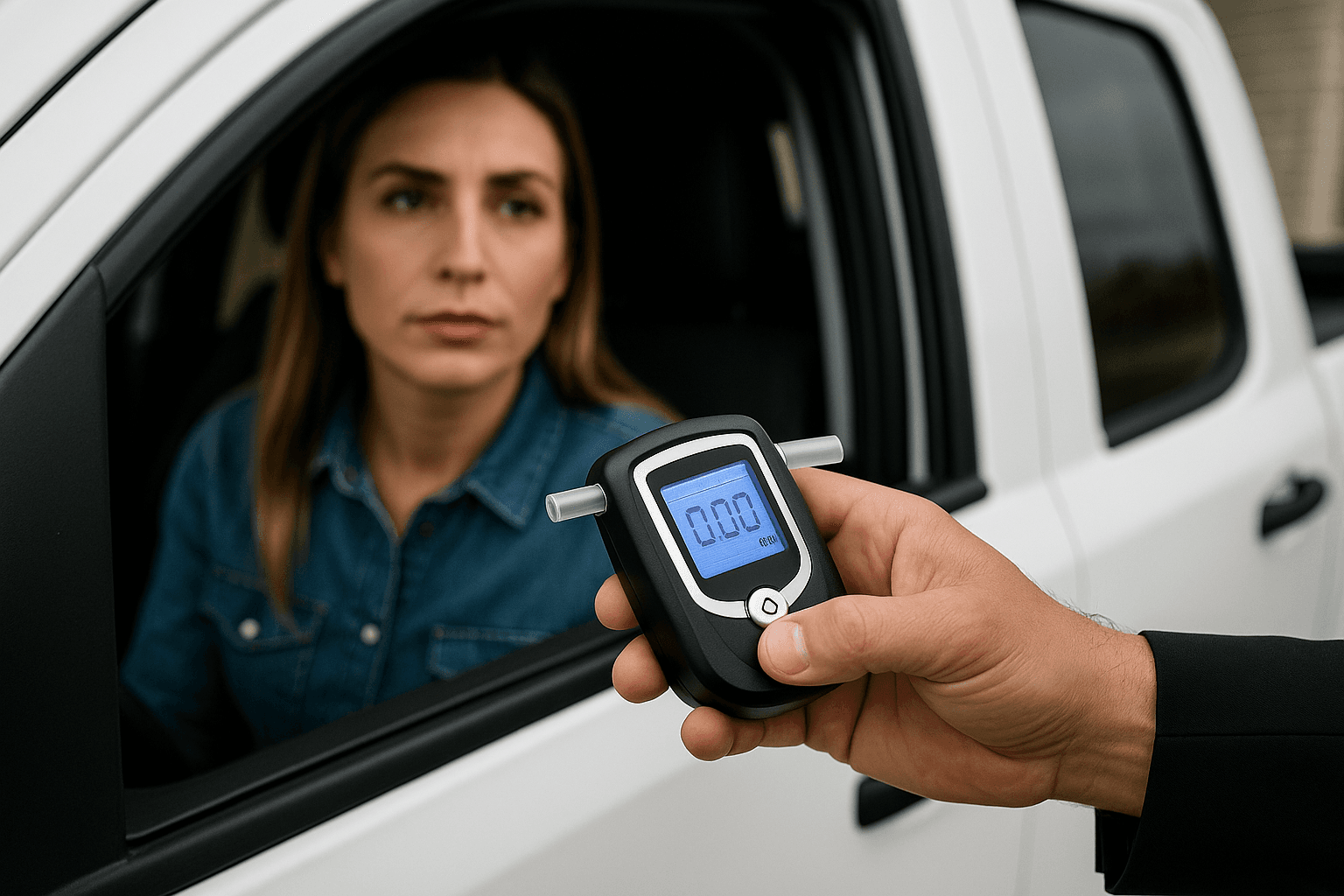
Second DUI suspensions trigger ignition interlock requirements even in states that made IID optional for first offenses. Georgia required IID for first-time DUI hardship applicants only if BAC exceeded 0.15. A second DUI makes IID mandatory regardless of BAC. Pennsylvania limited licenses after a second DUI require 12 months of ignition interlock before the judge will consider hardship approval—the device must be installed and reporting clean for a full year before you can apply.
IID costs stack on top of SR-22 and policy premiums. Installation: $100-$150. Monthly monitoring and calibration: $70-$100. Removal fee: $50-$75. Over 12 months, total IID cost runs $950-$1,300. Over 24 months: $1,780-$2,550. Those costs are non-negotiable and paid directly to the device vendor. Some states allow indigency waivers that reduce monthly fees to $40-$50, but you must apply separately through the court and provide income documentation.
IID violations during the hardship period extend the requirement. If you attempt to start the vehicle with alcohol detected, miss a scheduled calibration appointment, or tamper with the device, the monitoring authority reports the violation to the DMV. Most states add 3-6 months to your IID requirement per violation. Three violations typically trigger automatic hardship revocation and restart your full suspension period from zero.
Employer Verification Requirements Become More Detailed After Prior Violations
Second-time hardship applicants face stricter employer documentation requirements. The court wants proof that your job genuinely requires driving and that your employer knows about both suspensions. Most judges require an updated employer affidavit that includes: job title, hire date, work address, specific duties requiring driving, daily route description, start and end times for driving, and a statement that the employer has reviewed your driving record and accepts the liability of employing a restricted driver.
Some states require employer notarization. Illinois occupational license applications after a second suspension require the employer affidavit to be notarized within 30 days of the hearing date. If the affidavit is older than 30 days or lacks notarization, the judge continues the hearing and you reapply. Ohio employment driving privilege applications require the employer to attend the hearing in person or submit a video affidavit if the employer cannot appear. Written affidavits alone are insufficient after a second suspension in Franklin and Cuyahoga counties.
Judges scrutinize employment continuity. If you've changed jobs between the first suspension and the second, the judge wants to know why. Frequent job changes signal instability and reduce approval likelihood. If you're applying for hardship before you have a job offer, most states deny the petition outright—second-time applicants must show active employment at the time of application, not prospective employment.
Approved Driving Hours and Routes Narrow Substantially
Second-time hardship approvals typically restrict driving to narrower time windows and more specific routes than first-time permits allowed. Texas occupational licenses after a first DUI often approve driving 7 days per week, 6am-10pm, for work, school, and essential household duties. A second DUI approval might restrict driving to Monday-Friday, 7am-7pm, work commute only—no weekend driving, no household errands, no discretionary trips.
Route restrictions also tighten. Wisconsin occupational licenses after a first OWI allow 'direct and reasonable route' language, giving drivers latitude to stop for gas or daycare on the way home. A second OWI approval often specifies exact streets: 'Home address to employer address via Highway 41 and County Road M only. No deviations.' If you're stopped two blocks off the approved route, the officer can cite you for driving while suspended even if you're within approved hours.
Some states impose mileage radius limits after repeat violations. Indiana specialized driving privileges after a second suspension sometimes restrict driving to a 25-mile radius from home address. If your job is 30 miles away, the radius limit makes you ineligible. If you move to a new address farther from work, you must petition the court for route modification—not guaranteed and typically takes 30-45 days.
What Second-Suspension Filers Should Do Before Applying
Request your full driving record and prior hardship compliance history from the DMV before you apply. Most states charge $10-$15 for a certified driving abstract. Review it for accuracy. If your prior hardship license shows violations you don't recognize, file a record correction request before your hearing. Uncorrected errors become facts the judge assumes are true.
Complete all DUI school, treatment, or community service requirements before applying. Judges deny second-time hardship petitions when state-mandated programs are incomplete. Even if the suspension order allows concurrent hardship approval and program enrollment, judges treat second-time applicants differently—they want proof of completion, not promises of future compliance. If you're 8 weeks into a 12-week DUI program, wait until you finish before filing the hardship petition.
Secure SR-22 insurance and ignition interlock installation before the hearing if your state allows it. Some states require proof of SR-22 filing as a condition of hardship eligibility. Others allow provisional approval pending SR-22 setup. After a second suspension, assume the stricter rule applies—showing up to the hearing with SR-22 already active and IID already installed signals seriousness. Judges reward preparation. Showing up without coverage or device setup signals you're not ready, and the petition gets continued or denied.