
Your License Was Suspended and You Need to Drive to Work
You received notice that your Georgia driver's license is suspended for DUI or uninsured driving. Your job requires you to commute. You cannot keep the job without driving.
Georgia offers a Limited Driving Permit (LDP) issued by Superior Court that allows work commutes during suspension. Most petitions fail because the employer verification letter does not include the route-specific documentation judges require under Georgia court procedure—not DDS administrative rules.
Compare car insurance rates in your state
Get quotes from licensed carriers — no obligation, no spam, results in minutes.
Get Your Free QuoteGeorgia Reinstatement Fee
$200
Base DDS reinstatement fee for uninsured motorist suspensions applies after the suspension period ends. This is separate from the court petition fee for the Limited Driving Permit during suspension.
Georgia Department of Driver Services fee schedule
Georgia Issues Limited Driving Permits Through Superior Court, Not DDS
Georgia DDS does not issue hardship licenses administratively. Superior Court judges control all Limited Driving Permit outcomes through a petition process. You file a petition in the county where you reside, the court schedules a hearing, and the judge decides whether to grant work-driving privileges.
This court-only pathway creates unpredictable outcomes. Two drivers with identical DUI convictions and identical jobs may receive different LDP approvals in different counties. No statewide administrative standard exists. The judge's discretion governs.
The court defines approved purposes, approved hours, and approved routes on a case-by-case basis. Most judges limit the LDP to work commutes only—driving to and from work during specified hours. Some judges allow additional purposes such as medical appointments or court-ordered programs if the petition justifies them.
Georgia judges reject LDP petitions when the employer letter lacks a specific route map showing roads used, departure times, and return times for each workday.
What Your Employer Letter Must Include for Court Approval

The employer letter must state: your job title, work address, shift start and end times for each day of the week, and the specific roads you will travel from your residence to the work site. List every road by name. Generic phrases such as 'commute via highway' do not satisfy the court standard. Judges reject petitions lacking this level of detail because the LDP order must specify enforceable geographic boundaries.
If your job requires driving during work hours—delivery, service calls, client visits—the letter must describe those routes in the same detail. Most judges exclude mid-shift driving from work-only LDPs unless the employer documents that driving is an essential job function. Commission-based workers and gig workers face additional scrutiny because their hours do not fit a fixed schedule judges prefer.
Related Articles





SR-22 Filing Is Required for Virtually All Georgia LDP Cases
Georgia requires SR-22 proof-of-insurance filing for DUI-related suspensions and uninsured driving suspensions before the court will issue an LDP. You must obtain liability coverage from a carrier licensed to write high-risk policies in Georgia, request the SR-22 certificate, and have the carrier file it electronically with DDS.
SR-22 filing costs $25–$50 as a one-time fee. The liability premium itself increases significantly—drivers with DUI suspensions typically pay $140–$220 per month for minimum liability coverage in Georgia after SR-22 filing. The SR-22 requirement lasts three years from the reinstatement date, measured from when your full license is restored, not from the LDP issuance date.
If your SR-22 policy lapses or cancels during the three-year period, DDS receives automatic notice and re-suspends your license immediately. The LDP becomes void. You return to zero driving privileges until you refile SR-22 and petition the court again.
Georgia SR-22 Filing Duration
3 years
DUI and uninsured motorist suspensions require continuous SR-22 filing for three years after full license reinstatement. The clock starts when DDS reinstates the unrestricted license, not when the court issues the LDP.
Georgia Code § 40-5-57
Ignition Interlock May Be Required Under Georgia's 2024 IID Reform
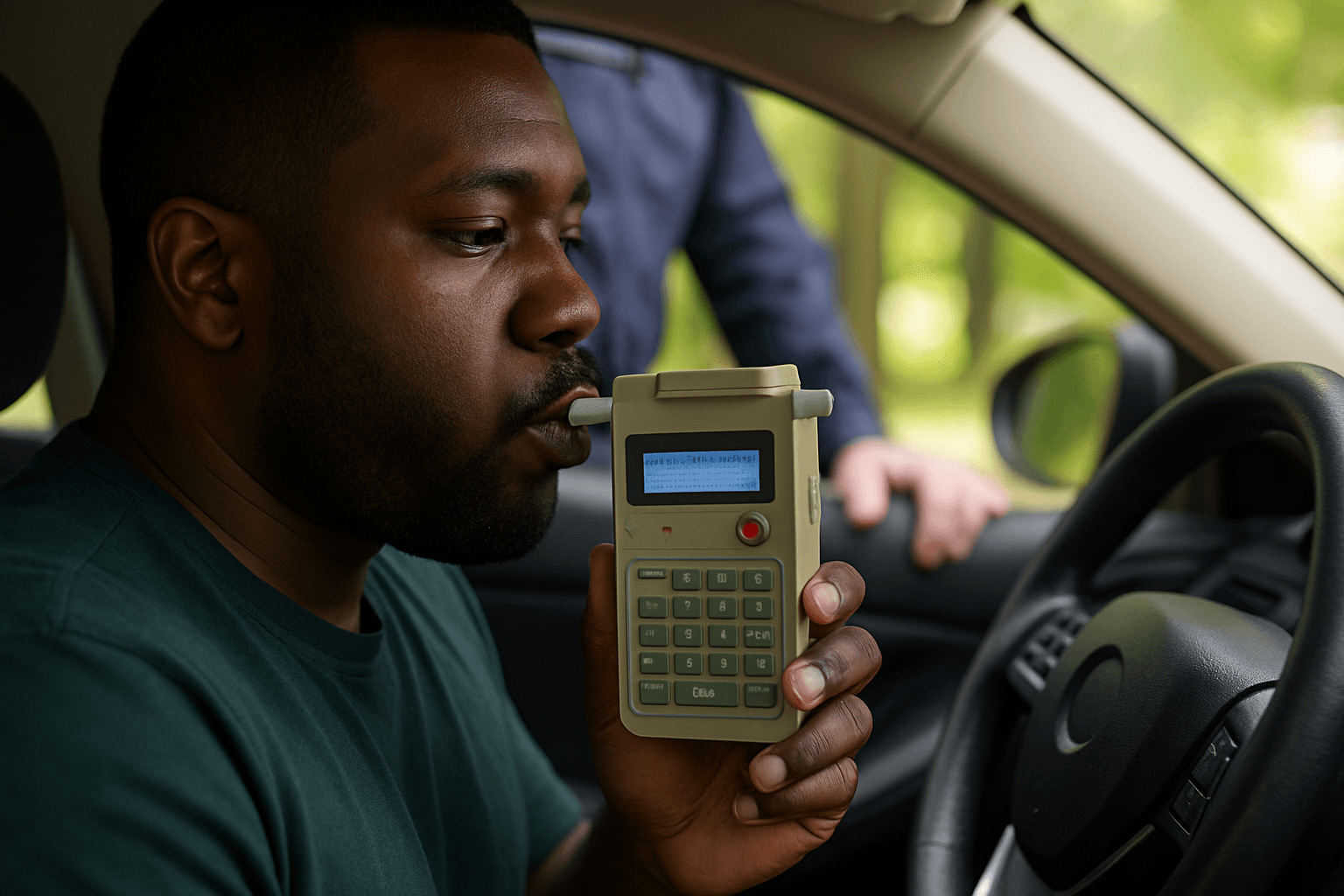
HB 205, effective July 1, 2024, created a separate Ignition Interlock Limited Driving Permit (IILDP) pathway for DUI arrestees. Drivers arrested for DUI may elect to install an ignition interlock device and receive immediate driving privileges rather than wait through the administrative license suspension process. This election bypasses the traditional hard suspension period but requires IID installation at the driver's expense.
If you are applying for a work-purposes LDP after a DUI conviction and the court orders ignition interlock as a condition of the permit, you must have the device installed before the LDP becomes effective. Installation costs $75–$150, plus monthly monitoring fees of $60–$90. The court order specifies the IID duration, which may extend beyond the LDP period itself.
File Your Petition, Obtain SR-22, and Prepare Route Documentation Now
Contact the Superior Court clerk in your county to obtain the LDP petition form. Submit the petition along with proof of SR-22 filing, the employer verification letter documenting your route, and any court-required fees. The court schedules a hearing, typically within 30–60 days depending on the county docket.
Prepare to explain your work need at the hearing. Bring copies of your work schedule, route maps, and any additional documentation showing why work driving is essential. If the judge grants the LDP, the order specifies approved hours and roads. Driving outside those boundaries voids the permit and triggers additional criminal charges.
If you need SR-22 insurance to meet the filing requirement before your petition hearing, compare Georgia carriers writing high-risk policies now. Delaying SR-22 setup delays the LDP process and extends the period you cannot drive to work.