District of Columbia Limited Permit applications require employer verification, SR-22 filing proof, and DMV-approved purpose documentation. The ignition interlock requirement applies to most DUI-related suspensions, even for work-only driving.
What the District of Columbia Limited Permit Actually Covers
The Limited Permit in DC authorizes driving for essential purposes: work, medical appointments, school, and other court or DMV-approved activities. It does not restore full driving privileges. Routes and hours are restricted to the purposes documented in your application.
DC DMV issues Limited Permits to drivers serving suspensions triggered by DUI, points accumulation, and other qualifying violations. Your suspension cause determines whether you face additional requirements like ignition interlock installation. Most DUI-related suspensions require IID before the Limited Permit is issued, not after.
The Limited Permit is designed for drivers who can demonstrate an essential need that cannot be met through public transit, rideshare, or other alternatives. Employers, schools, and medical providers must verify the need in writing. DC DMV reviews each application individually. Generic statements of inconvenience are not sufficient.
How to Apply for a Limited Permit Through DC DMV
You apply directly through the DC Department of Motor Vehicles. No court hearing is required unless your suspension was court-imposed rather than administrative. Start by requesting a copy of your driving record to confirm your suspension status, eligibility date, and any holds on your license.
Gather three categories of documentation before filing. First: proof of need. This means an employer letter on company letterhead stating your position, work address, hours, and why driving is necessary for the job. If you are applying for school or medical purposes, obtain equivalent verification from the institution or provider. Second: proof of financial responsibility. DC requires SR-22 insurance filing for most Limited Permit cases, particularly DUI-related suspensions. Your insurer files the SR-22 certificate electronically with DC DMV. Third: proof of ignition interlock installation if your suspension was DUI-related. The IID vendor provides a compliance certificate after installation.
Submit the completed Limited Permit application form along with all supporting documents at a DC DMV service center. Processing typically takes 10 to 20 business days, though this varies depending on case complexity and current DMV workload. You cannot drive legally until the Limited Permit is physically issued and in your possession.
If your application is denied, DC DMV will send a written explanation. Common denial reasons include incomplete employer verification, missing SR-22 filing, failure to install required IID, unpaid fines or fees, and applications filed before eligibility windows expire. Address the specific deficiency cited and reapply.
Compare car insurance rates in your state
Get quotes from licensed carriers — no obligation, no spam, results in minutes.
Get Your Free Quote✓ No Obligation Required✓ Licensed Carriers Only✓ Available Nationwide✓ Free to Compare
Ignition Interlock Requirement for DUI Suspensions
DC requires ignition interlock installation before issuing a Limited Permit for DUI-related suspensions. This is not optional. You must contract with a DC DMV-approved IID vendor, have the device installed in the vehicle you will drive, and submit the vendor's installation certificate as part of your Limited Permit application.
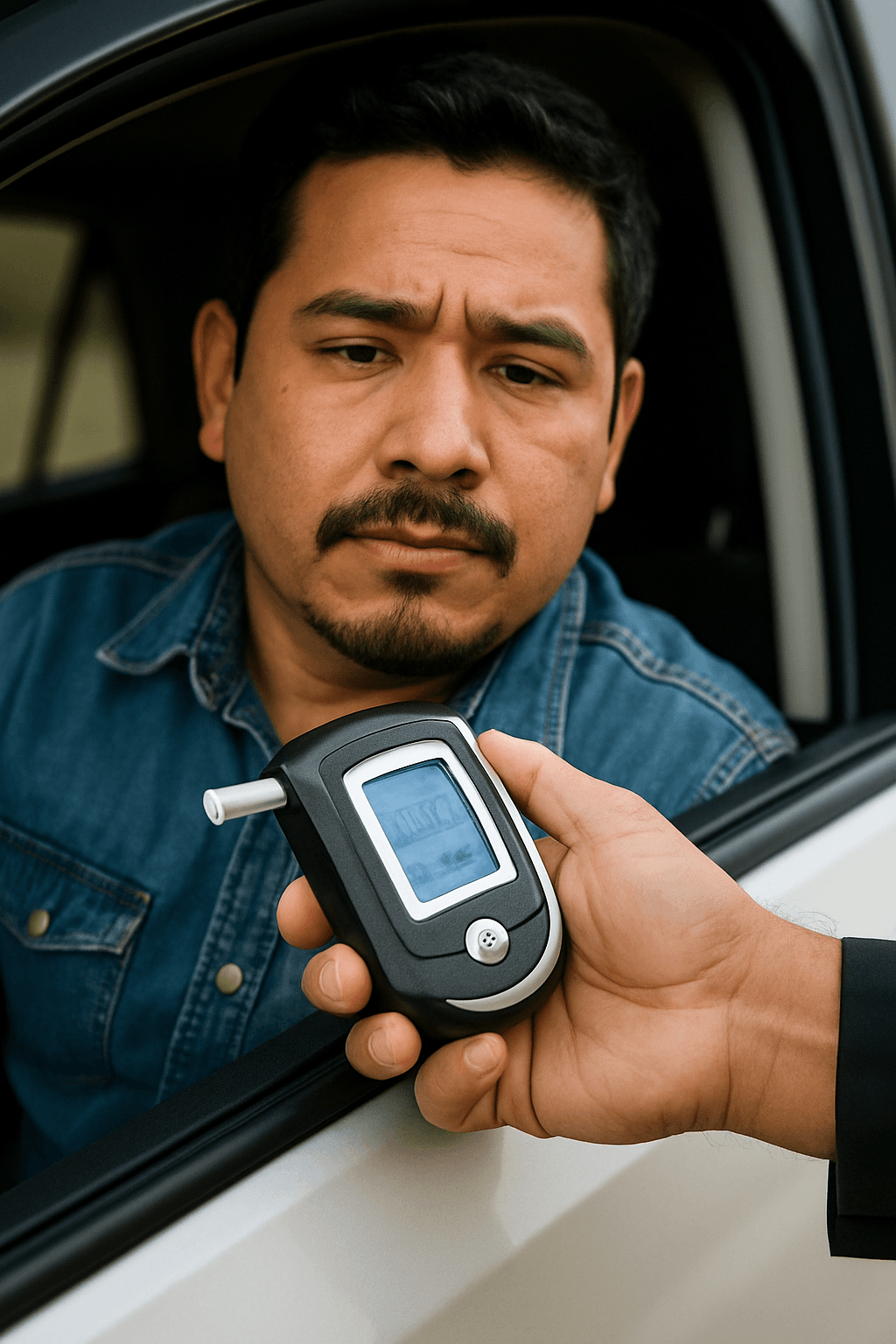
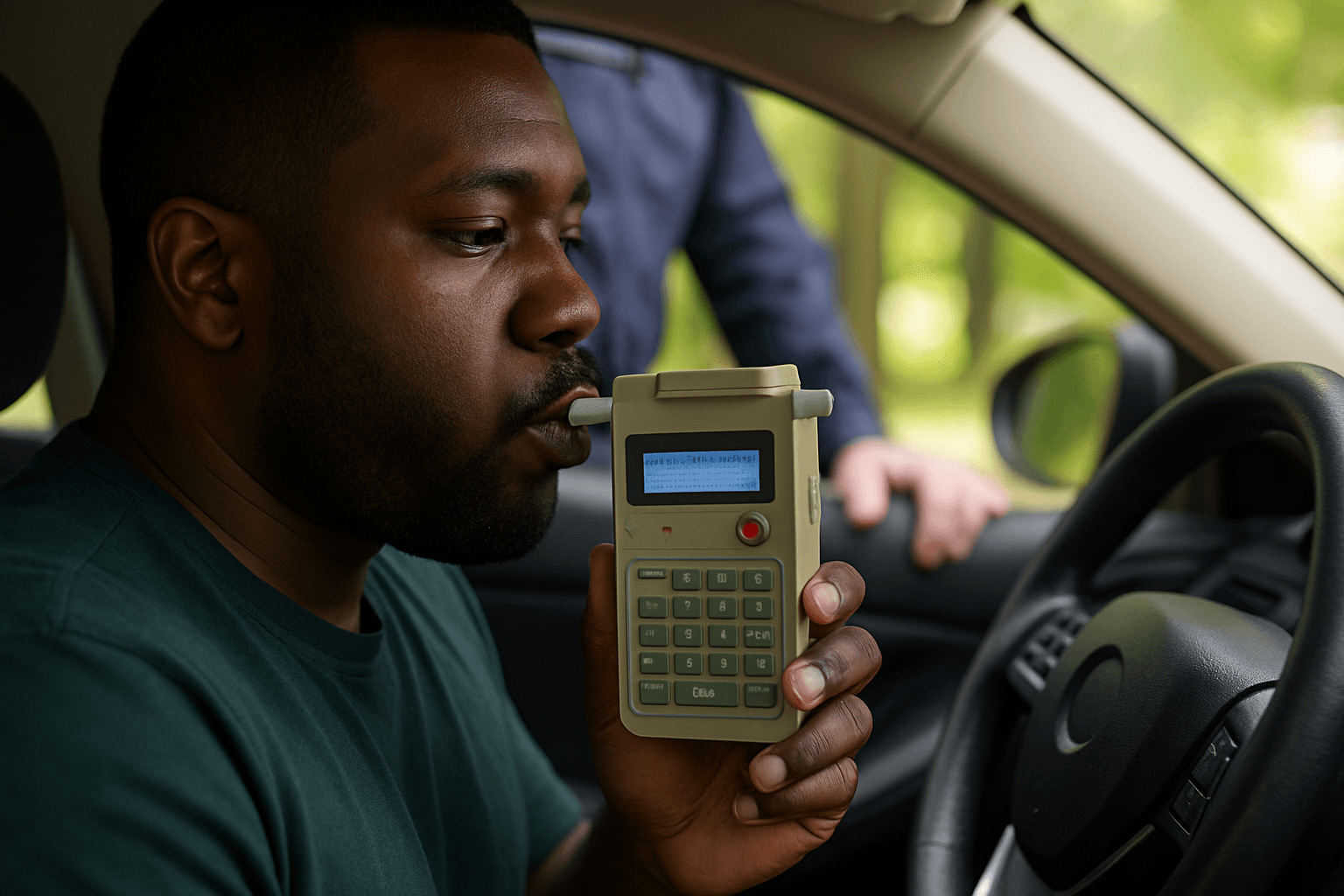
The interlock device tests your breath alcohol concentration before the engine starts and at random intervals while driving. Failed tests, missed rolling retests, and tampering attempts are logged and reported to DC DMV. These violations can result in Limited Permit revocation and extension of your overall suspension period.
Installation costs typically range from $70 to $150, with monthly monitoring fees of $60 to $90. These costs are separate from your Limited Permit application fee and SR-22 insurance premium. Budget for the full duration of your filing period, not just the Limited Permit phase. DC's 2015 Comprehensive Impaired Driving and Alcohol Testing Program Amendment Act expanded interlock requirements significantly; if your suspension predates that law, verify current requirements directly with DC DMV before assuming older rules still apply.
SR-22 Filing for Limited Permit Insurance Compliance
DC requires SR-22 certificate of financial responsibility for most Limited Permit cases. SR-22 is not a type of insurance. It is a filing your insurer submits to DC DMV certifying that you carry at least the minimum required liability coverage: $25,000 bodily injury per person, $50,000 bodily injury per accident, and $10,000 property damage.
Not all carriers write SR-22 policies for suspended drivers. State Farm, GEICO, Progressive, and The General write SR-22 in DC and accept applications from drivers with DUI or points-related suspensions. National General also writes SR-22 for after-DUI cases. If your current carrier will not file SR-22, you must switch before applying for a Limited Permit.
SR-22 filing fees range from $15 to $50 depending on the carrier. Your premium will be higher than standard rates because of your suspension history. Typical SR-22 premiums for suspended drivers in DC range from $140 to $240 per month, depending on your violation type, age, and prior coverage history. Estimates vary; individual quotes depend on your full profile.
DC typically requires SR-22 filing for 3 years following DUI convictions, measured from the conviction date. If your SR-22 lapses due to nonpayment or cancellation, DC DMV is notified electronically and your Limited Permit is revoked immediately. Reinstating after an SR-22 lapse requires starting the filing period over in most cases.
What Happens If You Drive Outside Approved Purposes
The Limited Permit authorizes driving only for the purposes documented in your application. Driving outside approved hours, deviating from approved routes, or using the vehicle for personal errands not listed on your permit is a violation. If stopped by law enforcement, you must provide both the Limited Permit and documentation supporting your current trip purpose.
Violations result in permit revocation and additional suspension time. DC DMV does not issue warnings for first violations. Your employer cannot expand your approved purposes retroactively; any change in work schedule, job site, or driving need requires filing an amendment with DC DMV before the new driving occurs.
CDL holders face an additional restriction: the Limited Permit does not authorize commercial driving. Even if your job requires operating a commercial vehicle, the Limited Permit covers only personal-vehicle operation for commuting to and from the job site. If your employment depends on holding an active CDL with no restrictions, the Limited Permit will not meet that requirement.
Reinstatement After the Limited Permit Period Ends
The Limited Permit does not shorten your suspension. It allows restricted driving during the suspension period. Once your full suspension term is complete, you must apply for full license reinstatement separately.
Reinstatement requires paying a $98 base fee, completing any required alcohol or drug education programs (mandatory for DUI suspensions), resolving all outstanding fines or tickets, and maintaining continuous SR-22 filing through the end of your required filing period. If your SR-22 lapsed at any point during suspension, the filing period restarts from the lapse date.
DC DMV will not reinstate your license until all conditions are satisfied. Processing takes 7 to 14 business days after submitting a complete reinstatement packet. Verify current requirements at dmv.dc.gov before filing; fee schedules and program details are updated periodically.