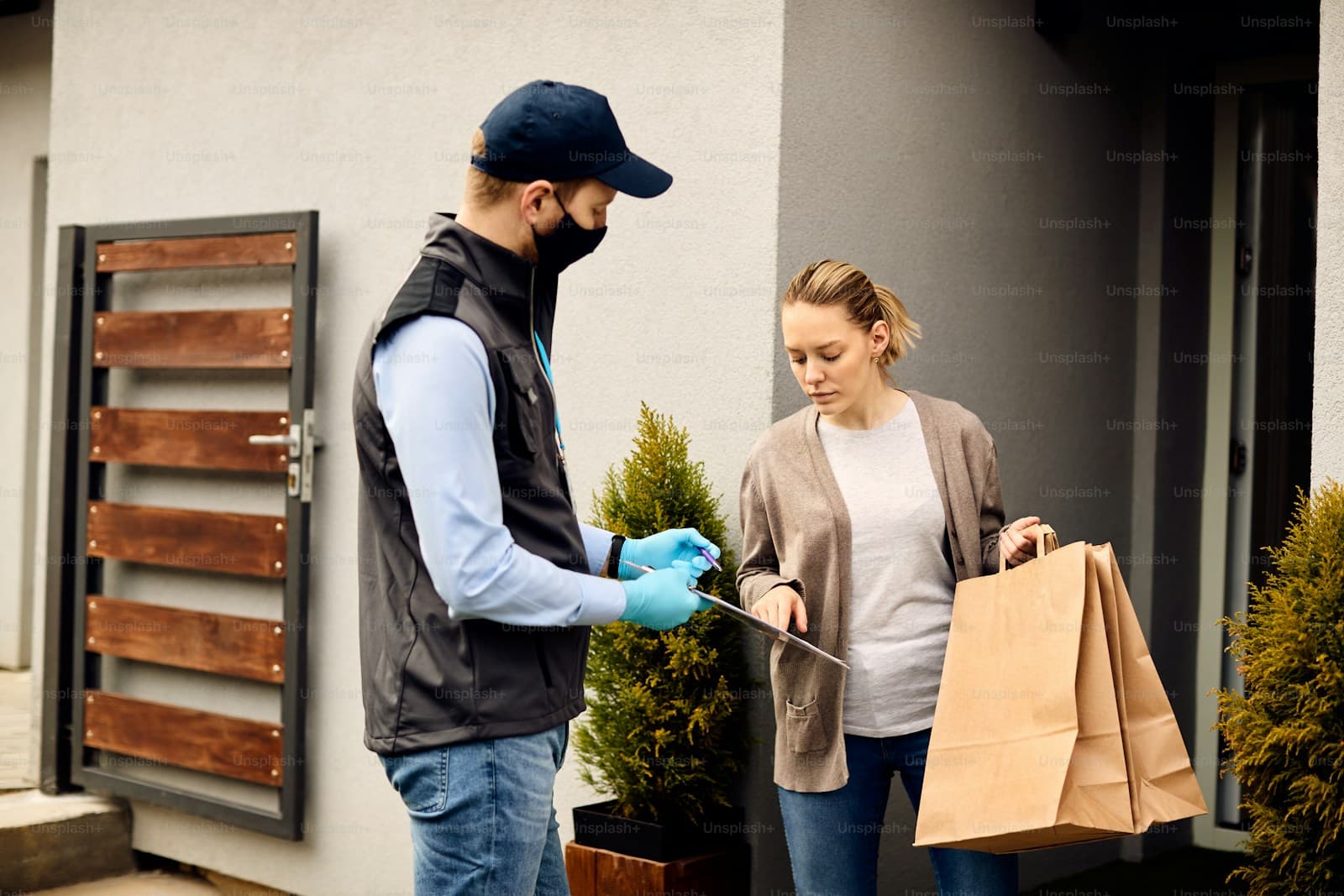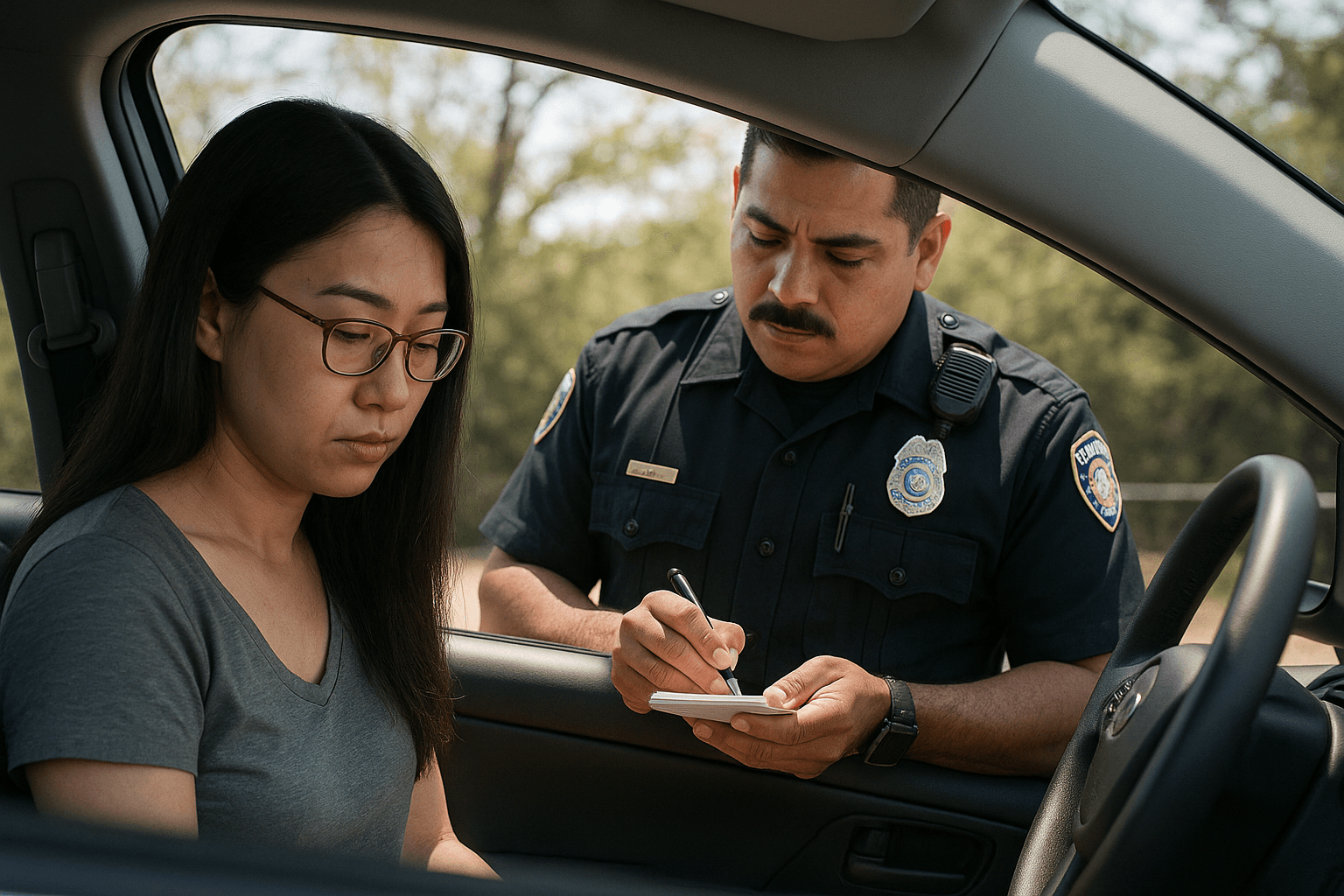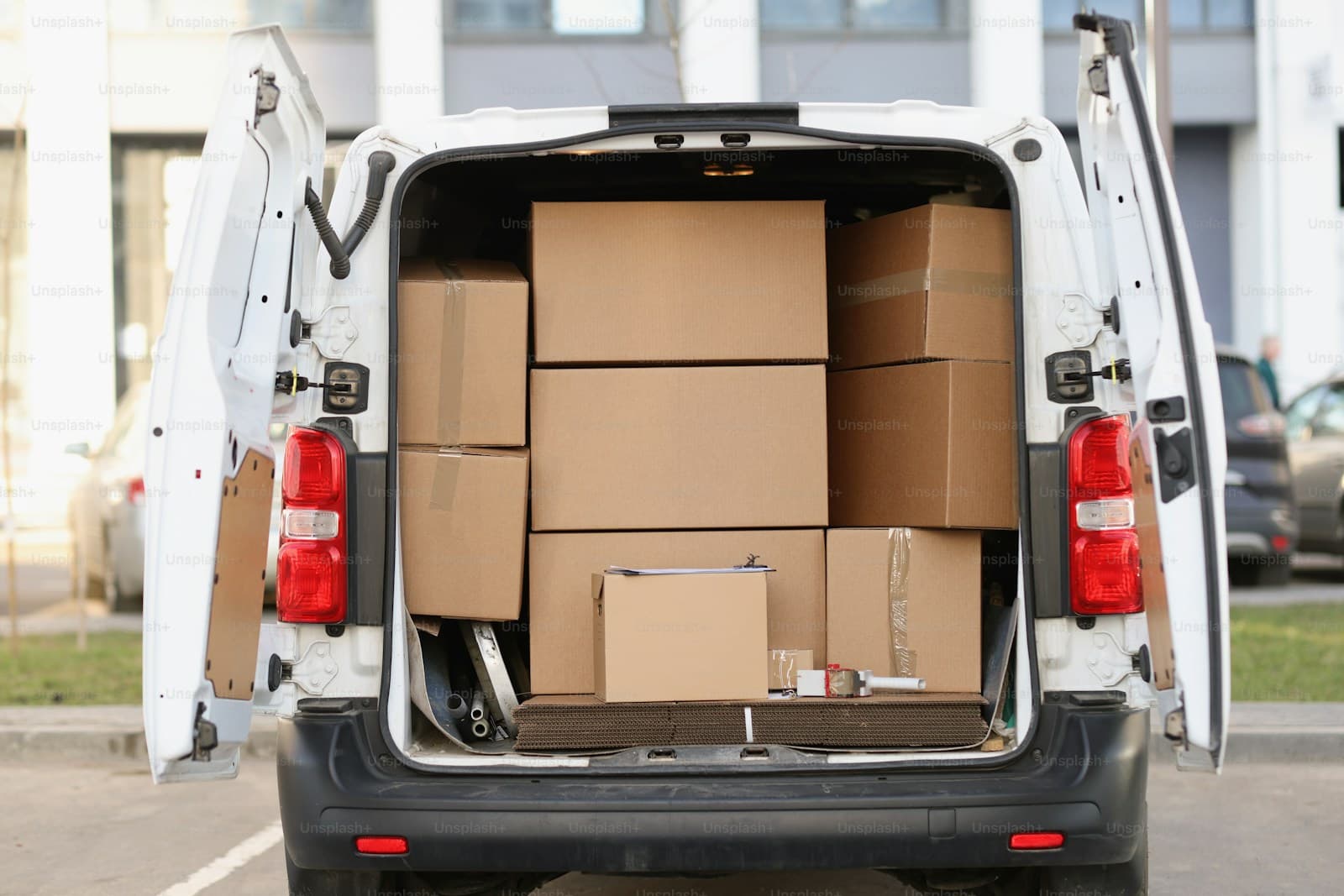
Texas courts routinely approve Occupational Driver Licenses for delivery drivers commuting in personal vehicles, but most petitions fail to document the distinction between driving to the hub and driving the route during shift — a gap that triggers denial even when employment need is genuine.
Why Texas ODL Petitions from Delivery Drivers Get Denied Despite Genuine Work Need
Texas courts grant Occupational Driver Licenses for delivery drivers who use personal vehicles to commute to distribution hubs or staging locations, but deny petitions that fail to separate commute driving from on-shift route driving. The distinction matters because ODL eligibility rests on essential-need travel, not on performing job functions that require driving as the primary task. When a petition lumps "driving to work" together with "driving during work to deliver packages," judges see a request to authorize commercial activity under a personal hardship license — a use category Texas law does not permit.
Most delivery-driver petitions describe the job as "delivery driver for [company]" and list work hours as "6 AM to 4 PM, Monday through Friday." That framing signals the petitioner will be driving throughout the shift, not just to and from a fixed location. The court reads this as asking for authorization to operate commercially under an ODL, which conflicts with the essential-need doctrine. Courts approve ODLs for driving to work, school, medical appointments, and performance of essential household duties — activities where driving is incidental to the purpose. They reject petitions where driving is the purpose.
The gap appears because gig-economy and last-mile delivery roles blur the line between commute and commercial operation. A FedEx Ground driver employed by a contractor, an Amazon Flex driver, or a DoorDash driver all use personal vehicles, but their employment relationships and shift structures differ. The court does not care whether the driver is W-2 or 1099, or whether the vehicle is personal or leased. The court cares whether the petition asks for authorization to drive as the job or authorization to drive to the job. The former gets denied. The latter gets approved if documentation is clear.
How to Frame Commute-Only Use When Your Job Is Delivery
Petitions succeed when employment verification letters describe the delivery role in two distinct phases: commute to hub or staging location, and on-shift route driving performed under a different insurance policy or as a company vehicle operation. The letter must state that the ODL holder will drive their personal vehicle only to and from the hub, and that all delivery driving during the shift occurs either in a company vehicle, under the employer's commercial policy, or is not the petitioner's responsibility under the ODL.
This framing is honest for Amazon Flex drivers who pick up packages at a warehouse, drivers employed by FedEx Ground contractors who report to a dispatch center, and grocery-delivery drivers who start shifts at a store location. The personal-vehicle commute to that fixed location is ODL-eligible. The delivery driving after clocking in is not covered under the ODL, and the petition does not ask the court to authorize it. If the employer provides a vehicle or commercial insurance for the route portion, the letter should state that explicitly. If the driver is responsible for delivery driving under their own policy, that activity must occur under full licensure after reinstatement — not under the ODL.
The petition must list the hub address as the work location, not "various locations" or "customer delivery zones." Route driving implies geographic variability the court cannot define in an order. Driving to 1234 Distribution Parkway at 5:45 AM and leaving at 2:30 PM is documentable. Driving within a 15-mile delivery radius from 6 AM to 2 PM is not. Courts issue orders specifying routes and times. If the destination changes daily, the court cannot write a compliant order.
Compare car insurance rates in your state
Get quotes from licensed carriers — no obligation, no spam, results in minutes.
Get Your Free Quote✓ No Obligation Required✓ Licensed Carriers Only✓ Available Nationwide✓ Free to Compare
What Happens If You Drive Delivery Routes on an ODL Approved for Commute Only
Operating outside the court-defined essential-need routes and hours written into the ODL order is a criminal offense under Texas Transportation Code. If a driver with an ODL approved for "driving to and from 1234 Distribution Parkway, Monday through Friday, 5:30 AM to 6:30 AM and 2:00 PM to 3:00 PM" is stopped during a delivery at 10 AM five miles from the hub, the officer will verify the ODL restrictions in the system. The stop occurred outside approved hours and outside the approved location. The driver is now operating on a suspended license with an invalid hardship authorization.
The consequence is immediate ODL revocation, a new criminal charge for driving while license invalid, and ineligibility to petition for another ODL during the remainder of the suspension period. The original suspension period does not reset, but the path to hardship relief closes. The driver must serve the full suspension term without work-driving privileges. This outcome is common enough that some delivery employers explicitly prohibit ODL holders from driving during shifts, even if the employee believes their personal policy covers the activity.
Texas DPS and local law enforcement treat ODL violations seriously because the program exists as an exception to suspension, not a workaround. Judges who approve petitions expect drivers to comply strictly with the terms written in the order. Violating those terms signals the driver is not complying with court supervision, which harms future hardship applications even after reinstatement. Employers who discover an ODL holder drove delivery routes during a shift often terminate immediately to avoid liability exposure.
SR-22 Filing Requirements for Delivery Drivers on ODL
Every ODL holder in Texas must maintain an SR-22 certificate of financial responsibility throughout the ODL term, regardless of the suspension cause. The SR-22 filing demonstrates continuous liability coverage at Texas minimums: $30,000 per person, $60,000 per accident for bodily injury, and $25,000 for property damage. The filing fee is typically $15 to $50 depending on the carrier, and the premium impact of SR-22 status ranges from $40 to $120 per month above standard rates.
Delivery drivers face a complication most ODL holders do not: their personal auto policy may exclude commercial use or gig-work driving, even if the policy is active and SR-22 compliant. If the policy excludes delivery activity and the driver is stopped during a delivery, the SR-22 filing is valid but coverage for that incident is not. The carrier will confirm SR-22 status to DPS but deny the claim, leaving the driver personally liable. This creates a gap between maintaining the SR-22 requirement for ODL eligibility and maintaining actual coverage for on-shift activity.
Drivers who intend to perform delivery work during the suspension period need to disclose that activity to the carrier writing the SR-22 policy. Most standard carriers will not write SR-22 policies for drivers with commercial or gig-work exposure during an active suspension. Non-standard carriers like Dairyland, GAINSCO, Bristol West, and Direct Auto write high-risk SR-22 policies and some will underwrite delivery-driver risk, but premiums typically double when commercial use is disclosed. The policy must cover both personal commute driving under the ODL and any delivery activity the driver performs outside ODL hours if the driver plans to resume delivery work before full reinstatement.
Employer Verification Letter Content That Courts Actually Approve
The employer verification letter is the single most important document in a delivery-driver ODL petition. Courts deny petitions with generic letters stating "employee works as a delivery driver" because that description does not distinguish commute from route activity. The letter must describe the work location, the employee's arrival and departure times, the fact that the employee drives a personal vehicle only to and from that location, and what vehicle or policy covers delivery activity during the shift.
A compliant letter for an Amazon Flex driver might read: "[Driver name] is employed as a package delivery associate. The employee reports to Amazon Warehouse DTX5 at 1234 Distribution Parkway, Dallas, TX 75001, Monday through Friday, arriving between 5:30 AM and 6:00 AM and departing between 2:00 PM and 3:00 PM. The employee drives their personal vehicle to and from the warehouse only. All package delivery driving during the shift is performed using the employee's personal vehicle under their own insurance policy, which includes commercial-use coverage. The employee's continued employment depends on their ability to commute to the warehouse location."
That framing gives the court the fixed location, the narrow time windows for commute driving, and clarity that delivery activity is not being authorized under the ODL. If the employer provides a vehicle or commercial policy for route driving, the letter should state that instead: "All package delivery driving during the shift is performed in a company vehicle insured under the employer's commercial policy." If the driver is 1099 and uses their own vehicle under their own policy for deliveries, the letter must state that delivery driving occurs under separate coverage and is not part of the ODL request.
Letters from DoorDash, Uber Eats, Instacart, and similar gig platforms rarely provide this level of detail because those companies do not treat drivers as employees with fixed locations. Drivers in purely gig roles face a harder path to ODL approval unless they can document a primary staging location and fixed commute window, or unless they have a second W-2 job with a fixed location and can petition based on that role instead.
CDL Holders and Delivery-Job ODL Petitions
Texas ODL orders cannot restore or substitute for a suspended or disqualified Commercial Driver License. A driver whose Class A or Class B CDL is suspended or disqualified under federal FMCSA rules cannot use an ODL to drive commercially, even if the underlying suspension is state-level and the ODL petition is approved. The ODL restores only Class C personal driving privileges within the court-defined restrictions. It does not authorize operation of commercial motor vehicles as defined under 49 CFR 383.
Delivery drivers with CDL credentials who lose their license due to a personal-vehicle DUI face this complication frequently. The DUI triggers both a state suspension of the Class C license and a federal disqualification of the CDL under 49 CFR 383.51. The driver can petition for an ODL to commute to work in a personal vehicle, but cannot use the ODL to drive a semi, a box truck over 26,001 pounds, or any vehicle requiring a CDL. If the delivery job requires CDL operation, the ODL does not solve the employment problem.
Some delivery employers allow CDL holders to work in non-CDL roles during suspension, such as warehouse sorting or local delivery in vehicles under CDL weight thresholds. In those cases, the ODL petition should describe the non-CDL role and the personal-vehicle commute to that role, not the driver's CDL credentials or prior commercial work. The petition is stronger when it avoids mentioning CDL status entirely, because courts sometimes conflate CDL suspension with ineligibility for any hardship relief, even though that is not the statutory rule.
What to Do Right Now If You Need an ODL for Delivery-Job Commute
Obtain an employer verification letter that describes your work location as a fixed address, your commute arrival and departure windows, and clarifies that you drive your personal vehicle only to and from that location. If your job involves delivery driving during the shift, the letter must state what vehicle or policy covers that activity and confirm it is not part of the ODL request. If your employer will not provide a letter with that level of detail, your petition will likely be denied.
Contact a non-standard carrier that writes SR-22 policies in Texas and disclose your delivery-job activity honestly. Ask whether the policy will cover personal commute driving under an ODL and whether it excludes or includes delivery work performed in your personal vehicle. If the carrier excludes commercial use, you need a separate policy or endorsement for delivery activity, or you need to stop performing delivery work until full reinstatement. If the carrier includes commercial use, confirm that in writing and expect premiums in the $180 to $300 per month range for SR-22 plus delivery exposure.
File your ODL petition in the county where you reside or where the suspension was issued. Attach the employer verification letter, proof of SR-22 filing, proof of ignition interlock installation if required by statute or prior court order, and a proposed order listing the fixed work address and narrow commute time windows. Courts process ODL petitions within 10 to 30 days depending on county docket load. If the petition is denied, the court will state the reason. Most denials are curable by revising the employer letter or clarifying the scope of driving requested.