Your hardship license allows you to drive to work, but your insurance carrier may have just sold you compliance-only coverage that doesn't actually pay for accidents during those approved trips. Here's what you're actually buying.
What Compliance-Only Work Coverage Actually Means
Compliance-only coverage satisfies your state's SR-22 filing requirement without providing collision or comprehensive protection during the work trips your hardship license permits. You carry the minimum liability limits your state mandates, the carrier files proof of insurance with the DMV, and your suspension reinstatement pathway remains open. The policy does not pay for damage to your vehicle if you wreck during your commute. It does not cover theft, vandalism, or glass damage. It protects other drivers if you cause an accident, but it leaves you financially exposed for everything else.
Most carriers frame this as a bridge product for drivers who own older vehicles and cannot afford full coverage premiums during the hardship period. The premium runs lower because the carrier's risk exposure is capped at state minimum liability limits. You're trading vehicle protection for affordability, which works if your car is worth less than the annual premium difference between compliance-only and full coverage. It breaks down when the vehicle you depend on for work becomes undriveable after a non-fault accident and you have no collision coverage to replace it.
The compliance framing is accurate: this coverage keeps your hardship license valid. The work framing is misleading: the policy does not cover work-related risks beyond liability. If your job requires driving during work hours and you hit someone while running a delivery, your liability coverage applies. If someone hits you in a parking lot during that same delivery and your car is totaled, compliance-only coverage pays nothing for your vehicle.
How Compliance-Only Policies Interact with Hardship License Restrictions
Your hardship license restricts you to approved routes and approved hours, typically commute paths and work shifts documented in your employer verification letter. Compliance-only coverage does not impose additional restrictions beyond what your hardship license already requires. The policy covers liability during any legal trip under your hardship terms. The gap appears when something happens to your vehicle during a legal trip and you realize liability-only means exactly that.
Some states structure hardship licenses to include household errands, medical appointments, or education in addition to work trips. Texas occupational licenses, for example, permit driving for essential household duties and child transportation within documented time windows. Compliance-only coverage remains liability-only for all of those approved purposes. The policy does not track your hardship restrictions; it simply excludes first-party physical damage coverage regardless of trip purpose.
Carriers do not verify that your trip complies with hardship terms before paying a liability claim. If you cause an accident during an approved work trip, your liability coverage applies. If you cause an accident outside approved hours and the other driver sues, your carrier still defends the claim and pays up to policy limits, but your hardship license violation becomes a separate legal problem with the DMV. Compliance-only framing does not mean the policy only covers you during compliant trips. It means the policy only covers compliance with state minimum insurance requirements.
Compare car insurance rates in your state
Get quotes from licensed carriers — no obligation, no spam, results in minutes.
Get Your Free Quote✓ No Obligation Required✓ Licensed Carriers Only✓ Available Nationwide✓ Free to Compare
What Happens When You Wreck During an Approved Commute
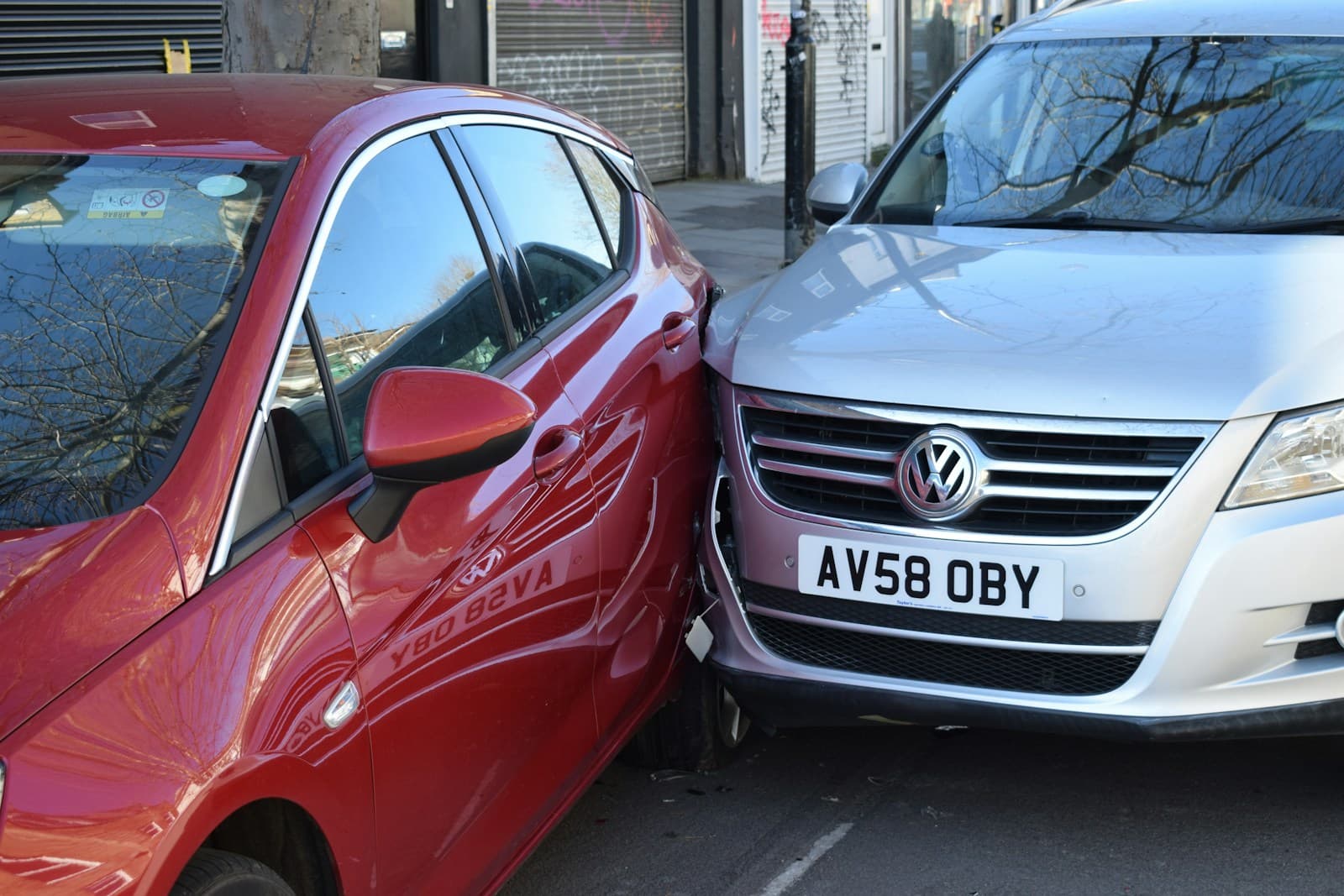
You leave for work at 6:00 a.m., within your approved hardship commute window. A deer jumps in front of your car on the route documented in your employer affidavit. Your vehicle is totaled. Your compliance-only policy pays nothing for the vehicle because you carry no collision coverage. You file a claim and the adjuster reminds you that liability-only means the carrier only pays for damage you cause to others, not damage to your own property. The deer is an at-fault party with no insurance, so you have no one to subrogate against. Your car is gone and you have no transportation to the job your hardship license was designed to protect.
This is the structural gap compliance-only coverage creates. The policy keeps your hardship license valid, but it does not protect the transportation asset the hardship license depends on. Most drivers in this position assume that because they were driving legally under hardship terms, their insurance must cover the accident. The hardship license and the insurance policy operate in separate legal domains. One permits you to drive; the other determines who pays when something goes wrong.
Non-fault accidents create the same outcome. Someone rear-ends you during your morning commute. Your compliance-only policy covers your liability exposure, which is zero because you did not cause the accident. The at-fault driver's carrier owes you compensation, but that process takes weeks and requires the other driver to carry adequate limits. If the other driver is uninsured or underinsured, your compliance-only policy includes no uninsured motorist property damage coverage unless you purchased it as an optional endorsement. Your vehicle sits undriveable while you wait for a claims resolution that may never cover replacement cost.
When Compliance-Only Coverage Makes Sense and When It Doesn't
Compliance-only coverage works for drivers whose vehicles are worth less than the cost of six months of full coverage premiums. If your car is worth $1,200 and full coverage costs $250 per month while compliance-only costs $110 per month, paying an extra $840 over six months to insure a $1,200 asset is a losing financial position. You're better off banking the premium difference and replacing the vehicle out of pocket if something happens. Compliance-only also works for drivers who have access to backup transportation during the claims process after a loss. If your household has a second vehicle or your employer can adjust your schedule temporarily, the gap risk is lower.
Compliance-only coverage fails for drivers whose vehicles are worth more than $3,000 and who have no financial cushion to replace transportation after a total loss. It fails for drivers whose jobs are commission-based or gig-work dependent, where missing even a week of driving eliminates income entirely. It fails for drivers in rural areas where commutes are long, deer strikes are common, and public transit does not exist as a fallback. The risk is not just the vehicle; it's the income collapse that follows when you lose the transportation your job depends on.
Some carriers offer a middle option: liability coverage with uninsured motorist property damage and comprehensive-only coverage. Comprehensive covers theft, vandalism, fire, glass damage, and animal strikes without covering at-fault collisions. The premium sits between compliance-only and full coverage, typically $30 to $60 per month more than liability-only. This structure protects you from the deer-strike scenario and the parking lot theft scenario without paying for collision coverage you may not need if you drive carefully. If your vehicle is worth protecting but you're trying to minimize premium cost during the hardship period, comprehensive-only makes more sense than pure compliance.
How to Verify What Your Policy Actually Covers
Your declarations page lists every coverage you carry and every coverage you declined. Look for the line items labeled Collision and Comprehensive. If those lines show zero or are absent entirely, you have compliance-only coverage regardless of what your agent called the policy when you purchased it. Liability limits appear as split numbers like 25/50/25 or 30/60/25, which represent bodily injury per person, bodily injury per accident, and property damage per accident in thousands of dollars. Those limits protect other people; they do not protect your vehicle.
Uninsured motorist coverage and underinsured motorist coverage appear as separate line items, sometimes abbreviated as UM and UIM. These coverages protect you when the at-fault driver has no insurance or insufficient insurance, but the protection is limited to bodily injury in most states unless you purchased uninsured motorist property damage as an optional endorsement. That endorsement, abbreviated UMPD, covers your vehicle when an uninsured driver hits you. If your declarations page shows no UMPD line, you have no vehicle protection in uninsured driver scenarios even if you carry UM bodily injury coverage.
Call your carrier if the declarations page is unclear. Ask the specific question: if I hit a deer during my approved commute and my car is totaled, does this policy pay for my vehicle? The answer will be no if you carry compliance-only coverage. Ask the follow-up: if an uninsured driver totals my car during my commute, does this policy pay for my vehicle? The answer will be no unless you carry UMPD. These questions force the agent to confirm what the policy excludes, which is more useful than asking what it includes. Compliance-only framing emphasizes what the policy does; you need to know what it does not do.
What to Do If Compliance-Only Leaves You Underinsured
Request a quote from your current carrier for comprehensive-only coverage added to your existing liability policy. Comprehensive premiums are lower than collision premiums because the carrier is not covering at-fault accidents, only events outside your control like theft and animal strikes. The cost difference between compliance-only and compliance-plus-comprehensive typically ranges from $25 to $50 per month for drivers with hardship licenses. That increment buys meaningful protection for the vehicle your work commute depends on.
If comprehensive-only still costs too much, prioritize uninsured motorist property damage coverage. UMPD premiums run $10 to $20 per month in most states and cap at a lower limit than full collision coverage, often $3,500 or $5,000 maximum payout. That coverage does not help in deer-strike scenarios, but it protects you when another driver causes the accident and has no insurance to pay your claim. Uninsured driver rates are higher in non-standard insurance pools, which is where most hardship license holders buy coverage, so the risk exposure is real.
If your budget cannot support any coverage beyond compliance minimums, document your vehicle's condition with photos and store them with your title and registration. If the vehicle is totaled and you have no coverage, you will need proof of pre-loss condition for any potential sale of the wreck to a salvage buyer. Some drivers in compliance-only positions negotiate backup transportation arrangements with family members or coworkers before a loss happens, so the income disruption is contained to days instead of weeks. The hardship period is temporary; the goal is to survive it without losing the job that makes reinstatement financially viable.