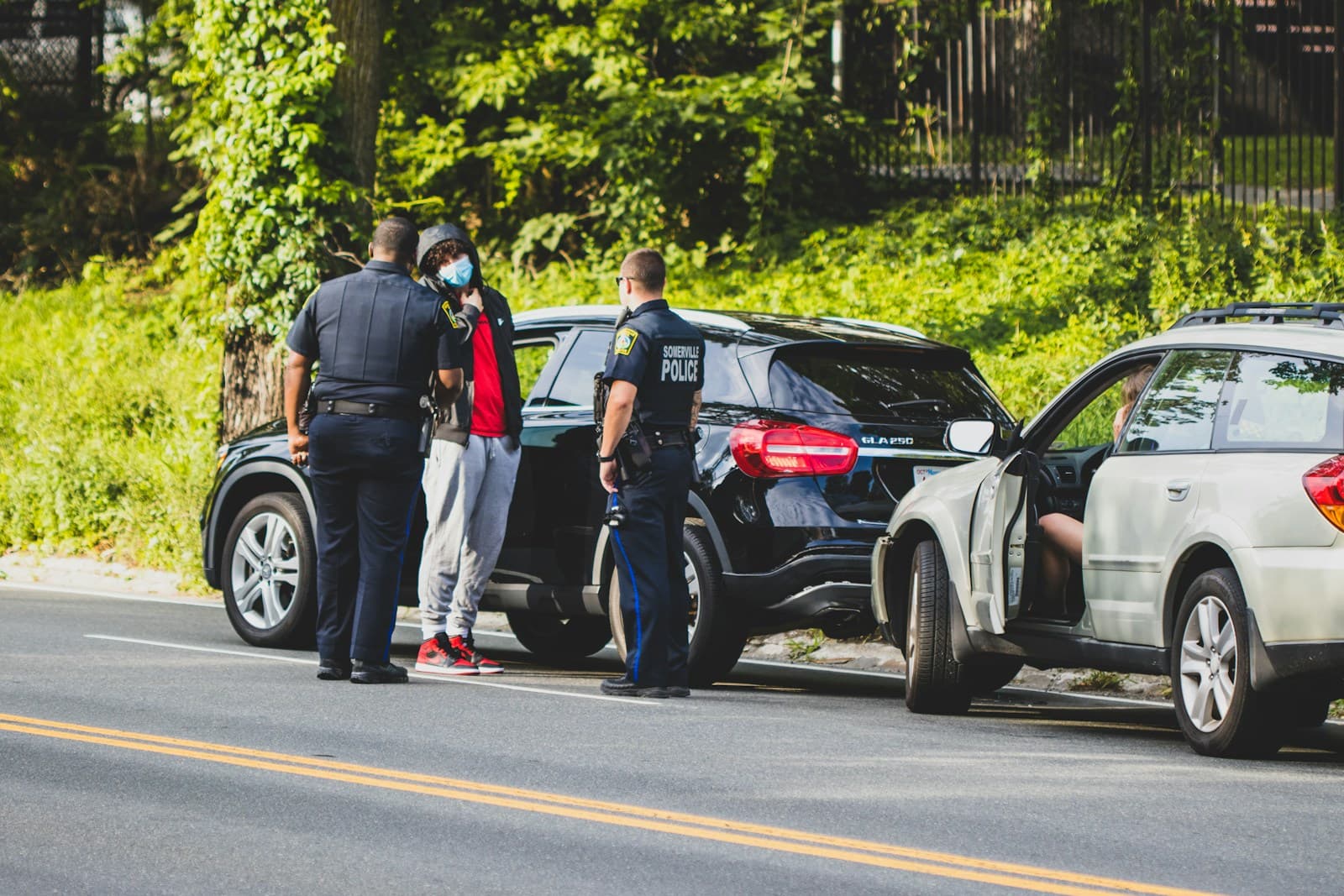
Most states define work-driving windows so tightly that stopping for groceries after your shift voids your permit. The pre-shift and post-shift buffer rules determine whether you can leave 30 minutes early to drop off your child or stop for gas on the way home without triggering a violation.
What Work-Window Buffer Actually Means on Your Restricted License
The buffer window is the additional driving time your state allows before and after your documented work shift to account for commute variability and essential errands directly tied to employment. Most states grant a 30-minute to 2-hour buffer, but how that buffer is calculated varies dramatically.
Some states measure the buffer from your documented shift start time backward and shift end time forward. If your shift runs 9 AM to 5 PM with a 1-hour buffer, you can legally drive from 8 AM to 6 PM. Other states measure the buffer from your home departure time or workplace arrival time, creating a narrower actual driving window even though the nominal buffer looks identical on paper.
Texas occupational licenses typically allow driving "during the hours of employment plus reasonable travel time," interpreted by most courts as a 1-hour buffer each direction measured from shift start and end. California restricted licenses often specify "travel to and from work only," with no statutory buffer — the buffer is implied as "reasonably necessary" and adjudicated post-violation. Florida business purpose licenses generally permit driving "during working hours," which courts have interpreted to include a reasonable commute buffer, typically 1 to 2 hours depending on documented commute distance.
How Pre-Shift Buffer Is Calculated and Why It Matters More Than You Think
The pre-shift buffer determines how early you can legally leave your residence before your shift begins. If your shift starts at 8 AM and your state grants a 1-hour pre-shift buffer measured from shift start, you can depart at 7 AM. If your state measures the buffer from documented commute duration, the calculation changes.
States like Illinois and Ohio calculate pre-shift buffer from the shift start time backward. If your employer verifies your shift begins at 8 AM and you have a documented 45-minute commute, a 1-hour buffer means you can leave as early as 7 AM — the buffer absorbs the commute plus a 15-minute margin. States like Georgia and North Carolina measure buffer from typical departure time, requiring you to document your usual departure window on your hardship application. If you documented a 7:15 AM departure and your buffer is 30 minutes, leaving at 6:30 AM is a violation even if your shift doesn't start until 8 AM.
The enforcement difference is stark. If you are stopped at 6:45 AM in Illinois with an 8 AM shift start and a 1-hour buffer, the officer sees you are within your approved window. If you are stopped at 6:45 AM in Georgia and your documented departure time was 7:15 AM, you are driving outside your restriction even though your shift is still over an hour away. Most drivers do not realize their documented departure time is the anchor, not their shift start time.
Compare car insurance rates in your state
Get quotes from licensed carriers — no obligation, no spam, results in minutes.
Get Your Free Quote✓ No Obligation Required✓ Licensed Carriers Only✓ Available Nationwide✓ Free to Compare
Post-Shift Buffer and the Stop-for-Gas Problem
Post-shift buffer determines how long after your shift ends you can remain on the road legally. The typical use case: stopping for gas, picking up a prescription, or grabbing groceries on the way home. Most states allow this under a "reasonably necessary" standard, but the definition varies and enforcement is inconsistent.
Texas courts have upheld violations for drivers who stopped at a grocery store 20 minutes after their shift ended, ruling that grocery shopping is a household errand, not employment-related travel. The post-shift buffer covers the commute home, not errands undertaken during that commute. Florida judges have ruled the opposite in similar cases, holding that a single stop directly on the route home for essential household needs falls within "business purposes" as long as the total elapsed time from shift end to arrival home remains reasonable.
The safest interpretation: the post-shift buffer covers direct travel home only. Any stop that adds more than 10 minutes to your documented commute time exposes you to a violation charge, and whether that charge sticks depends on the county, the officer, and the judge. If your documented commute home is 30 minutes and you arrive home 50 minutes after your shift ended, you will need to explain the 20-minute gap. If you cannot prove the stop was employment-necessary, most judges revoke the permit.
What Counts as Employment-Necessary Under Buffer Rules
Employment-necessary stops are those required to perform your job or maintain your employment. Stopping for gas on the way to work counts if your fuel level would not allow you to reach your workplace. Stopping for gas on the way home typically does not count unless your fuel level would prevent you from reaching work the next day and you have no other reasonable opportunity to refuel.
Stopping to drop off your child at daycare before work counts as employment-necessary in most states if you document the daycare location and hours on your hardship application. Stopping to pick up your child after work counts for the same reason. States like Michigan and Wisconsin explicitly allow "essential family responsibilities" as approved purposes on occupational licenses, making childcare stops legally protected. States like Virginia and North Carolina do not recognize family responsibilities as distinct approved purposes — childcare stops must be framed as necessary to maintain employment, requiring employer verification that your work schedule is incompatible with alternative childcare arrangements.
Stopping for food, prescriptions, banking, or household errands does not count as employment-necessary in any state, even if the errand occurs during your approved driving window. The buffer protects commute variability and job-required stops only. If you need to run errands, you must document those locations and purposes as separate approved stops on your hardship application, and most states deny applications that request general errand-running authority.
How Route Restrictions Interact with Buffer Windows
Many states require you to document your specific commute route on your hardship application. If your documented route is Highway 101 to Main Street to your workplace and you take a different route during your approved buffer window, you are in violation even if your departure and arrival times fall within the buffer.
California restricted licenses typically require documented routes and enforce them strictly. If you take an alternate route to avoid traffic, you are driving outside your restriction. If road construction closes your documented route and you detour, you are technically in violation — though most judges dismiss these cases if you can prove the closure and the detour was reasonable. The safer approach: if your documented route becomes impassable, do not drive. Contact your attorney or the DMV to request an amended order reflecting the new route before resuming driving.
Texas and Florida do not typically require documented routes on occupational or business purpose licenses unless the judge adds route restrictions as a condition. If your order does not specify a route, you can take any reasonable direct route during your buffer window. Reasonable is defined by total travel time — if your documented commute is 30 minutes and your chosen route takes 50 minutes, the extra 20 minutes exposes you to a violation charge.
What Happens When You Drive Outside Your Buffer Window
Driving outside your approved buffer window is treated as driving on a suspended license in most states, not as a hardship license violation. The distinction matters. A violation of hardship terms typically results in immediate revocation of the restricted license and reinstatement of the full suspension period. A charge of driving while suspended adds a new suspension period on top of your existing suspension, extends your SR-22 filing requirement, and may trigger a mandatory jail sentence depending on your state and your suspension cause.
In Ohio, a first-time violation of occupational license terms triggers automatic revocation and a 1-year extension of the underlying suspension. A second violation results in a 3-year suspension with no hardship eligibility. In Texas, violating your occupational license terms results in immediate revocation, but you can reapply for a new occupational license after 90 days if the underlying suspension period has not expired. In California, a restricted license violation typically results in permanent revocation of restricted driving privileges for the remainder of the suspension, with no opportunity to reapply.
If you are charged with driving outside your buffer window, do not plead guilty without consulting an attorney. Many drivers assume the charge is minor and plead guilty to avoid court, not realizing the plea triggers automatic hardship revocation. An attorney can often negotiate a plea to a lesser charge that does not terminate your restricted driving privileges.
How to Document Your Buffer Window to Avoid Violations
Your hardship application should document your exact shift start and end times, your home address, your workplace address, your typical commute duration, and any required stops between home and work. If your shift hours vary, document the earliest start time and latest end time and request a buffer window that covers the full range.
If your job requires driving during work hours, document the geographic area you drive within, the purpose of that driving, and the typical hours during which work-related driving occurs. If your employer can provide a letter confirming that your job duties require driving to client sites, vendor locations, or multiple work sites, include that letter with your application. Most judges grant broader buffer windows and geographic scope when employer verification supports the request.
If you need to make essential stops on the way to or from work, document each stop location, purpose, and typical duration on your application. Daycare stops, medical appointments required to maintain DOT medical certification, and fuel stops at a documented station near your residence or workplace are the categories most likely to be approved. General errand authority is almost never granted.