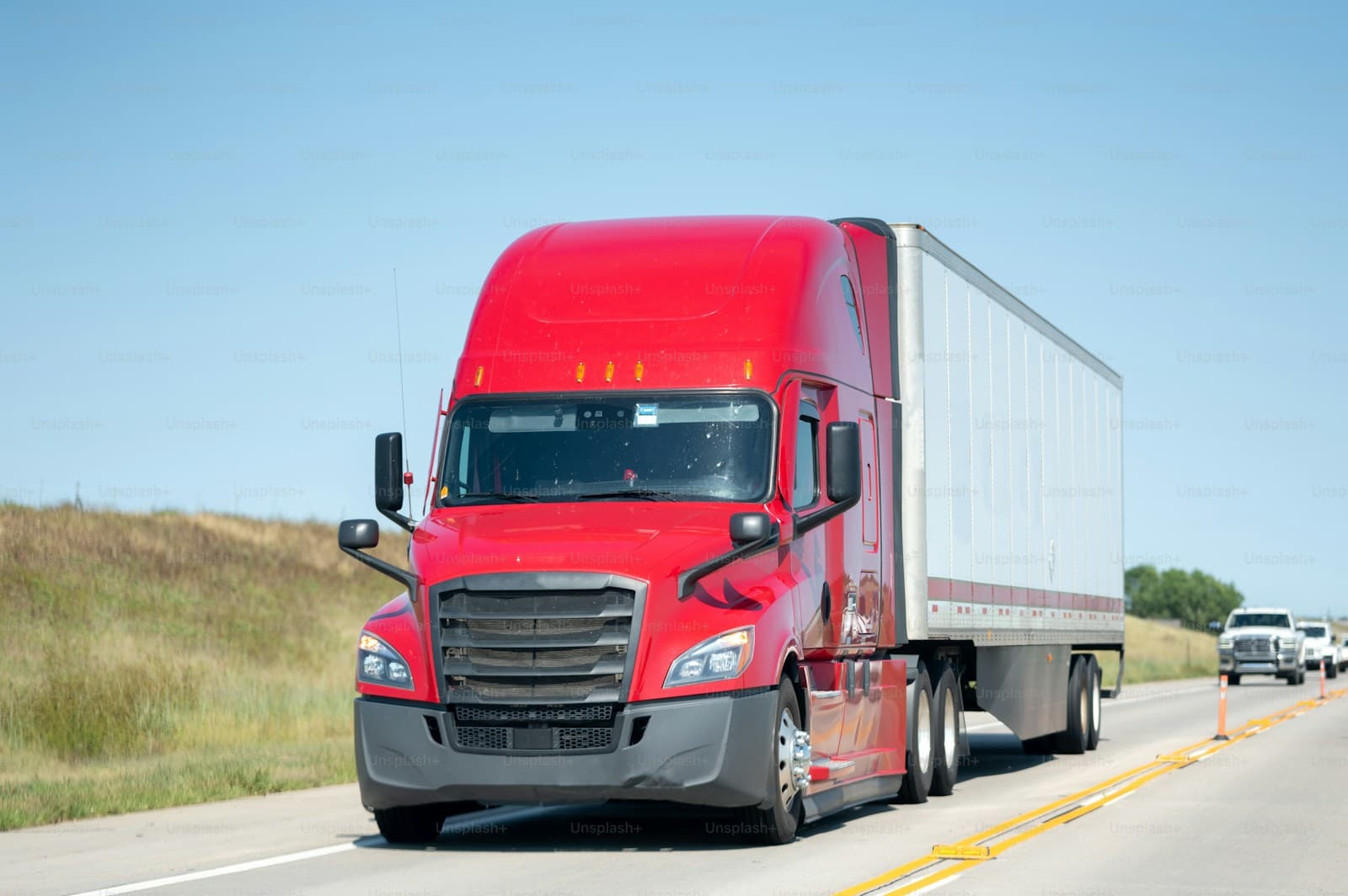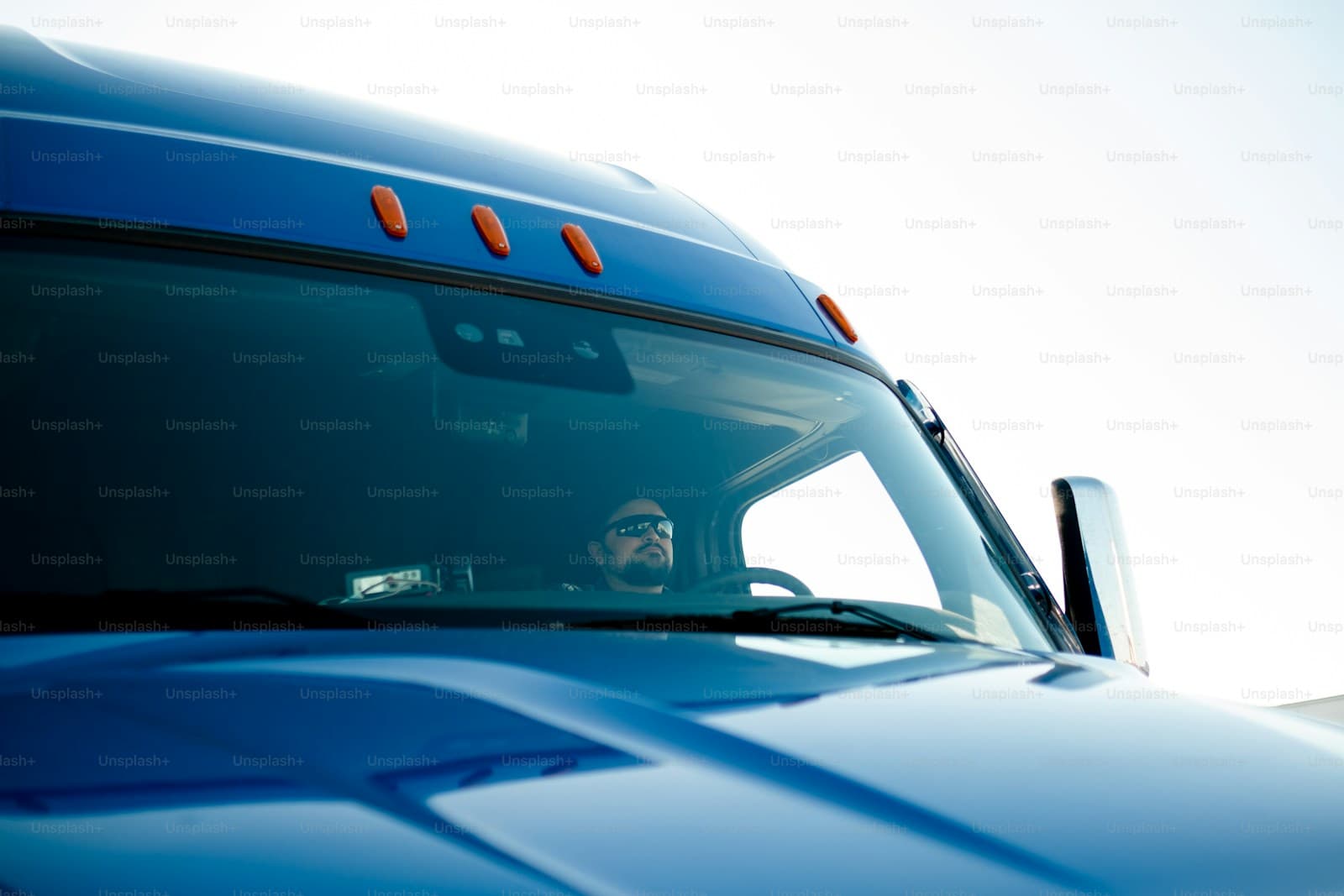
You hold a Class A CDL and just lost your personal license. Most states issue work permits for personal-vehicle commutes only — your CDL stays suspended for commercial driving even when the hardship license is approved.
Work Permits Cover Personal Vehicles Only — CDL Stays Suspended for Commercial Use
State hardship licenses authorize personal-vehicle driving for work purposes. They do not restore your Commercial Driver's License privileges. You can drive your sedan to your trucking company's dispatch office under the work permit. You cannot drive the semi once you arrive.
This separation exists because CDL disqualifications follow federal FMCSA regulations layered on top of state hardship rules. A state judge can grant you personal driving relief. That judge cannot override federal commercial disqualification periods — those run independently. Most CDL holders learn this distinction only after applying for the hardship license and attempting to return to commercial work.
The practical result: if your job requires operating a commercial vehicle, a personal-vehicle work permit does not solve your employment problem. It allows commuting to a warehouse job, office dispatch role, or equipment maintenance position. It does not allow driving the truck, bus, or commercial vehicle your CDL was issued to operate.
Federal CDL Disqualification Periods Run Separately From State Hardship Eligibility
FMCSA regulations impose minimum CDL disqualification periods based on the violation that triggered your suspension. First-offense DUI in a personal vehicle: 1 year commercial disqualification. Second DUI: lifetime disqualification with potential reinstatement after 10 years. Refusal to submit to chemical testing: 1 year for first offense, lifetime for second.
These federal periods apply regardless of state hardship license approval. Texas may issue you an occupational license 30 days after a DUI suspension begins. Your Class A CDL remains federally disqualified for 12 months from the conviction date. The occupational license covers personal driving only during that year.
Some CDL holders assume hardship approval accelerates commercial reinstatement. It does not. The federal clock and the state hardship clock are independent timelines. You must satisfy both before resuming commercial operation.
Compare car insurance rates in your state
Get quotes from licensed carriers — no obligation, no spam, results in minutes.
Get Your Free Quote✓ No Obligation Required✓ Licensed Carriers Only✓ Available Nationwide✓ Free to Compare
Employer Verification Letters Must Specify Personal-Vehicle Commute Role
Most states require employer verification as part of hardship applications. The letter must document your work hours, location, and whether driving is essential to job duties. CDL holders face an additional documentation requirement: the letter must clarify whether the position requires commercial vehicle operation or only personal-vehicle commuting.
If your employer states the job requires CDL use, judges typically deny the hardship petition. The work permit cannot authorize commercial driving, so issuing it would not solve the documented work need. If the letter describes a non-driving or personal-commute role at a trucking company — dispatch, warehouse, equipment cleaning, office logistics — judges evaluate it like any other commute-hardship case.
Some CDL holders attempt to frame warehouse or dispatch roles vaguely, hoping to preserve commercial options later. That approach backfires. Courts deny petitions when the work description is unclear about vehicle type. The employer letter must state explicitly: "This position requires personal-vehicle commuting only. No commercial vehicle operation is required during employment."
Insurance Setup: Personal SR-22 Does Not Cover Commercial Vehicles
If your suspension requires SR-22 filing — most DUI and uninsured-driving cases do — the SR-22 form you file for hardship compliance covers personal auto liability only. It does not satisfy commercial vehicle insurance requirements. Your trucking company's commercial fleet policy remains separate.
Some CDL holders mistakenly believe one SR-22 filing covers both personal and commercial use. It does not. Personal SR-22 policies exclude commercial vehicles explicitly in the policy language. If you attempt to operate a commercial vehicle under personal SR-22 coverage, you are driving uninsured for that vehicle class — a separate violation that extends both state and federal disqualification periods.
When your federal CDL disqualification period ends and your state reinstates commercial privileges, you will need commercial SR-22 filing if your violation triggers that requirement. Personal and commercial SR-22 are separate filings with separate premiums. Budget for both if you plan to return to commercial operation after disqualification expires.
What Happens If You Drive Commercially on a Personal Work Permit
Operating a commercial vehicle while holding only a personal-vehicle hardship license constitutes driving on a suspended CDL. State penalties vary but typically include immediate revocation of the hardship license, extension of the original suspension period, and criminal charges for operating without proper licensing.
Federal consequences layer on top. FMCSA records the unauthorized commercial operation as a serious violation. This can convert a 1-year disqualification into a longer period or trigger lifetime disqualification if prior offenses exist. The violation also appears on your FMCSA Pre-Employment Screening Program record, visible to future employers indefinitely.
Some CDL holders rationalize short trips — moving a truck in the yard, driving a delivery van under 26,001 pounds if their CDL is Class A. Any vehicle requiring a CDL to operate legally counts as commercial use. Yard moves on private property still trigger CDL requirements if the vehicle meets weight or cargo thresholds. The distinction is vehicle classification, not trip length or location.
Non-Driving Roles at Trucking Companies While Hardship License Is Active
Many CDL holders work for trucking companies in non-driving capacities during disqualification periods. Dispatch, logistics coordination, equipment maintenance, warehouse operations, and freight documentation roles do not require CDL privileges. A personal-vehicle work permit covers commuting to these positions.
Employers verify non-CDL roles carefully. DOT compliance officers distinguish between positions that occasionally require vehicle movement and roles with no driving component. If your job description includes any vehicle operation — even occasional yard spotting or equipment repositioning — it counts as commercial use and disqualifies you from performing that duty under a personal hardship license.
Some companies create temporary non-driving positions for suspended CDL employees, planning to restore driving duties when federal disqualification ends. Document this arrangement in writing. The hardship petition employer letter should state: "Employee will perform dispatch duties only during suspension period. No vehicle operation required. Upon CDL reinstatement, employee will return to commercial driving role." This framing satisfies court requirements and preserves your position for later.
Coordinating State Hardship Timeline With Federal CDL Reinstatement
Your state hardship license may expire before your federal CDL disqualification ends. Texas occupational licenses run 1-2 years depending on the suspension cause. If your DUI triggered a 1-year CDL disqualification, your occupational license covers personal commuting for that full year. If the underlying state suspension was 18 months, you may need to renew the occupational license or transition to full reinstatement mid-disqualification.
When federal CDL disqualification ends, you must apply separately for commercial license reinstatement through your state licensing agency. This is not automatic. Most states require completion of CDL knowledge and skills retesting after disqualification periods longer than 1 year. Some states require substance abuse evaluation and treatment completion even if those were not original suspension conditions.
Budget 60-90 days for commercial reinstatement processing after federal disqualification ends. You cannot operate commercially during that gap even though the federal clock has expired. The state must issue a valid CDL card before you resume commercial operation. Your personal hardship license remains valid for commuting to non-driving work during that reinstatement window.